My 2026 Photography Kit
Note: This post contains affiliate links. Purchases made through them may earn me a small commission at no extra cost to you, helping support the blog and future photography content.
Thank You!
Premise!
I’ve written several blogs about specific pieces of gear over time, but never one that gathered everything together in a single place… until now.
I thought it could be useful to create a sort of reference point for anyone curious about the equipment I actually use during my photography sessions.
This list includes the camera bodies I use, the lenses I carry with me, and a few extra accessories that have become part of my everyday setup.
Whenever possible, I’ll also link the blogs where I talk more extensively about certain cameras, lenses or accessories, so this article doesn’t become unnecessarily heavy or repetitive to read.
Cameras
Ricoh GR III
Let’s start with the very first camera I ever bought: the Ricoh GR III.
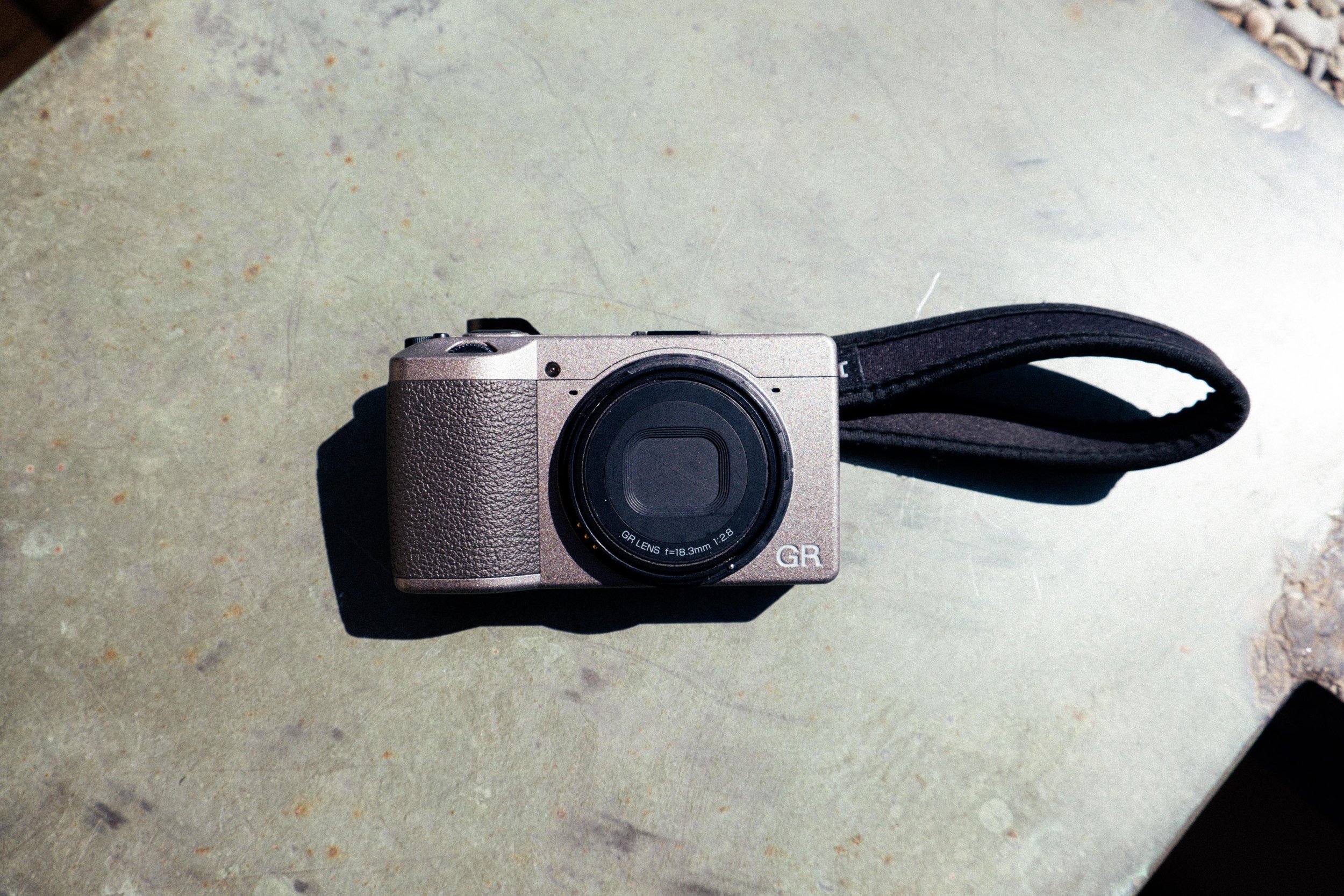
You can purchase it here → AMAZON
Even though I use it less nowadays because of its focal length (28mm), it’s still a camera I bring with me on every trip. Compact, reliable and incredibly discreet.
If you want to know more about it, I dedicated an entire blog to it.
Fujifilm X-E4
The second camera I bought, and my first mirrorless camera, was the Fujifilm X-E4.
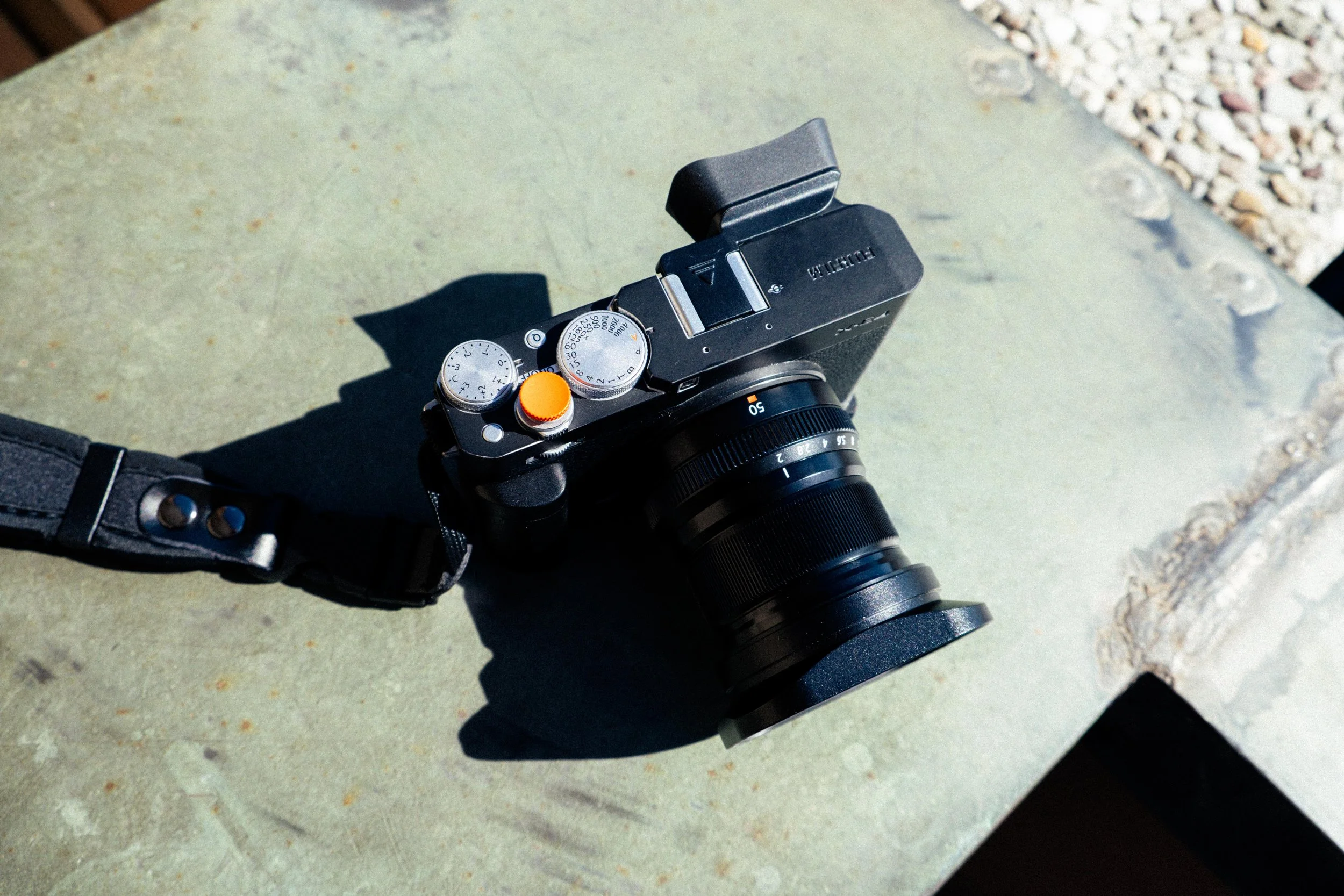
You can purchase it here → AMAZON
I purchased it because I was looking for something that could remind me of the Ricoh GR III in terms of compactness and simplicity, but with interchangeable lenses.
And that’s exactly why I still love it.
The X-E4 feels stripped down in the best possible way: very few dials, minimal design, incredibly easy to set up and always ready to shoot.
To this day, I still use it extensively because it’s lightweight, discreet, and with a couple of extra accessories it becomes much more ergonomic than it is stock. I also wrote a dedicated blog about that setup.
Fujifilm X-T4
As my third and latest camera body, here comes the Fujifilm X-T4.
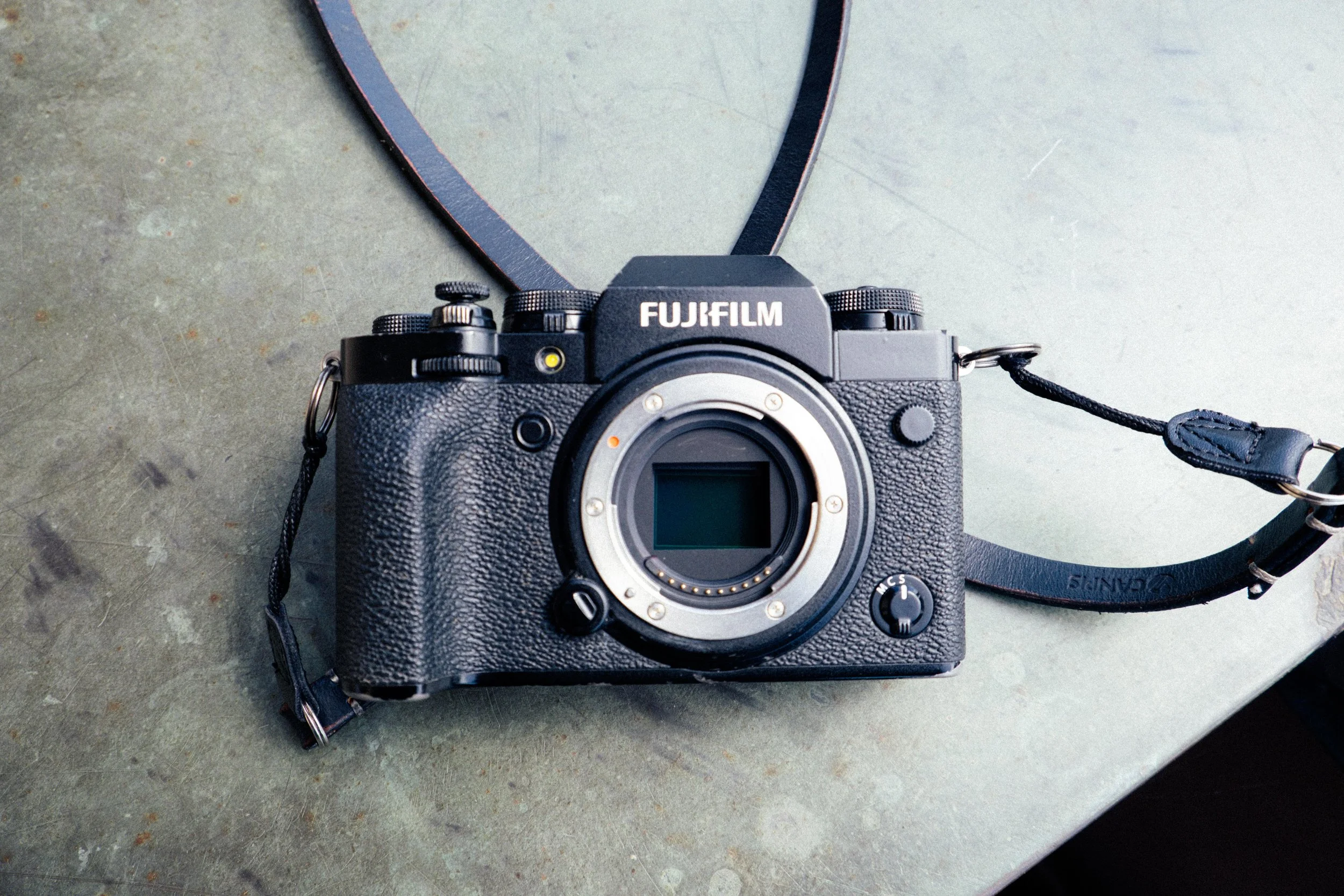
You can purchase it here → AMAZON
Strictly speaking, I didn’t need it for photography. The X-E4 was already more than enough for that.
But I needed a true “one-man army” camera capable of handling both photography and cinematic video during the same session.
The X-E4 unfortunately lacks IBIS, and getting stable handheld footage with it can be difficult depending on the situation.
Since a big part of my online presence also revolves around video, the X-T4 eventually became a necessary purchase.
I also wrote an entire blog explaining why I bought it.
Lenses
Keep in mind that all these lenses are used on APS-C systems, so there’s a 1.5x crop factor involved. I’ll specify the full-frame equivalents whenever necessary.
Fujinon XF 35mm f/2 R WR (50mm equivalent)
The very first lens I bought for my first mirrorless camera was the Fujinon XF 35mm f/2.
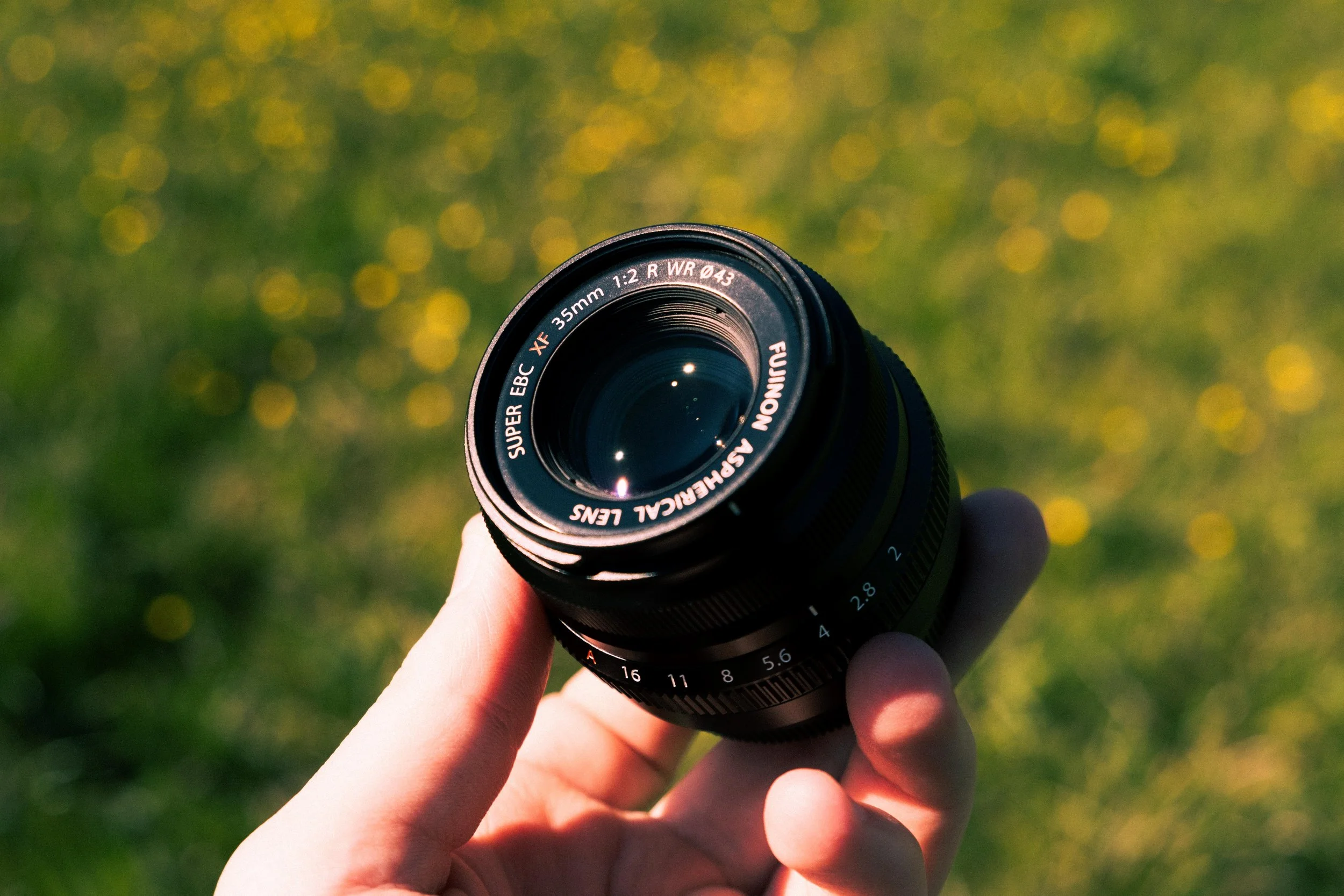
You can purchase it here → AMAZON
On APS-C, it becomes roughly a 50mm equivalent.
Through a series of experiences I explained more deeply in another blog, the 50mm had slowly become my “sweet spot” for street photography.
And honestly, it still is.
To this day, it’s probably the lens I use the most and the one I always bring with me whenever I go out to photograph. Even if I end up not using it, it remains that comfort lens I know I can rely on regardless of the situation.
I travelled through Spain, Portugal, Poland and Asia with this lens mounted for most of the time, and I’d say it probably makes up around 80% of my portfolio from those trips.
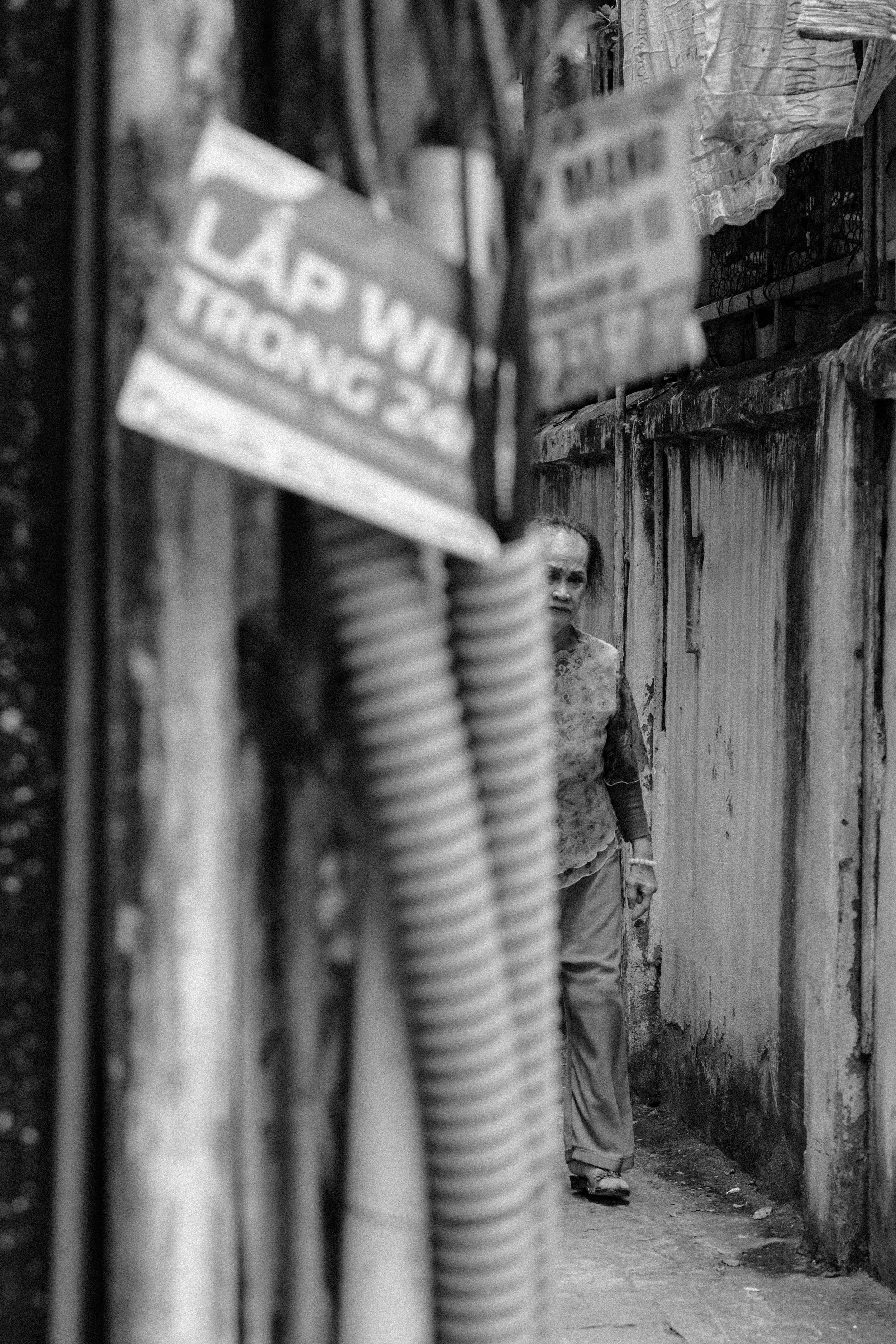
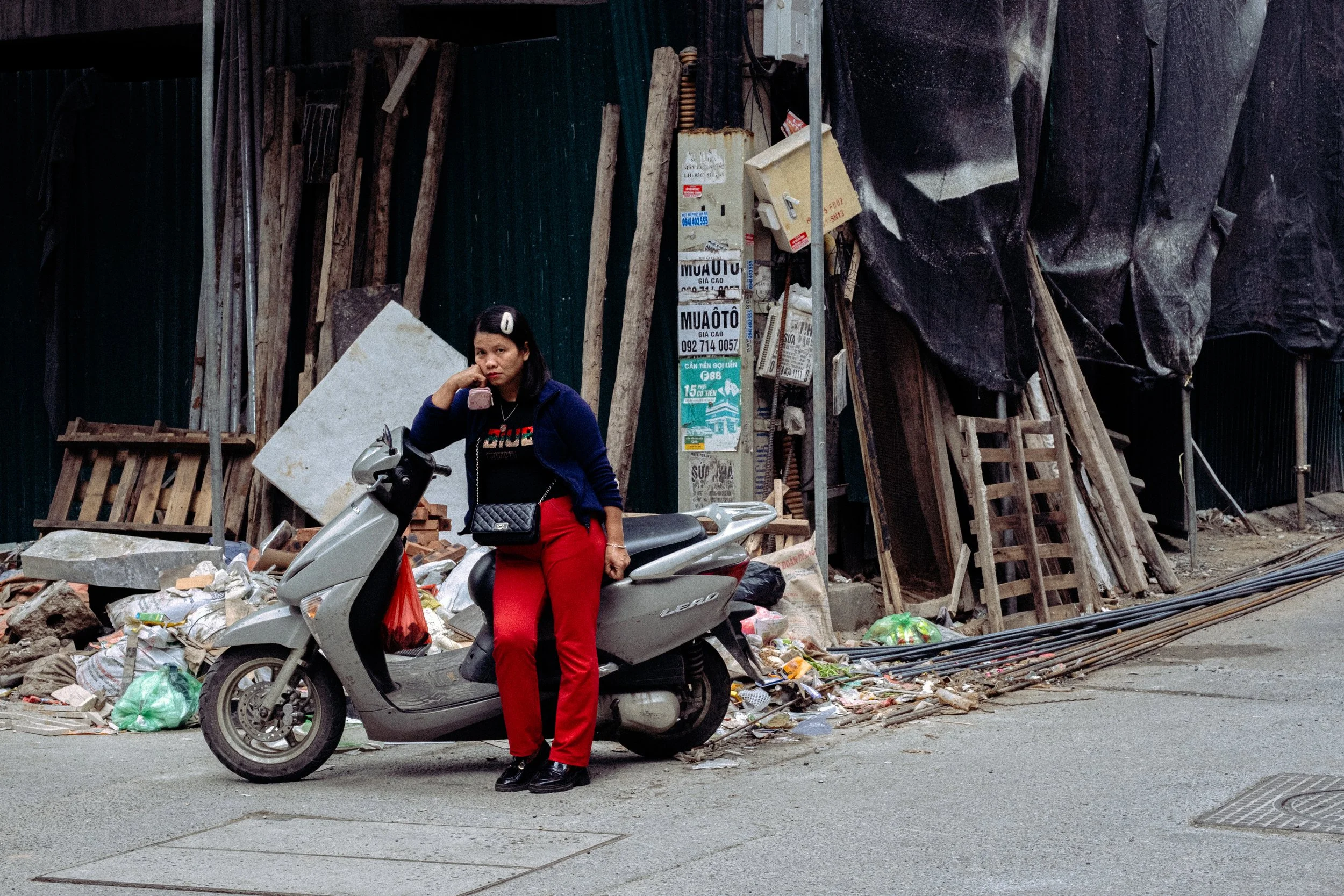
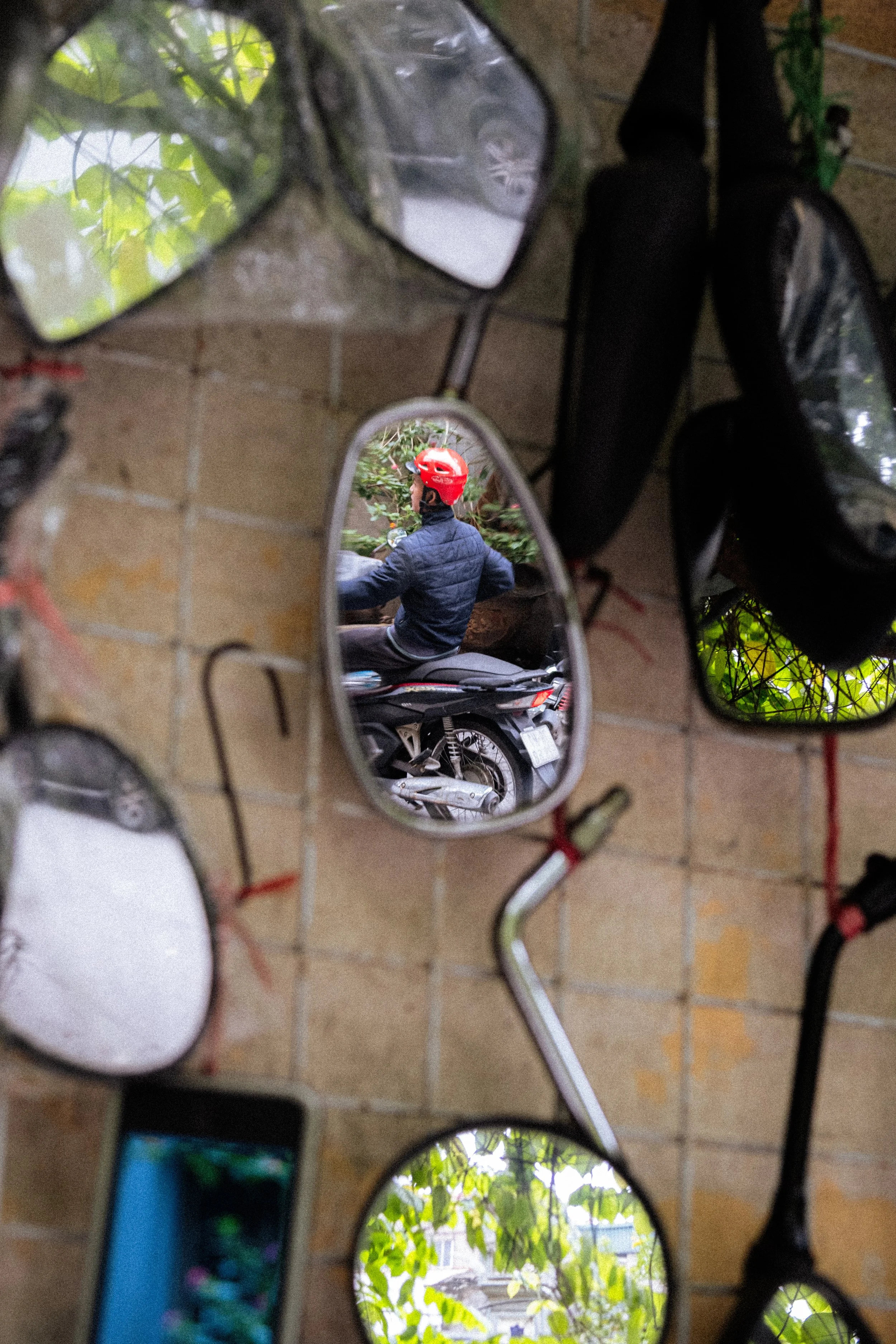
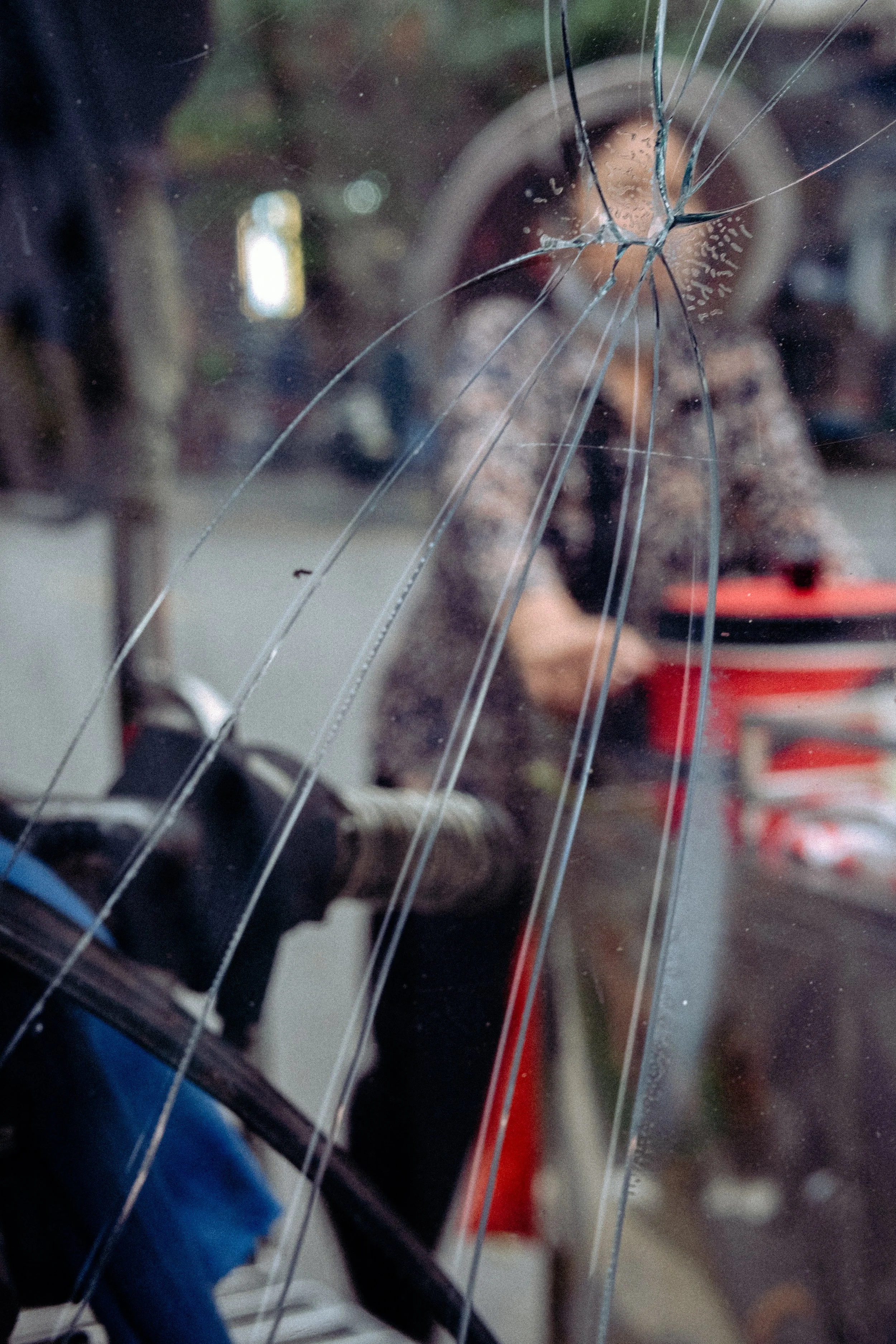
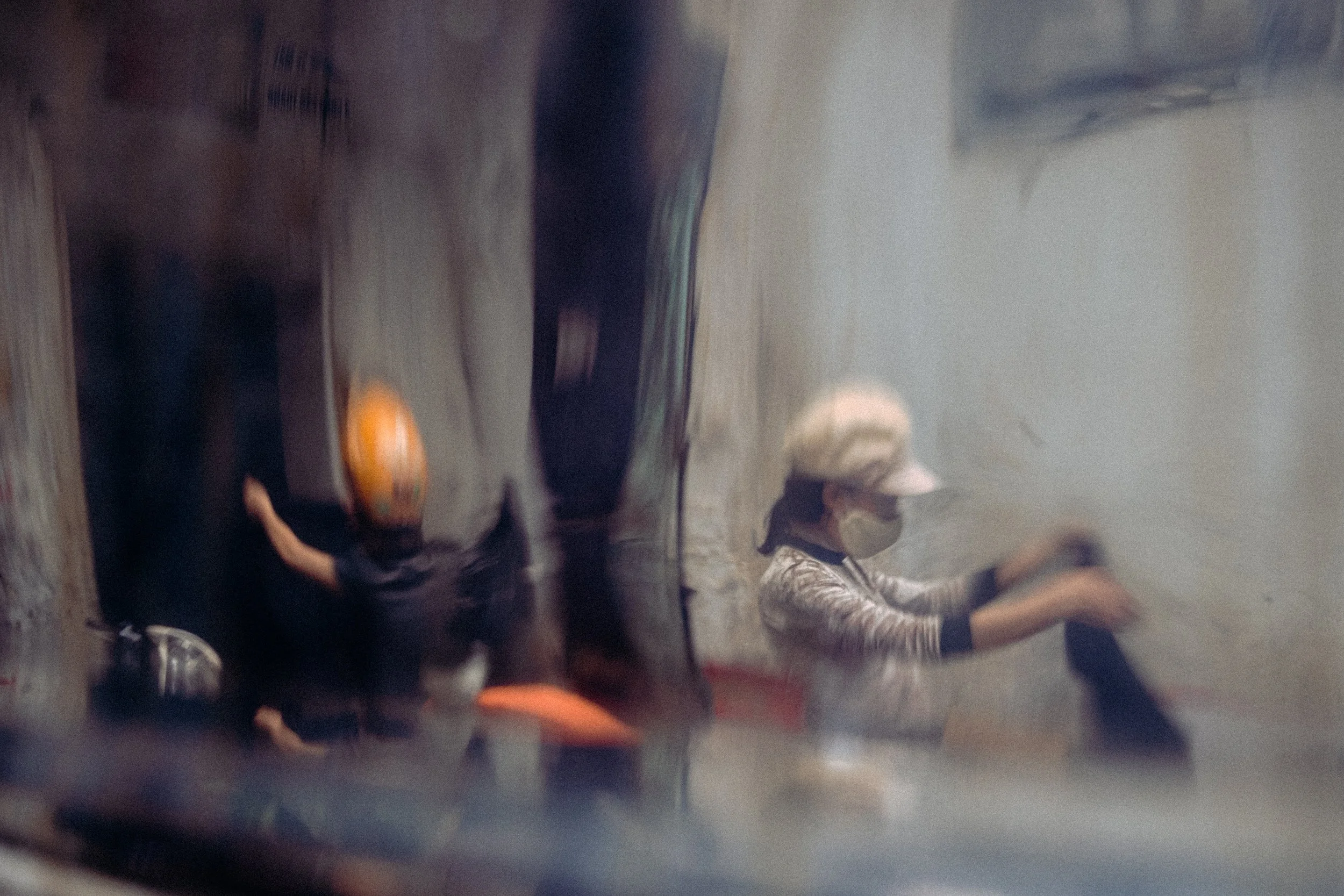
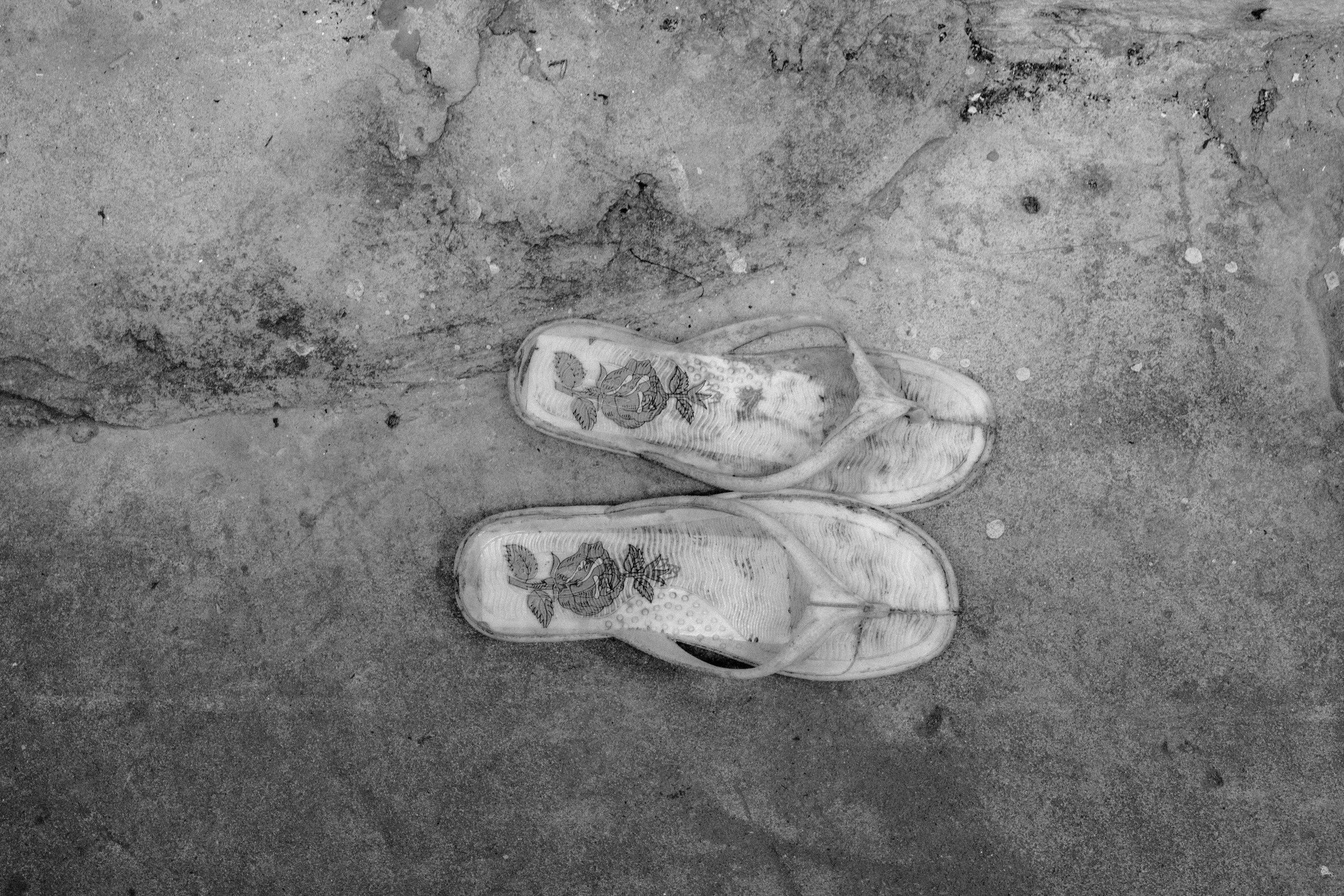
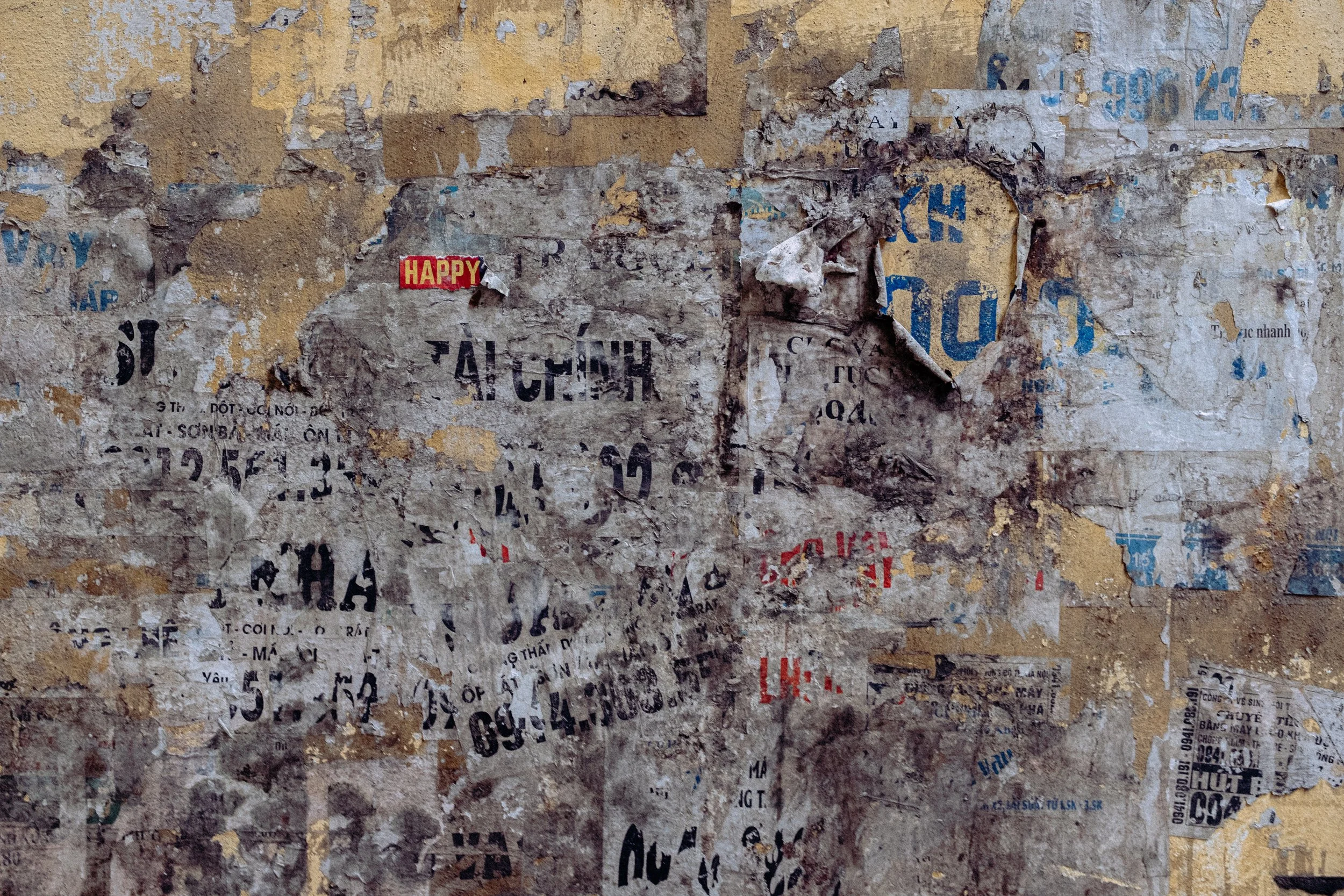
I won’t dive too much into technical specifications, but it’s an incredibly compact and lightweight lens. Around 170g. Small, discreet and perfect for street photography.
Fujinon XF 50mm f/2 R WR (75mm equivalent)
The second lens I bought eventually became the second most used lens in my kit.
The Fujinon XF 50mm f/2.
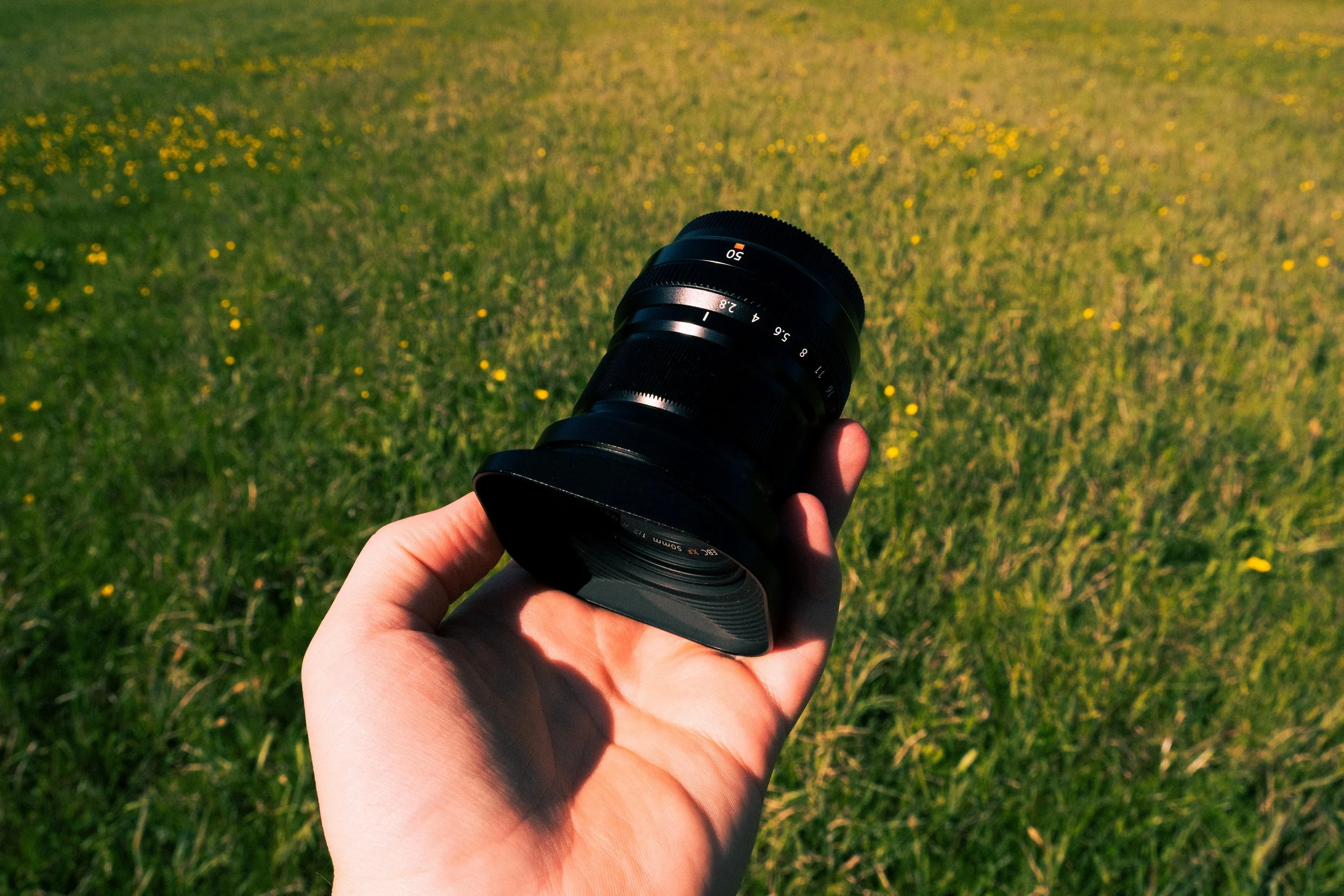
You can purchase it here → AMAZON
On APS-C, it becomes roughly a 75mm equivalent.
Even though it’s slightly longer and more noticeable than the 35mm shown above, it still remains relatively compact and discreet, especially considering the focal length.
This lens completely changed my approach to photography.
More distant. More invisible. More reflective and cerebral.
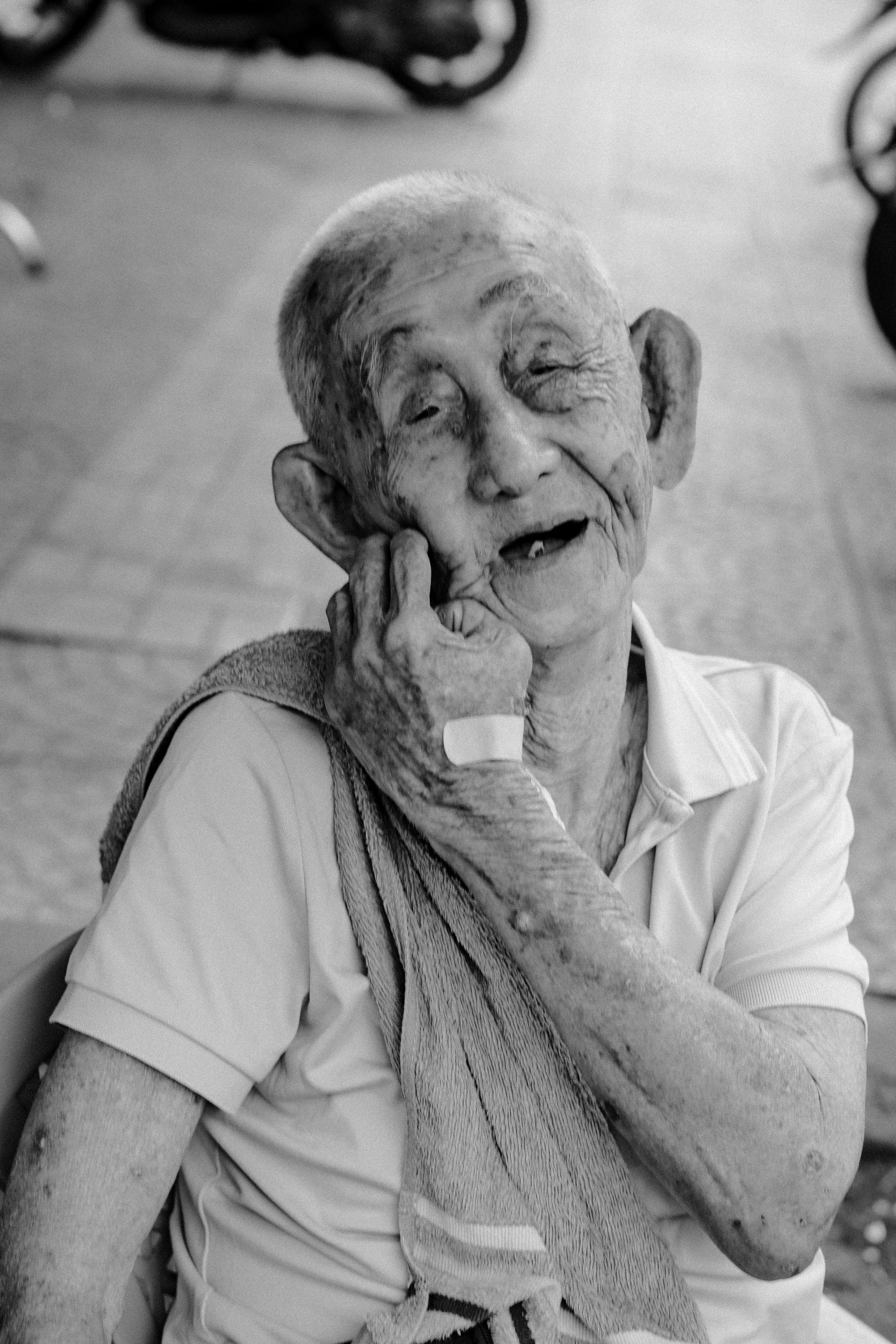
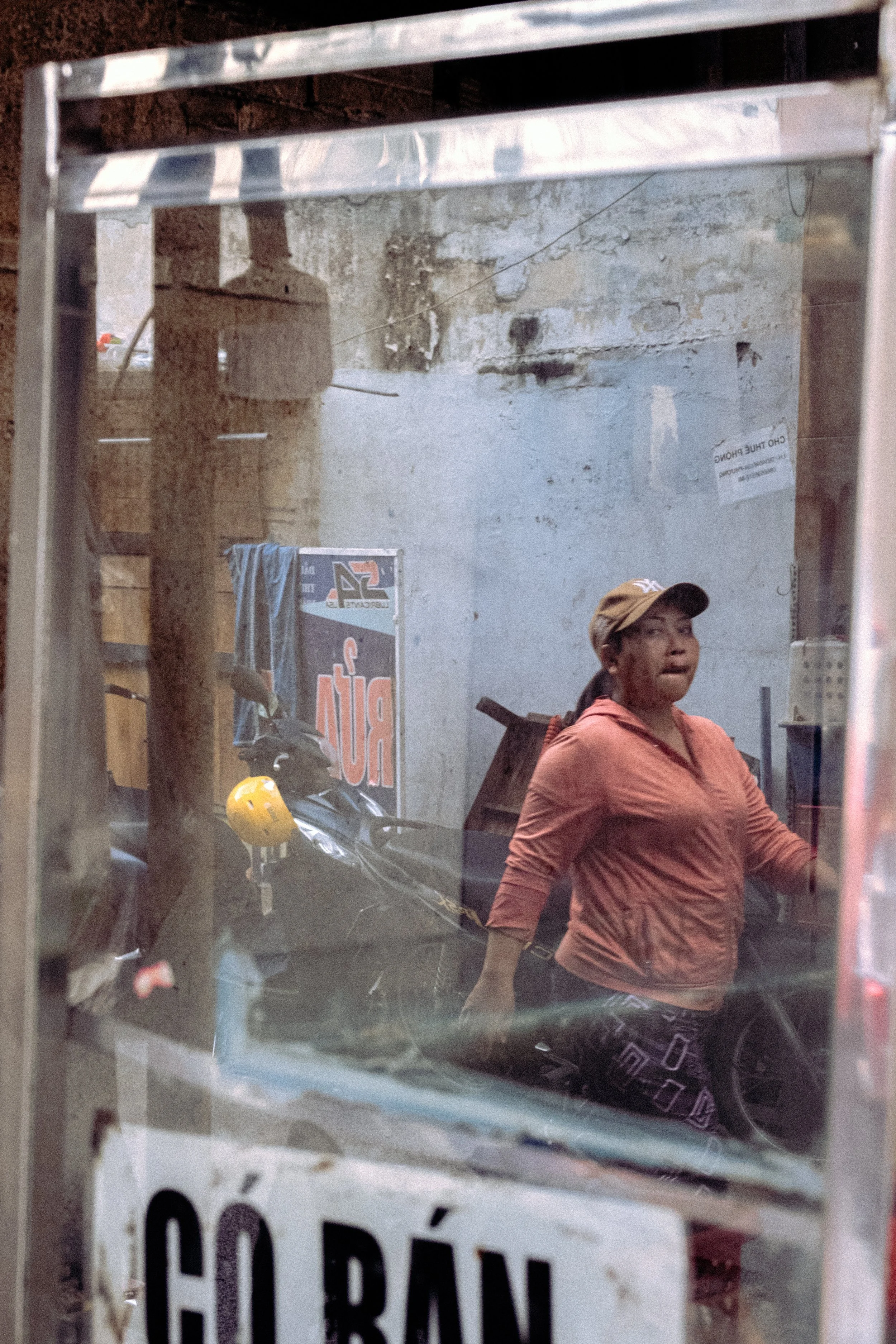
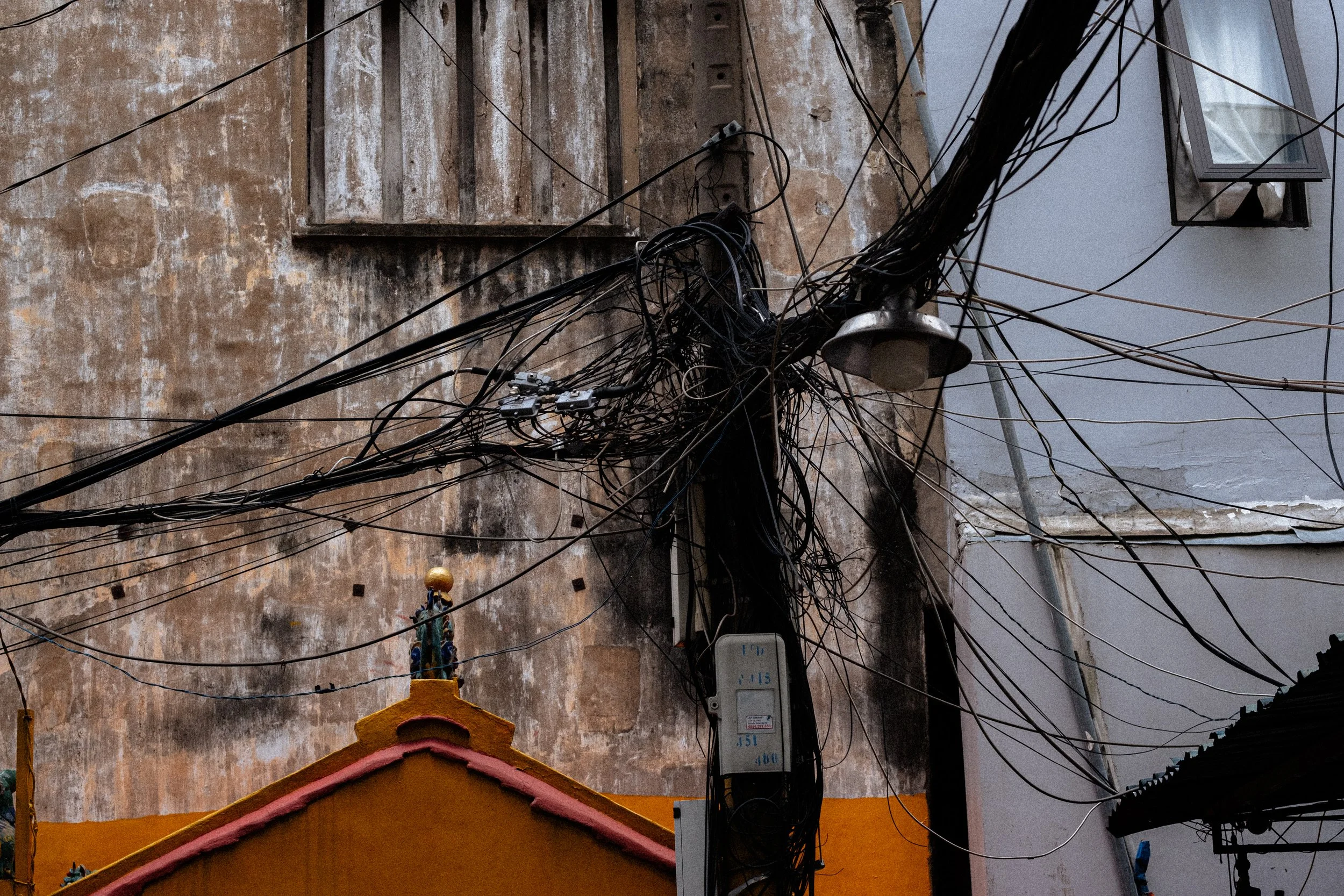
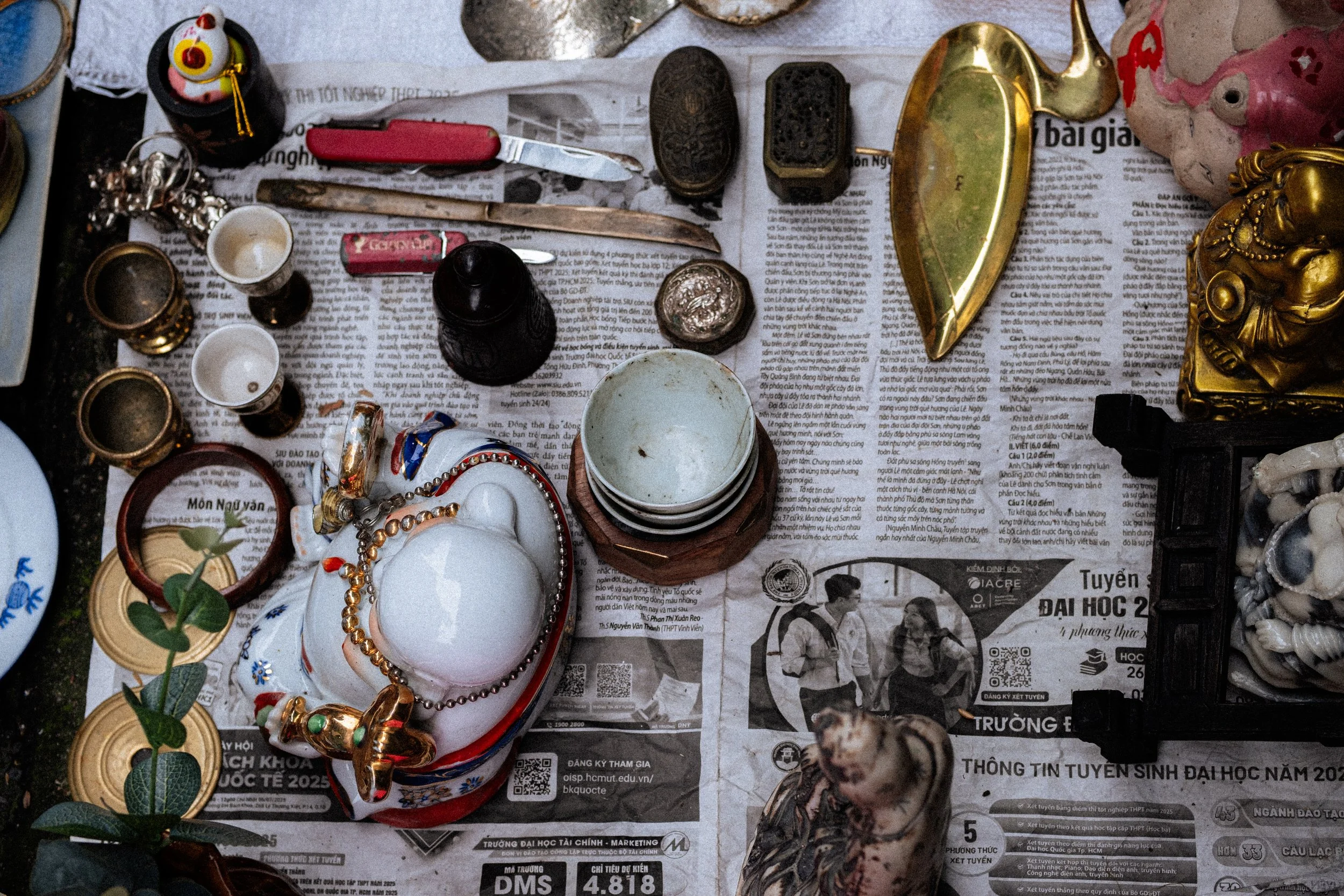
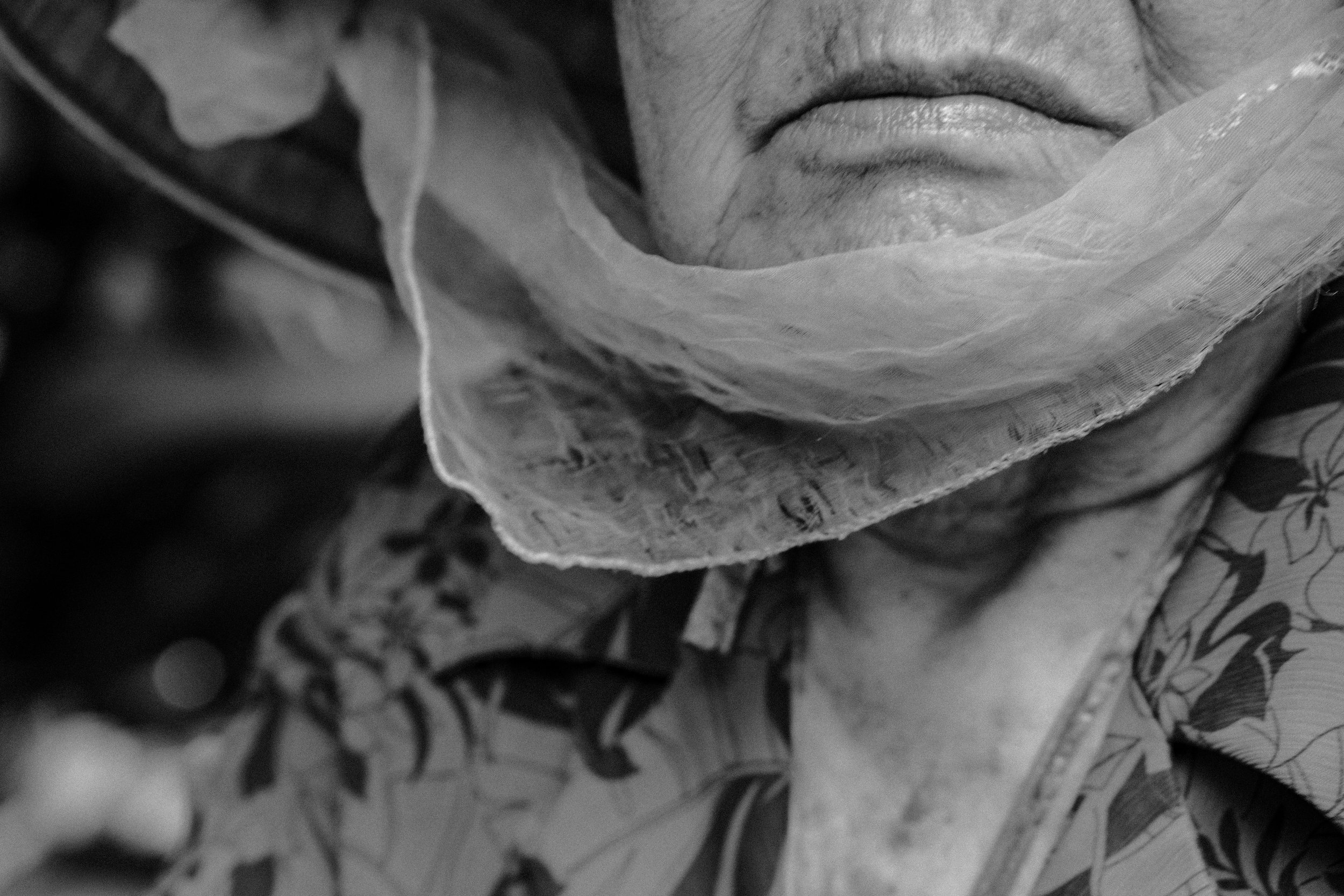
For many people, 75mm feels far too tight for street photography, which is exactly why I dedicated an entire blog to explaining how I approach street photography with this focal length.
It has become a constant travel companion.
There’s something incredibly enjoyable about approaching scenes in a calmer, more observant way. Less reactive. Less chaotic. More meditative.
Fujifilm XF 18-55mm f/2.8-4 R LM OIS
This is the lens that has slowly taken over my setup and is becoming my actual “main lens”.
As I mentioned earlier, I needed a one-man-army setup capable of handling both photography and video. But how do you truly make a camera like the X-T4 versatile enough for everything?
Simple: a zoom lens.
And this one ended up being the perfect compromise for me.
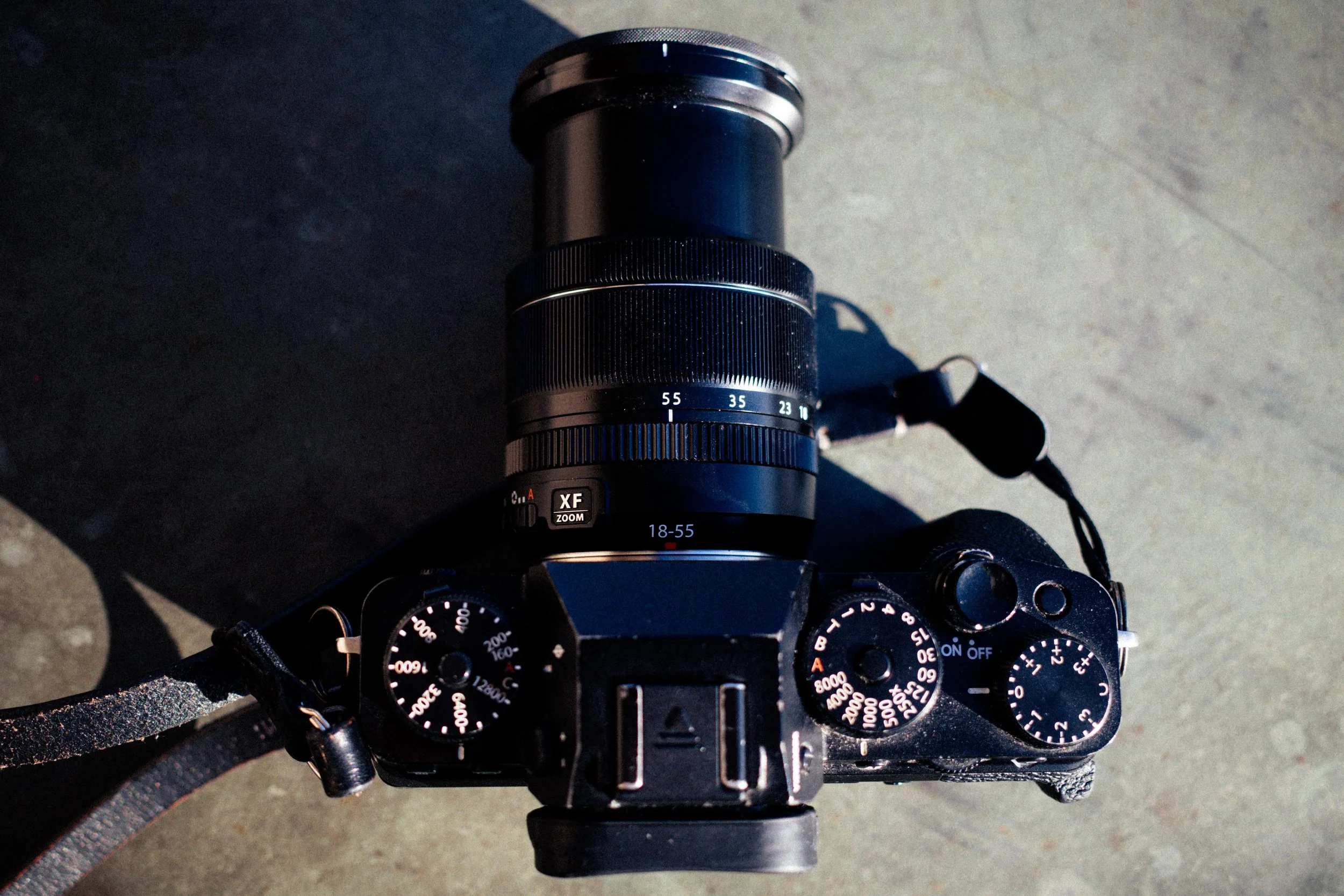
You can purchase it here → AMAZON
At first glance it’s immediately larger than the primes shown earlier, but obviously it couldn’t be otherwise. And yes, many people argue that zoom lenses simply cannot match the image quality of prime lenses.
I talked about this more extensively in another blog, but honestly? I genuinely believe that very few people could consistently distinguish a photo taken with a prime lens from one taken with this zoom lens, especially once compressed and uploaded to Instagram. I personally couldn’t.
This lens completely changed the way I approach chaotic events like carnivals, protests and crowded public gatherings.
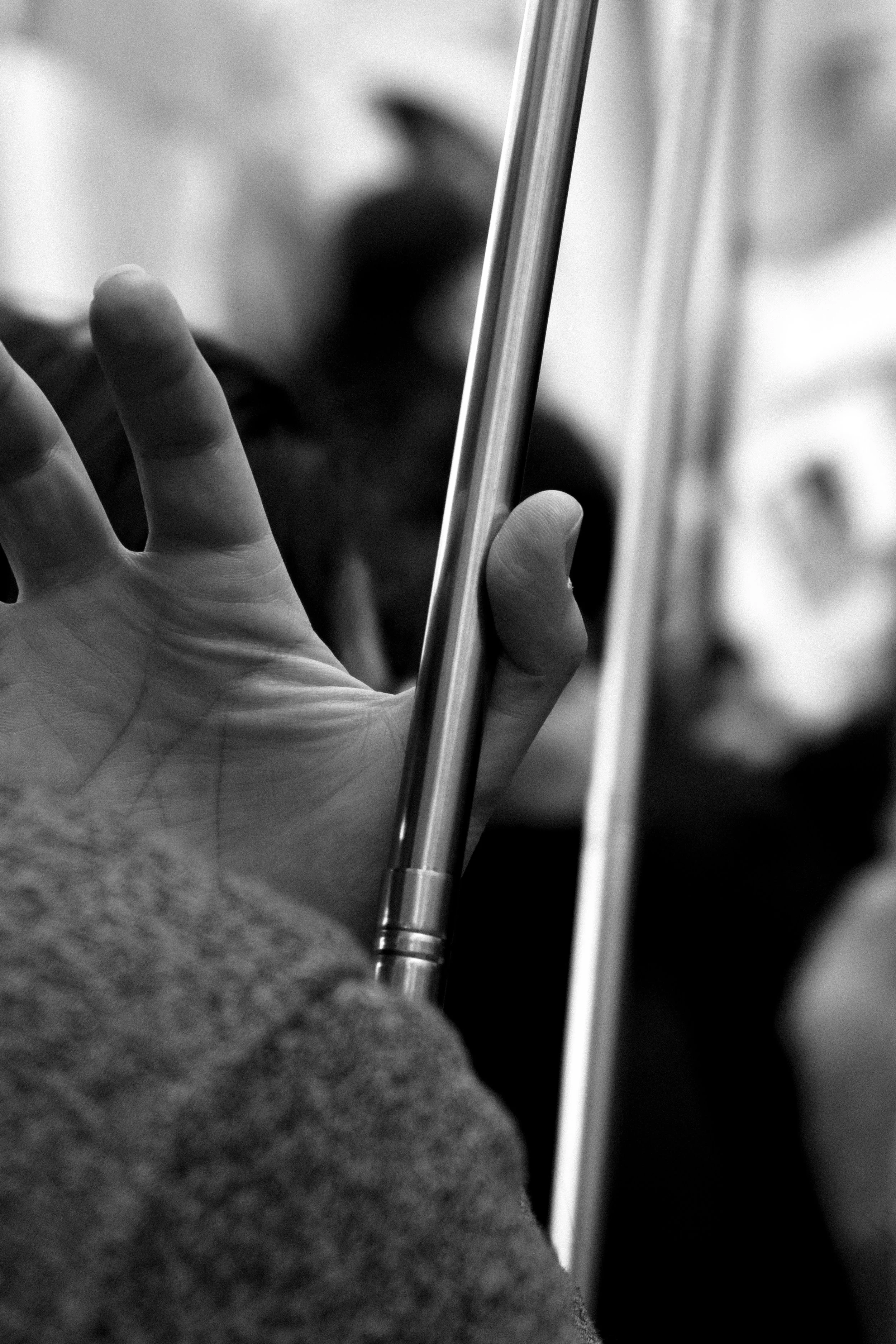
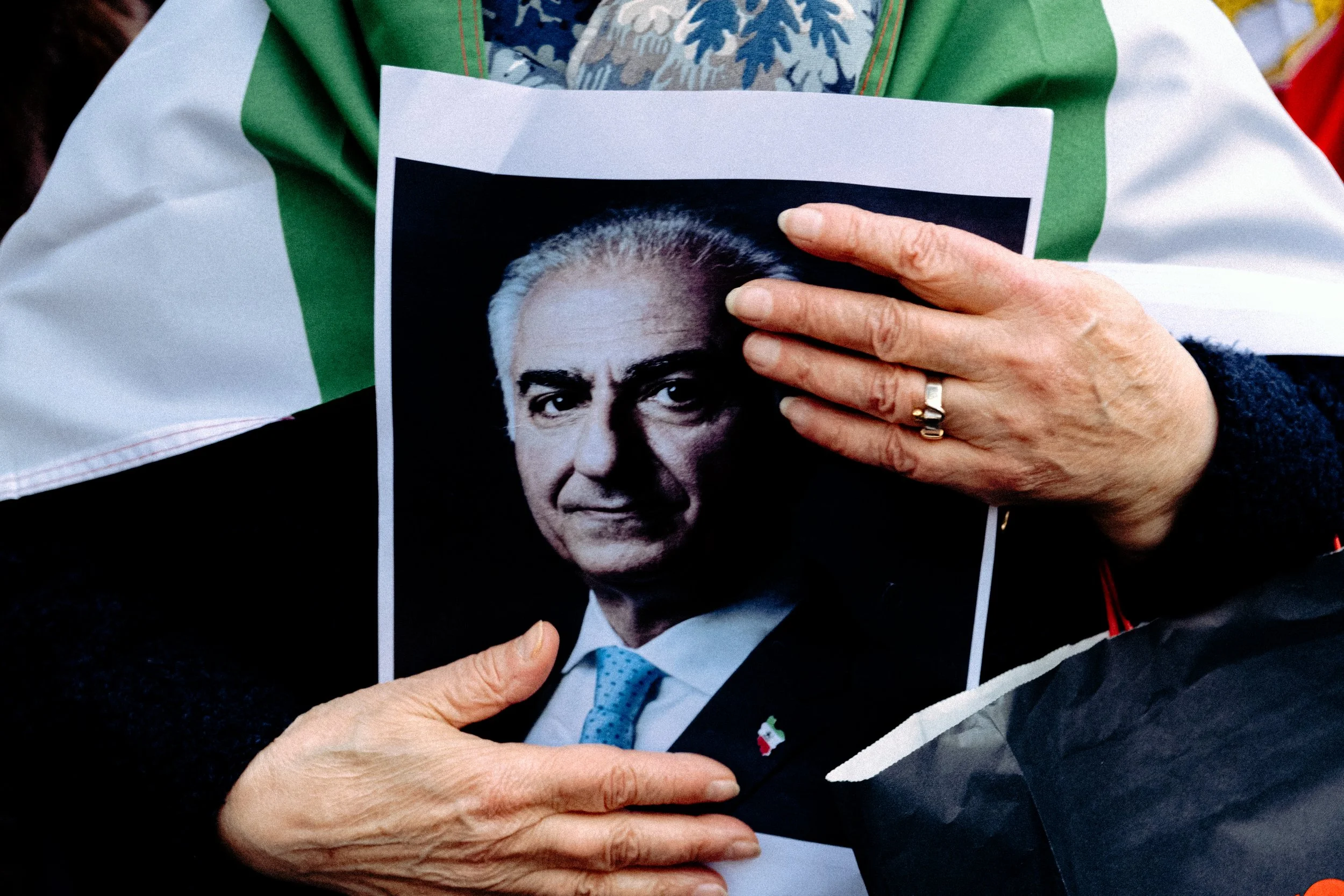
Being able to instantly decide whether I want to represent a scene through a wider perspective or isolate details with a tighter framing is something I now find invaluable.
Yes, the lens is bulkier.
Yes, it’s more noticeable.
But paradoxically, it also simplified my entire setup while travelling.
I no longer have to ask myself:
“Should I bring the 28mm today? The 50? The 75?”
Now I have everything in one single solution.
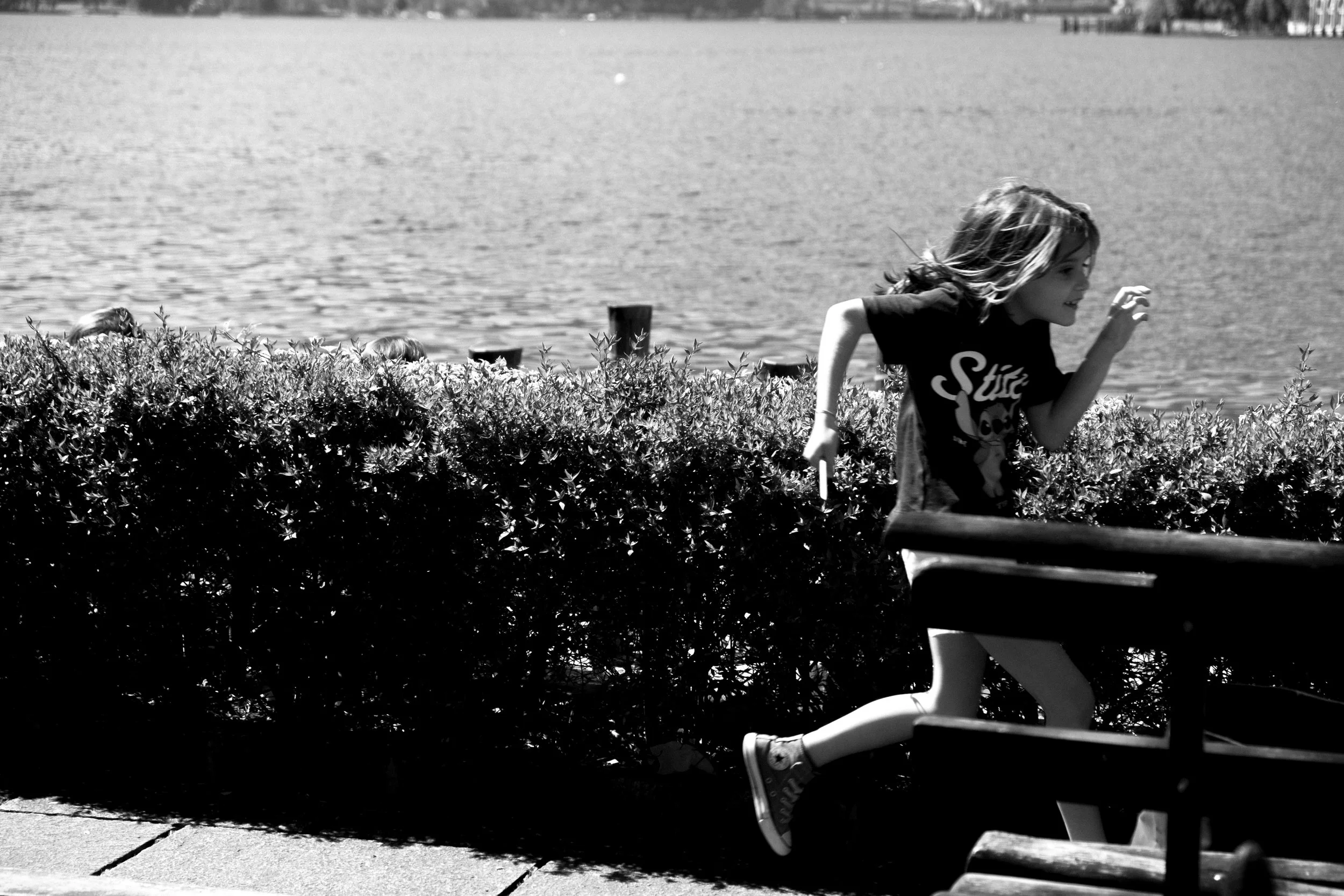
Two extra lenses
Super Takumar 28mm f/3.5 (40mm equivalent)
The first honorable mention goes to two vintage lenses I bought while staying in Bangkok.
The first one is the Super Takumar 28mm, which becomes roughly a 40mm equivalent on APS-C.
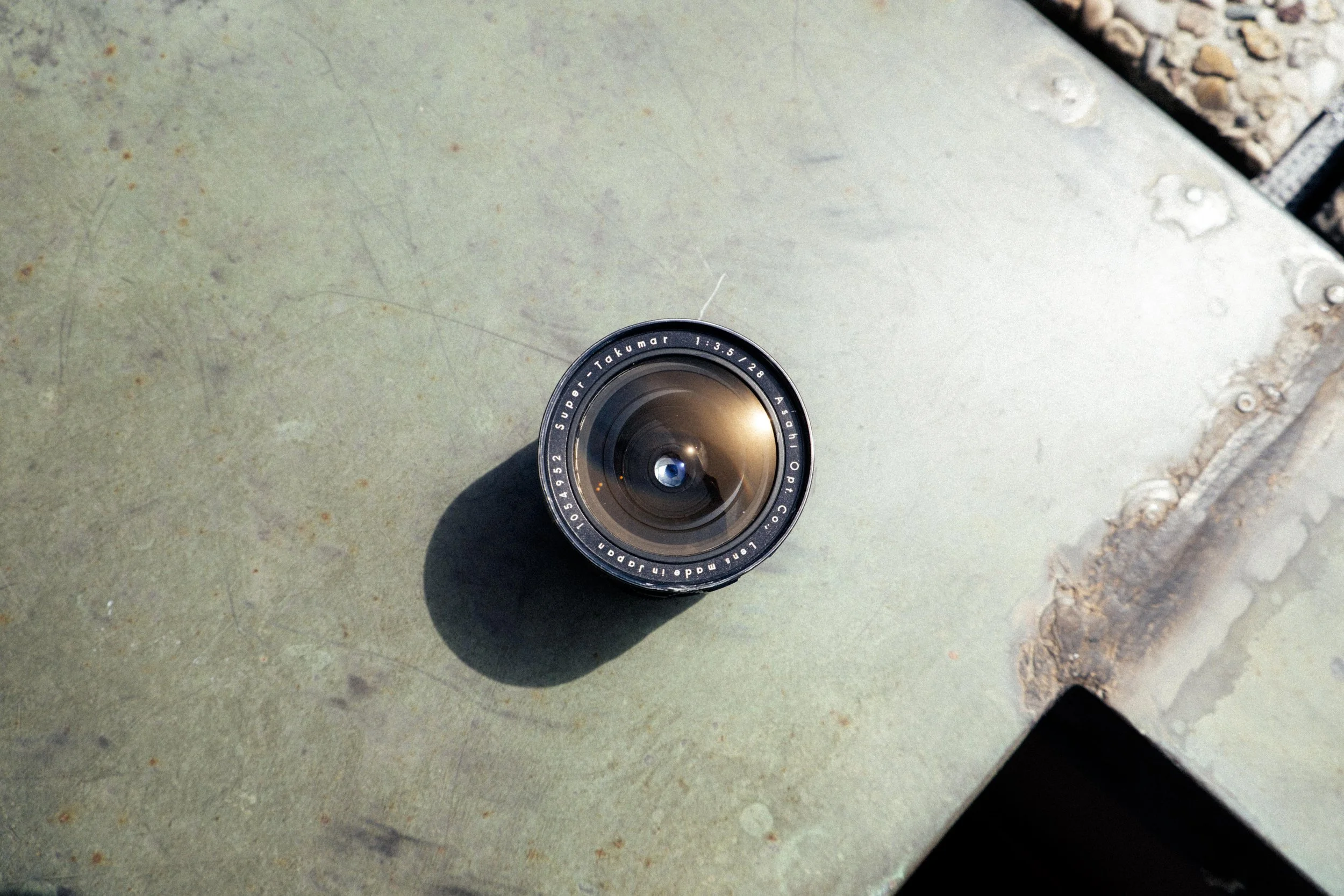
At the time I bought it, I still didn’t own a zoom lens, and among all the focal lengths I had available, I was missing a 40mm.
Yet it was the focal length that intrigued me the most.
The 28mm sometimes felt too wide.
The 35mm didn’t fully convince me.
The 40mm instead felt like the closest thing possible to the 50mm I loved, while still allowing me to include slightly more of the surrounding environment.
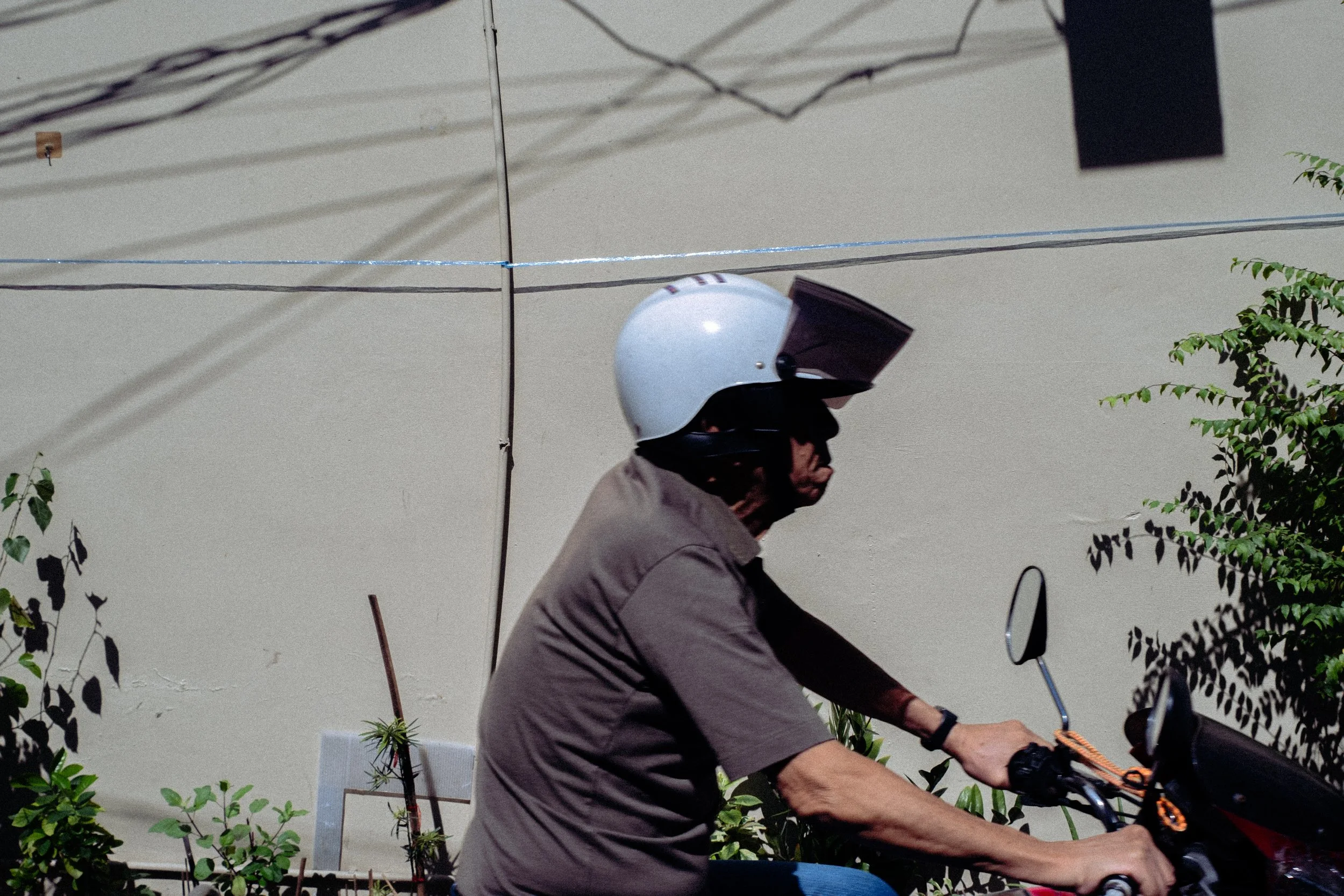
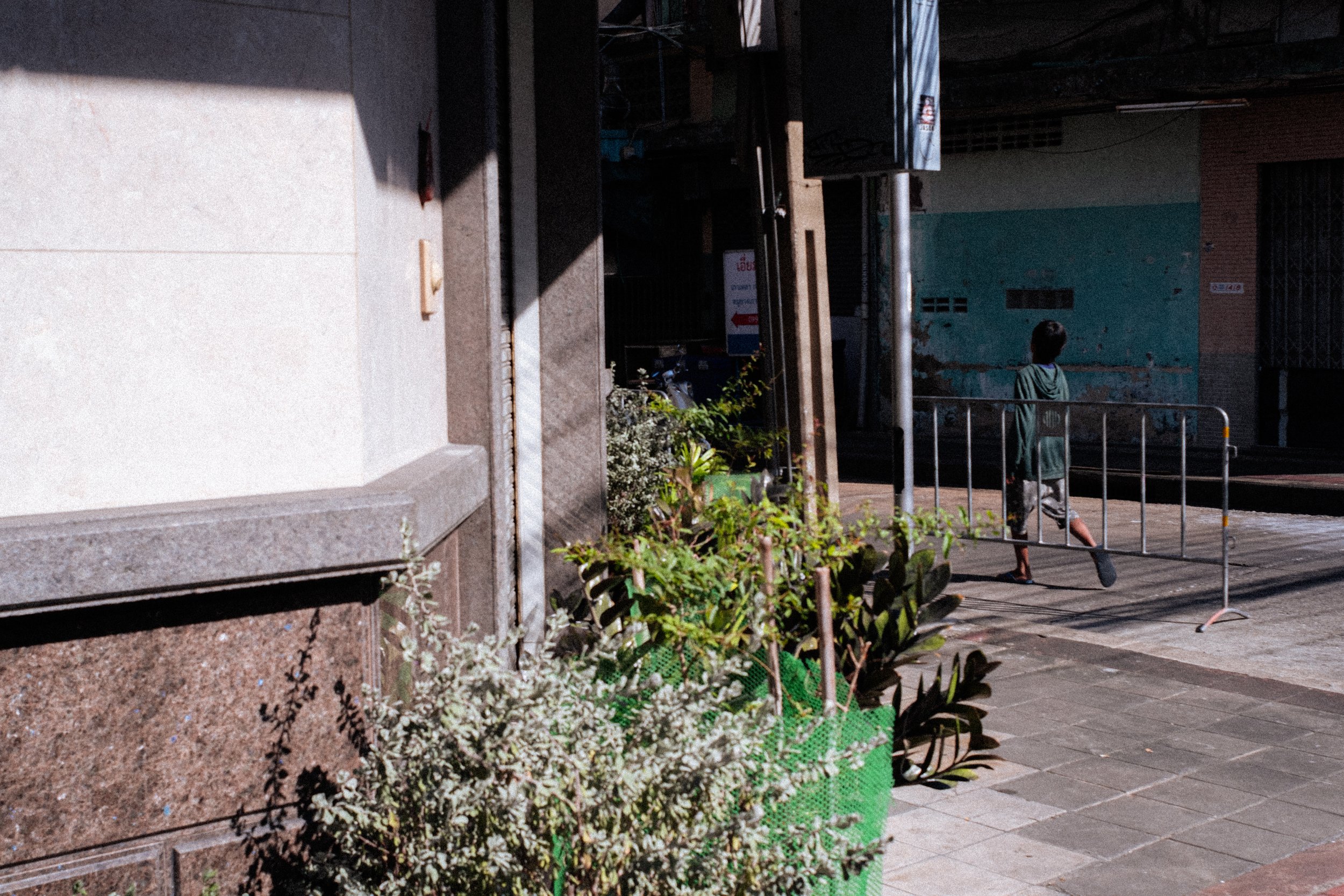
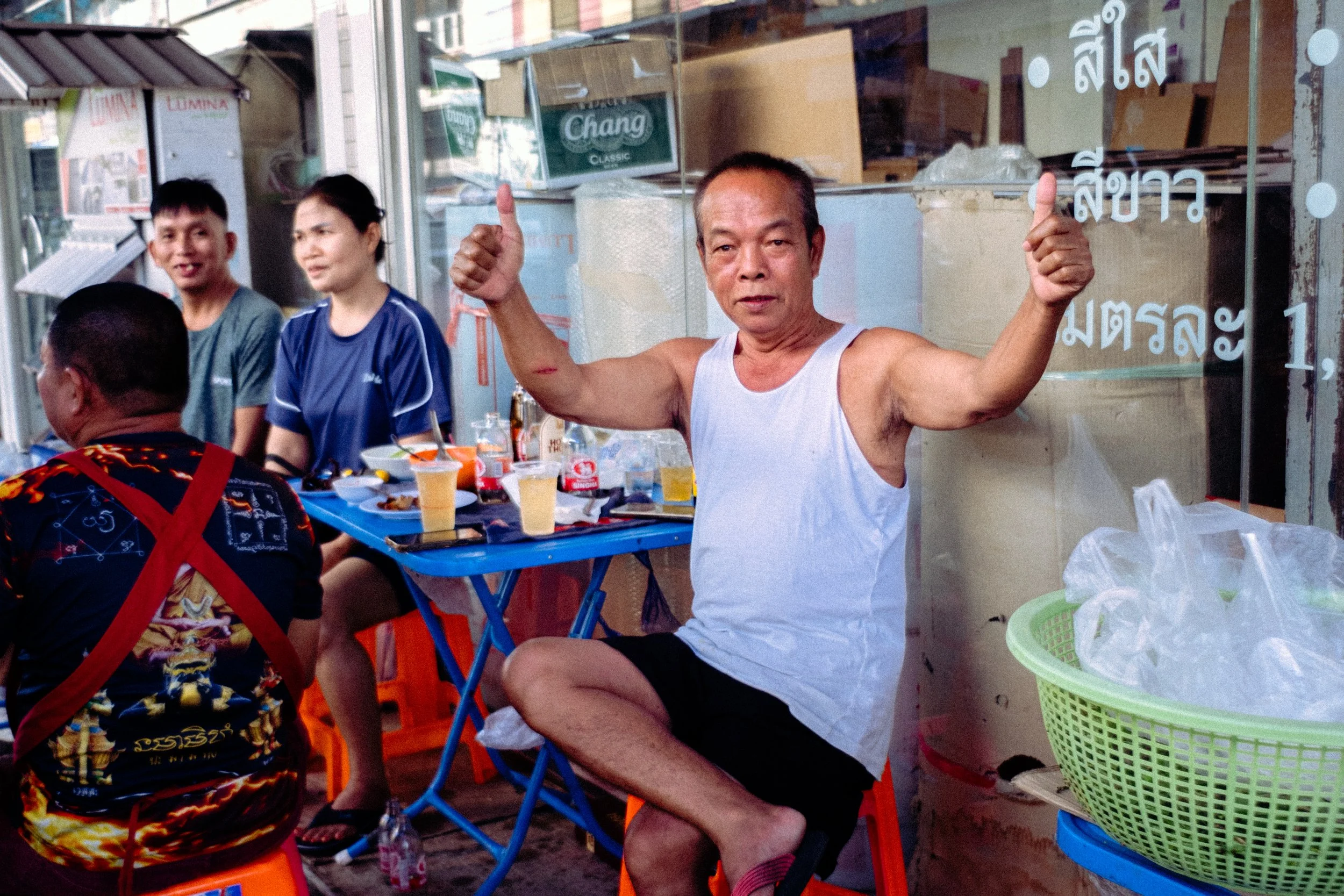
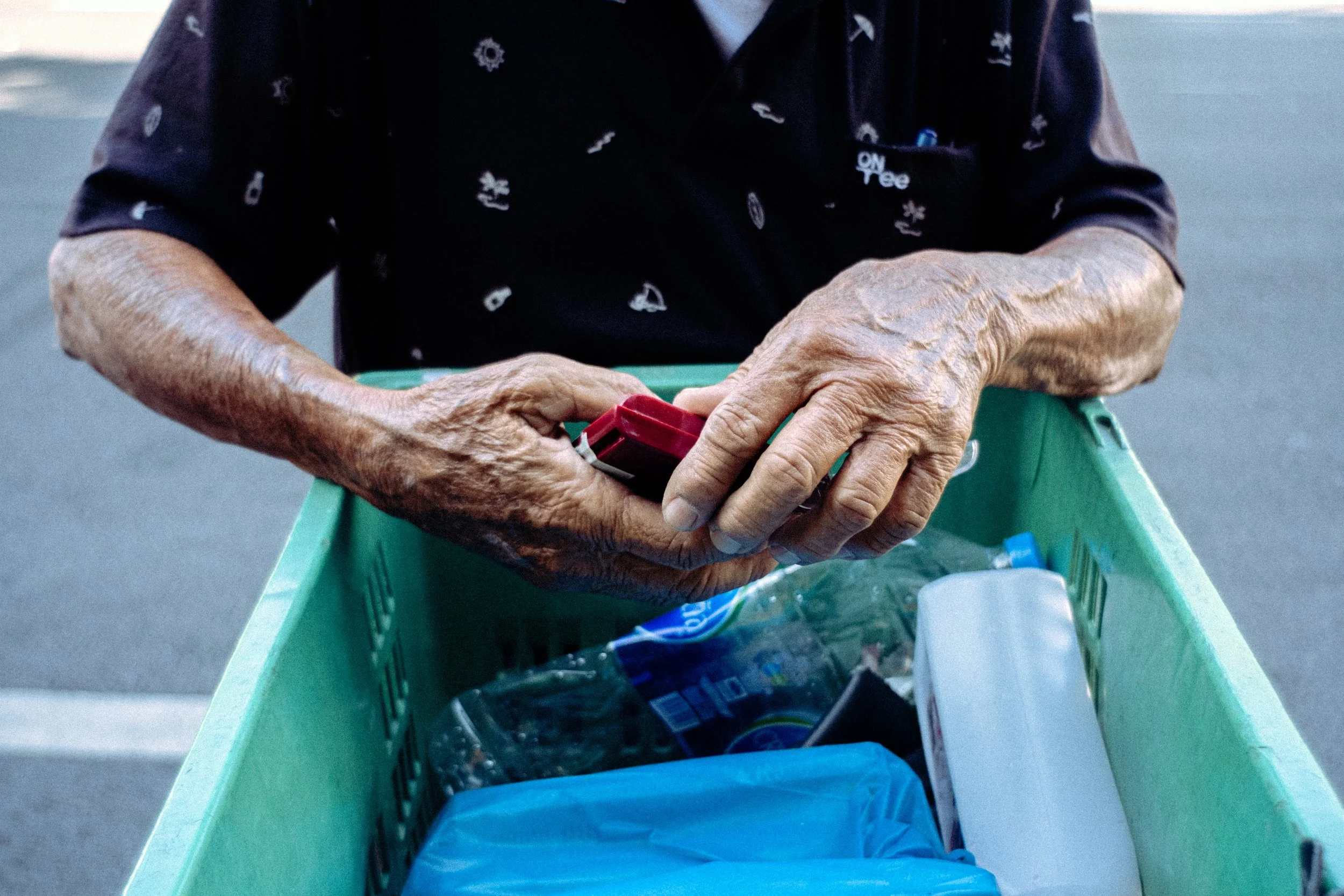
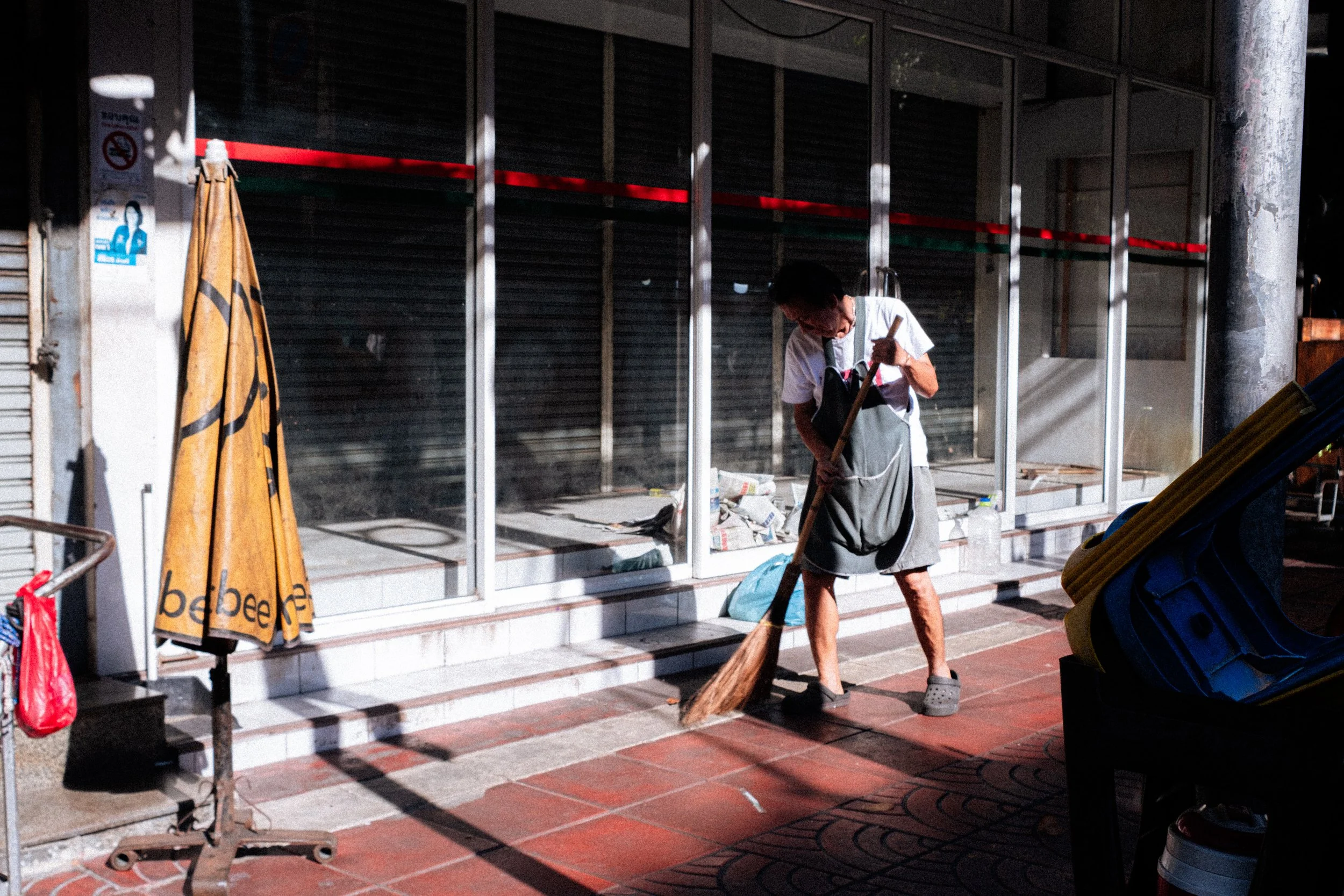
This lens is around 50 or 60 years old, and simply holding it in your hands makes you realise it was built to survive another 50 or 60 years.
I won’t get lost in technical details, but it’s an incredibly solid lens with fantastic rendering. Very sharp, very contrasty and genuinely enjoyable to use.
Highly recommended if you enjoy this focal length.
Helios 44M 58mm f/2 (90mm equivalent)
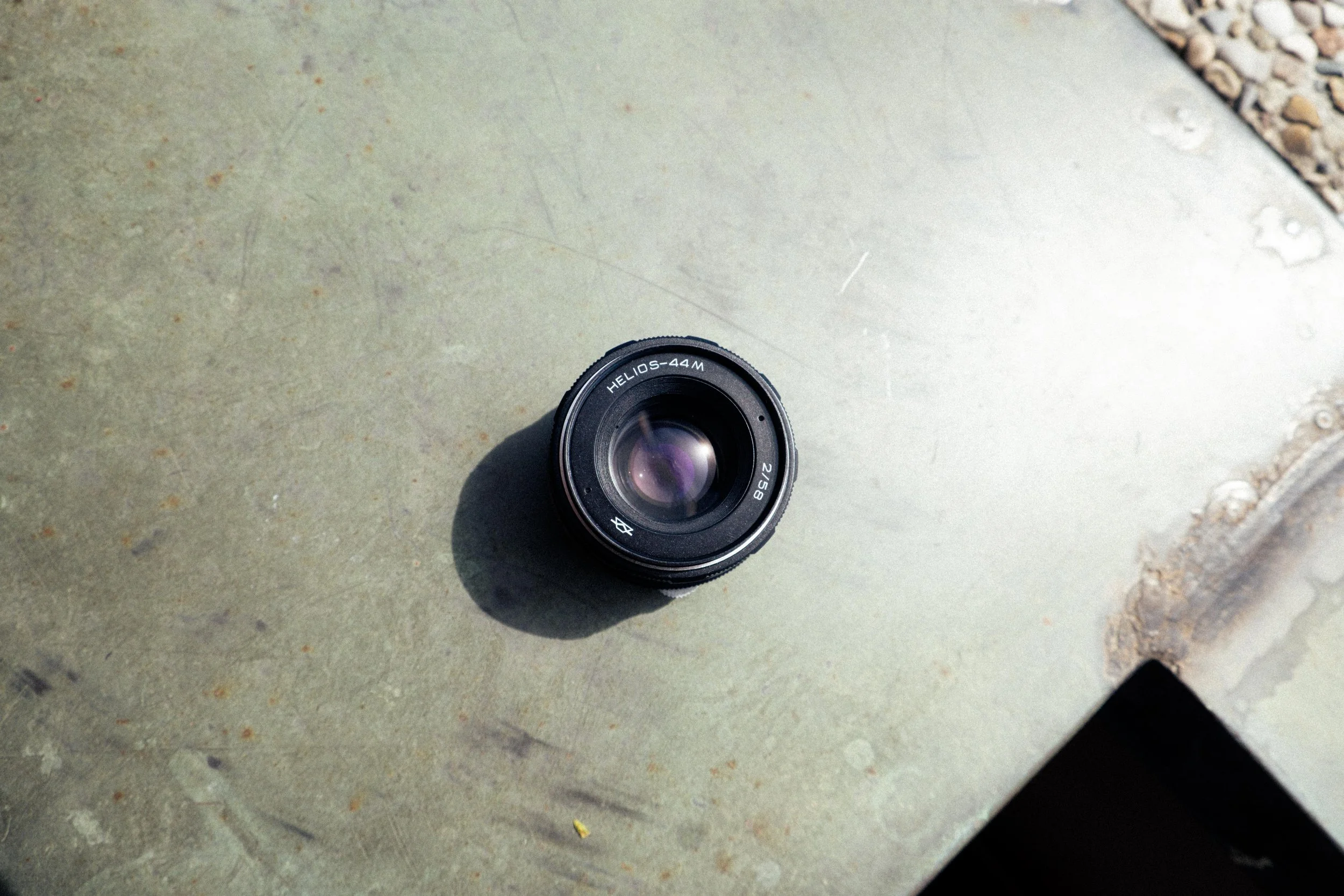
The second honorable mention goes to the Helios 44M 58mm.
Over time, I found myself getting more and more attracted to tighter focal lengths. Maybe my approach simply changed after weeks spent inside the chaos of Asia.
At some point, while in Bangkok, I decided I had to buy this lens.
It’s solid, heavy, and famous for its swirly bokeh.
Honestly, I don’t care that much about technical quirks or vintage hype. I simply wanted something even tighter than my 75mm equivalent for a more extreme approach.
And after doing some research, this was one of the most recommended vintage lenses I kept seeing everywhere.
Turns out… for good reason.
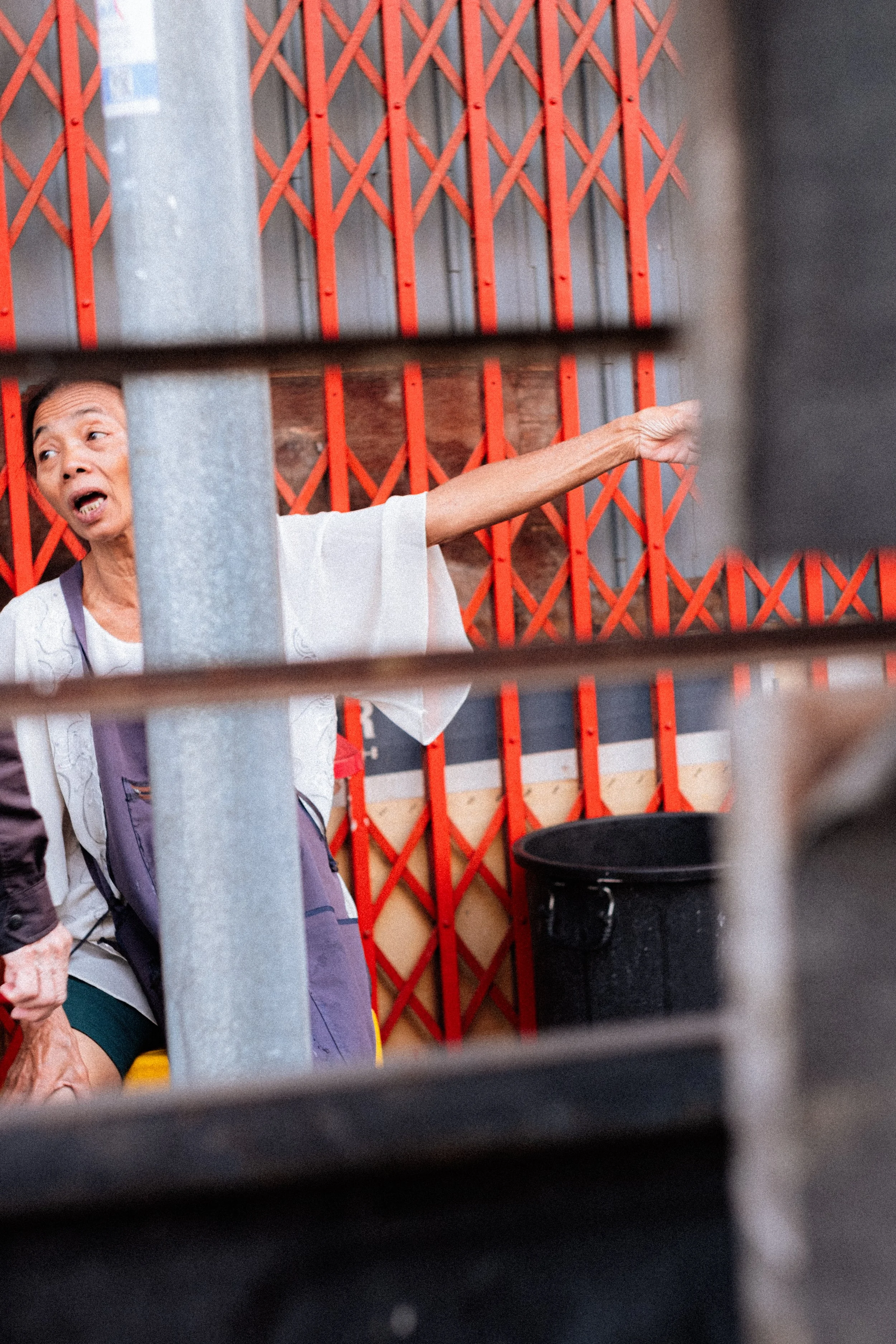
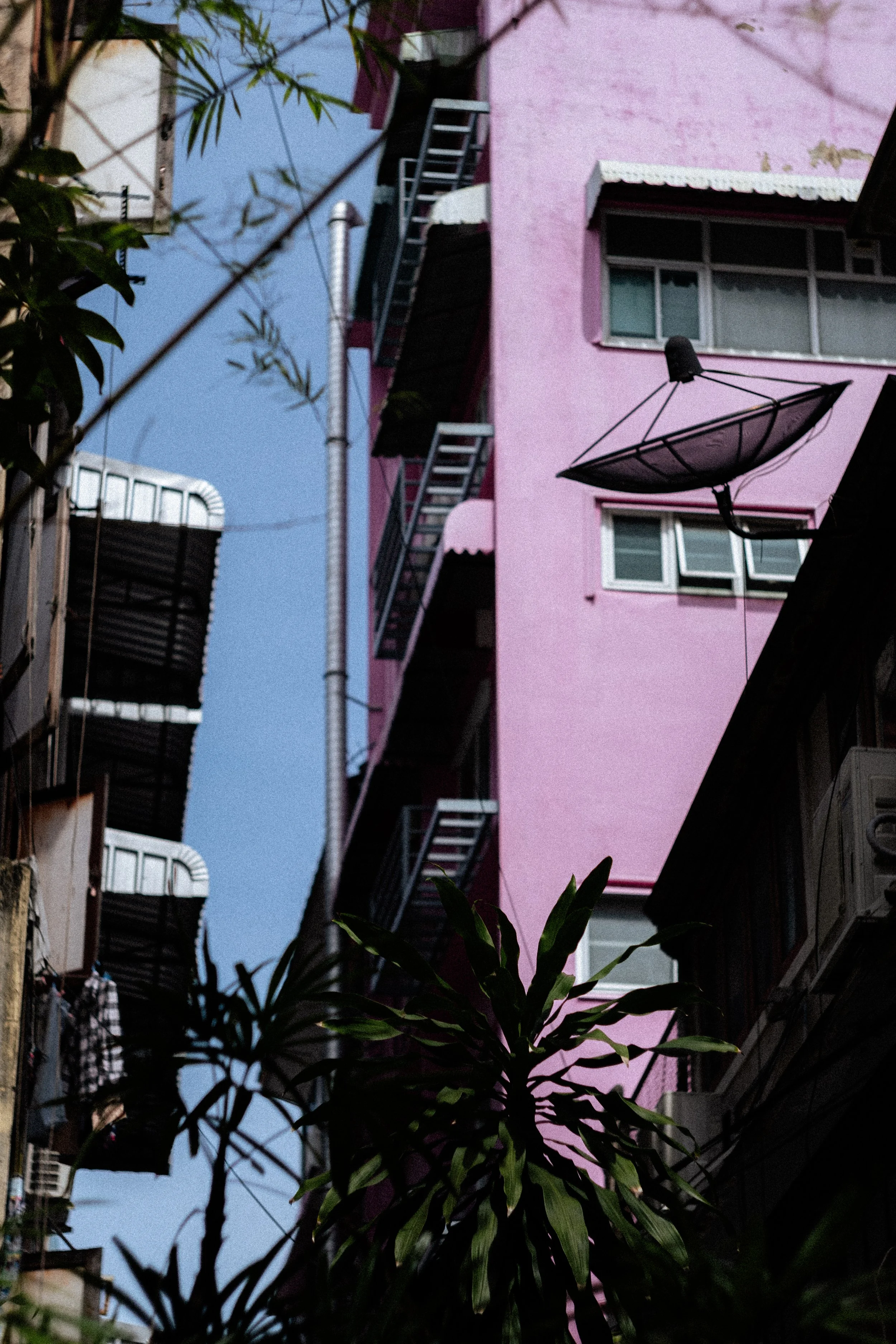
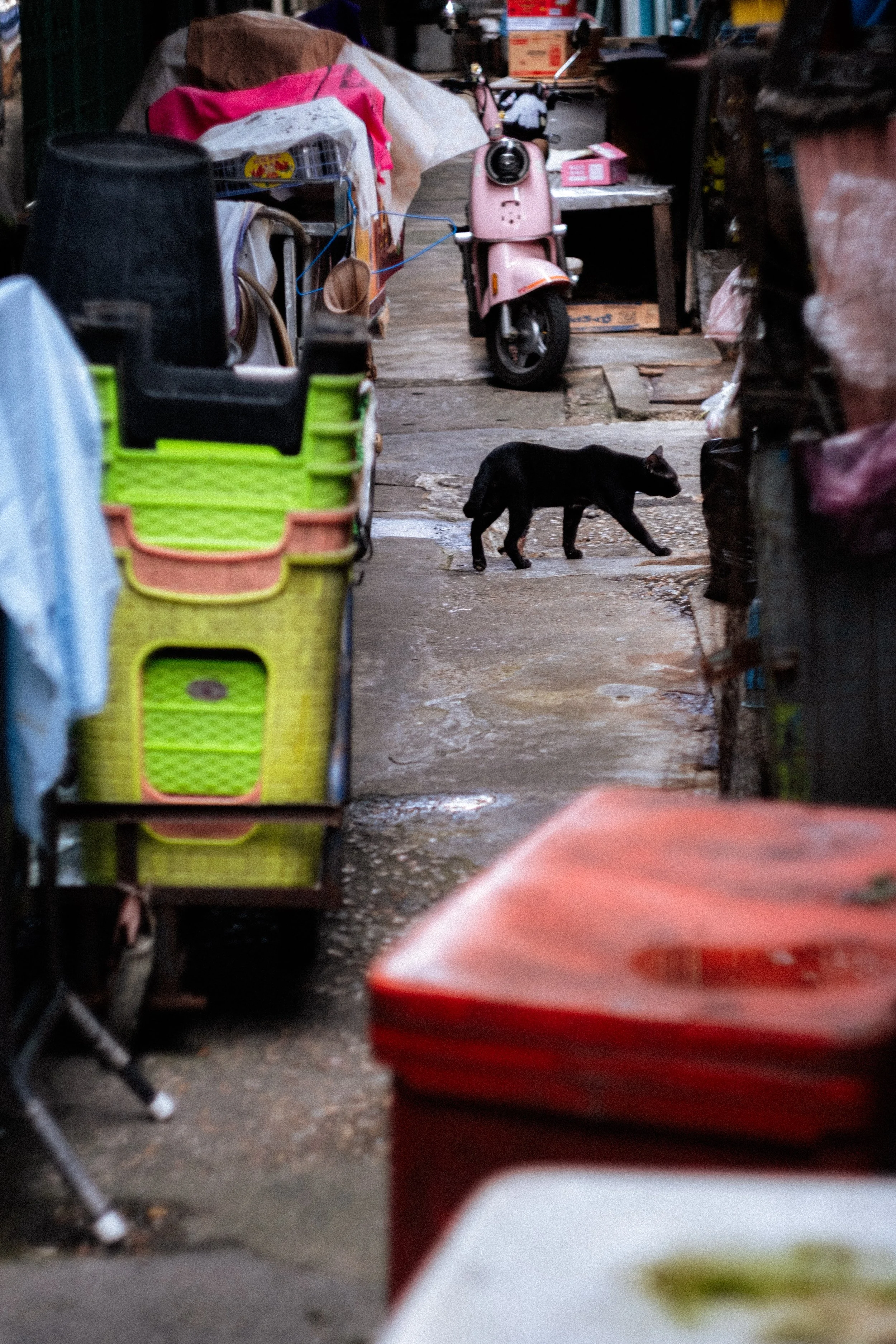
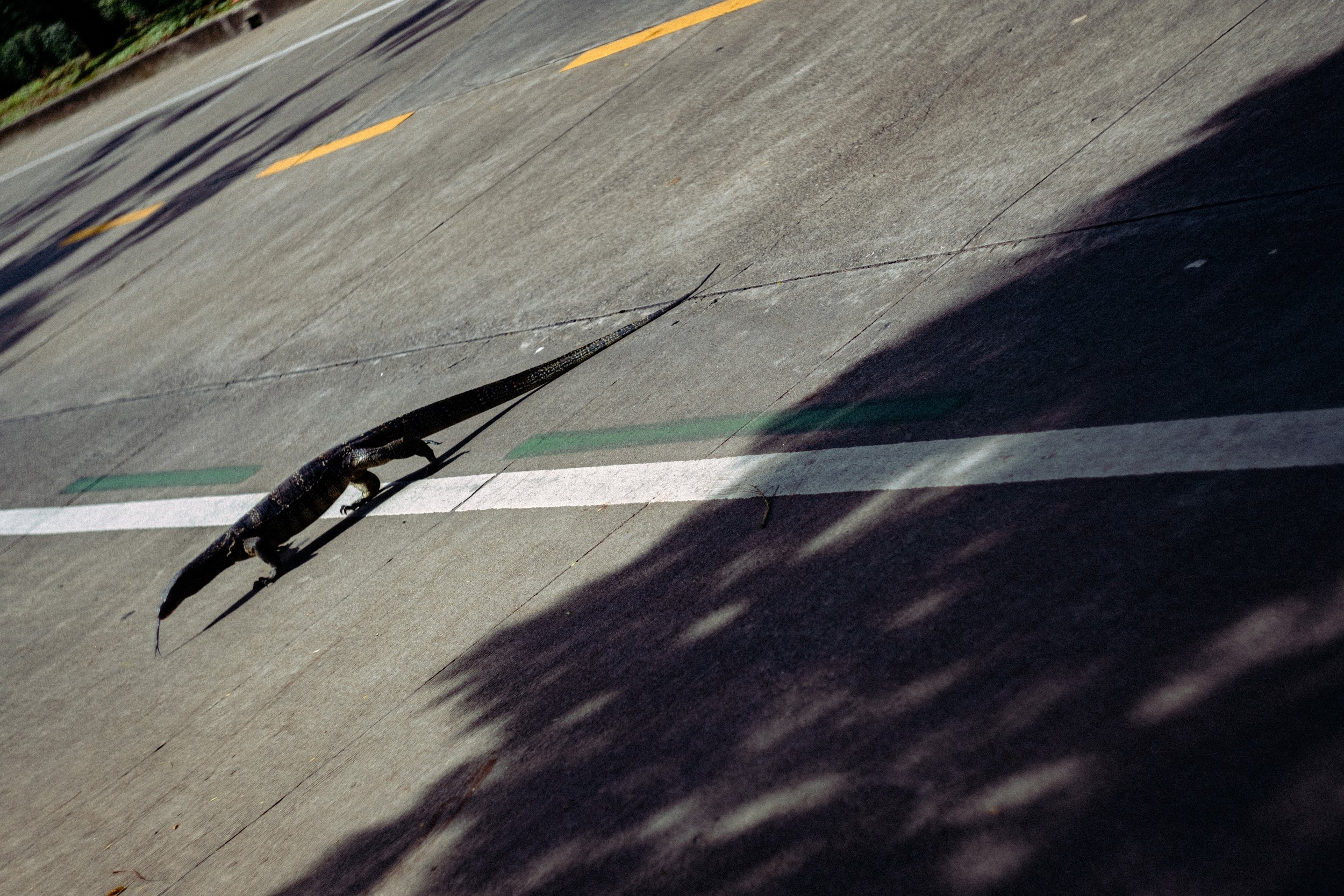
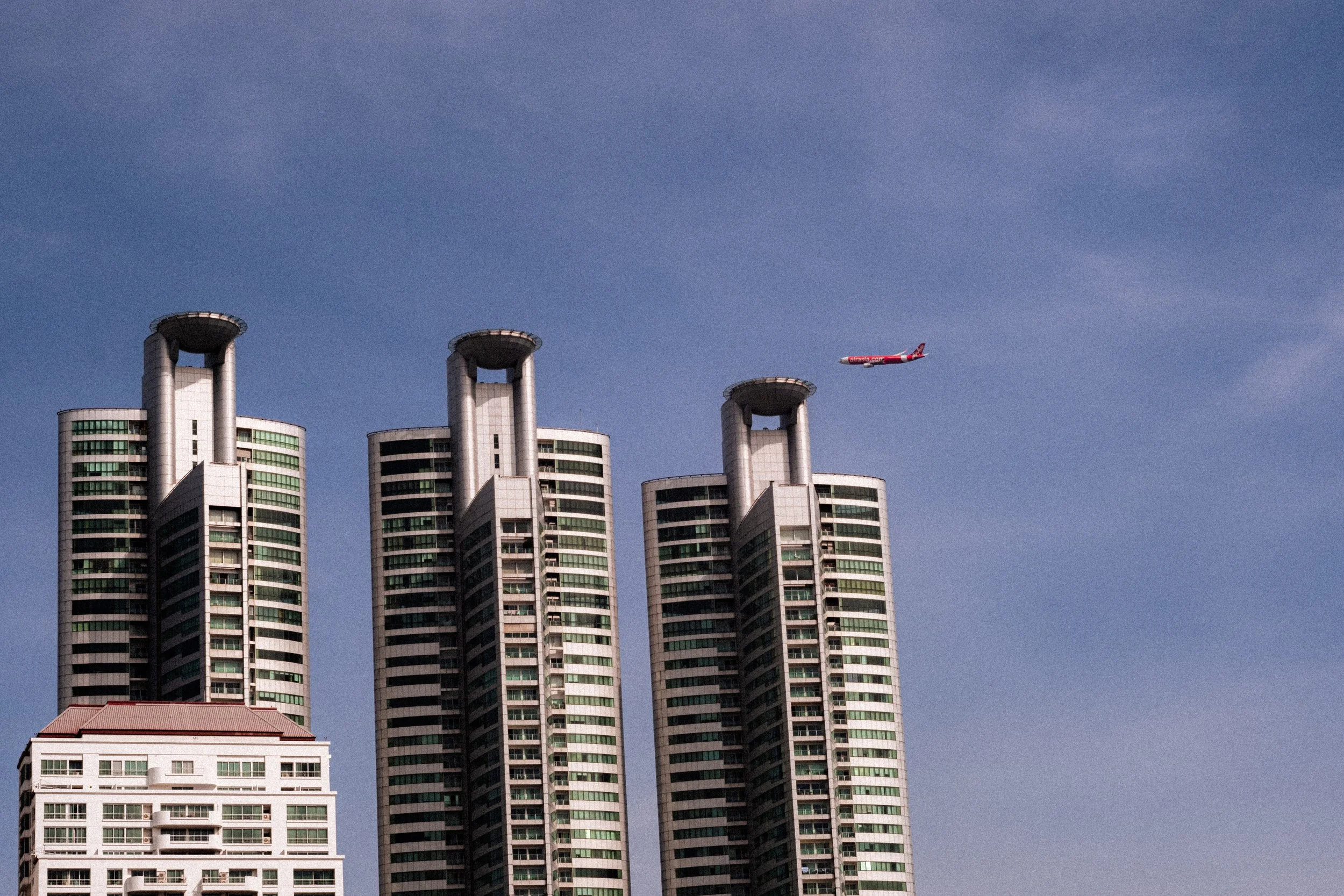
The first impact wasn’t easy at all, but I adapted to it much faster than I expected, especially in tight and chaotic environments like Bangkok’s Chinatown.
And in the end, it became an incredibly fun lens to use.
If you enjoy tighter focal lengths, I genuinely think you should consider it.
Sling Bag
As mentioned in the introduction, I already wrote dedicated blogs regarding the accessories I use for each camera body, such as straps, soft shutter buttons, ND filters, lens hoods and so on.
But there’s one extra accessory I absolutely need to mention because it’s what actually allows me to carry everything listed above:
This sling bag.
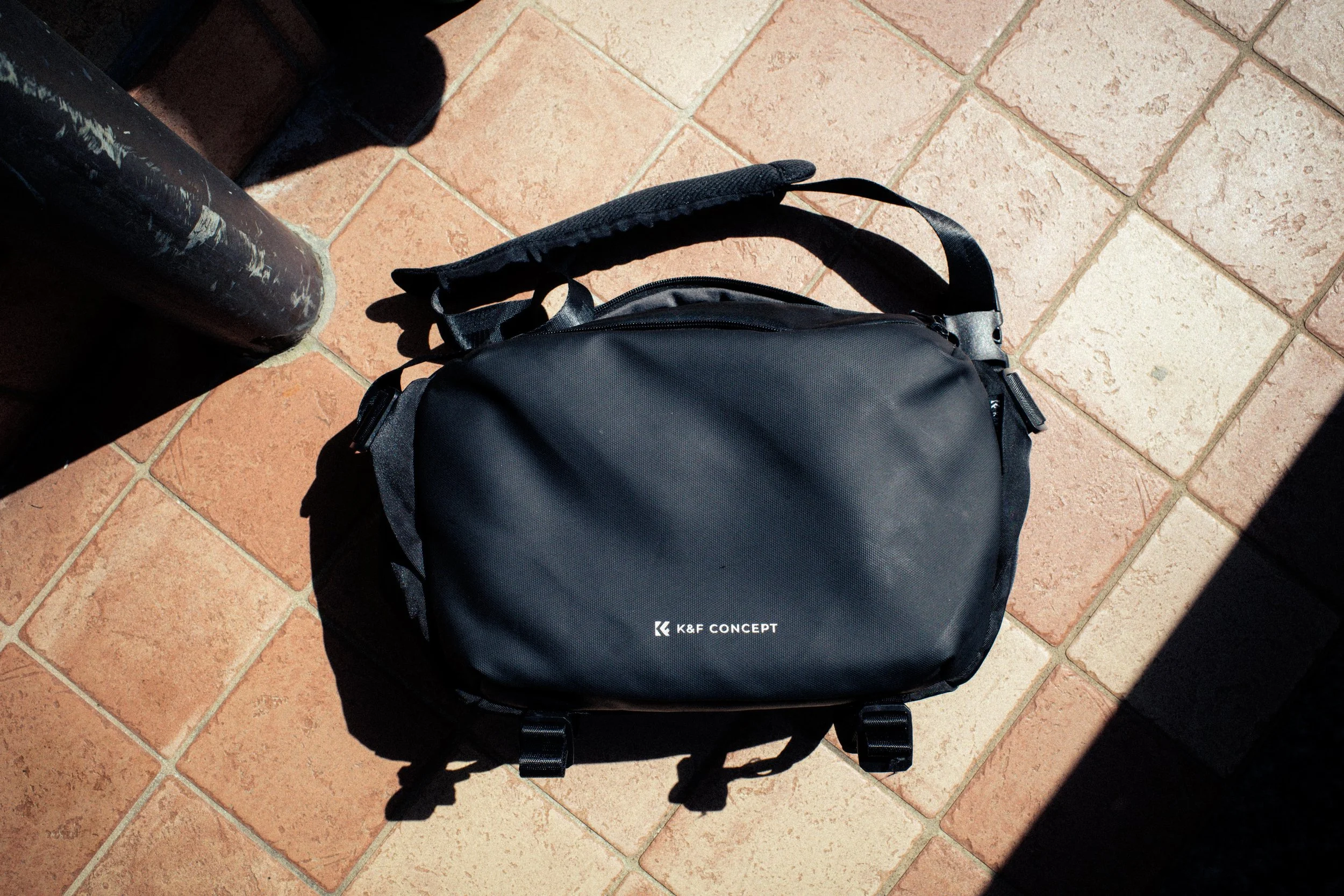
The sling bag I use → AMAZON
Truthfully, I know absolutely nothing about sling bags or photography backpacks. I simply chose what seemed to be the best compromise between quality and price.
At first, I bought the “Medium” size of it, but it quickly became too small for the amount of gear I wanted to carry.
So I switched to the Large version.
Inside it, I can comfortably fit:
Two camera bodies with attached lenses
One extra lens
Batteries
SD cards
Power banks
Various accessories
And despite that, externally it still doesn’t look excessively large or uncomfortable to carry around.
For the kind of street photography and travelling I do, it works perfectly.
Final Thoughts
That’s pretty much the complete overview of the gear I currently use.
Of course, setups change over time. Interests change. Approaches evolve.
But right now, this is the equipment that accompanies me through most of my photography sessions and travels.
For a complete list of everything I use, visit the “Gear” page on my website. Thanks!
This blog will always remain ad-free.
If you enjoy my blog and would like to support my work, consider leaving a tip or visiting my shop, where you'll find my personal Lightroom presets, zines & camera guides.
Every bit of support goes directly back into creating new photography content, including YouTube videos, blog posts, camera guides, and, of course, more presets and zines, with the occasional freebie for everyone along the way.
Thank you for reading. <3
I created this guide to share my personal approach to street photography with the Fujifilm X-E4, breaking down the essence of how I use this camera and showing the settings that I consider truly essential, as well as the ones I believe can be ignored in order to achieve a faster, simpler and more intuitive shooting experience.
This was my first Fujifilm camera, and probably the only one I will never get rid of. I have dedicated a video and a blog post to explaining why, as well as another video and blog post where I go through the accessories that made this camera so versatile that it became the only Fujifilm camera that has truly convinced me so far.
Before we begin, there is something important to clarify.
This is not meant to be a complete Fujifilm X-E4 manual.
The settings I will show you are not necessarily the ones that will perfectly match your style, habits, or creative process.
They are simply the choices that, after spending a significant amount of time with this camera, have become essential to my own workflow.
Think of this as a personal recipe rather than a universal instruction manual.
Take what works for you, ignore what does not.
⚠️ As this is a digital product, refunds are not available. However, if you have any questions or experience any issues with your purchase, feel free to email me at karisma.business.inquiries@gmail.com. I'll get back to you as soon as possible!
🌱 Thank you for considering a purchase. Every bit of support goes directly back into creating new photography content, including YouTube videos, blog posts, camera guides, and, of course, more presets and zines, with the occasional freebie for everyone along the way.
I genuinely appreciate your support. Thank you for being part of the journey.