Why I Love the 75mm Focal Length for Street Photography
Premise!
I’m writing this blog because the more I read and watch videos about this focal length, the more I hear the same thing: “the 75mm isn’t suited for street photography.”
So, to prove the exact opposite, I spent a full day shooting in three different environments: one almost empty, one moderately busy, and one heavily crowded.
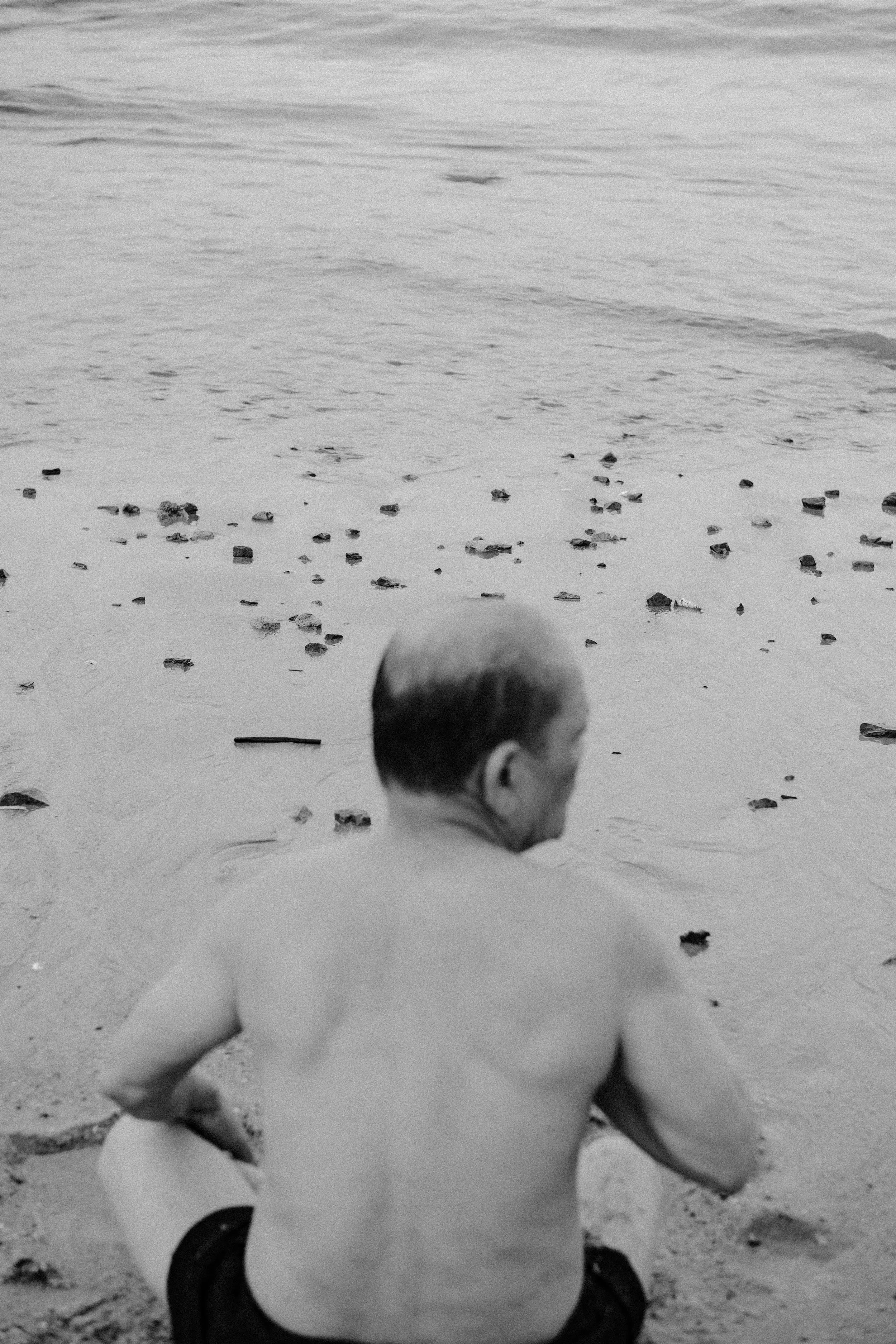
(there are no) Critics
Let’s start from the most common criticism.
People often say that the 75mm slows you down.
And… so what?
Slowing down isn’t a bad thing.
If anything, it raises a better question: are we chasing photos, or are we actually living them? Do we really need to rush, even when we consciously choose a more thoughtful approach?
The 75mm is a more cerebral lens. It’s not made for “spray-and-pray” or shooting from the hip.
It rewards intention.
And it works in street photography just as much as a 28mm does, it all comes down to how you approach the scene.
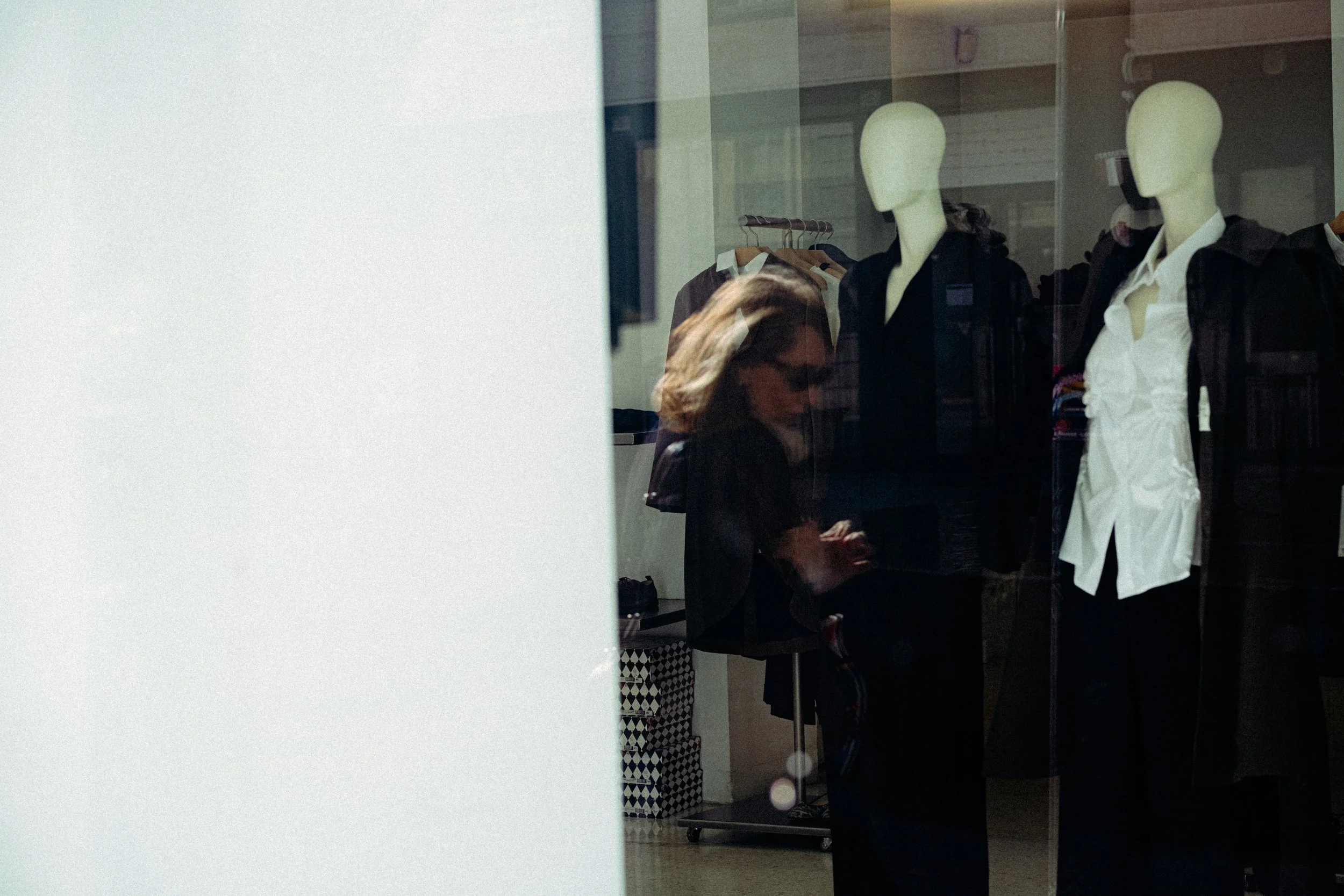
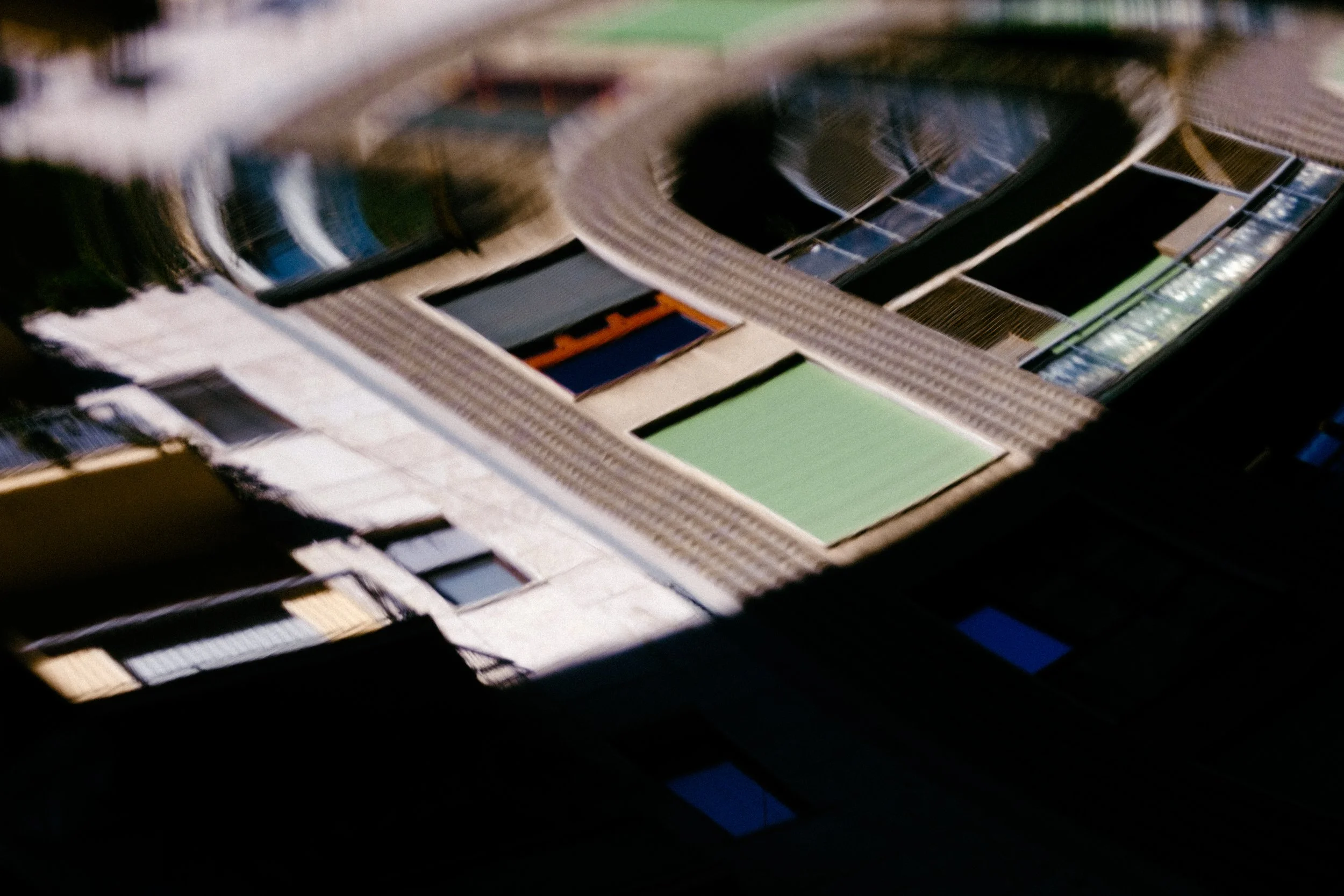

Pro #1: Distance = Discretion
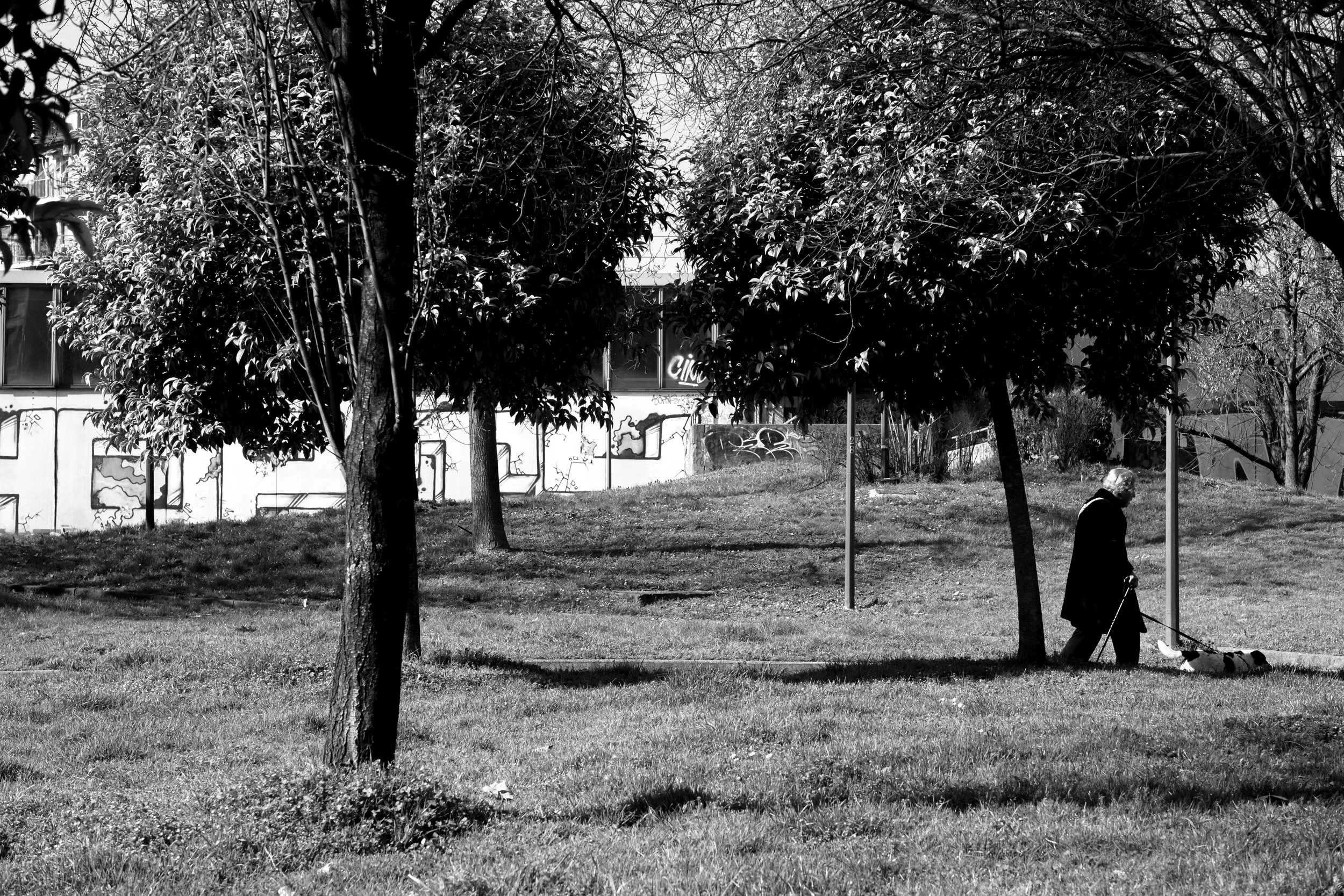
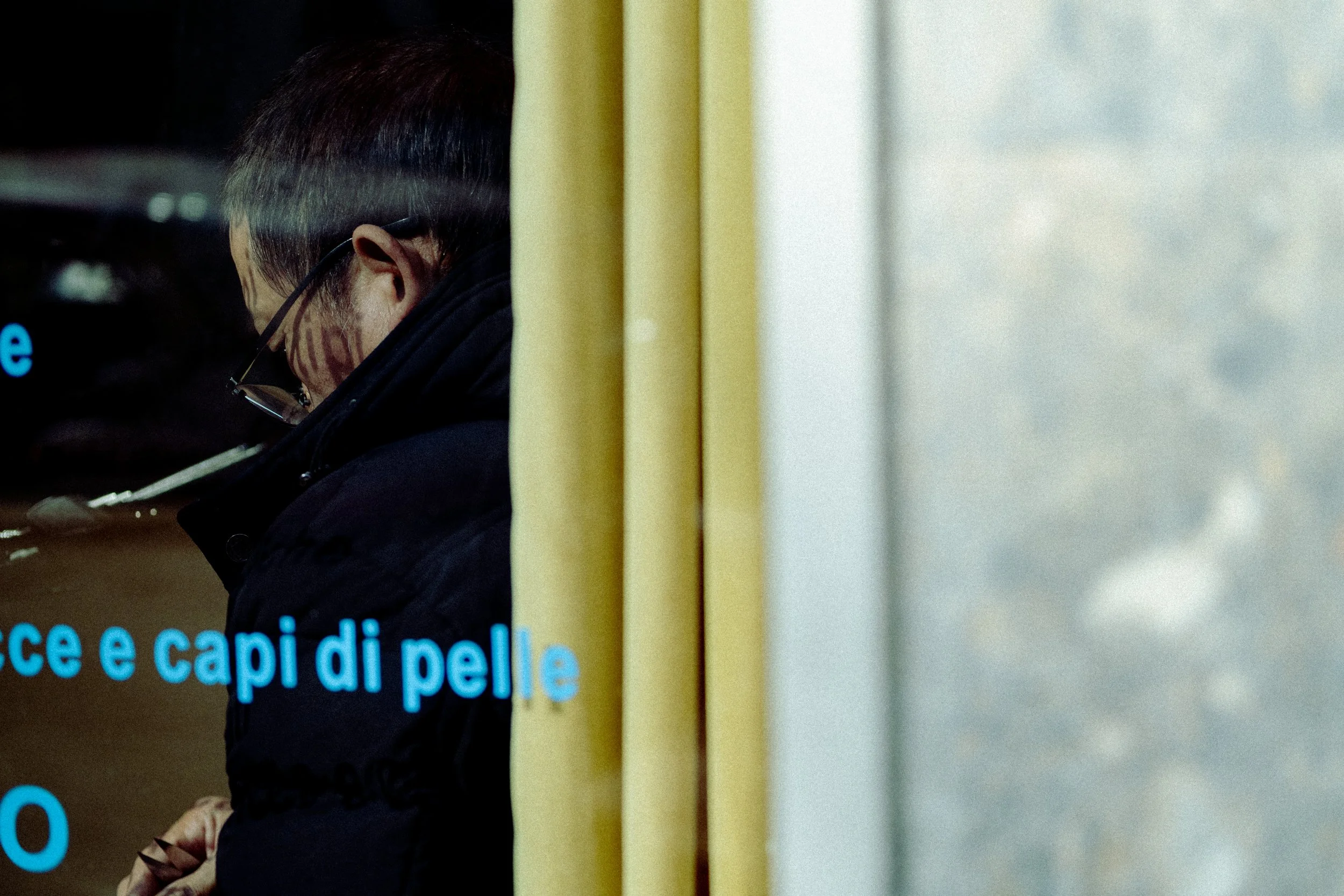
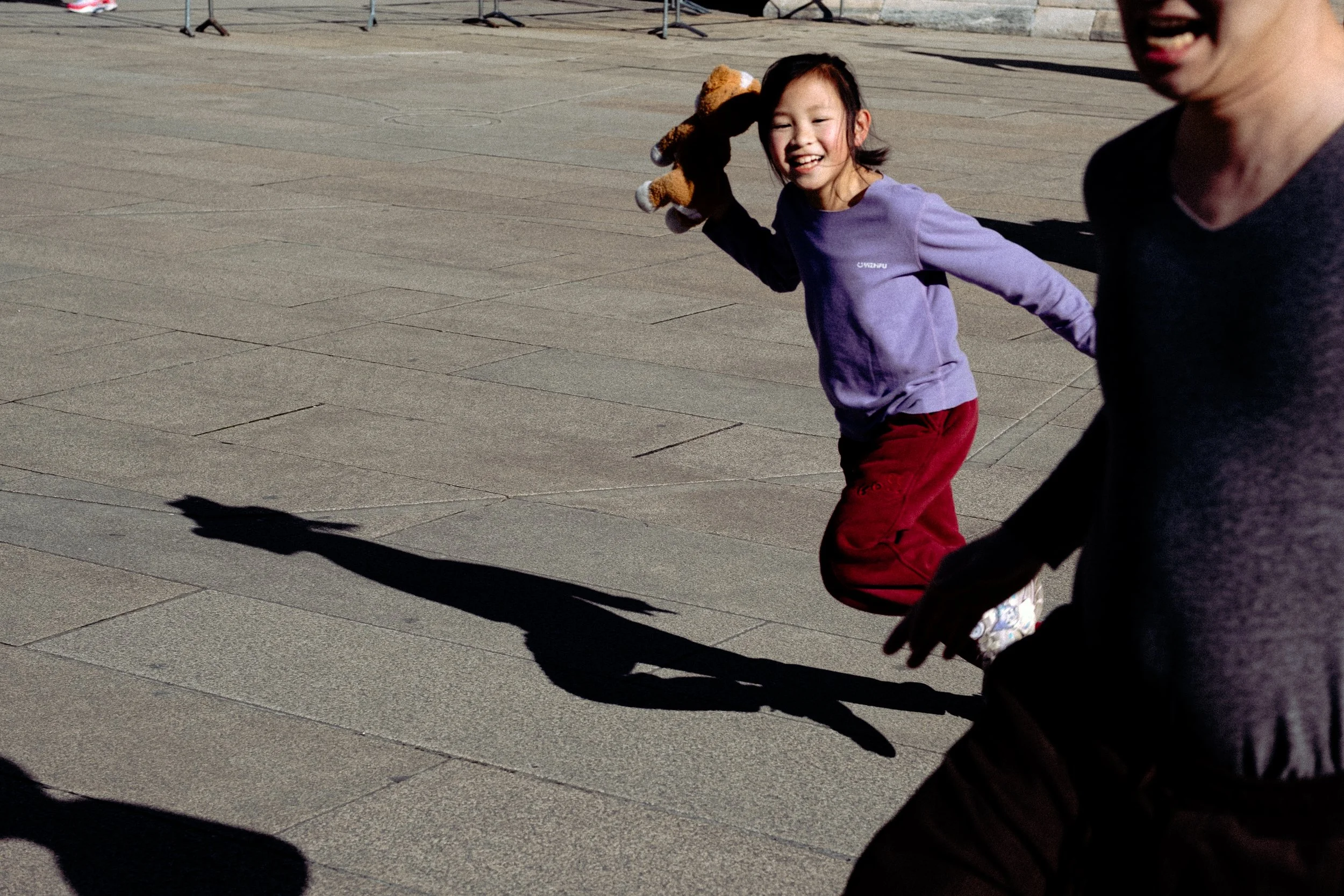
One of the first advantages you’ll notice is how much space it gives you.
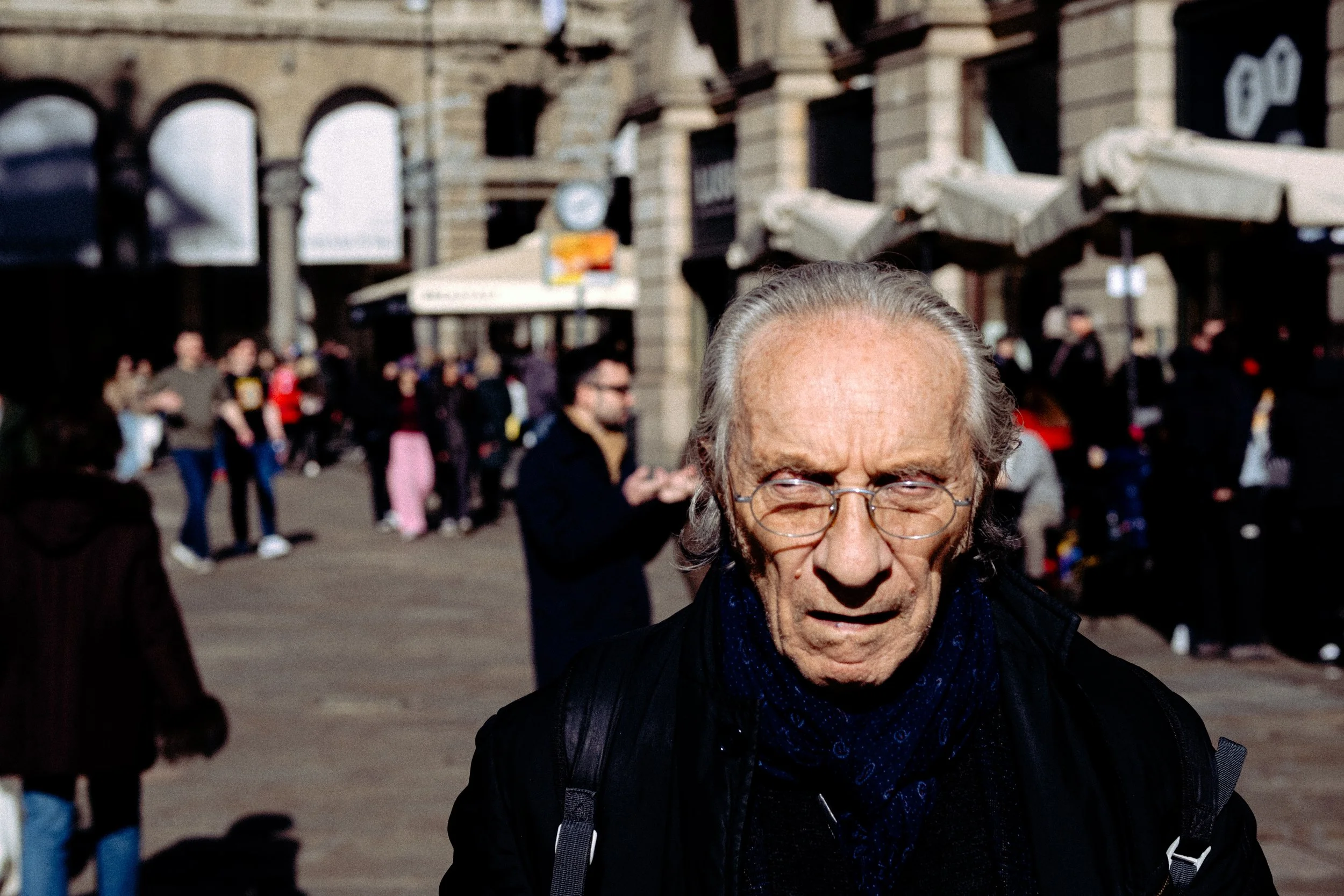
If you’re the kind of photographer who feels uneasy about getting too close to subjects, this lens changes everything. You can take a few steps back, 2, 3, even 5, and suddenly you’re far less noticeable.
You become, if not invisible, at least less intrusive.
That alone can completely change how you experience street photography.
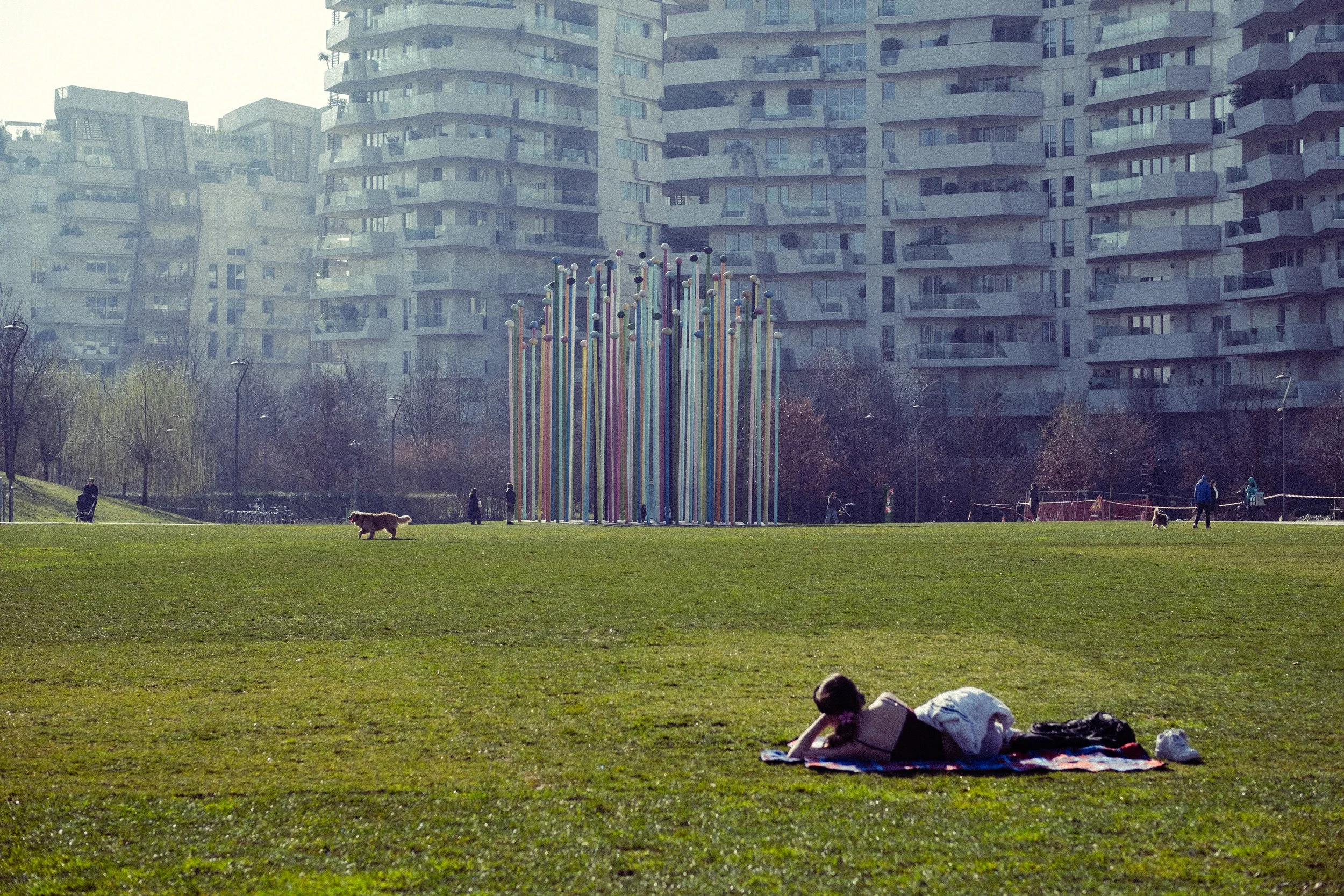
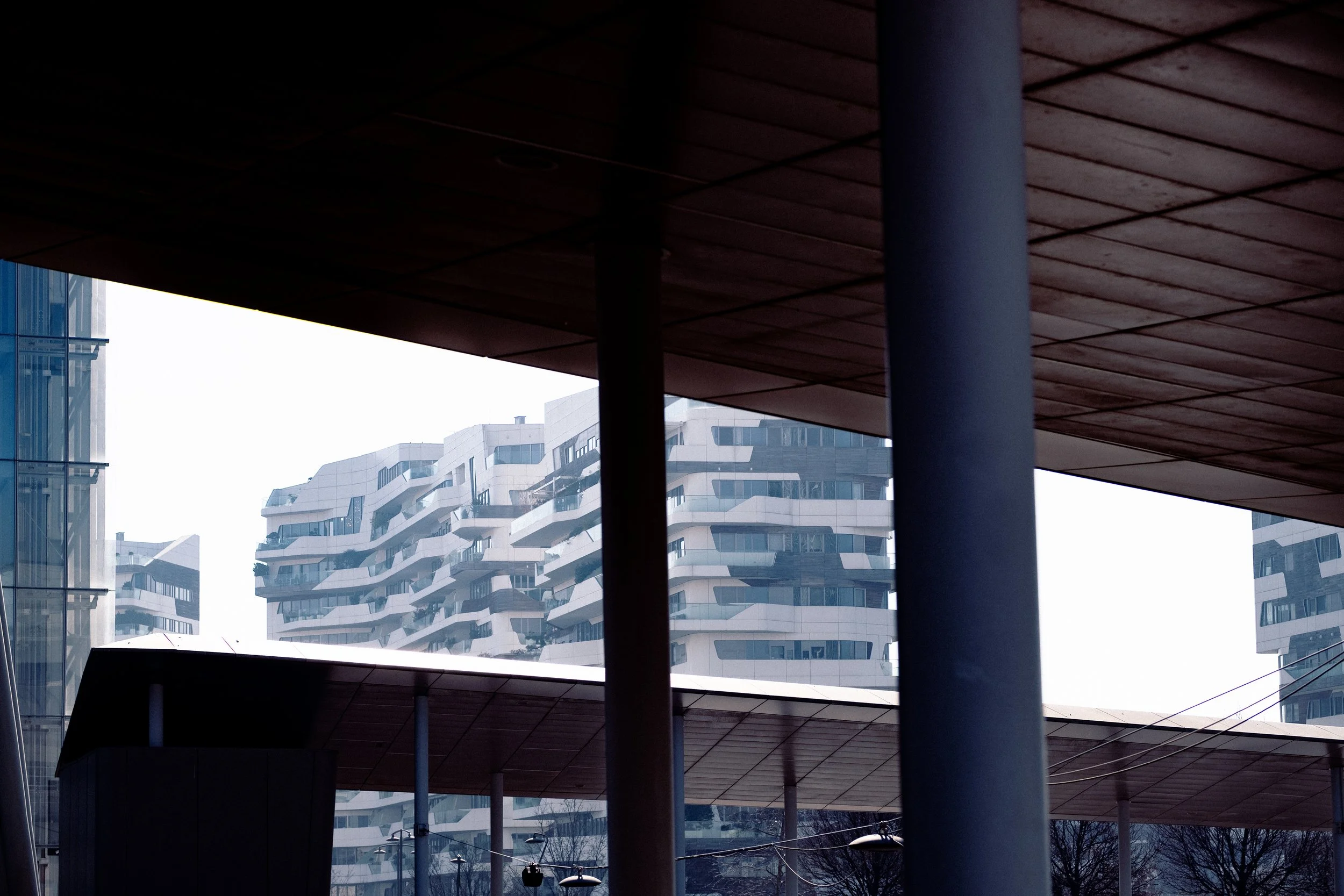
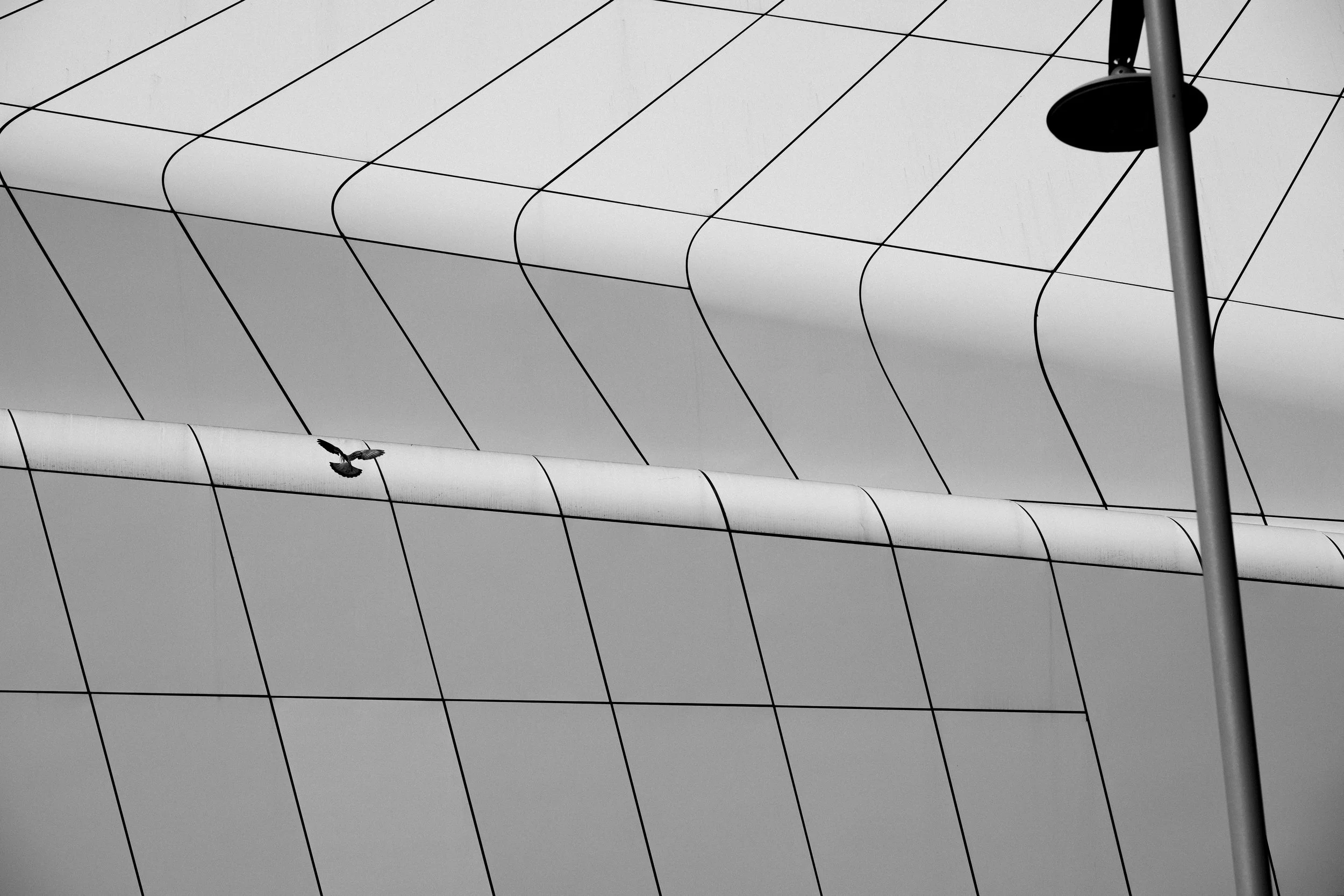
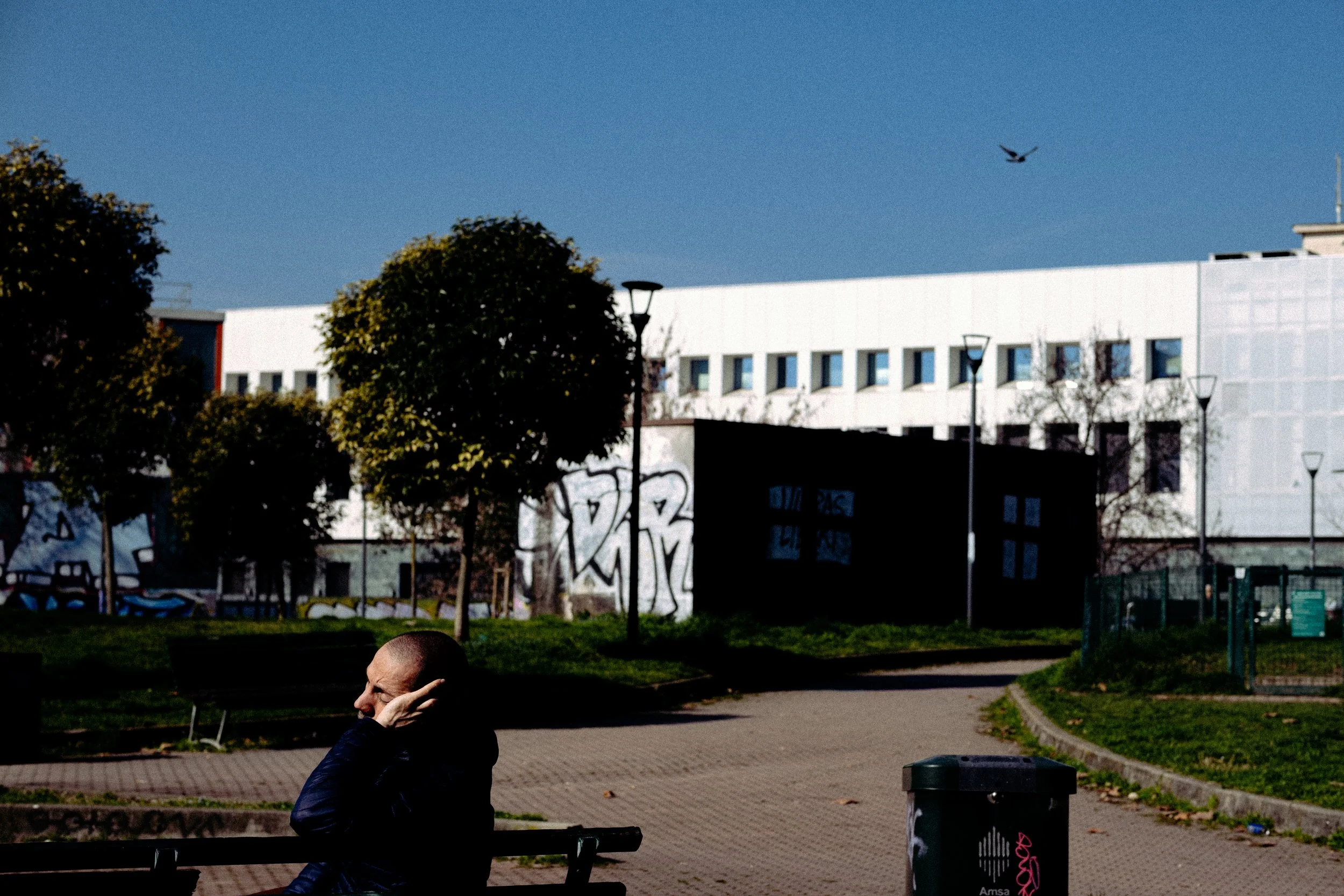
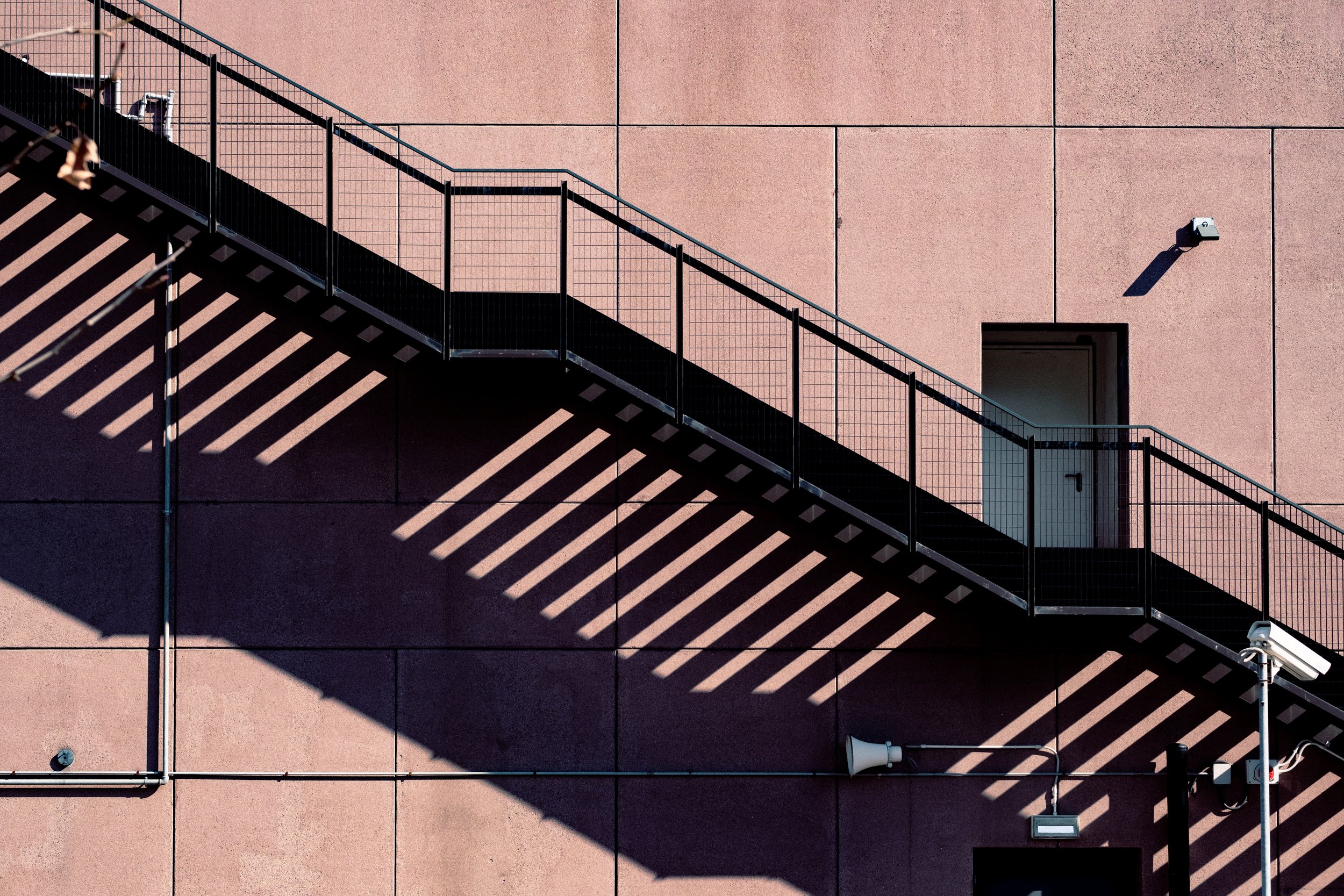

Pro #2: Compression = Clarity
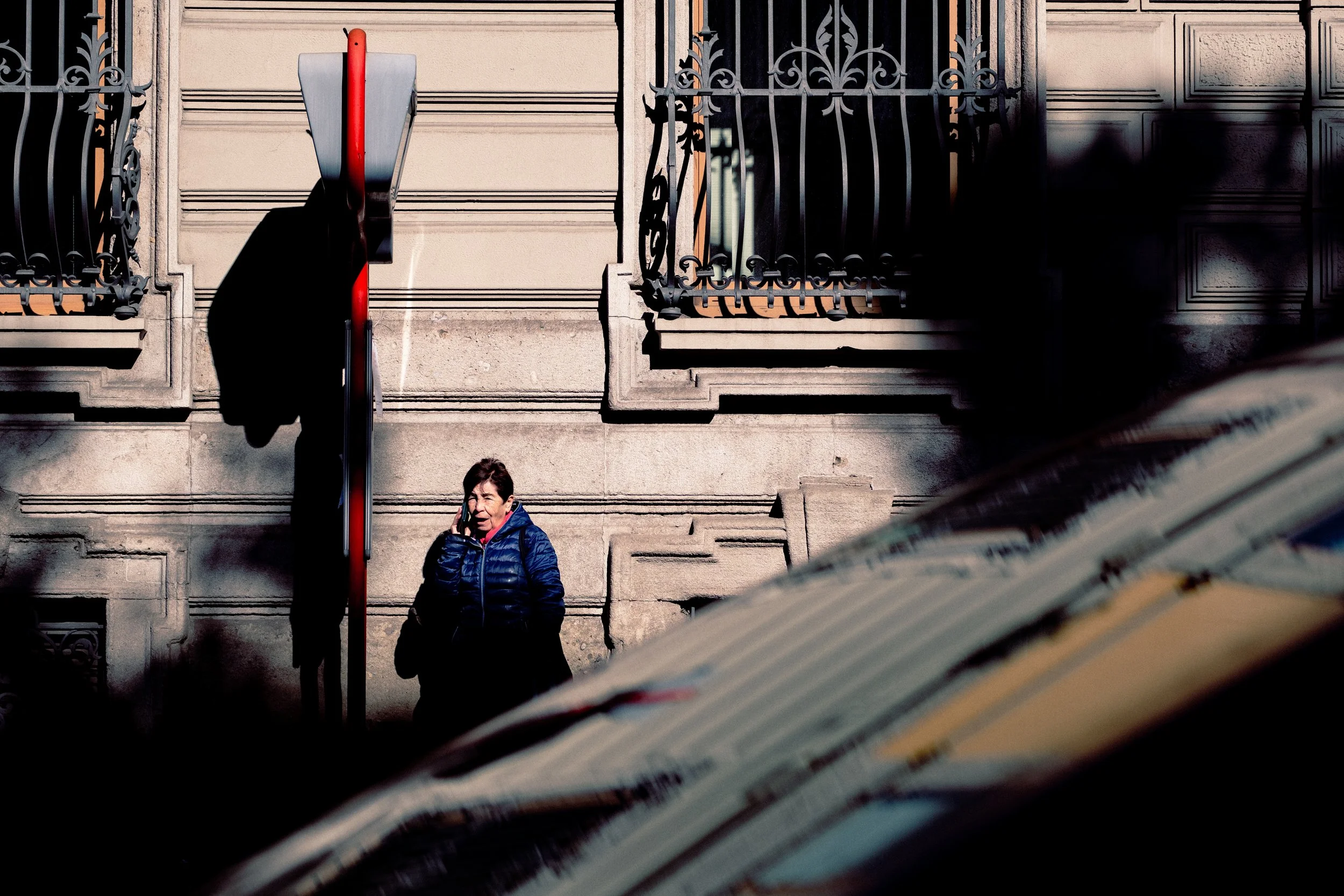
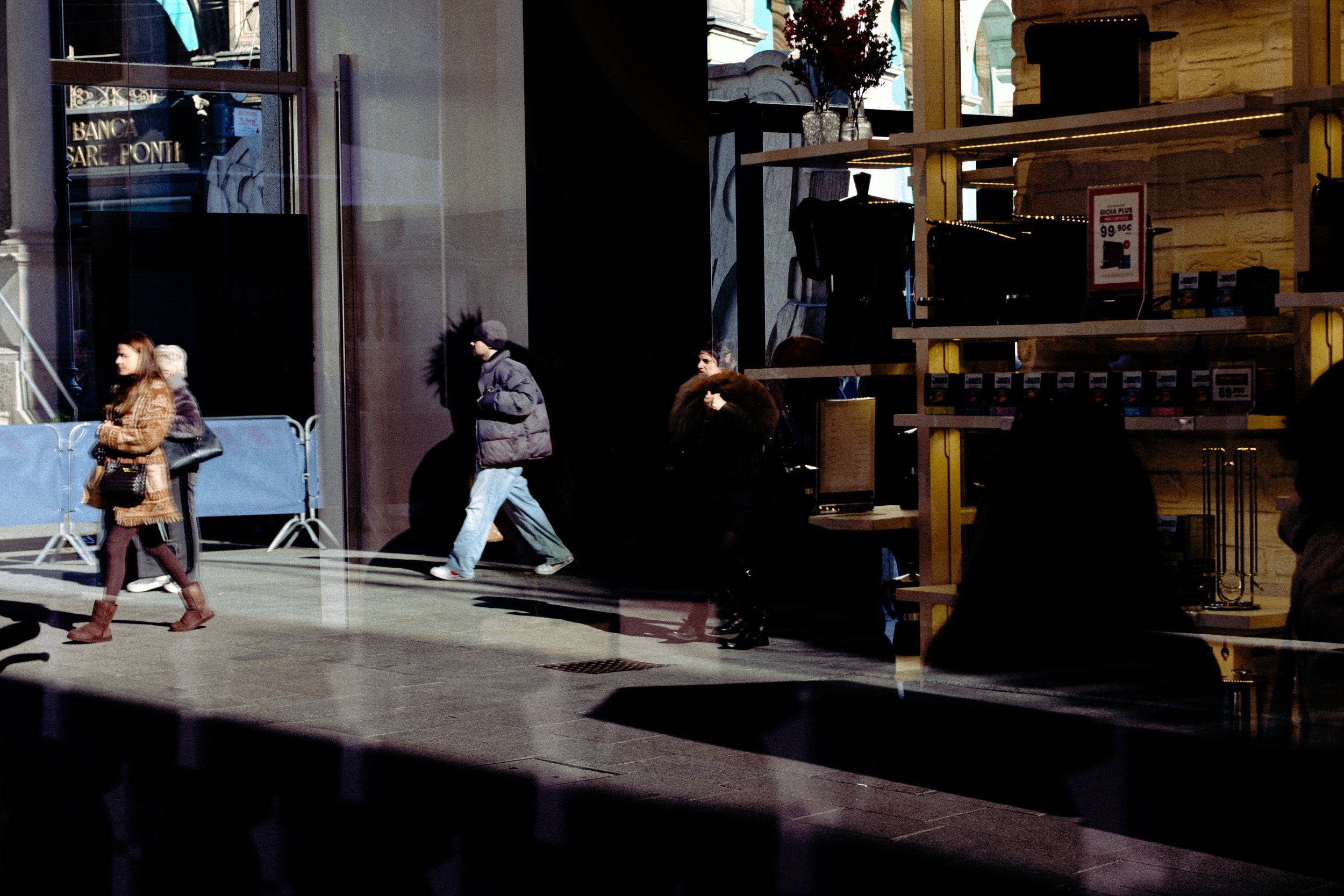
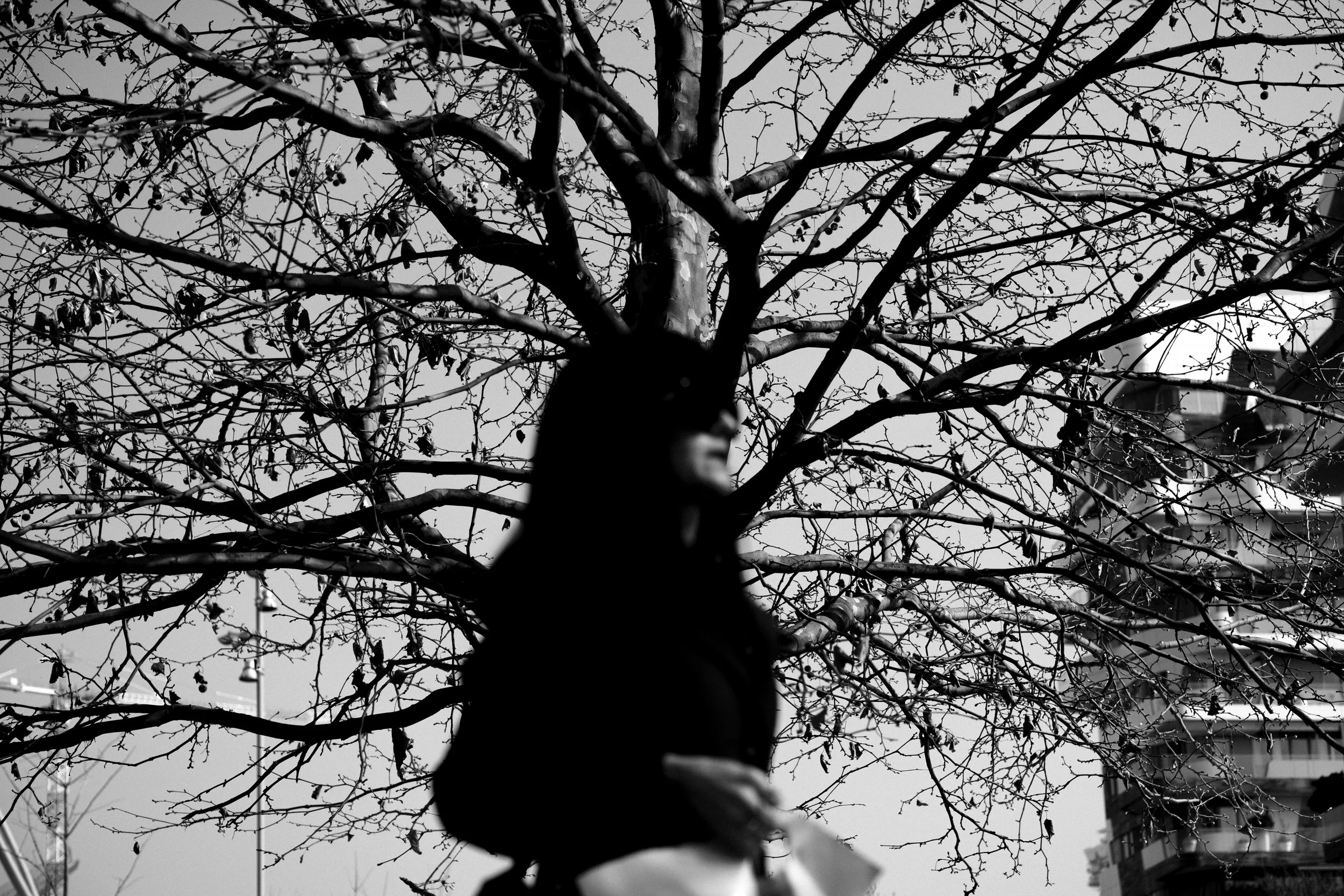
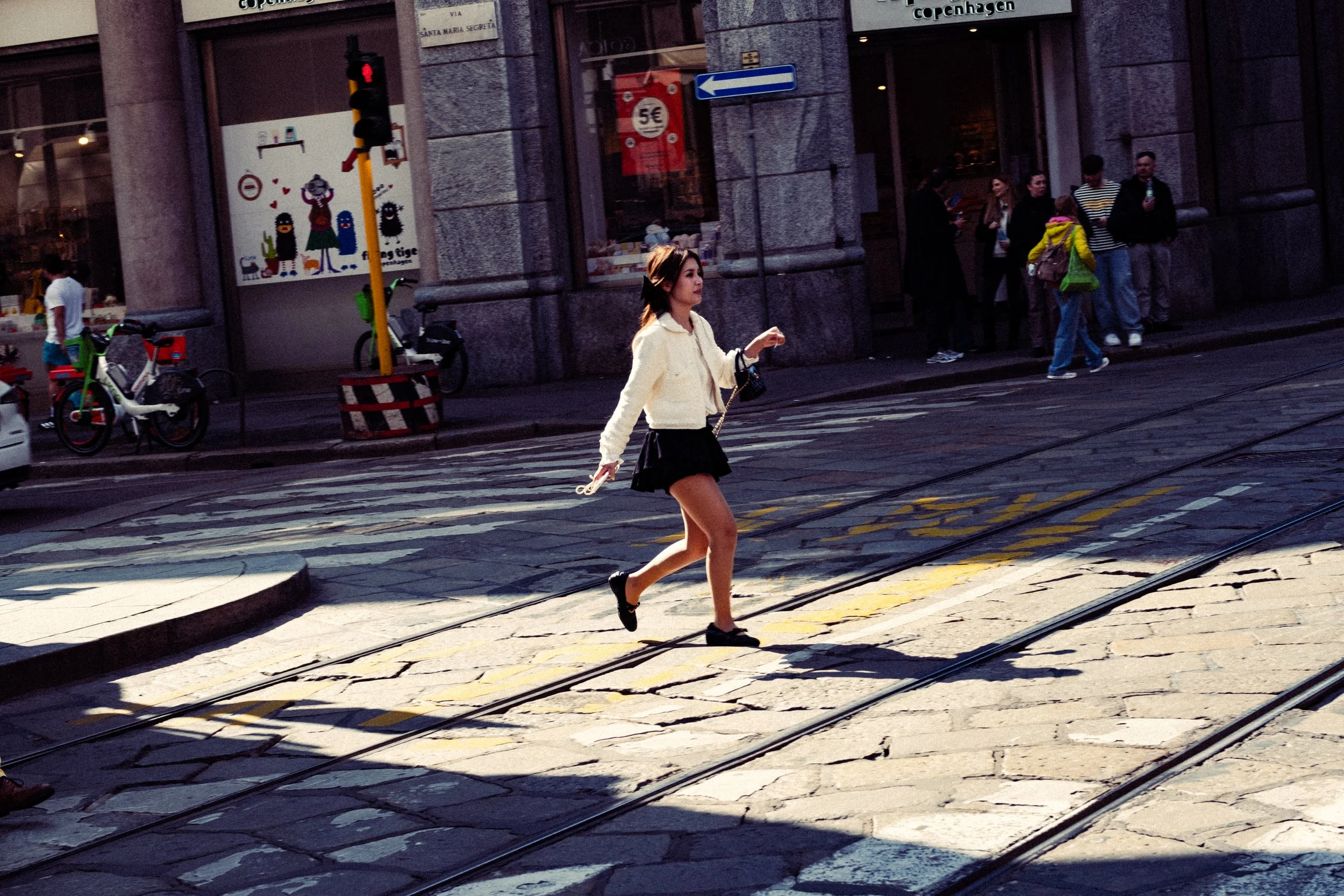
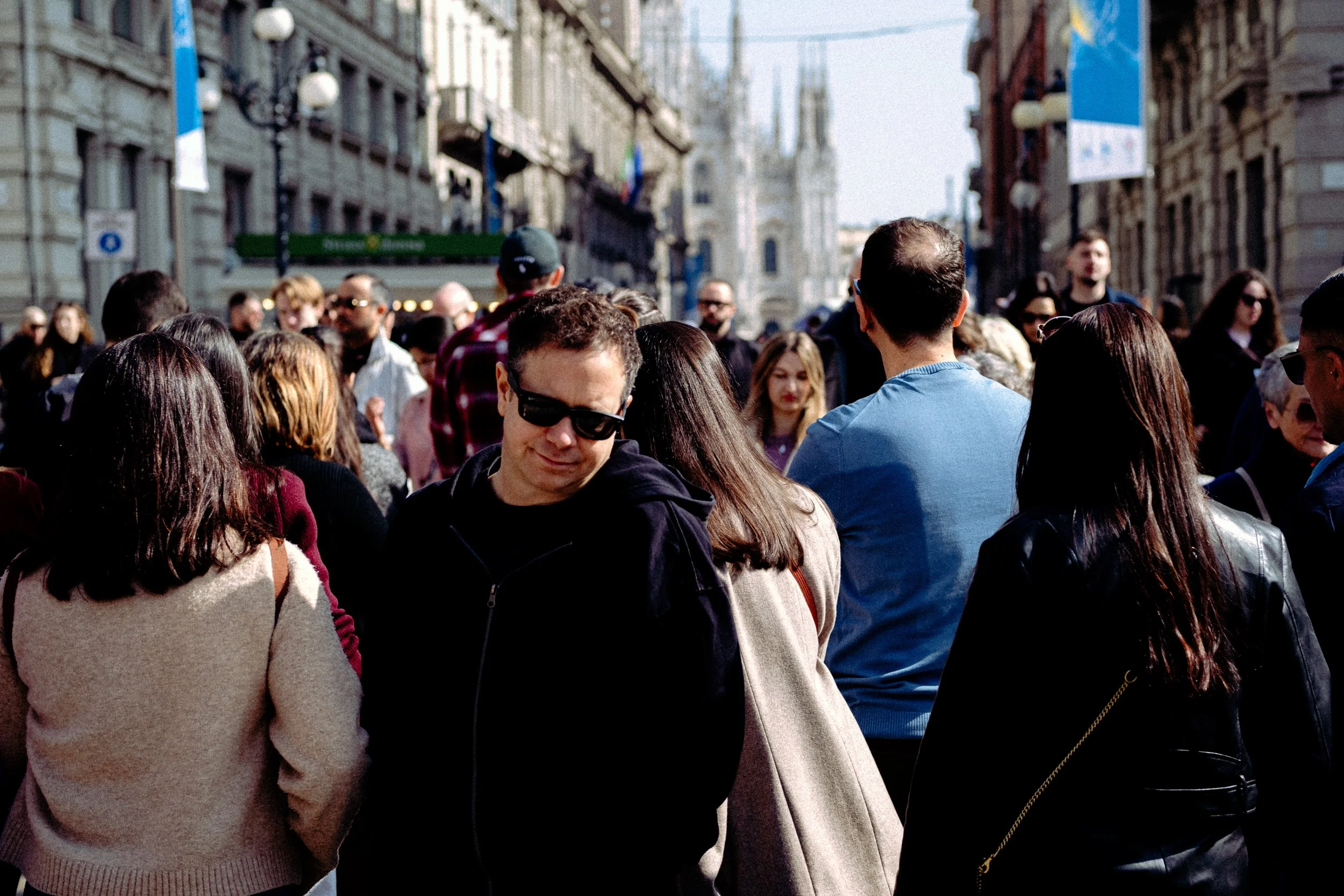
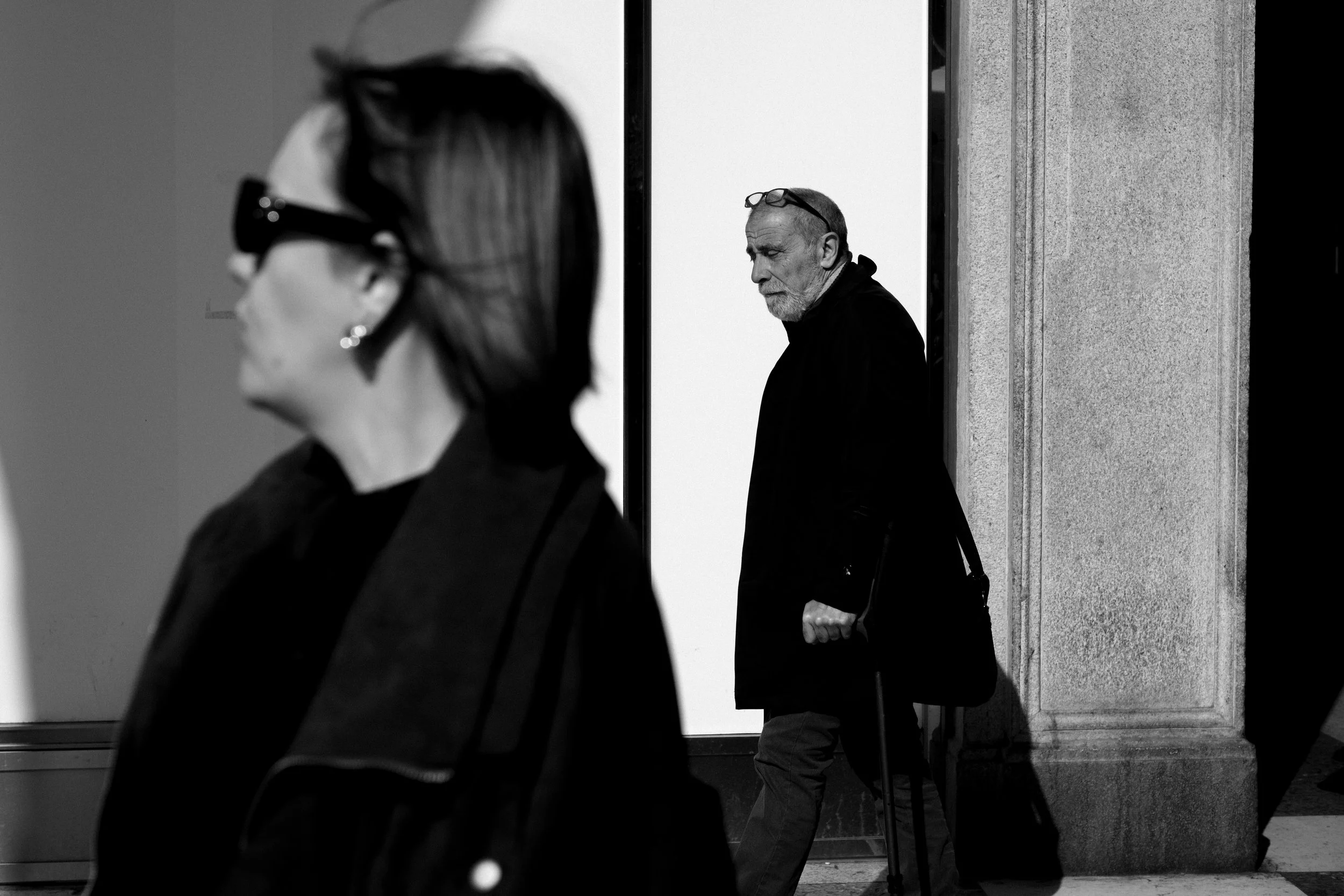
The second thing I love about the 75mm is compression.
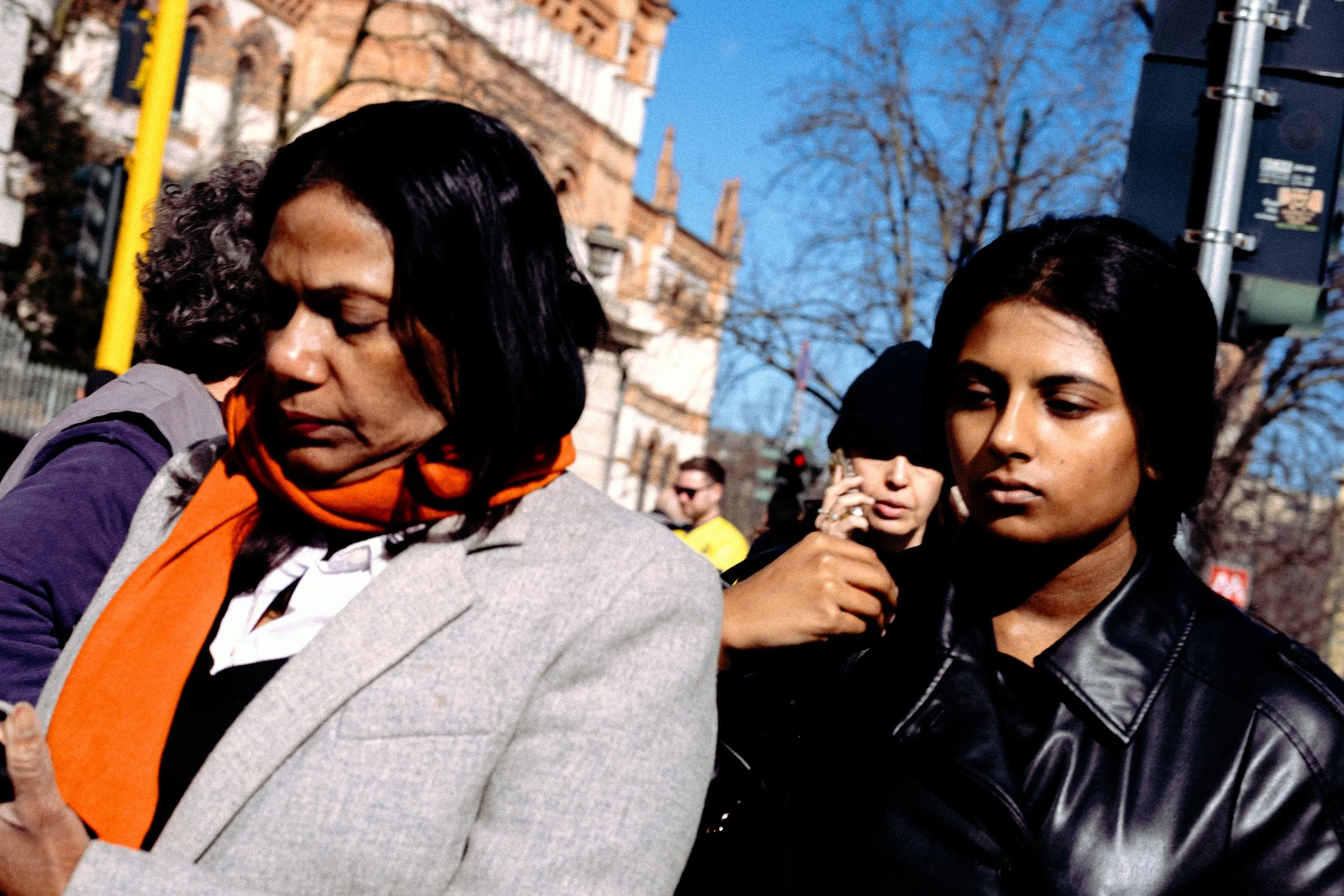
It allows you to isolate subjects even when they’re far away, making your images cleaner and easier to read.
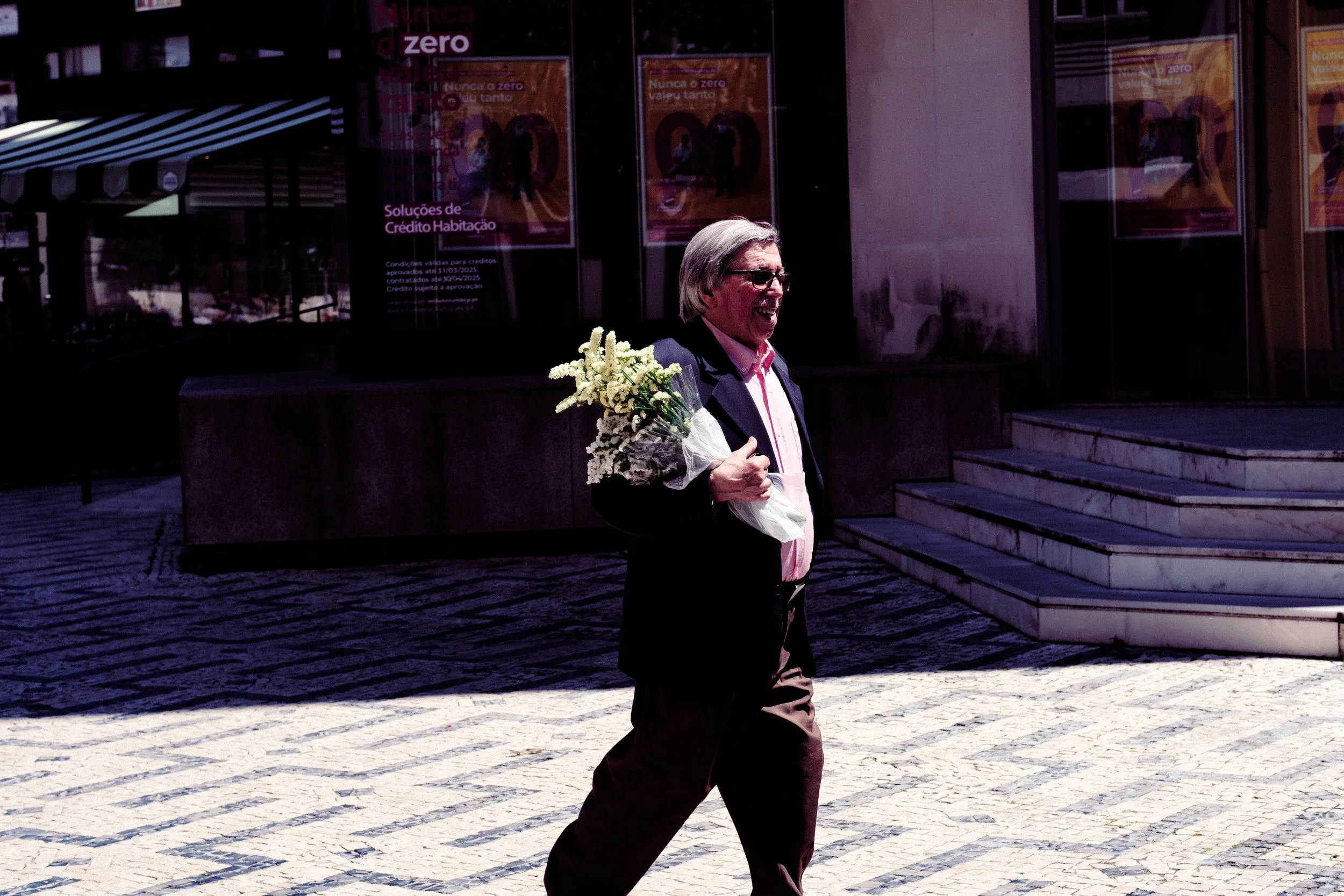
With wider lenses like a 28mm, things can get chaotic very quickly. Even when a scene feels clean to your eyes, the final image might tell a different story. Random signs, extra faces in the background, distracting elements… it’s easy to lose control.
Sure, you can crop. I do it too, when needed.
But what people often ignore is the mental state each focal length puts you in.
When I shoot with a 28mm, I feel fast. Reactive. Almost rushed. There’s a certain chaos to it, which can be beautiful, but it’s not always what I’m looking for.
Sometimes I want the opposite.
I want to slow down. Observe a little longer. Be more intentional.
That’s where the 75mm shines.
Pro #3: Observation = Growth
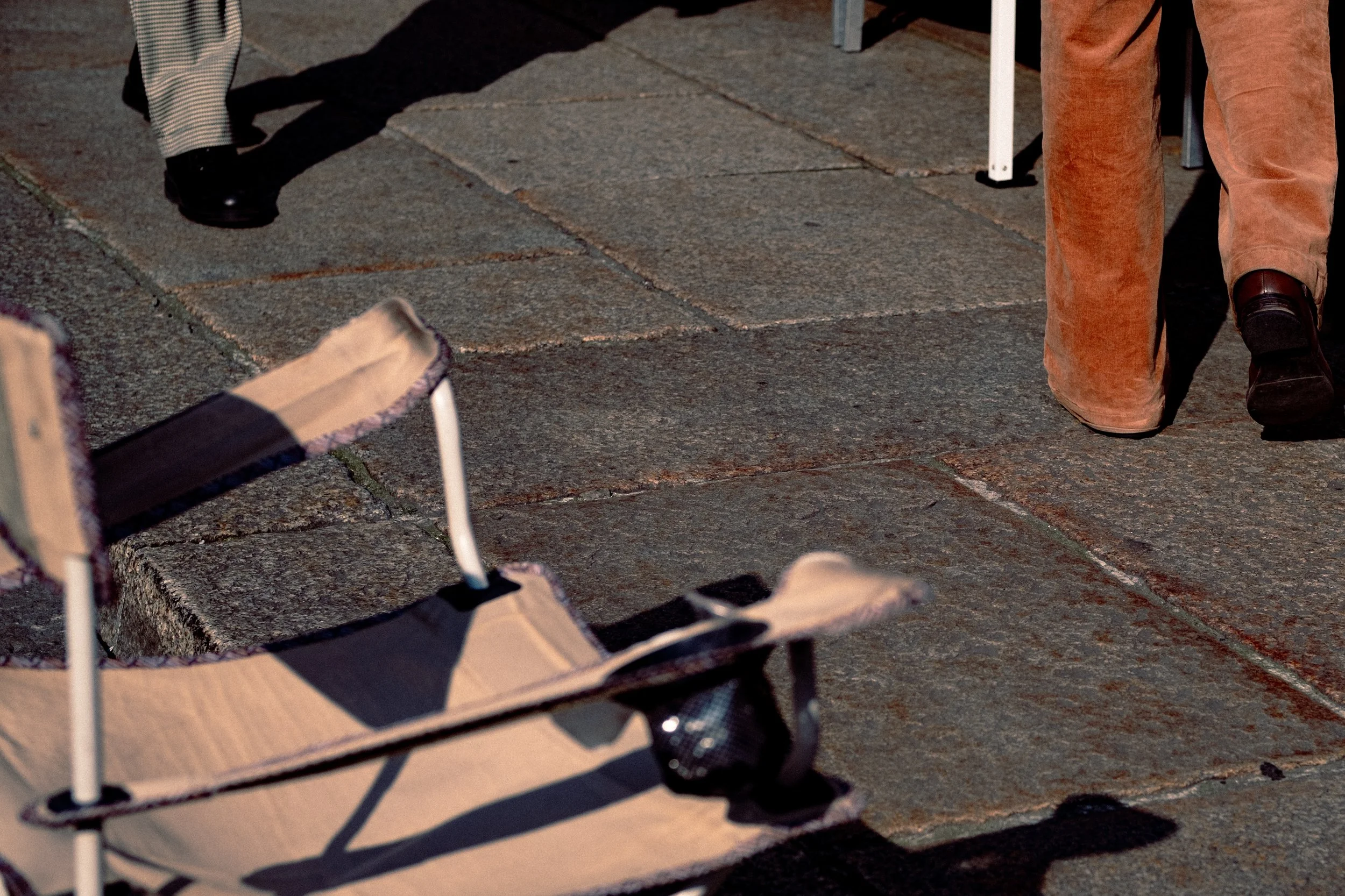
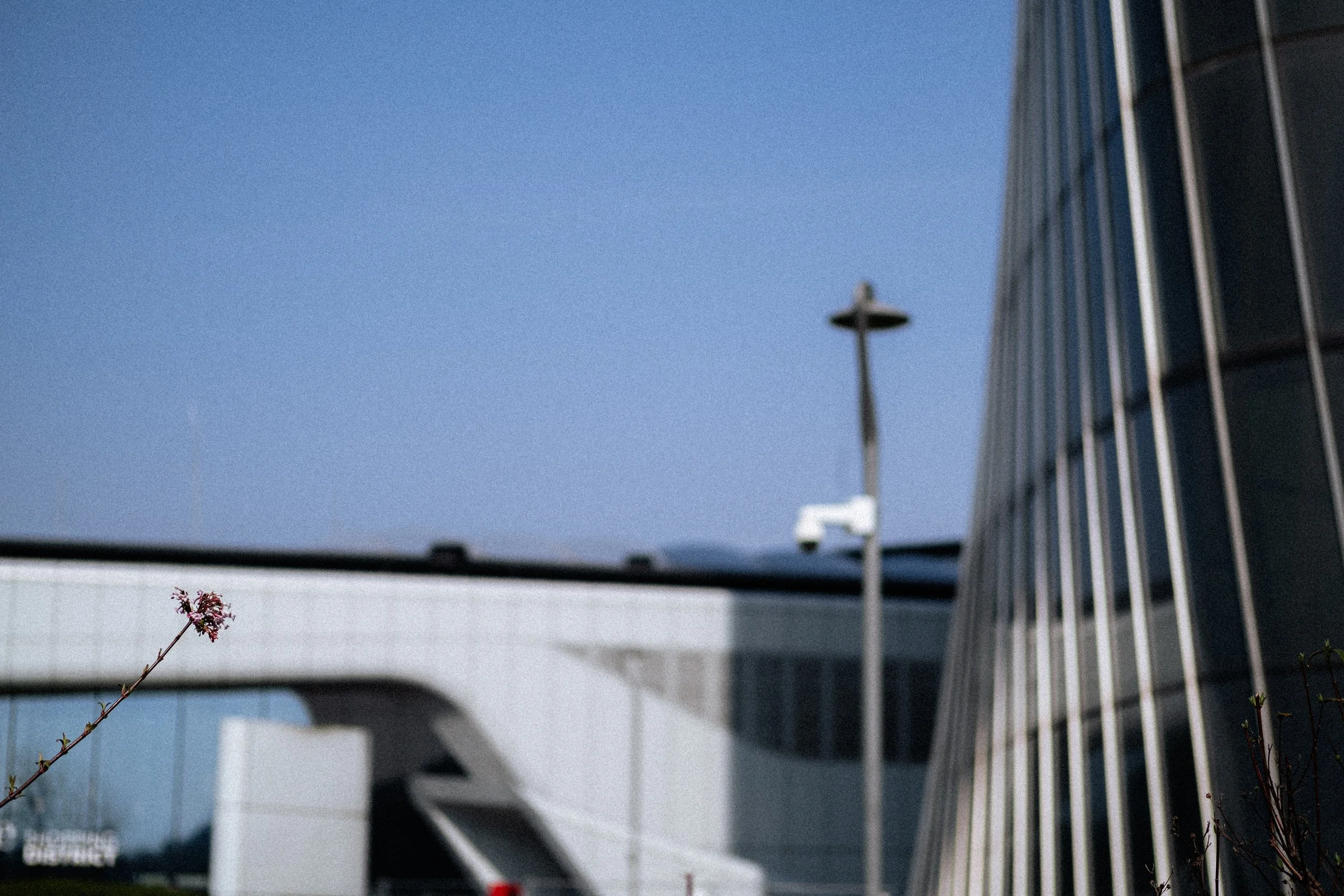
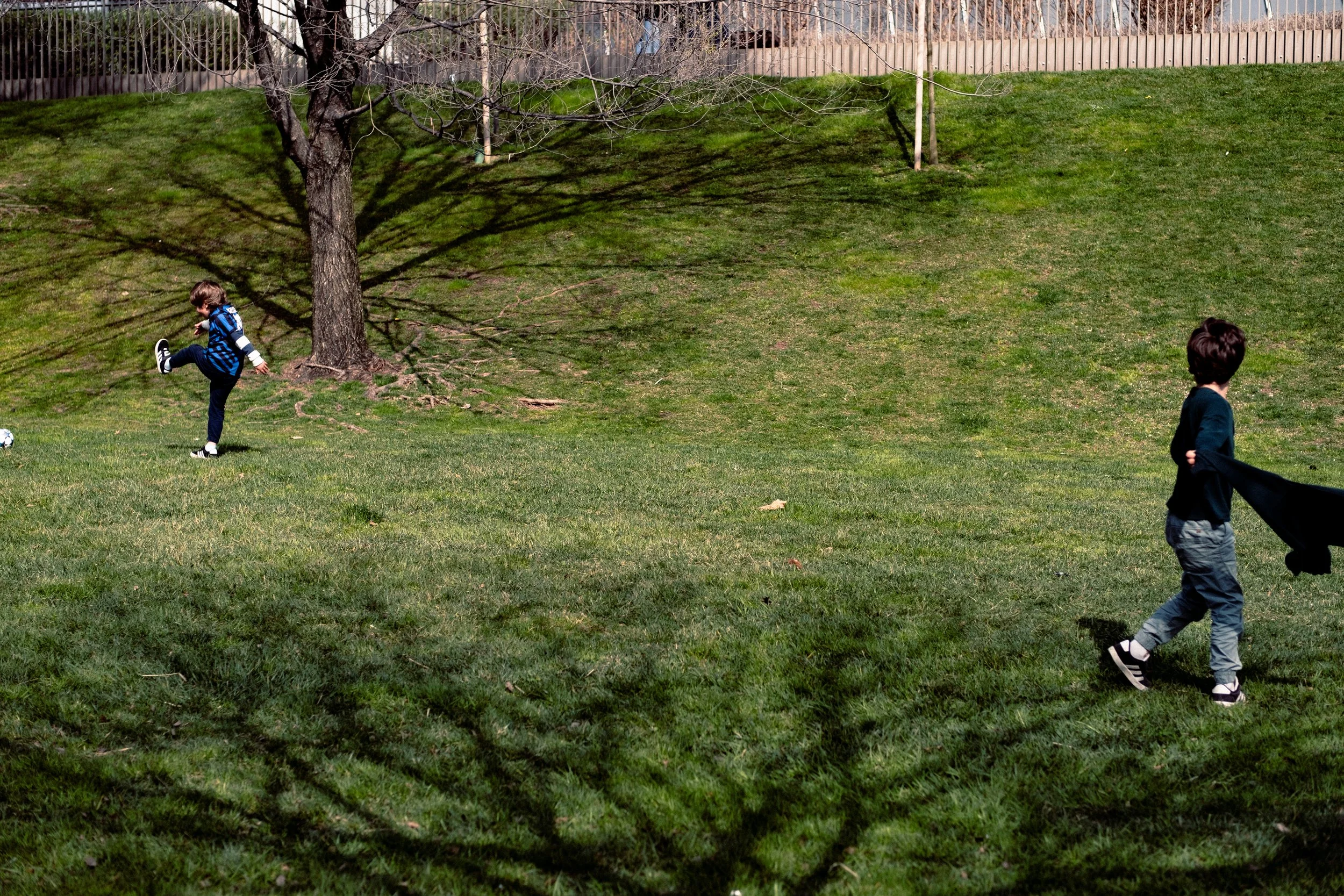
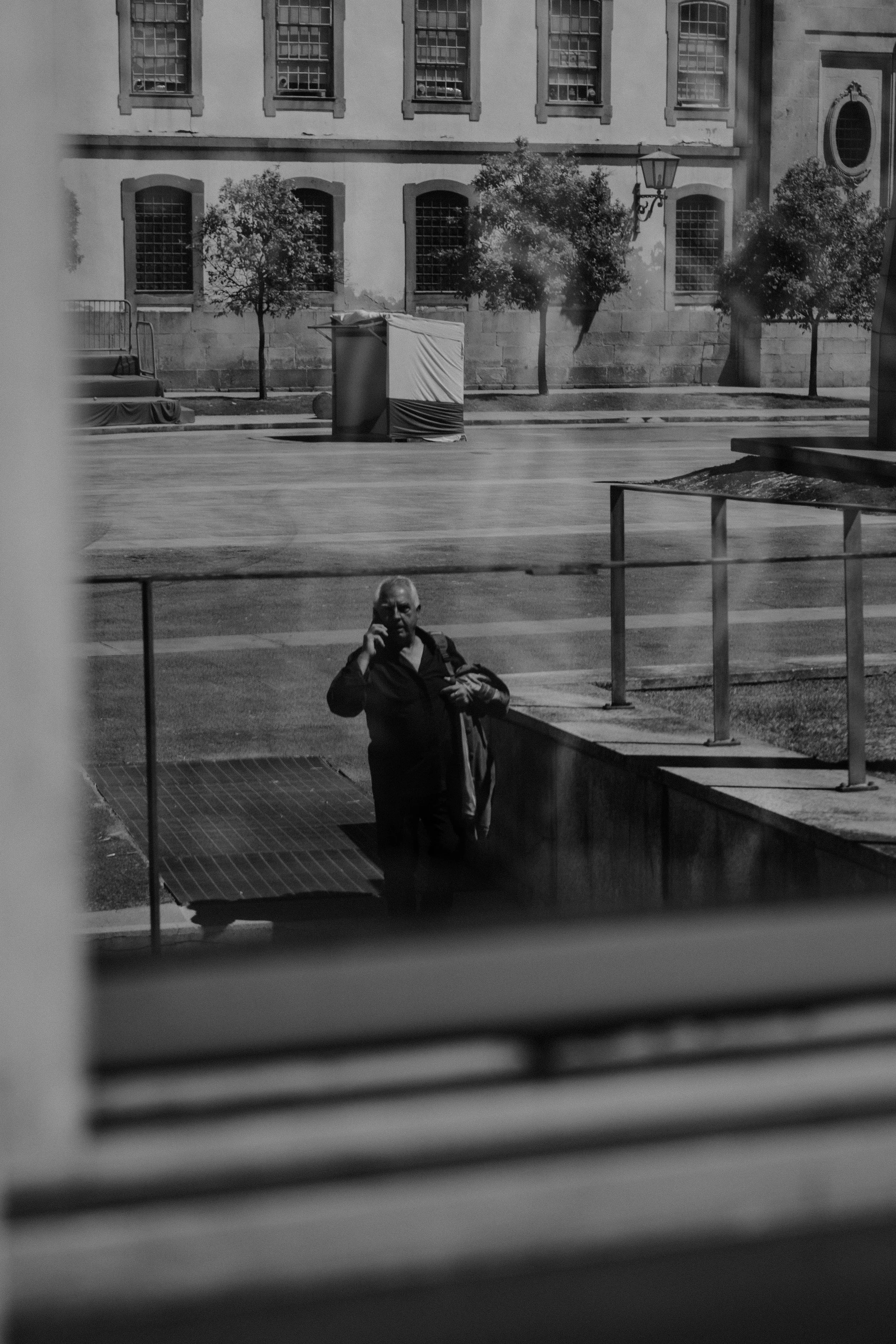
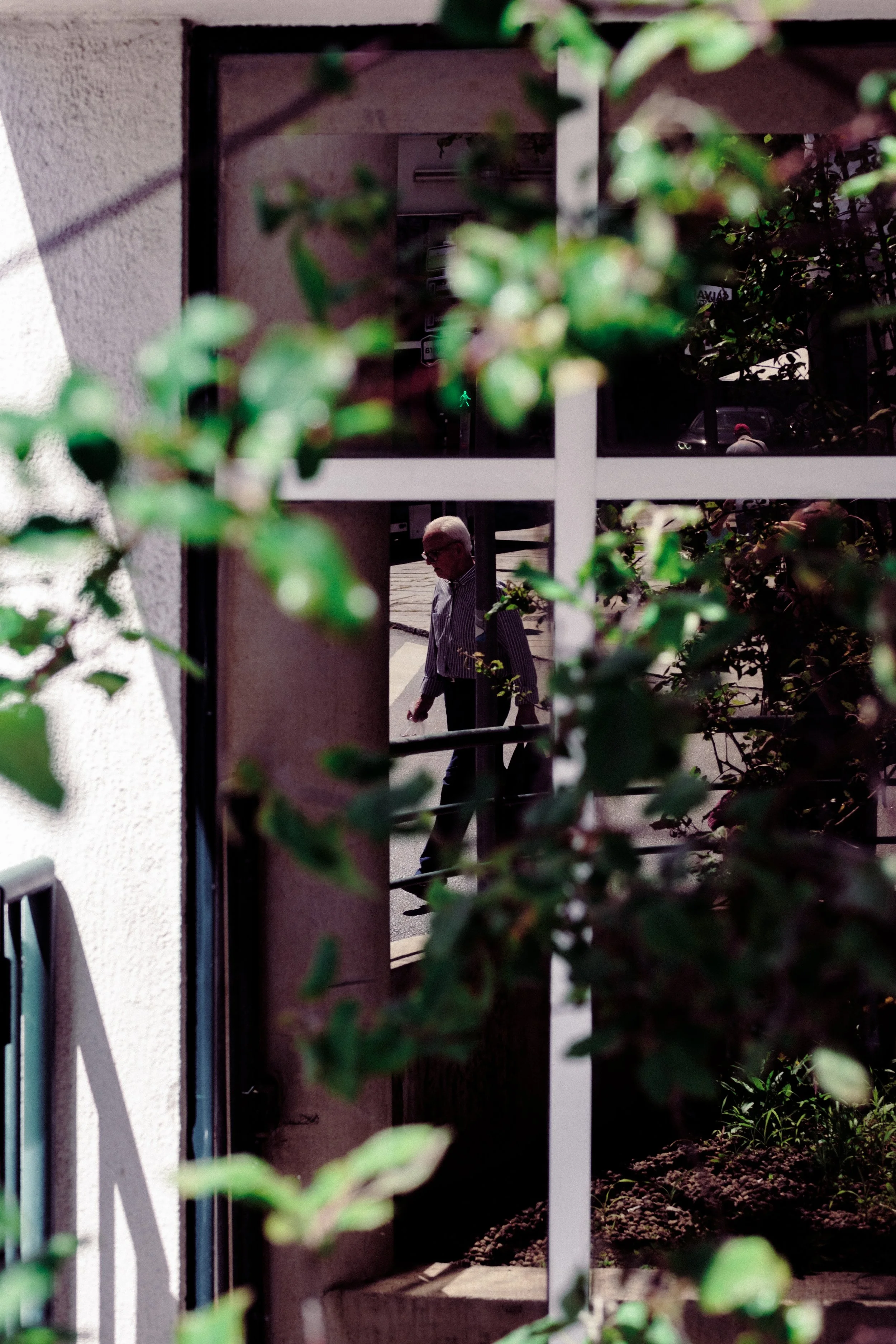
The third reason is what this lens teaches you: observation.
You can use it in any context, but where it really stands out is in more abstract photography.
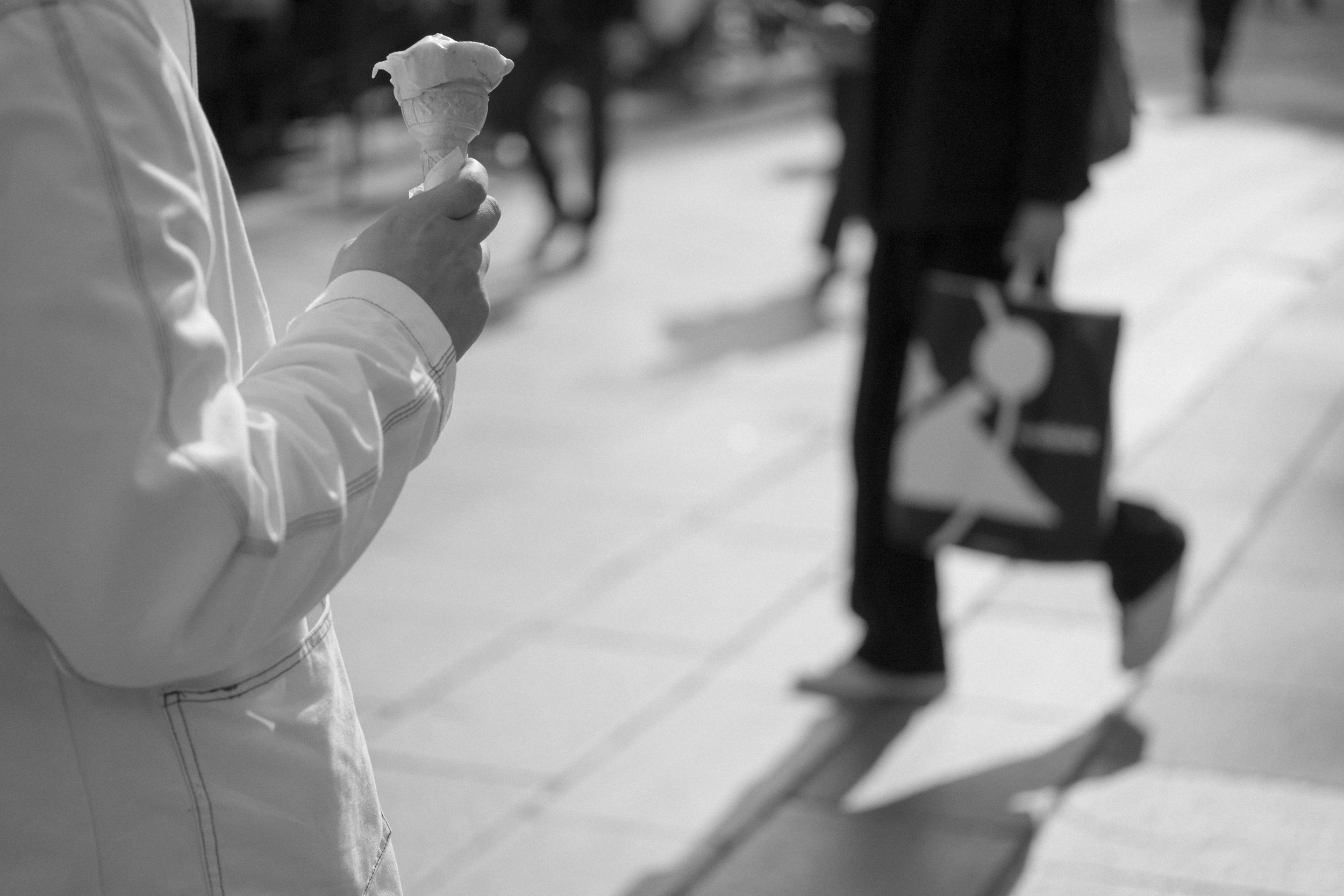
With the 75mm, I started noticing things I would’ve ignored before. Reflections, textures, small details, fragments of reality that don’t scream for attention but quietly exist.
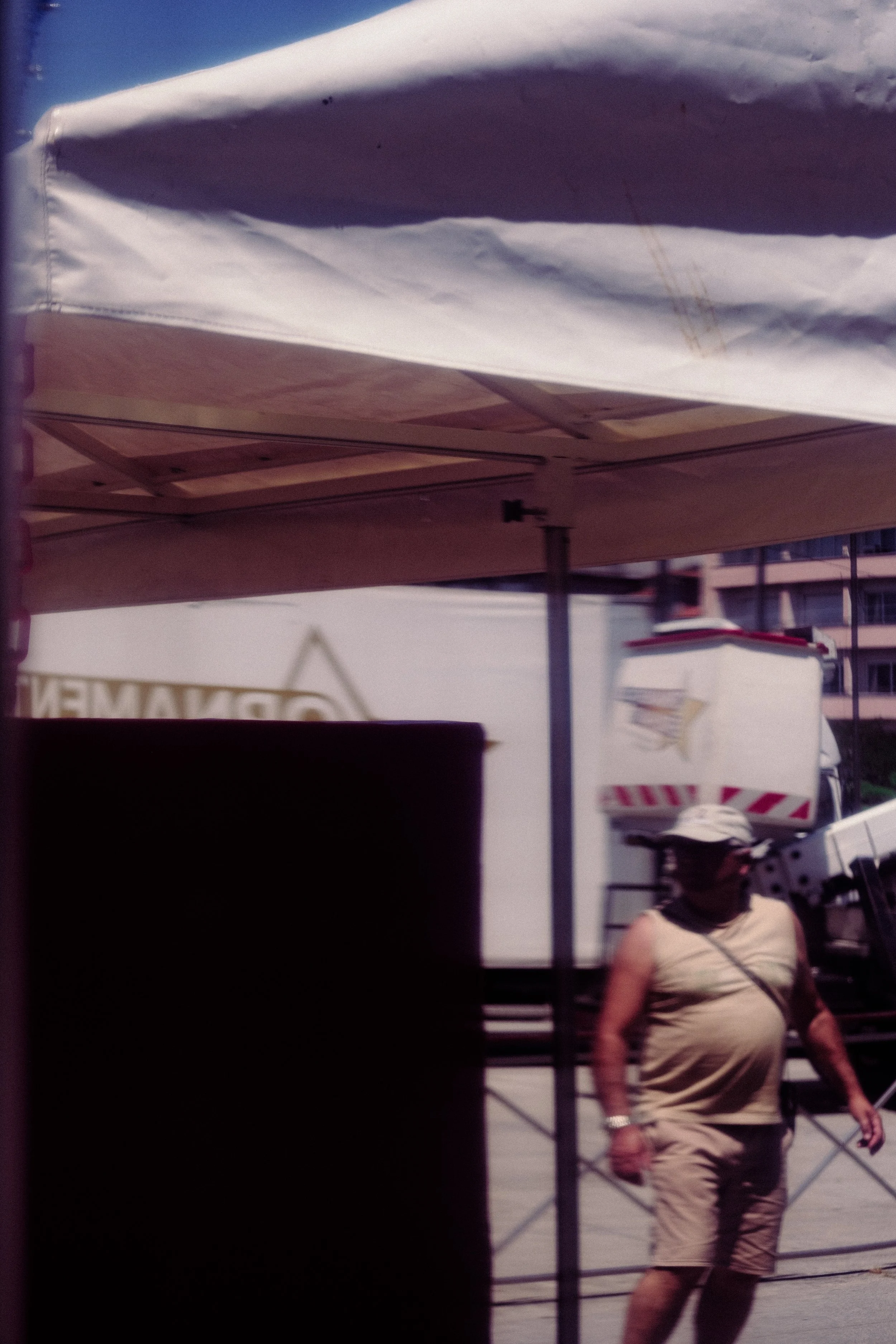
It trains your eye.
Over time, it’s not just about getting used to the lens, it’s about developing a different way of seeing. You become better at reading scenes, anticipating moments, and understanding what actually matters in your frame.
This blog will always remain ad-free.
If you enjoy my blog and would like to support my work, consider leaving a tip or visiting my shop, where you'll find my personal Lightroom presets, zines & camera guides.
Every bit of support goes directly back into creating new photography content, including YouTube videos, blog posts, camera guides, and, of course, more presets and zines, with the occasional freebie for everyone along the way.
Thank you for reading. <3
I created this guide to share my personal approach to street photography with the Fujifilm X-E4, breaking down the essence of how I use this camera and showing the settings that I consider truly essential, as well as the ones I believe can be ignored in order to achieve a faster, simpler and more intuitive shooting experience.
This was my first Fujifilm camera, and probably the only one I will never get rid of. I have dedicated a video and a blog post to explaining why, as well as another video and blog post where I go through the accessories that made this camera so versatile that it became the only Fujifilm camera that has truly convinced me so far.
Before we begin, there is something important to clarify.
This is not meant to be a complete Fujifilm X-E4 manual.
The settings I will show you are not necessarily the ones that will perfectly match your style, habits, or creative process.
They are simply the choices that, after spending a significant amount of time with this camera, have become essential to my own workflow.
Think of this as a personal recipe rather than a universal instruction manual.
Take what works for you, ignore what does not.
⚠️ As this is a digital product, refunds are not available. However, if you have any questions or experience any issues with your purchase, feel free to email me at karisma.business.inquiries@gmail.com. I'll get back to you as soon as possible!
🌱 Thank you for considering a purchase. Every bit of support goes directly back into creating new photography content, including YouTube videos, blog posts, camera guides, and, of course, more presets and zines, with the occasional freebie for everyone along the way.
I genuinely appreciate your support. Thank you for being part of the journey.