Using Flash in Street Photography: My First Experience
Note: This post contains affiliate links. Purchases made through them may earn me a small commission at no extra cost to you, helping support the blog and future photography content.
Thank You!
Premise!
During my trip across Asia, where I tried pretty much every photographic experiment I could come up with, one tool ended up stealing entire nights.
Flash.
Not just any flash, but the tiny, almost toy-like Godox Mini i20, paired with my Ricoh GR III. A pocket-sized lightning bolt.
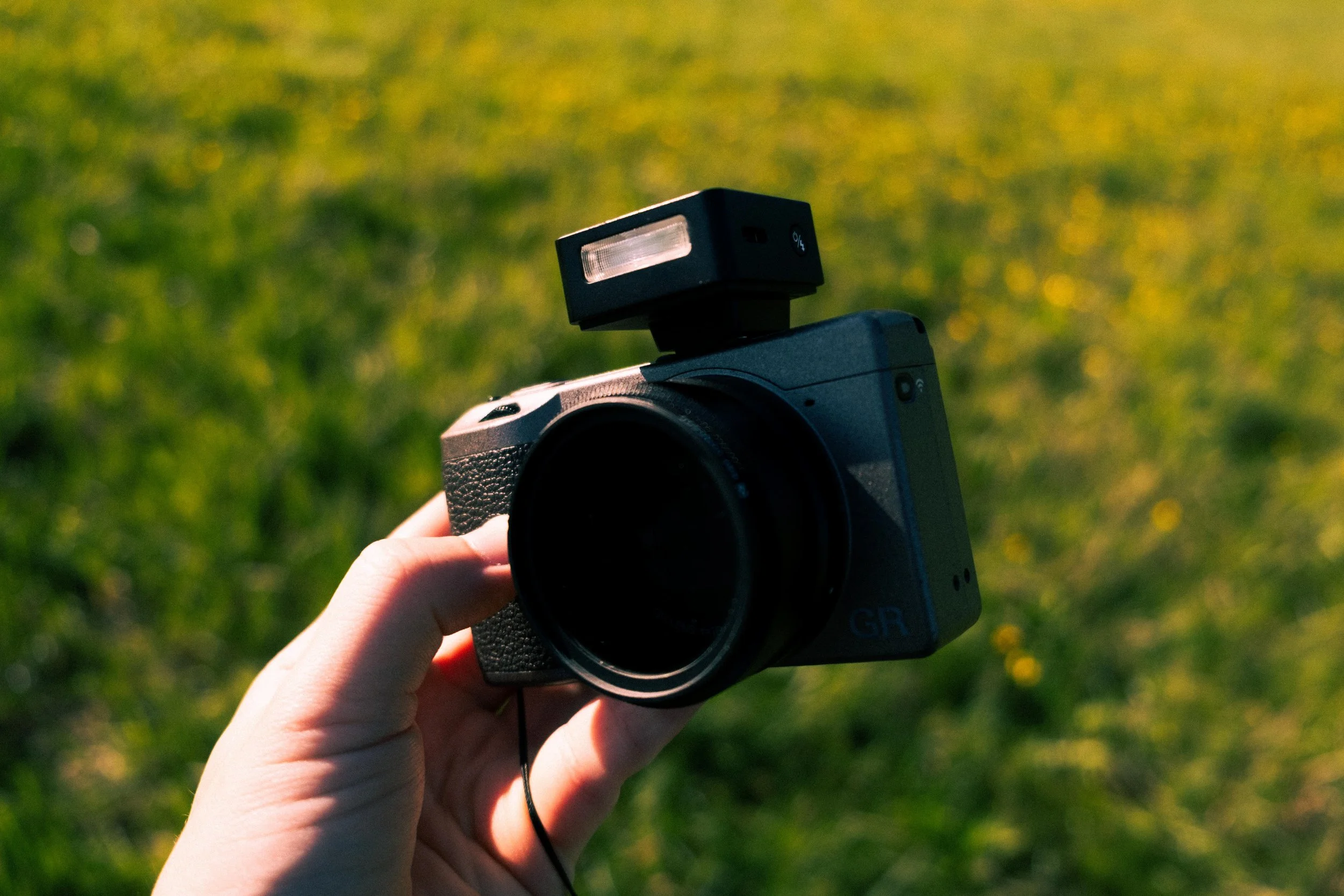
I’ve dedicated a blog to the Ricoh GR III and the accessories I use for it. You can read it here.
Why This Flash?
I’ve never really talked about it in depth, mainly because I didn’t know much about it. And to be honest, I still don’t.
When I decided to experiment with flash for this trip, I set a few simple criteria: I wanted something easy to use, as compact as possible so it could pair well with my Ricoh GR III, and ideally something affordable.
That’s how I came across the Godox Mini i20. A tiny little thing, but honestly, a great find.
Of course, I’m sure there are better and more powerful flashes out there, but for experimenting and staying as discreet as possible (as much as you can be with a flash), this was more than enough.
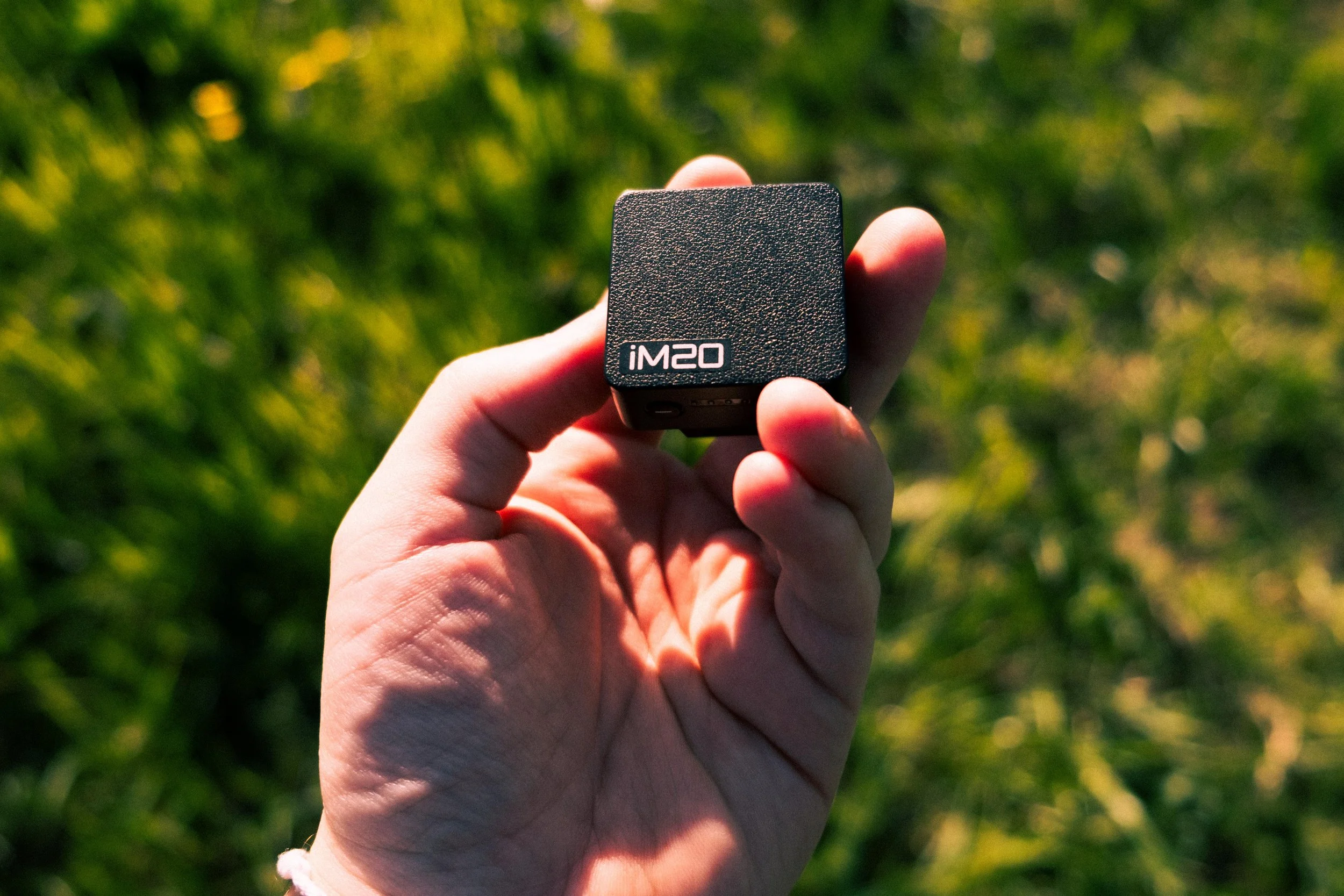
The Godox Mini i20. You can purchase it here → AMAZON
Results? All Over the Place
Let’s be honest.
The results were inconsistent. Still are.
I kept changing settings, chasing something I couldn’t fully define yet. No fixed style, no clear “this is it.” Just exploration.
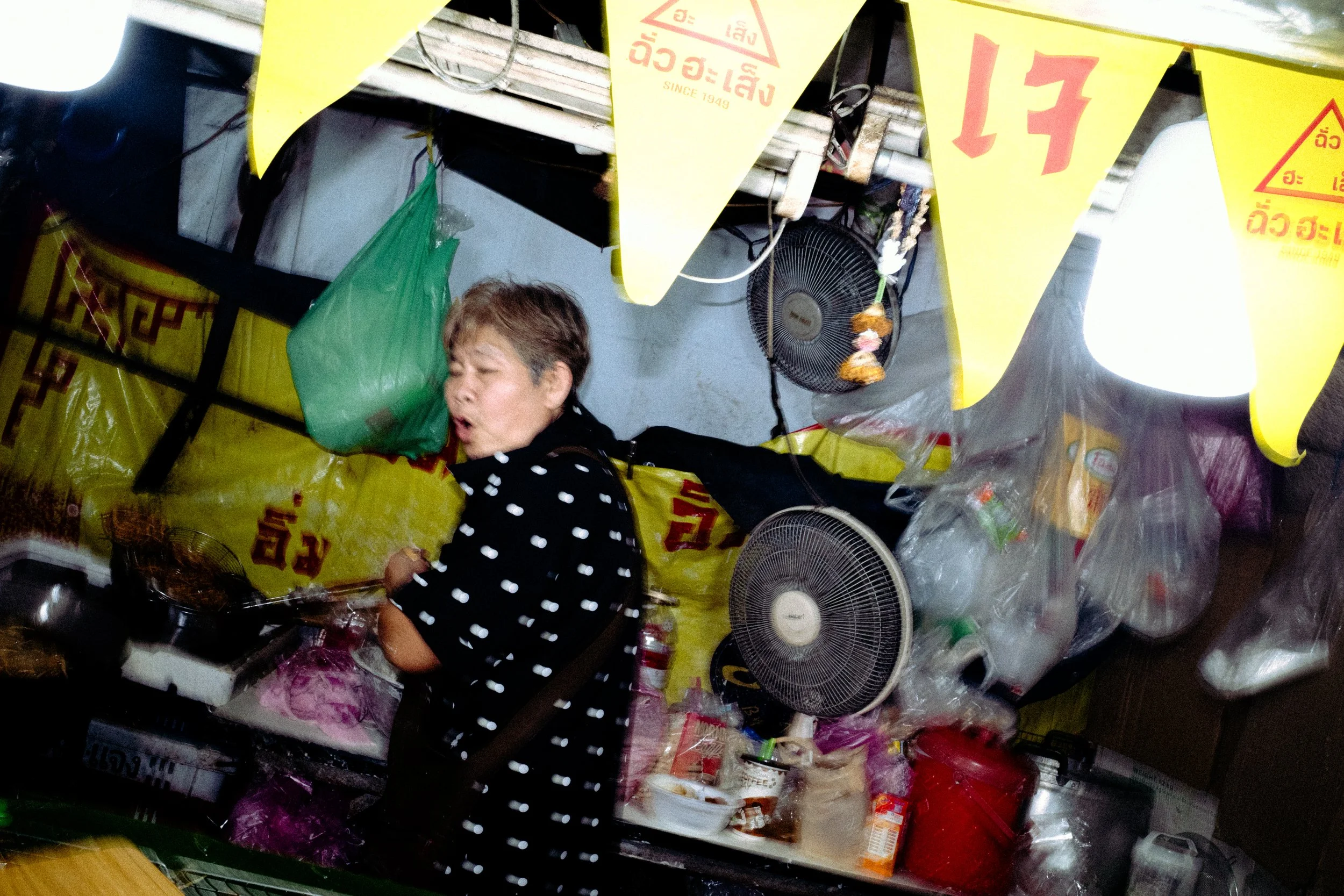
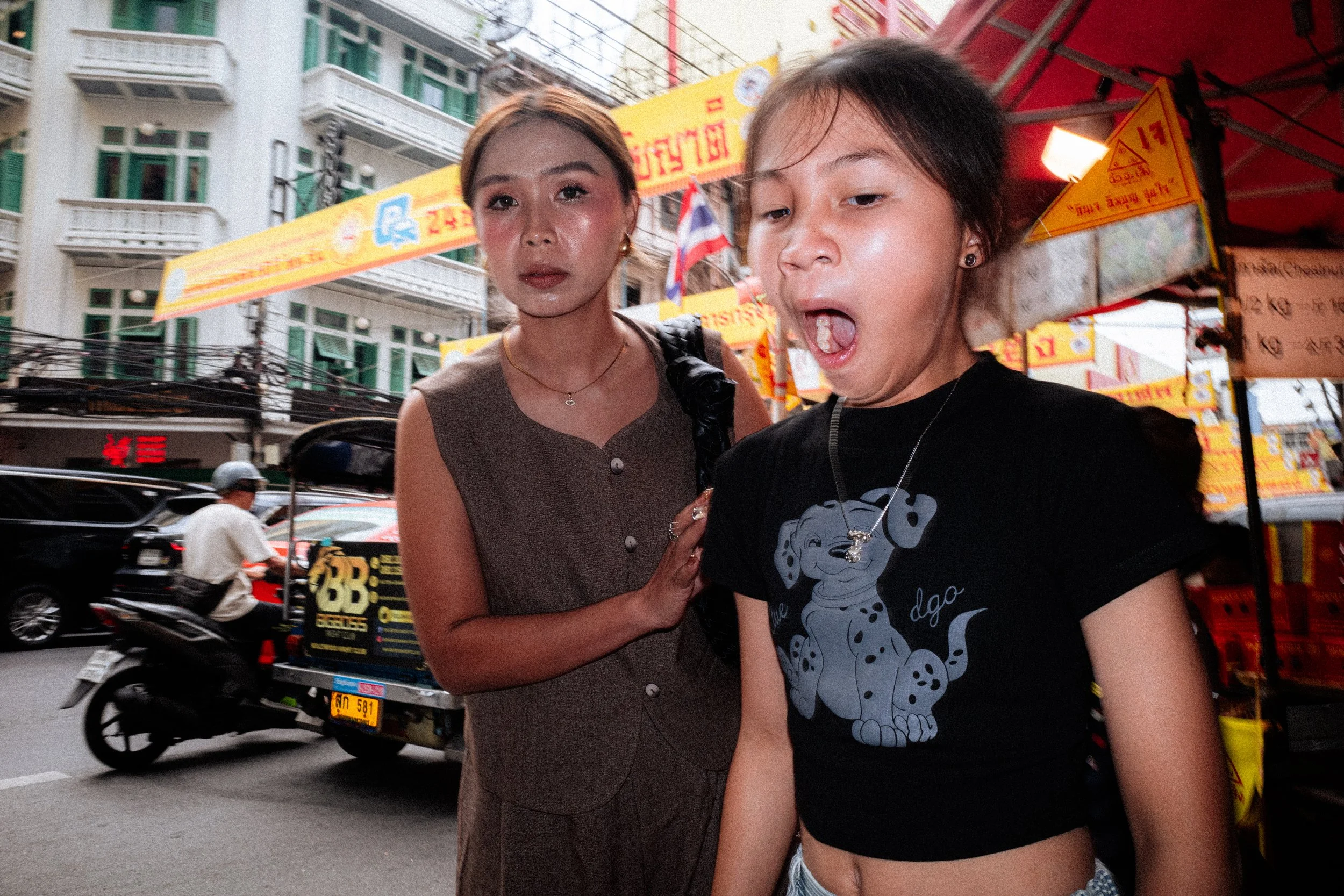
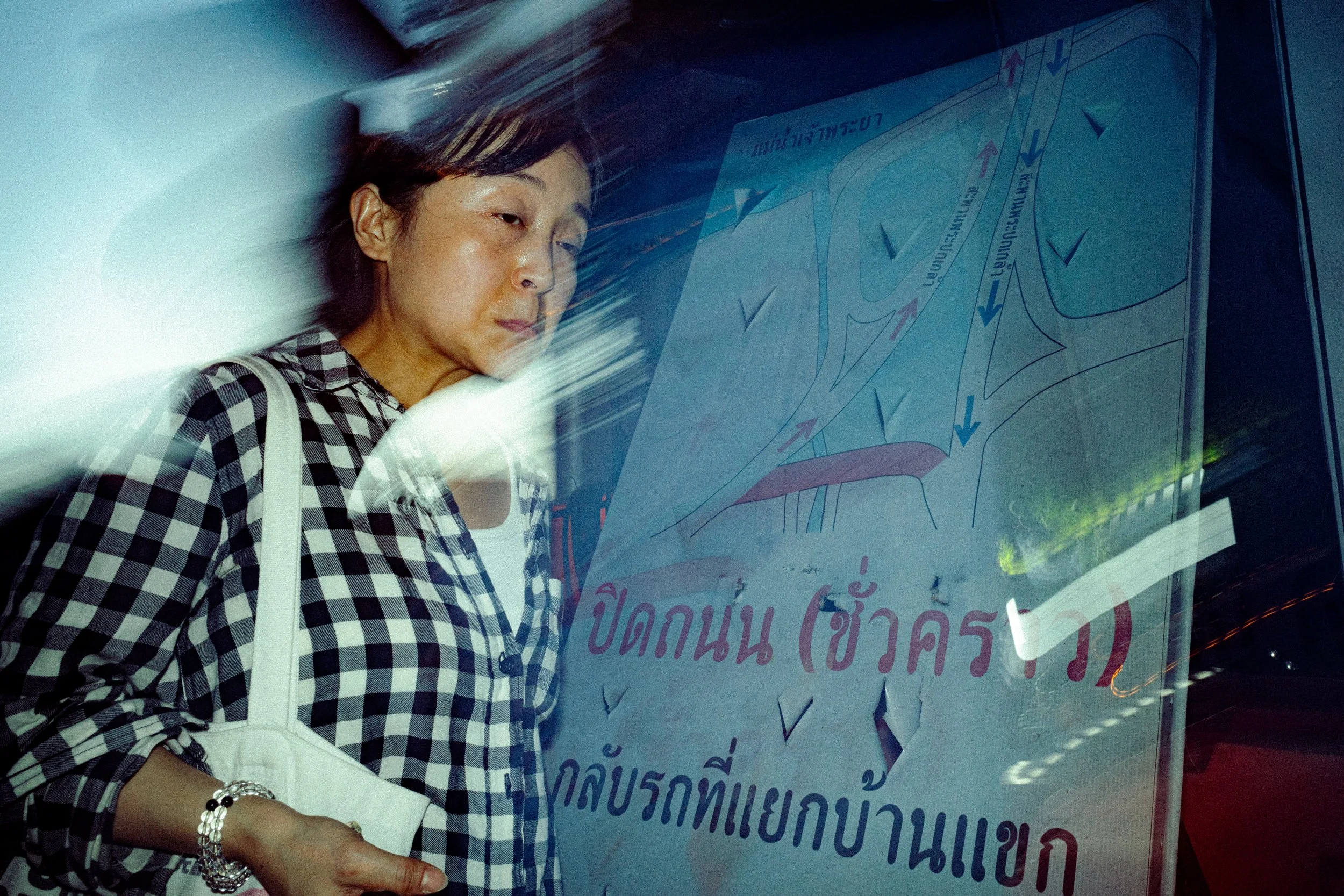
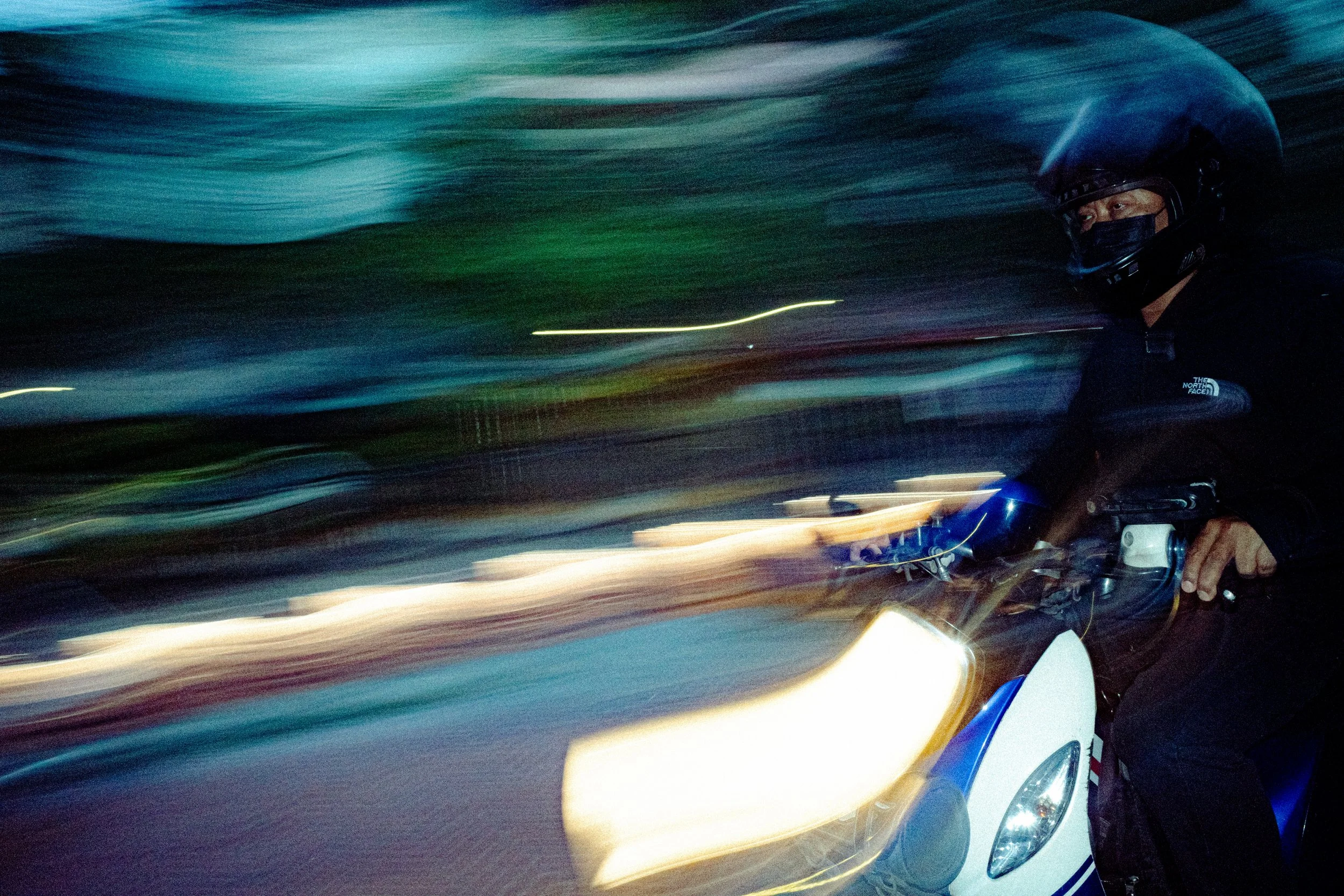
But here’s the thing…
That unpredictability? That’s part of the magic.
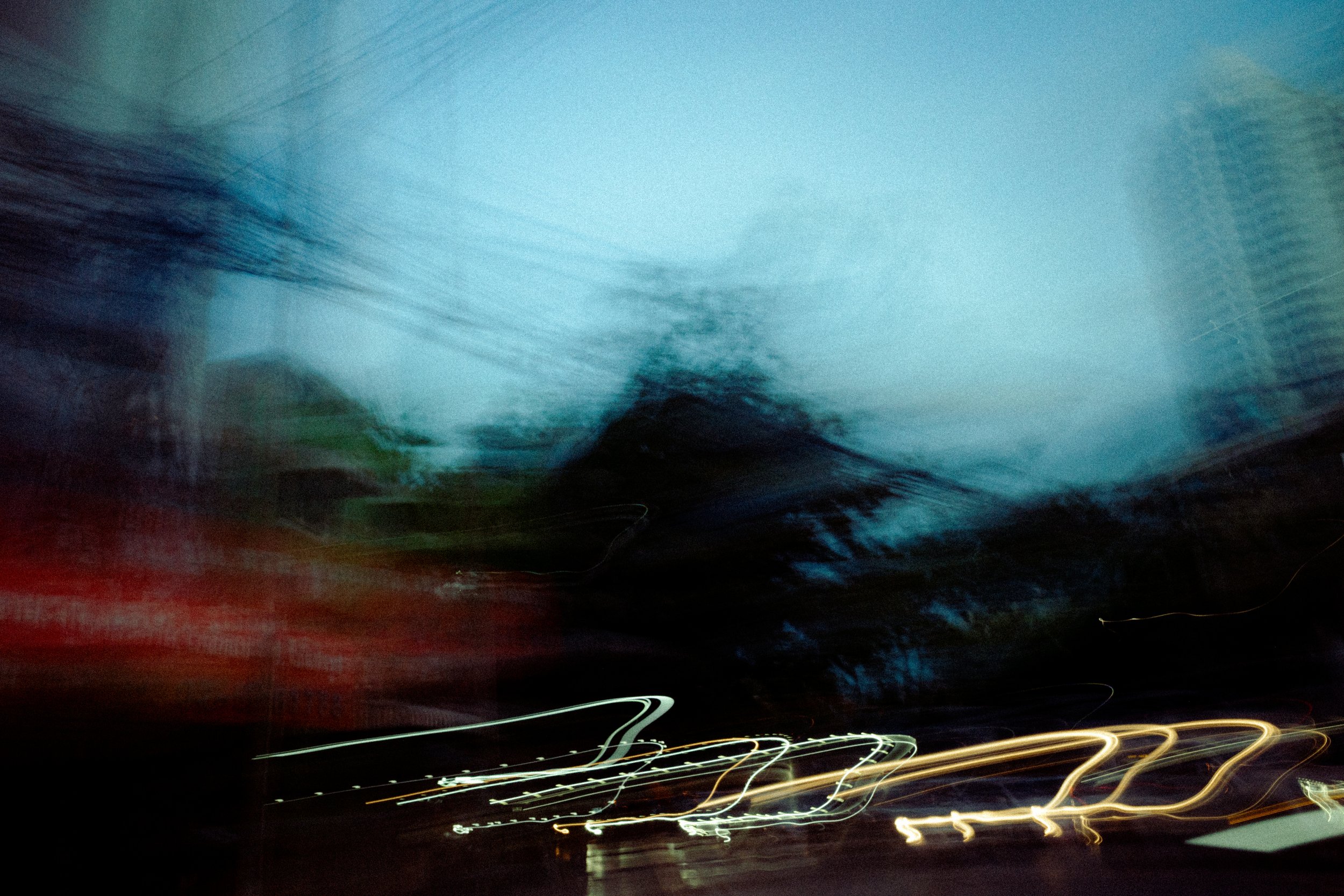
Flash doesn’t gently interpret a scene. It interrupts it.
Day or night, chaos or calm, it changes everything.
The Pros
1. The Look
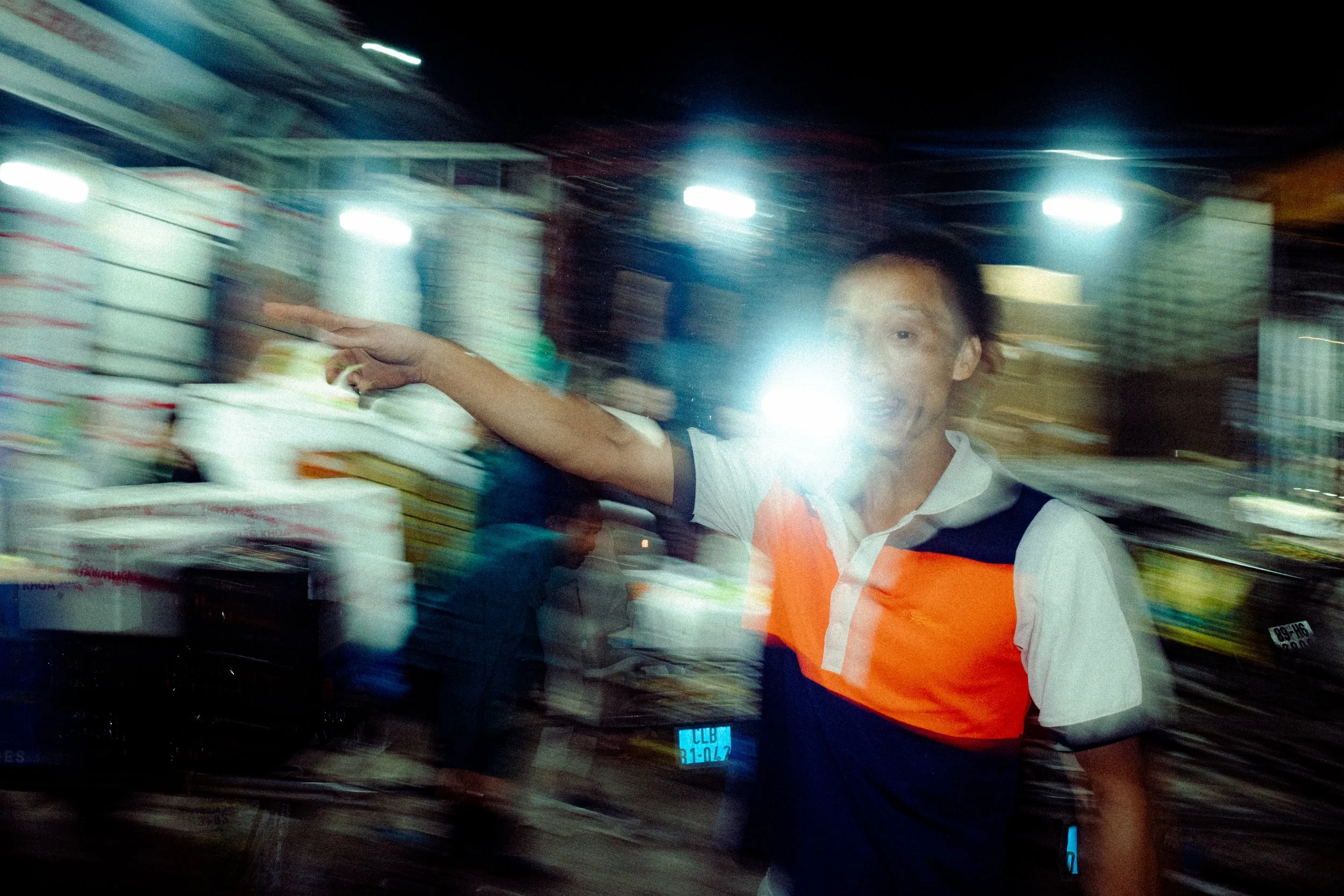
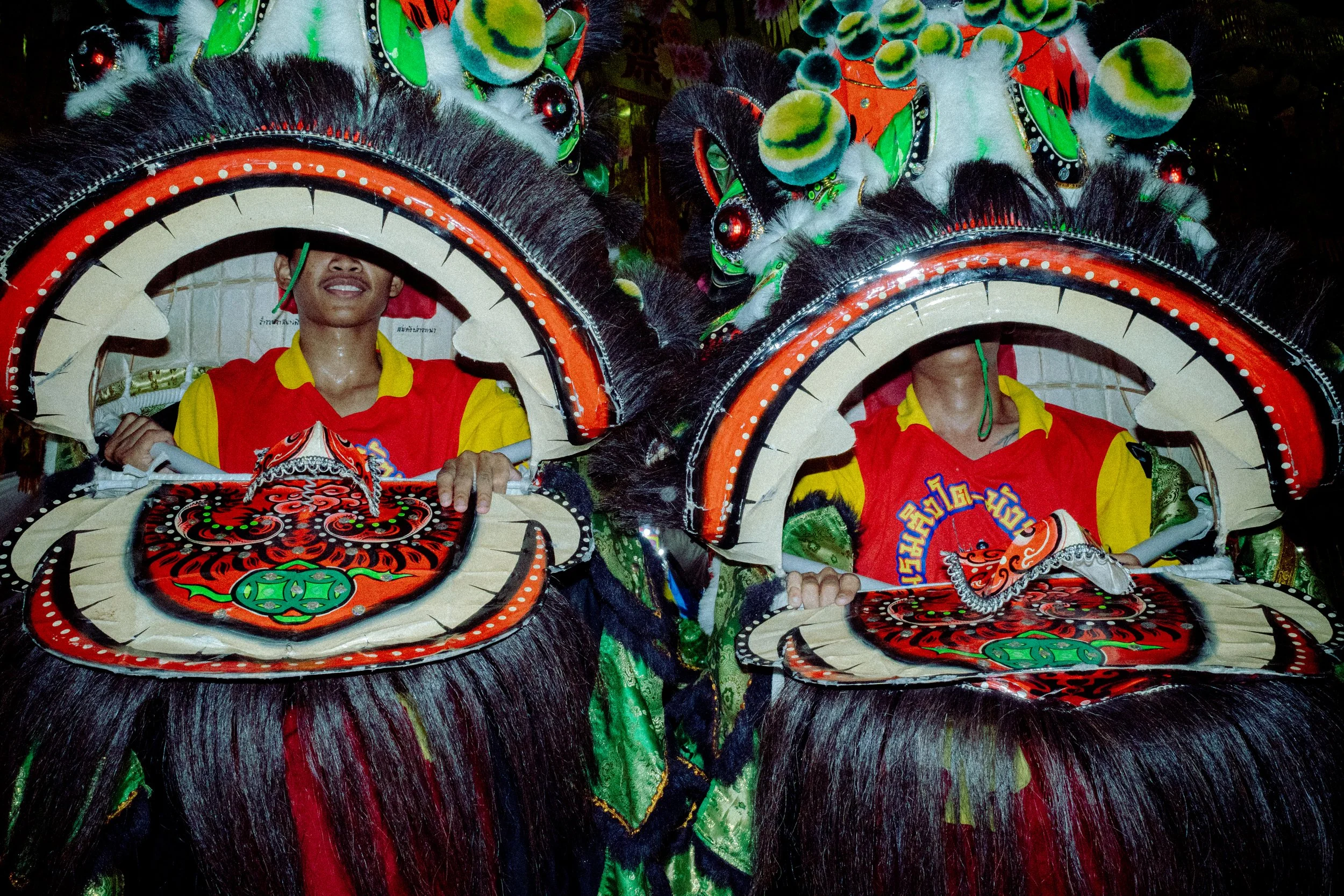
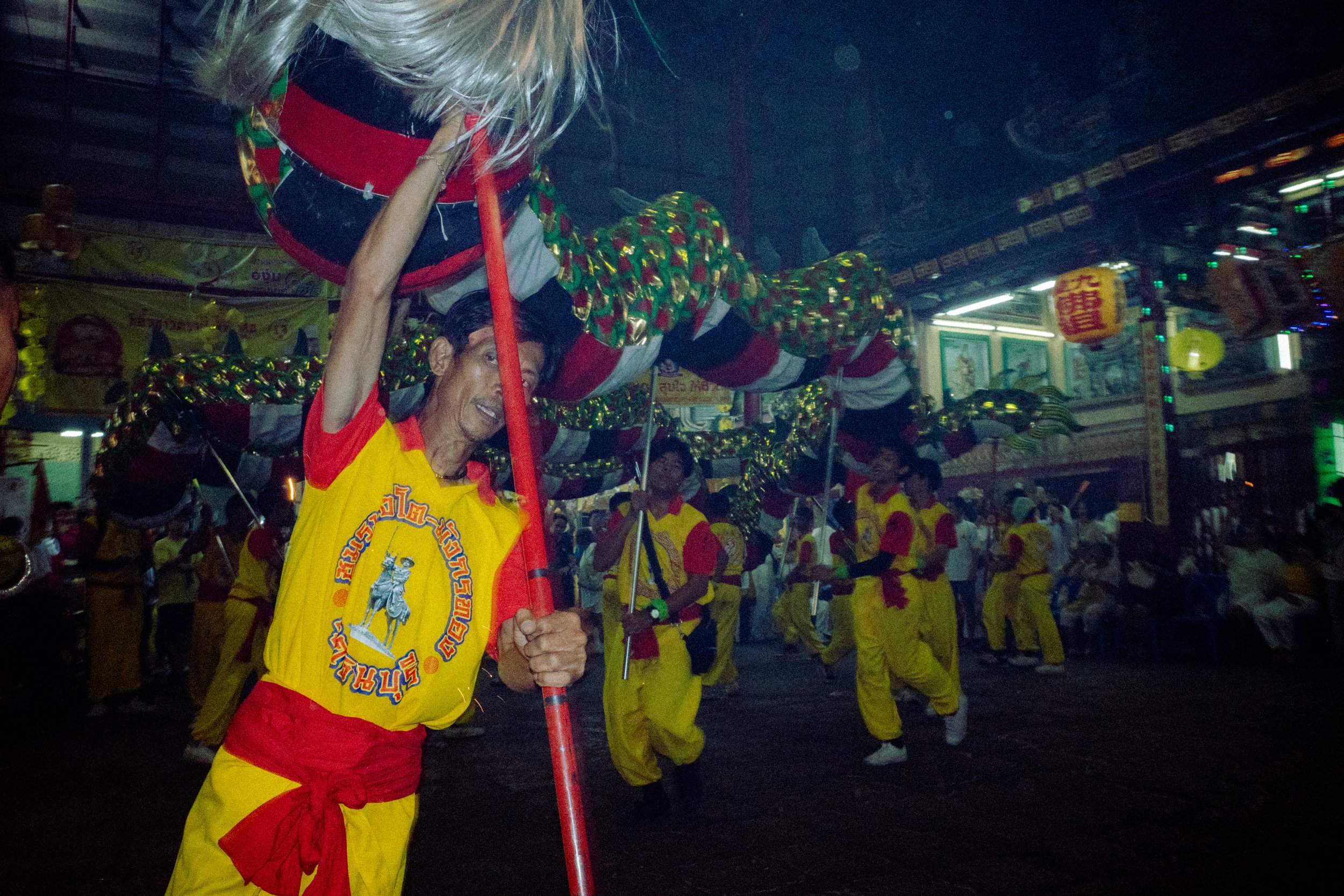
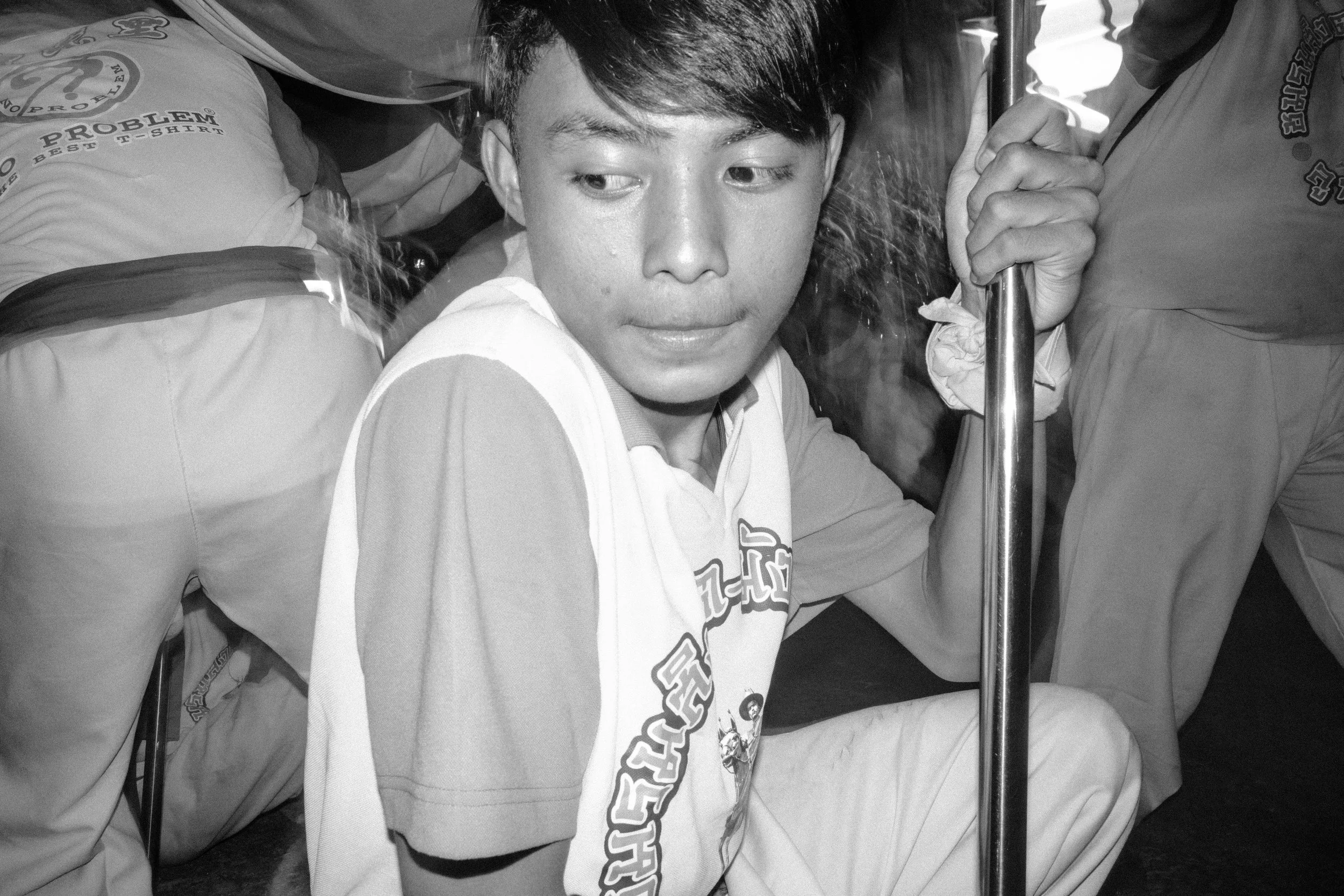
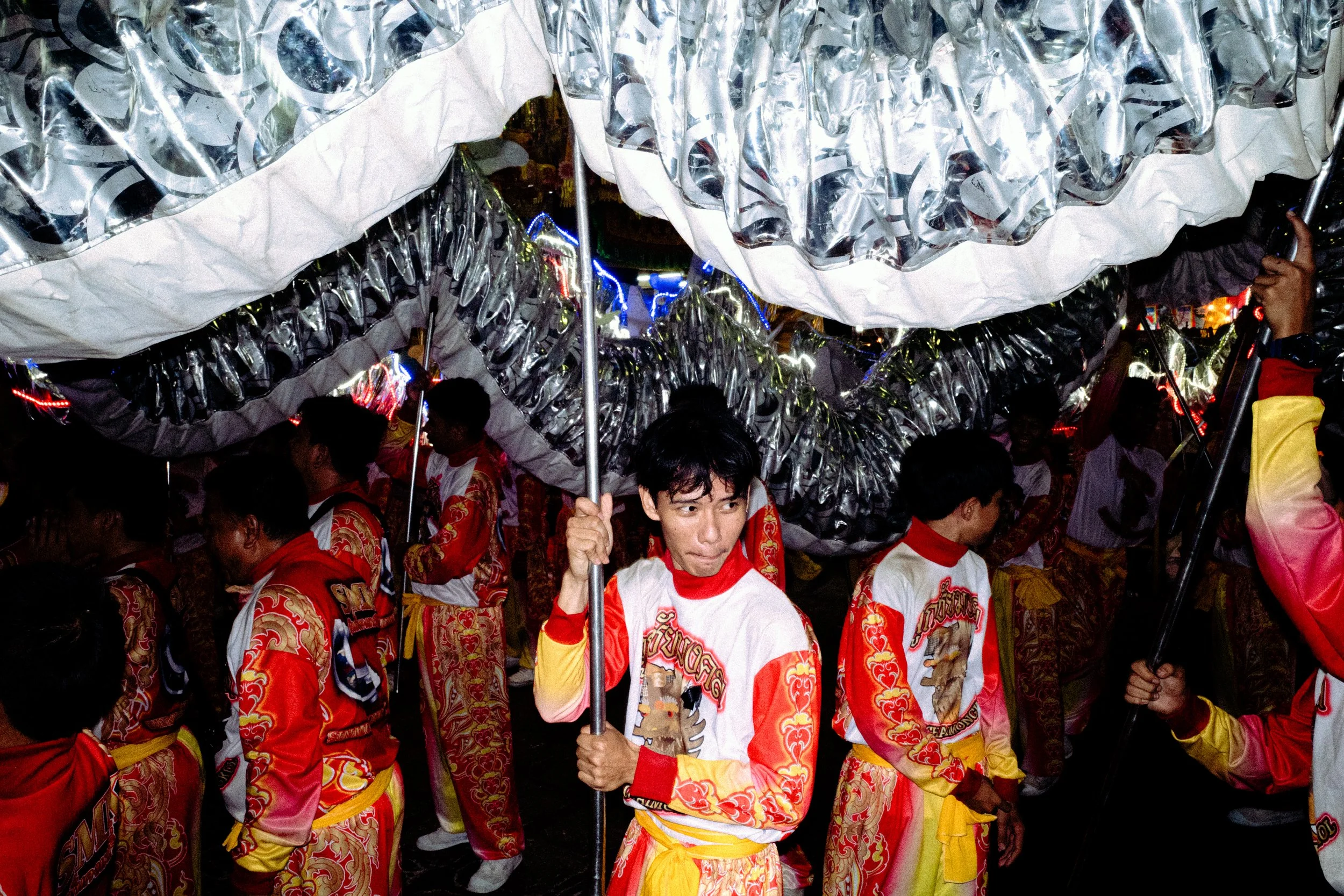
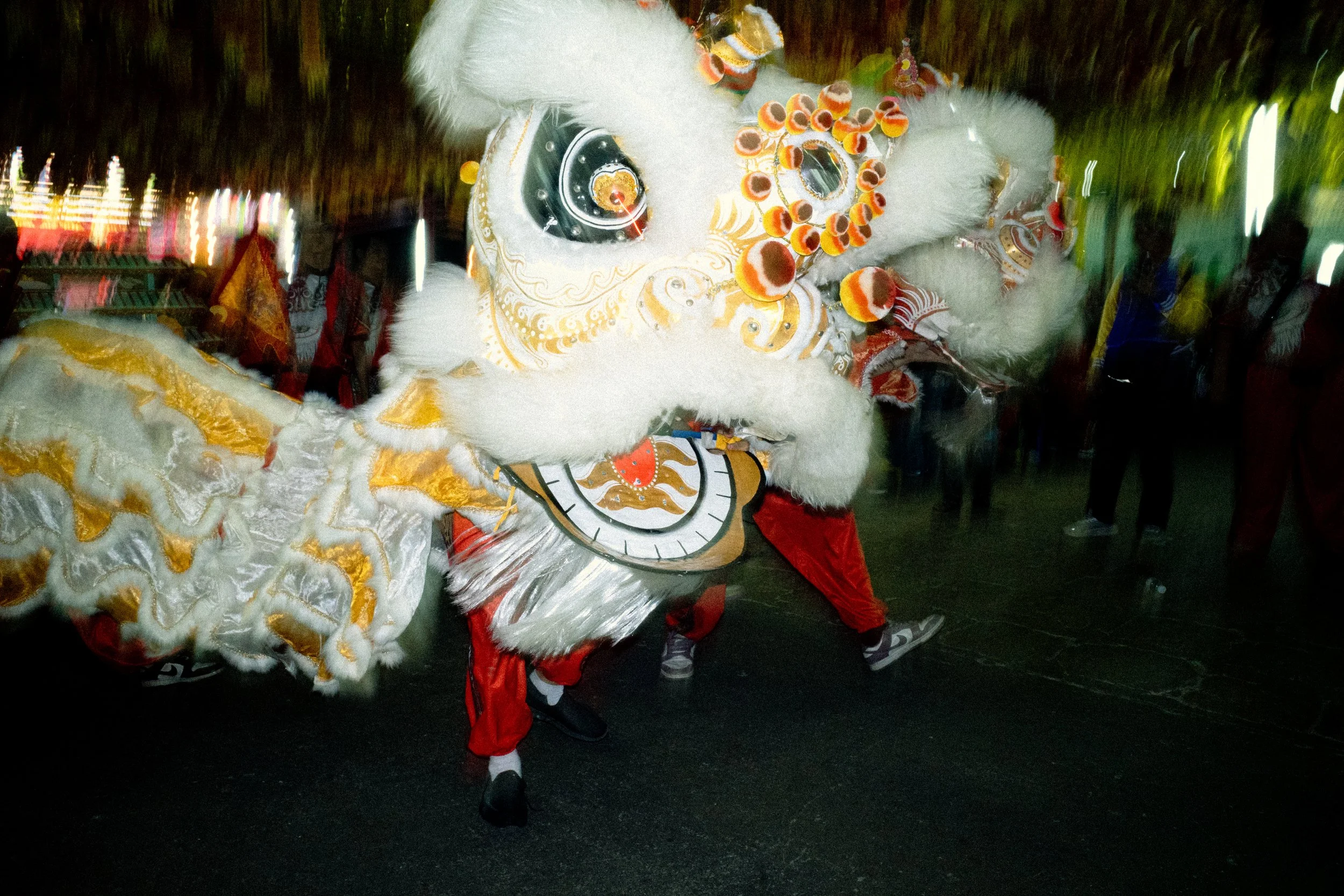
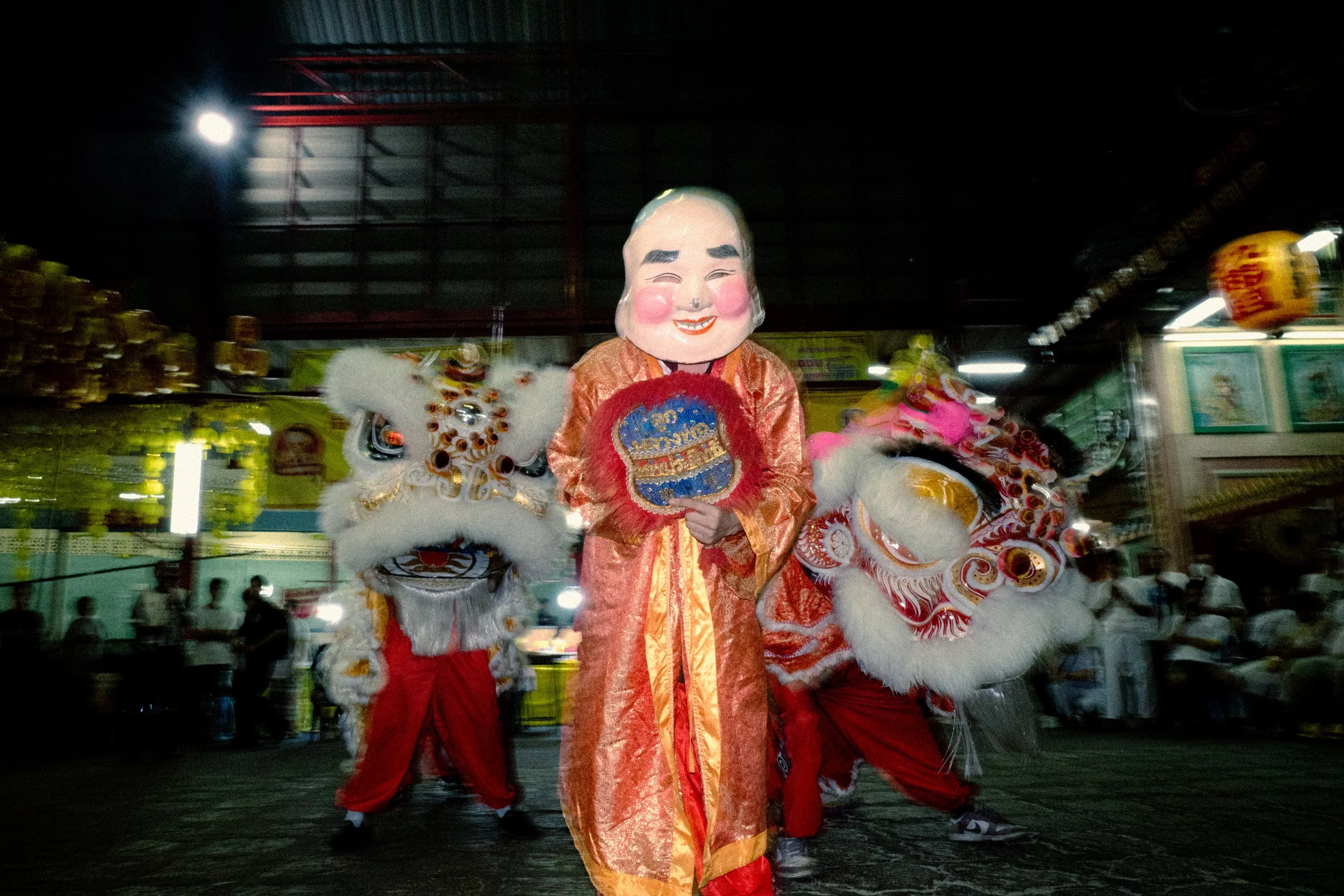
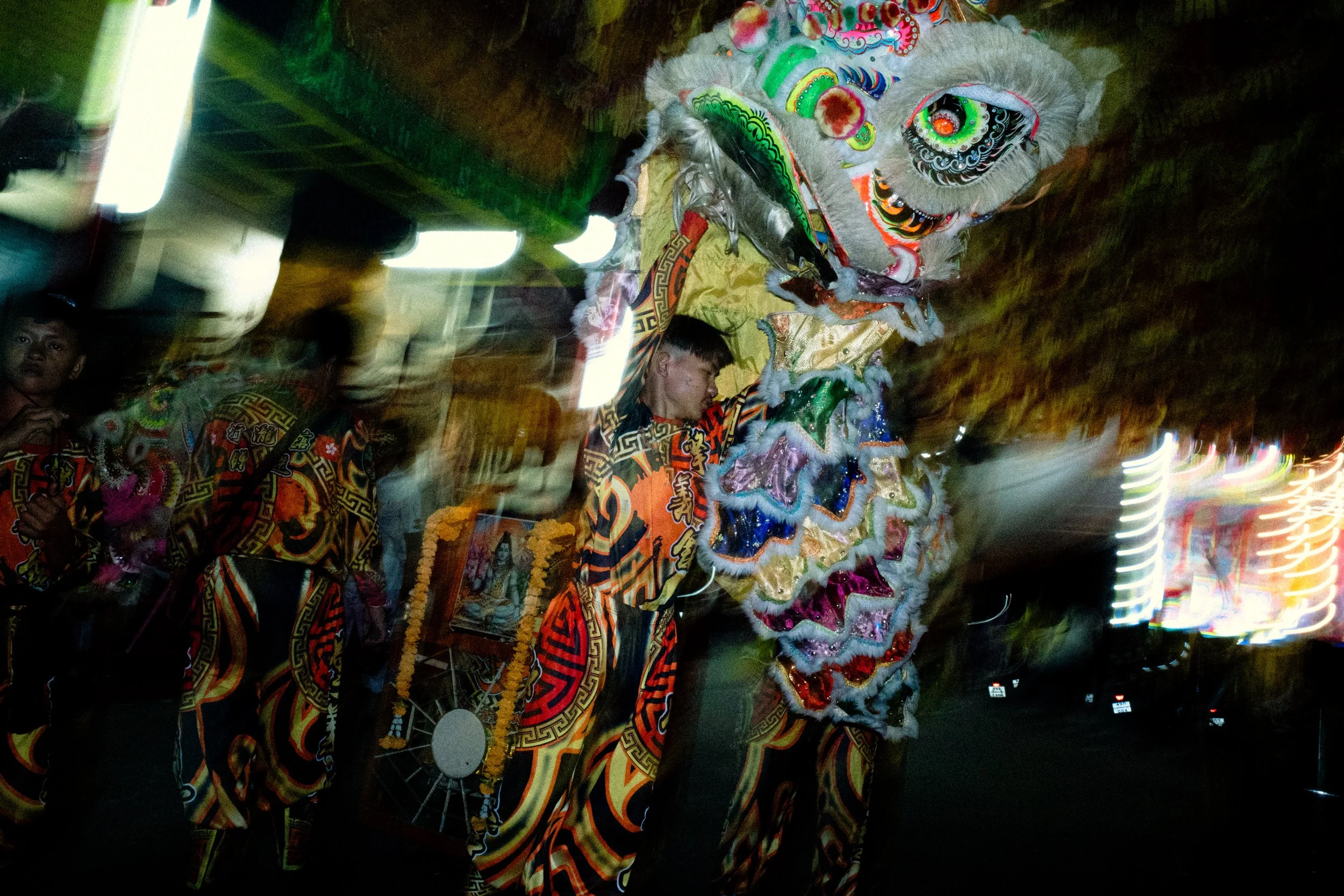
Flash creates images that feel raw, immediate, sometimes even intrusive in a good way. Highlights pop, shadows carve shapes, colors snap awake.
Flash gives you results that you just can’t achieve otherwise. Day or night, bright or dark, it always changes something. Whether that “something” is what you’re looking for… that’s another story.
2. Reactions (Yes, Really!)
I know what you might be thinking: “That’s exactly the problem.” And you’re not wrong. But it really depends on where you are.
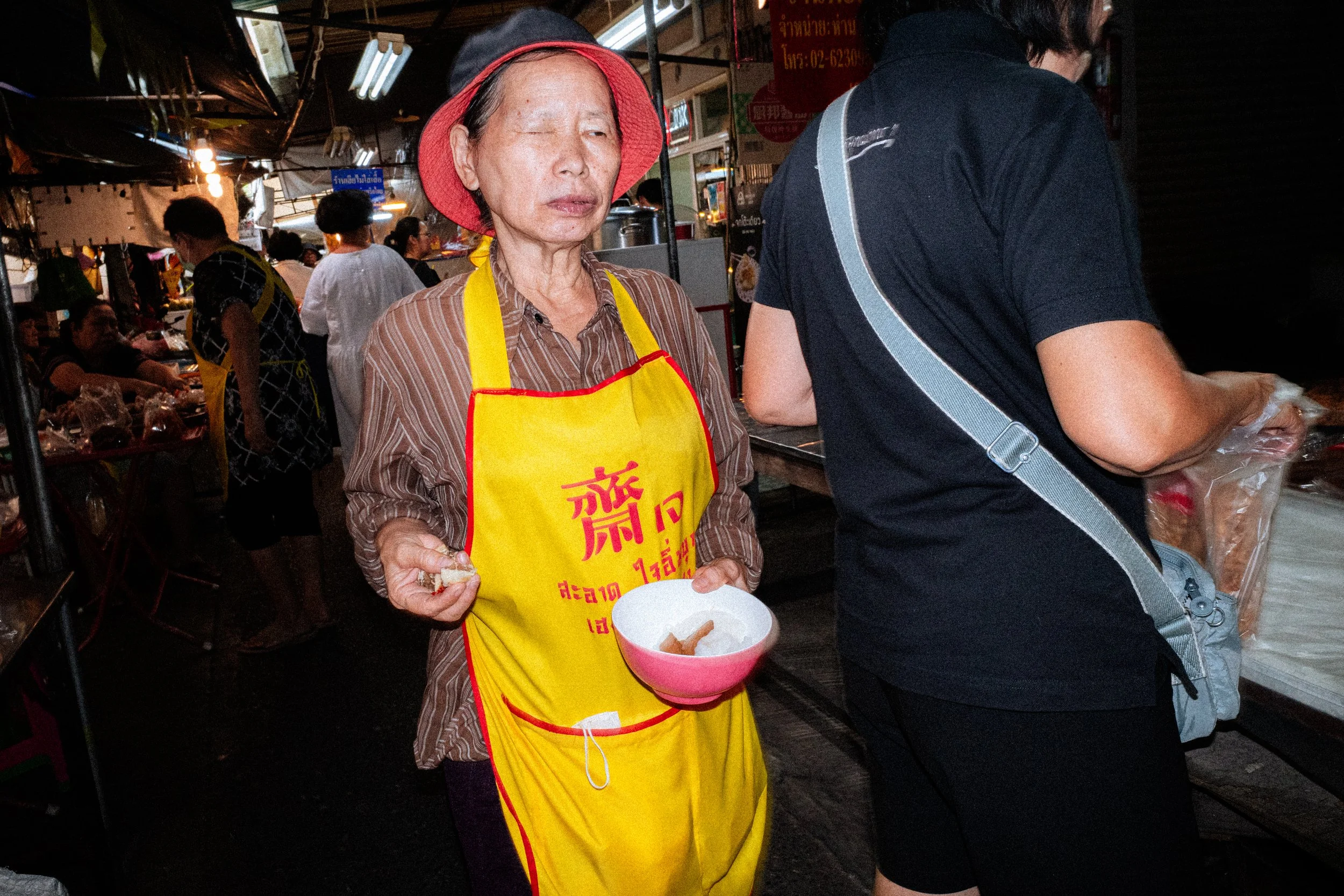
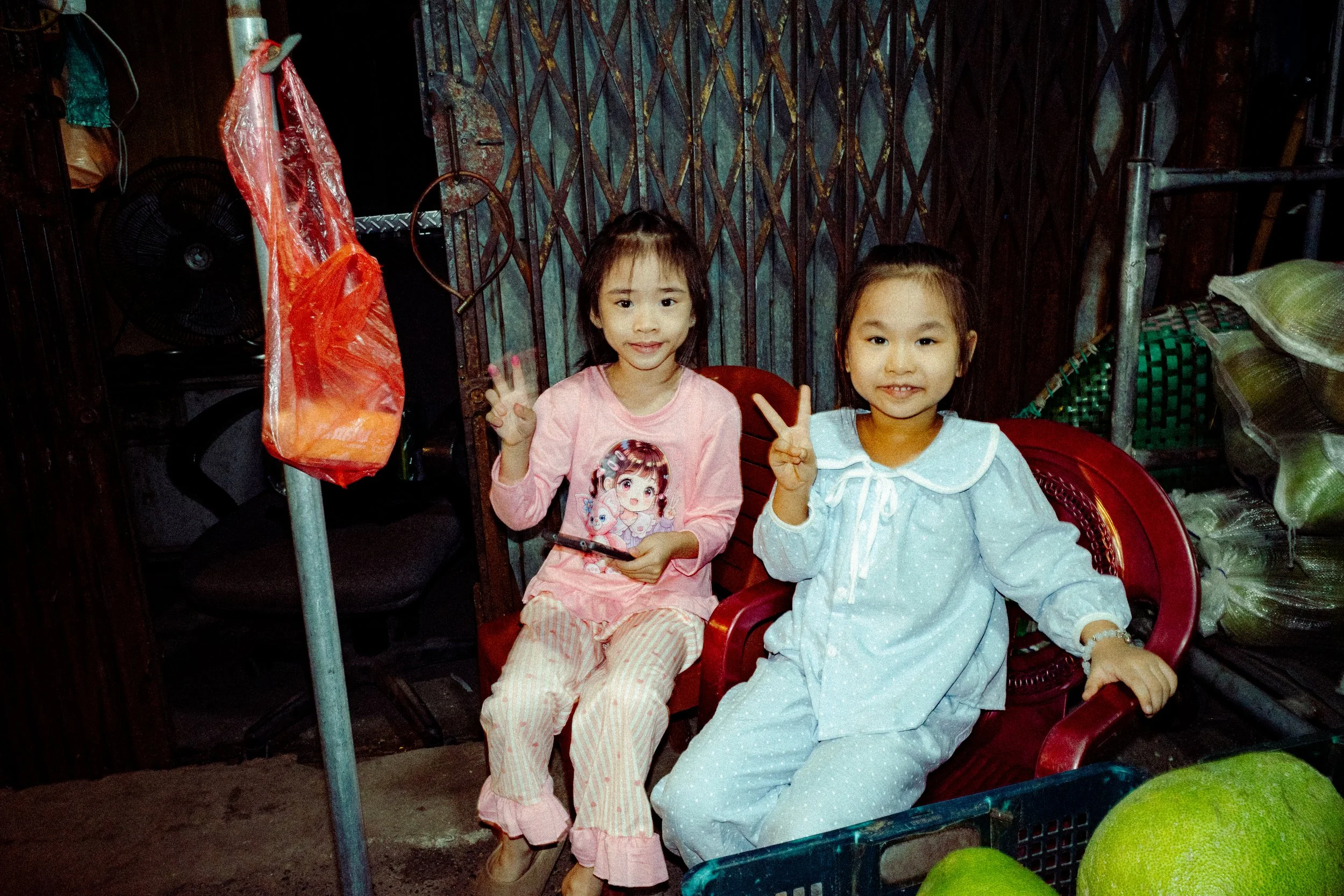
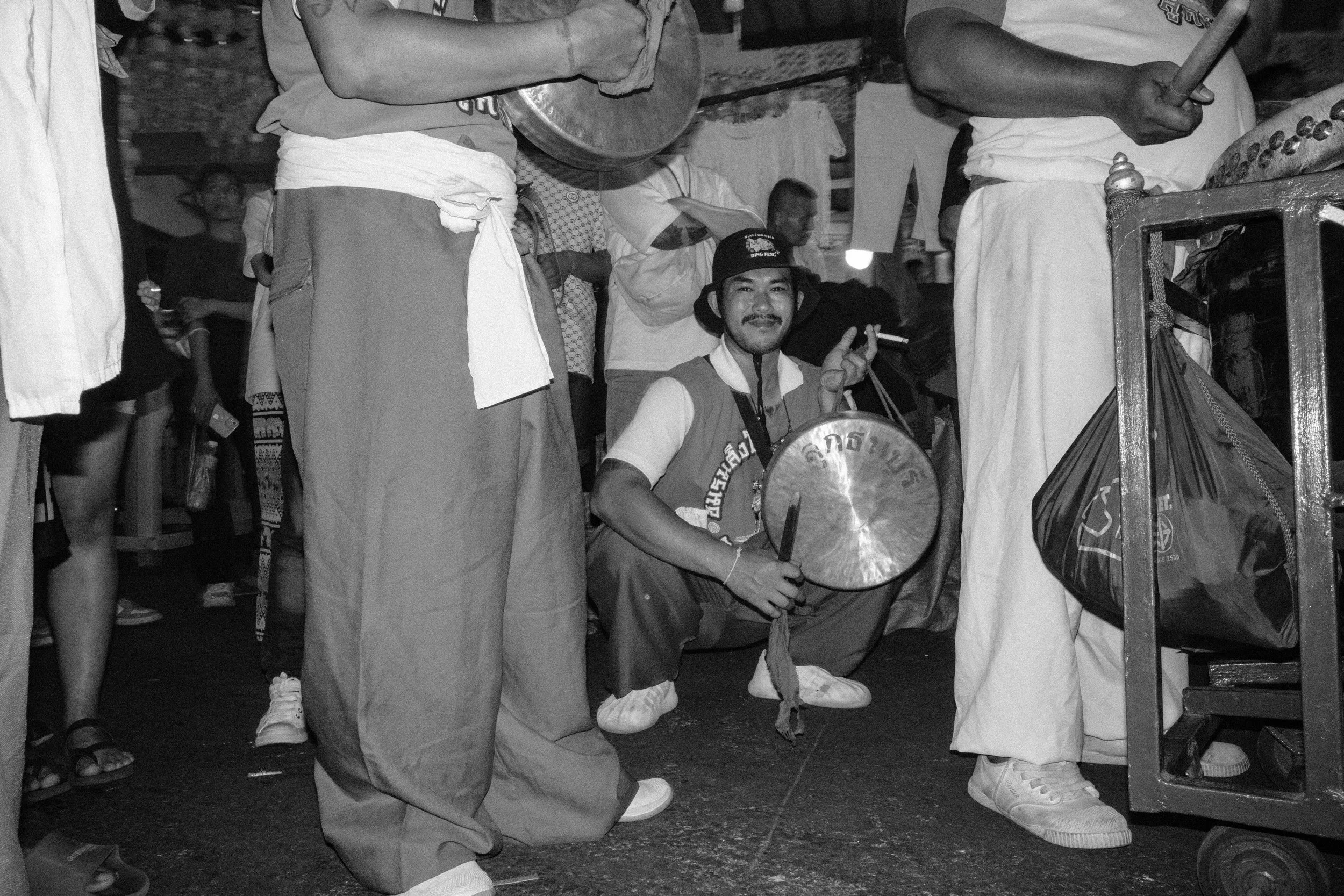
In some parts of the world, people genuinely don’t mind being photographed. Sometimes they’re even happy about it. During this trip, using flash often led to smiles, curiosity, and interactions.
It can actually be a great icebreaker.
In my case, I was using a very small flash, not a big professional setup. To most people, it just looked like a compact almost toy-like camera. I probably came across as a tourist more than anything else.
And if you smile, people often smile back.
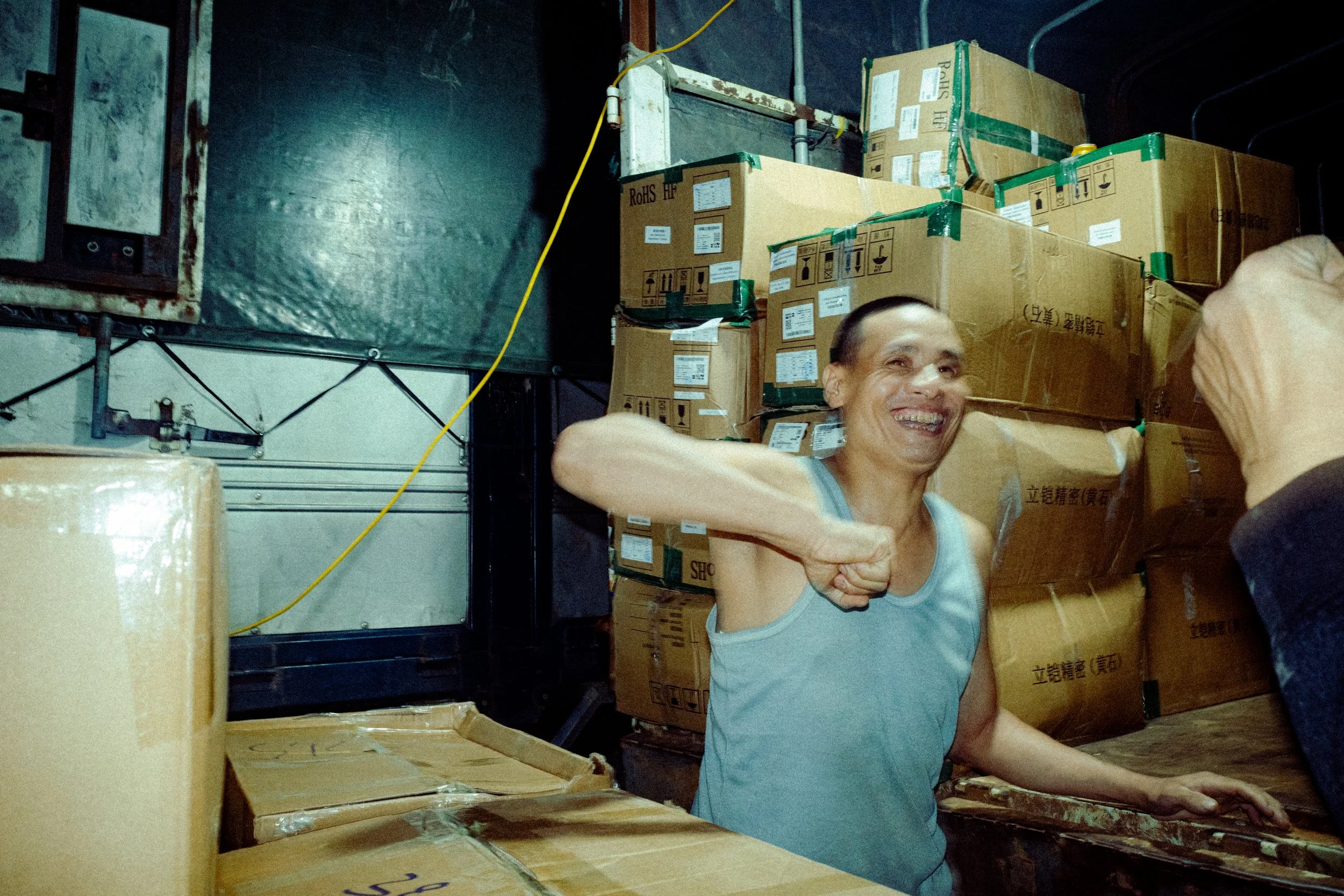
In places like Thailand and Vietnam, people take pride in their culture and daily life. Showing genuine interest, even while using flash, can lead to really meaningful interactions.
People become curious. They want to know what you’re doing.
I lost count of how many times I got invited for a cigarette or a coffee after taking a photo. In a night market in Vietnam, I was even invited to help out, moving crates and working alongside them for a while.
That’s something I didn’t expect.
Being visible, in those situations, wasn’t a bad thing at all.

Cons
At the same time, depending on your approach to photography, this can also be the biggest downside.
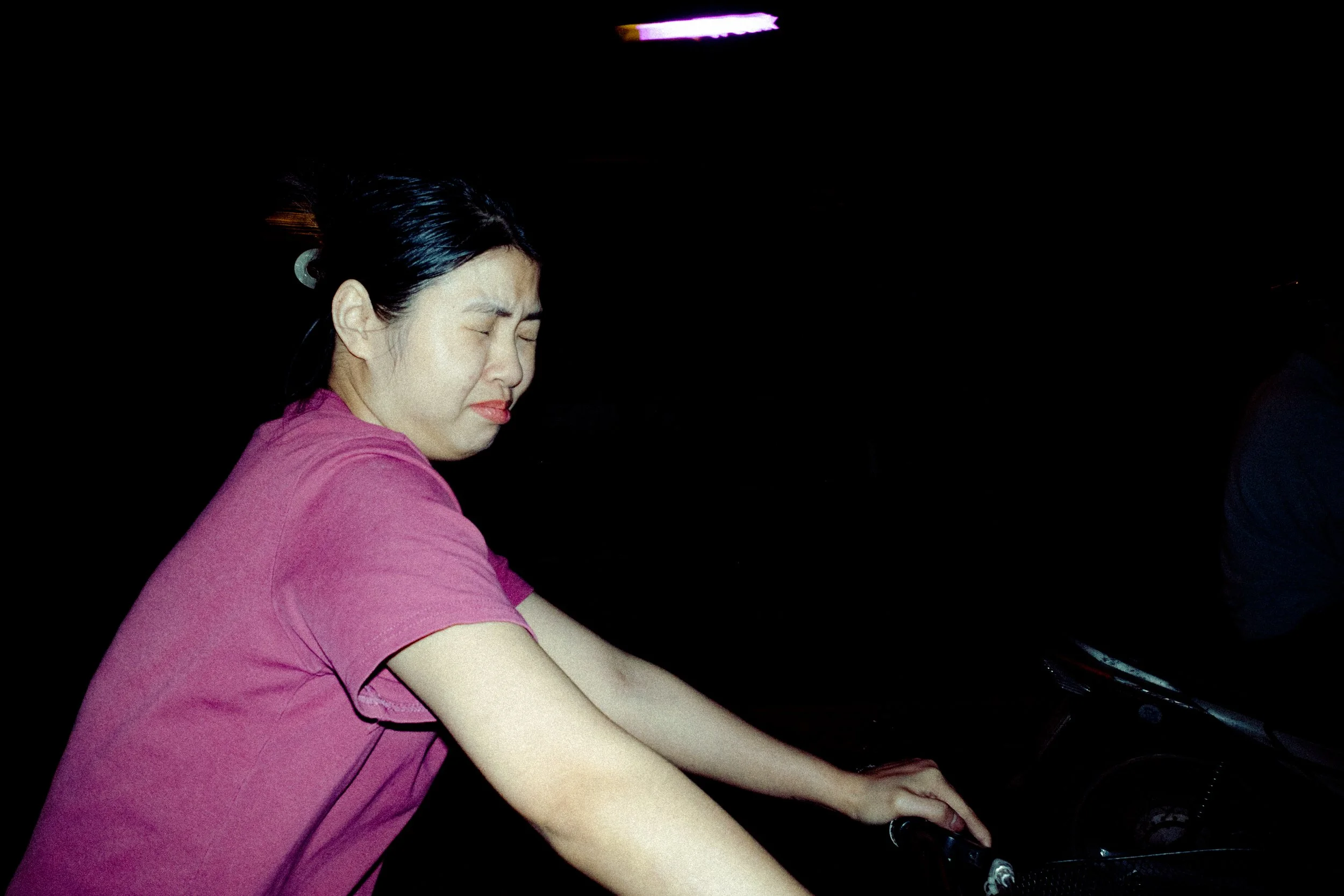
If your goal is to stay invisible and not influence the scene, flash does the exact opposite. You will be noticed.
And that alone can be enough of a reason not to use it.
Personally, I still prefer a more discreet approach most of the time. Even though I never really had negative experiences while using flash, I don’t always want that level of attention.
Final Thoughts
Other than that, I don’t really see major downsides.
When it comes to experimenting, learning, and growing as a photographer, there aren’t many real “cons.” Some situations work with flash, others don’t.
That’s something you’ll figure out with time and experience.
The only thing I can really say is: try it.
Not necessarily as your main approach, but as an experiment. As a way to learn something new, regardless of the results.
This blog will always remain ad-free.
If you enjoy my blog and would like to support my work, consider leaving a tip or visiting my shop, where you'll find my personal Lightroom presets, zines & camera guides.
Every bit of support goes directly back into creating new photography content, including YouTube videos, blog posts, camera guides, and, of course, more presets and zines, with the occasional freebie for everyone along the way.
Thank you for reading. <3
I created this guide to share my personal approach to street photography with the Fujifilm X-E4, breaking down the essence of how I use this camera and showing the settings that I consider truly essential, as well as the ones I believe can be ignored in order to achieve a faster, simpler and more intuitive shooting experience.
This was my first Fujifilm camera, and probably the only one I will never get rid of. I have dedicated a video and a blog post to explaining why, as well as another video and blog post where I go through the accessories that made this camera so versatile that it became the only Fujifilm camera that has truly convinced me so far.
Before we begin, there is something important to clarify.
This is not meant to be a complete Fujifilm X-E4 manual.
The settings I will show you are not necessarily the ones that will perfectly match your style, habits, or creative process.
They are simply the choices that, after spending a significant amount of time with this camera, have become essential to my own workflow.
Think of this as a personal recipe rather than a universal instruction manual.
Take what works for you, ignore what does not.
⚠️ As this is a digital product, refunds are not available. However, if you have any questions or experience any issues with your purchase, feel free to email me at karisma.business.inquiries@gmail.com. I'll get back to you as soon as possible!
🌱 Thank you for considering a purchase. Every bit of support goes directly back into creating new photography content, including YouTube videos, blog posts, camera guides, and, of course, more presets and zines, with the occasional freebie for everyone along the way.
I genuinely appreciate your support. Thank you for being part of the journey.