How to Be Invisible in Street Photography
Note: This post contains affiliate links. Purchases made through them may earn me a small commission at no extra cost to you, helping support the blog and future photography content.
Thank You!
Premise!
Depending on your philosophy when it comes to photography, you may or may not want to be noticed during your street sessions.
With a few rare exceptions (like during my trip to Asia, where I spent about a month experimenting with flash) I generally prefer a more subtle, more cerebral approach.
Wanting to be invisible doesn’t come from fear of consequences if someone notices you. You’re not doing anything wrong or illegal (I’ve even dedicated a blog post to this - read it here).
It comes from the desire to preserve the energy of a scene.
The moment you’re noticed, people change. They interrupt what they’re doing, they become aware, they perform. And you, in turn, lose that clarity you would’ve had if you had remained unseen.
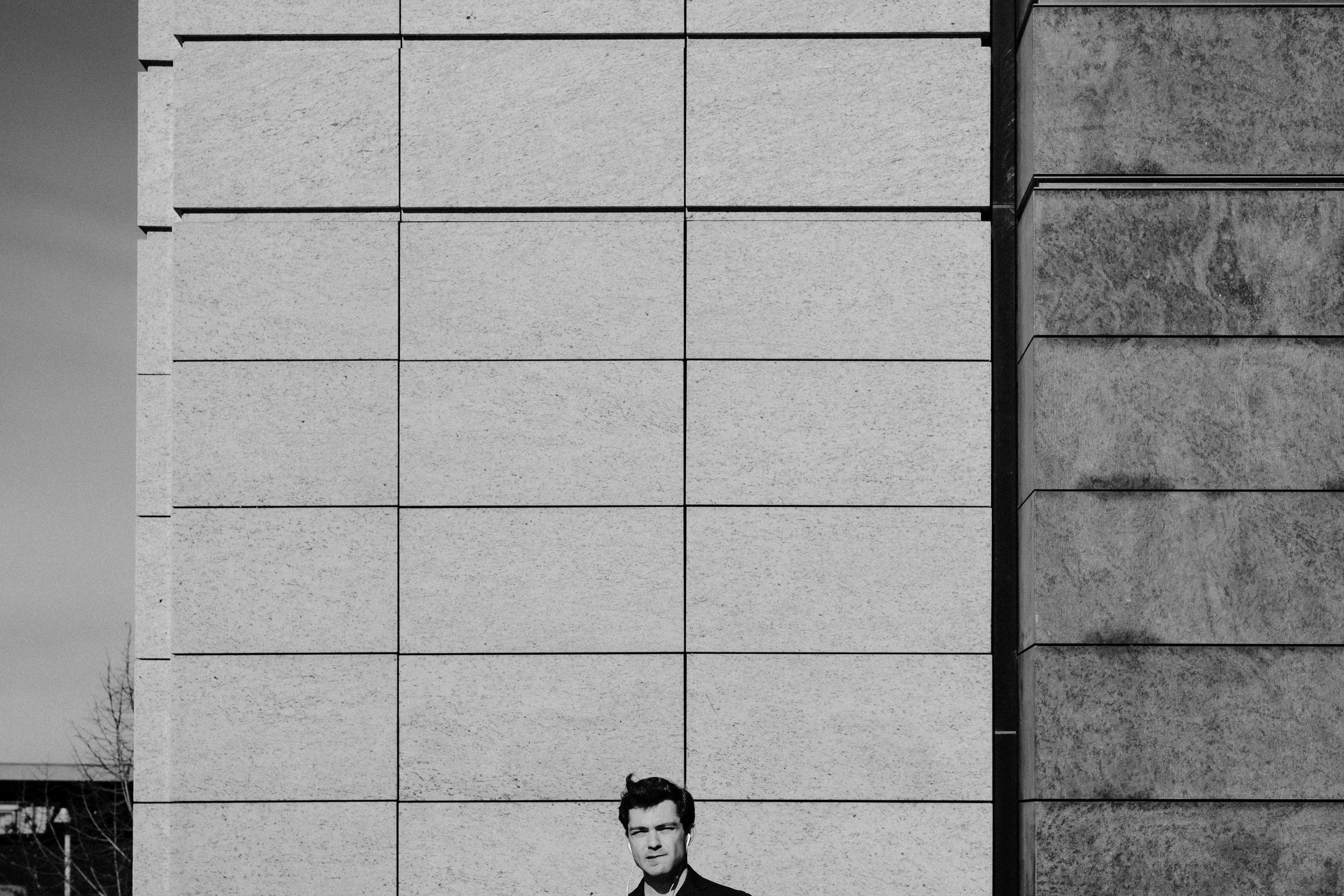
Learning to Disappear
Over time, I’ve developed a series of habits that have made me almost invisible during my sessions - or at the very least, far less intrusive.
Let’s start with gear, then we’ll move into approach.
You have to assume that the person you’re photographing knows absolutely nothing about cameras. No knowledge of bodies, lenses, specs. Nothing.
Their first impression of you is purely visual.
To the average person:
the bigger the lens, the more “professional” it looks
the bulkier the camera, the more serious it feels
And honestly, it makes sense.
If someone pointed a small handgun at you or an RPG, both would be dangerous - but you’d react very differently to each.
Same logic applies to camera gear.
The Ricoh GR III: Discretion Defined
That’s why my first camera was the Ricoh GR III.
It’s the definition of discretion. Compact, silent, almost toy-like in appearance. From the outside, you look like a tourist at most. Maybe even just someone casually taking snapshots.
And nobody worries about ending up in a tourist’s photo.
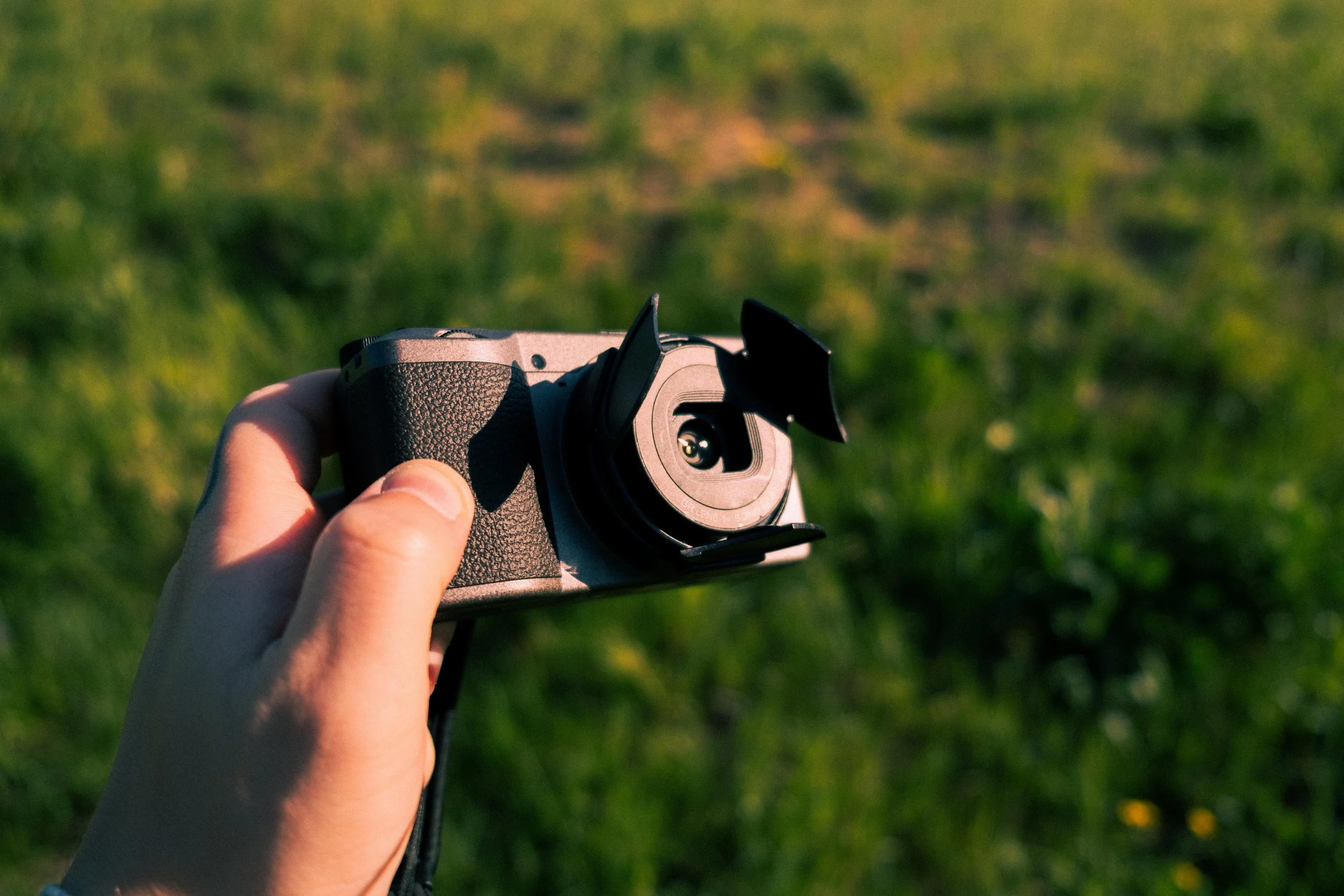
The compactness of the Ricoh GR III. You can purchase it here → AMAZON
But there’s a trade-off: the focal length.
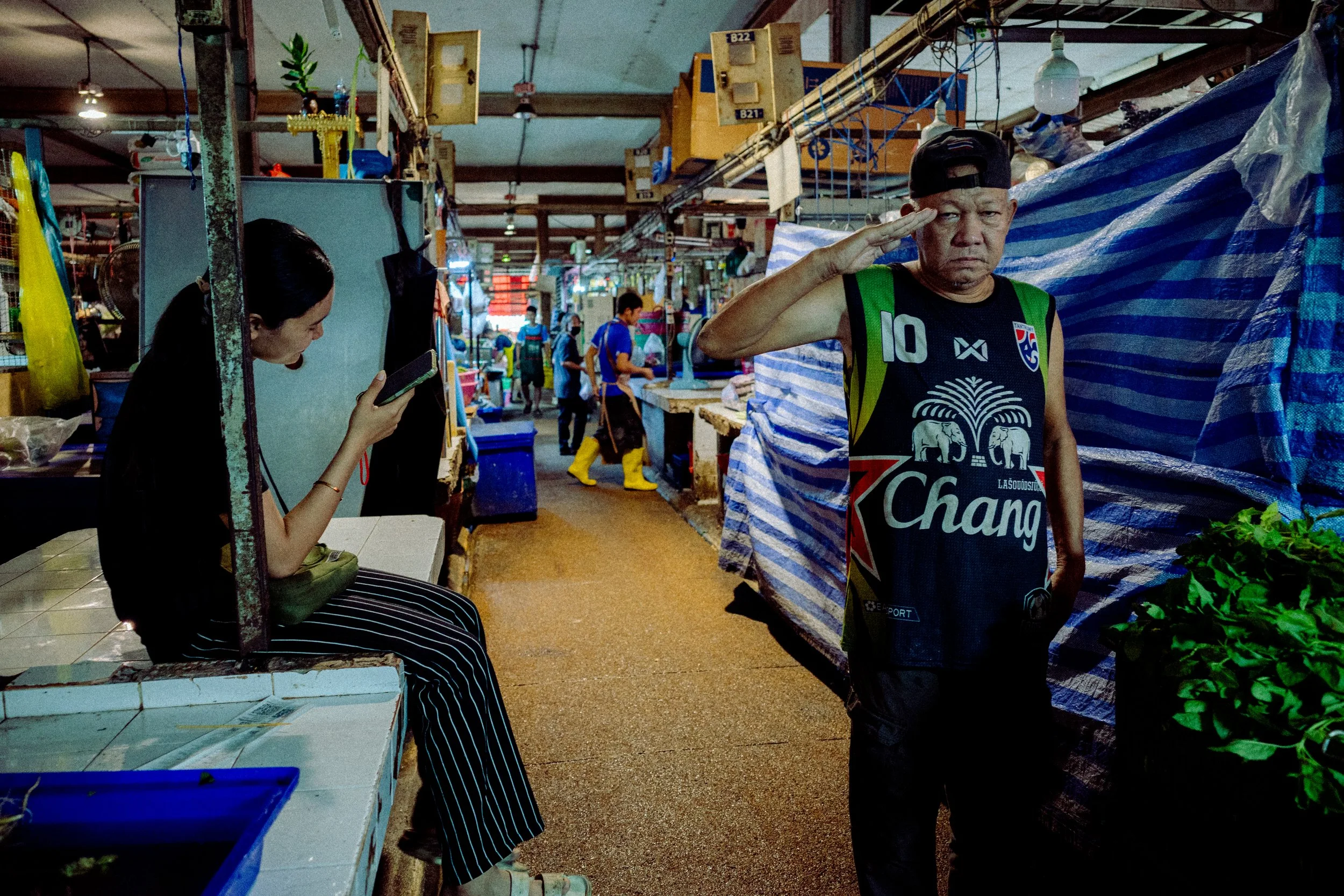
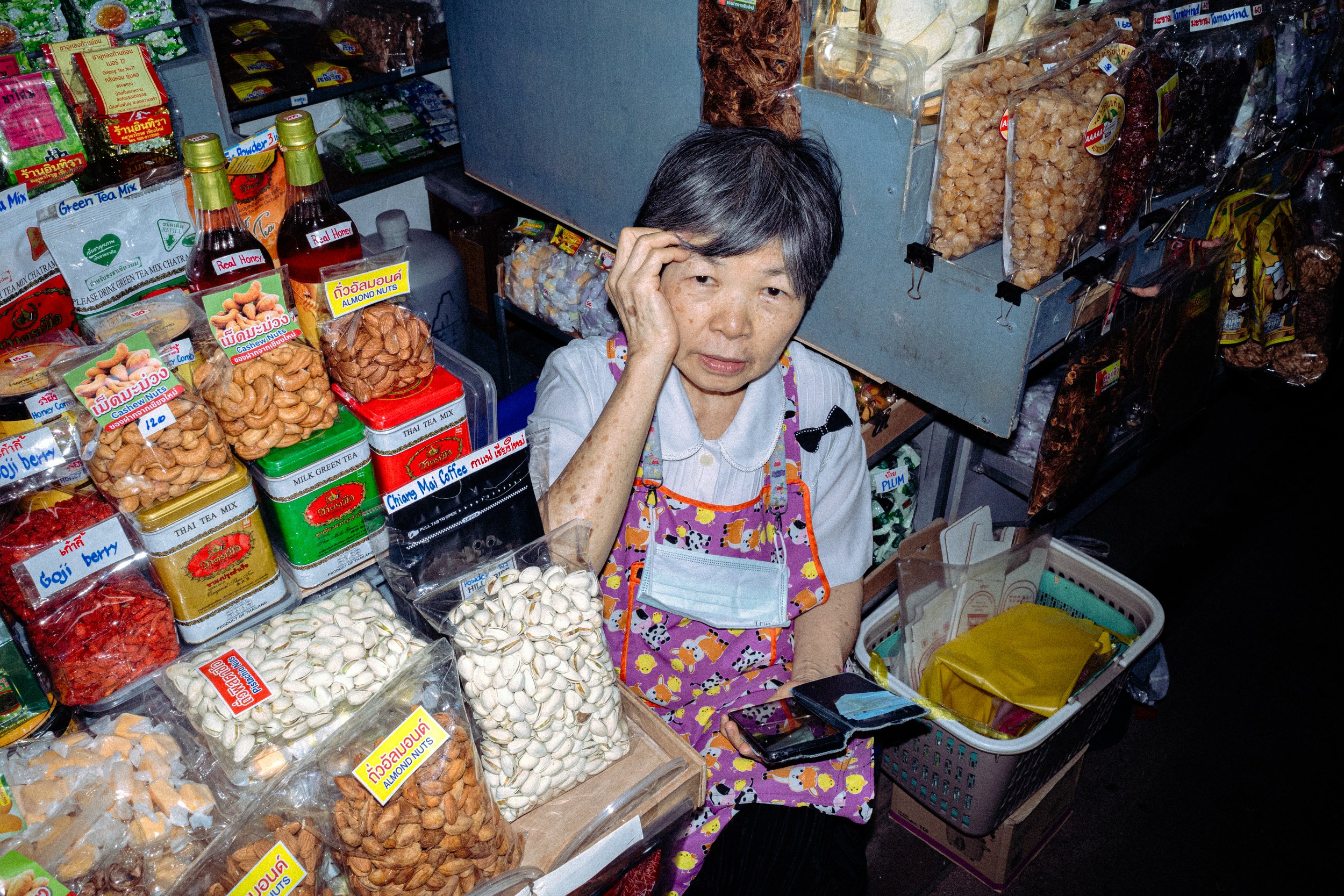
A 28mm lens, unless used for landscapes, forces you to get close. Very close.
Close enough to be seen. Close enough to be obvious.
And once that happens, you can’t predict the reaction.
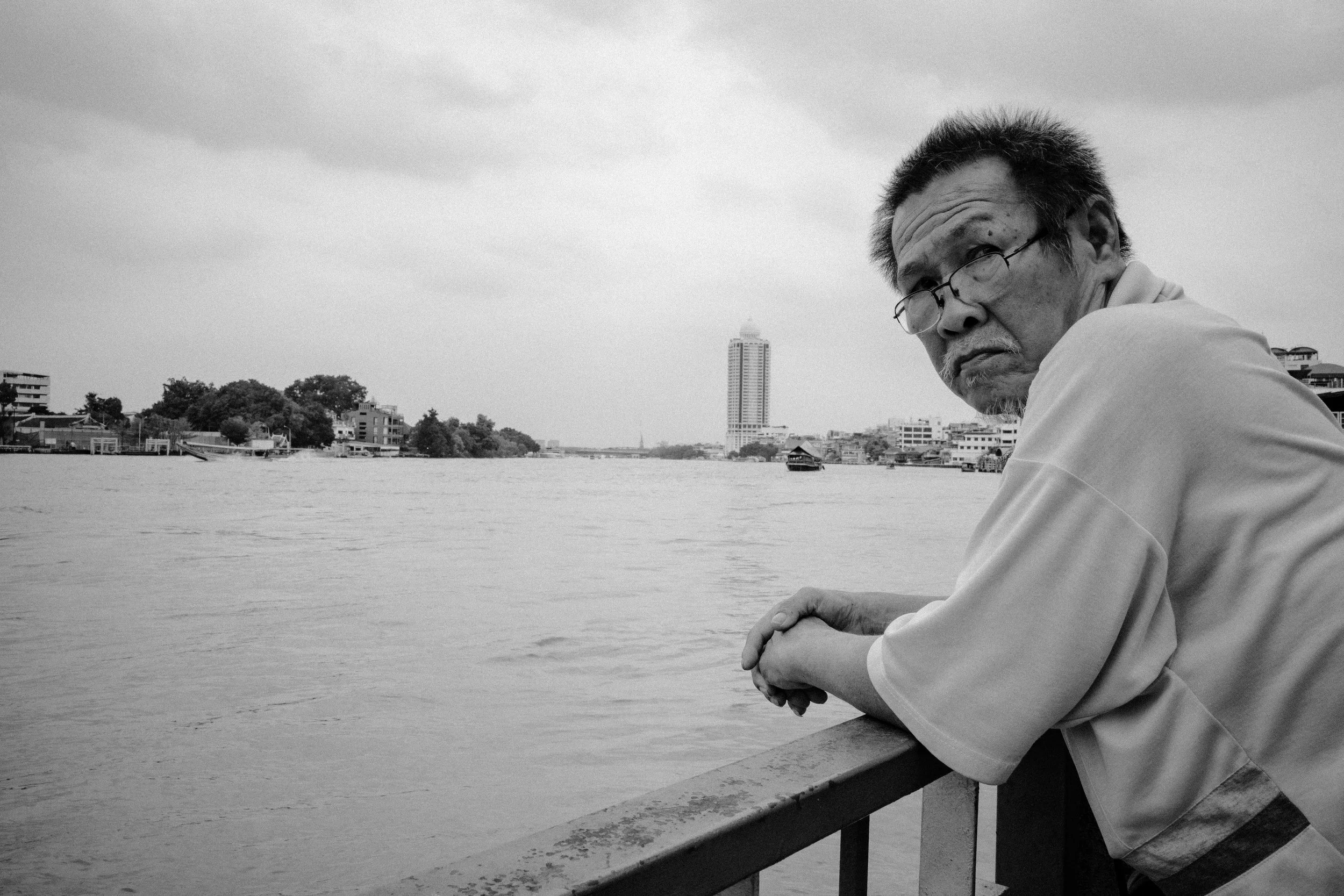
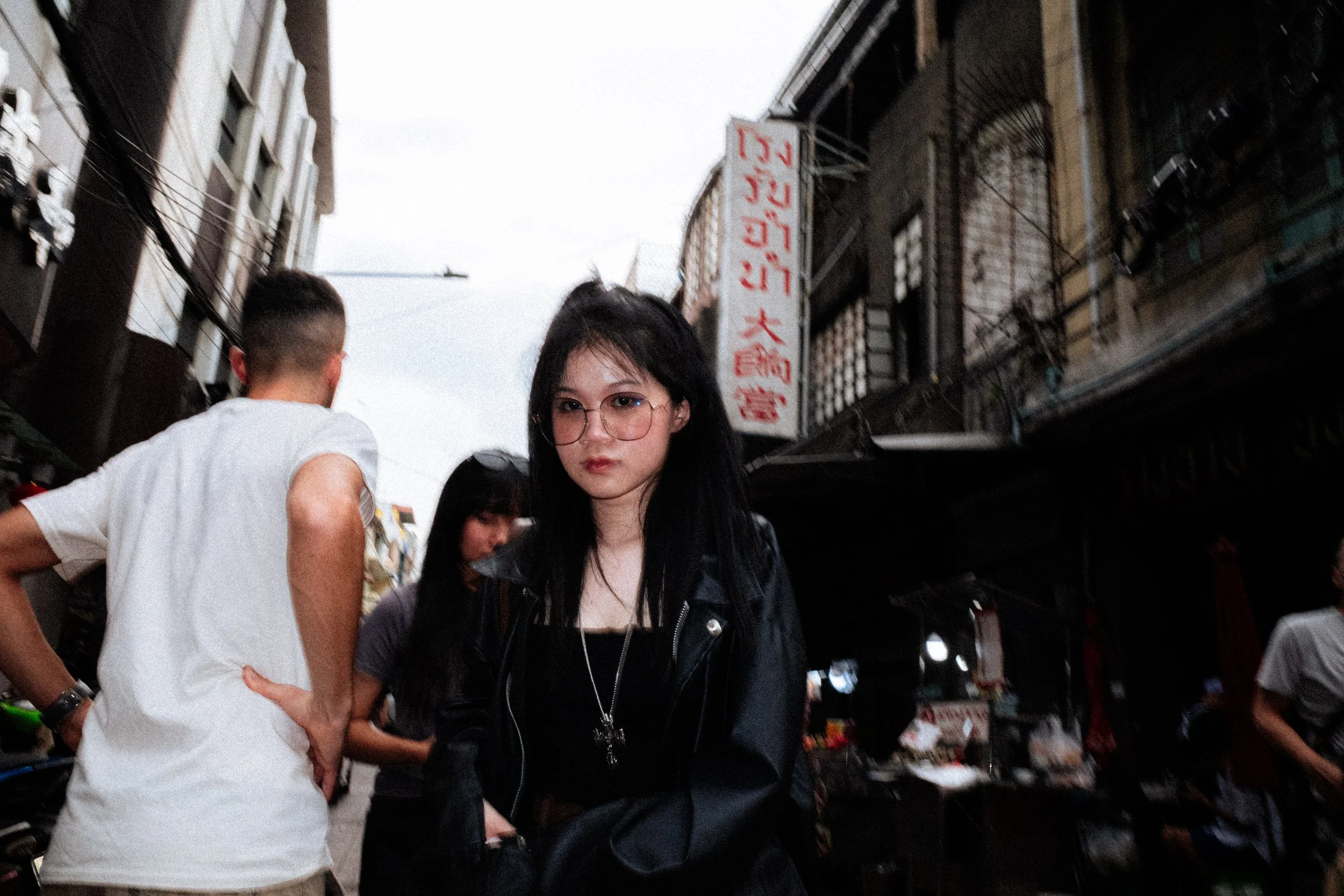
Approaches in the Field
There are ways to deal with that.
One of them is the so-called “spray and pray”.
Not my favorite approach: I like to know what I’m shooting rather than firing blindly.
It doesn’t require the highest level of technical skill, but it does require a trained eye. You need to anticipate or recognize a moment before it fully unfolds.
At that point, it becomes a question of ethics:
Do you care more about getting the shot, or how you get it?
A similar approach is shooting from the hip. To me, it’s essentially the same idea. Just a different label.
When You Get Noticed
Another approach, one that comes with experience, is something I developed almost as a defense mechanism.
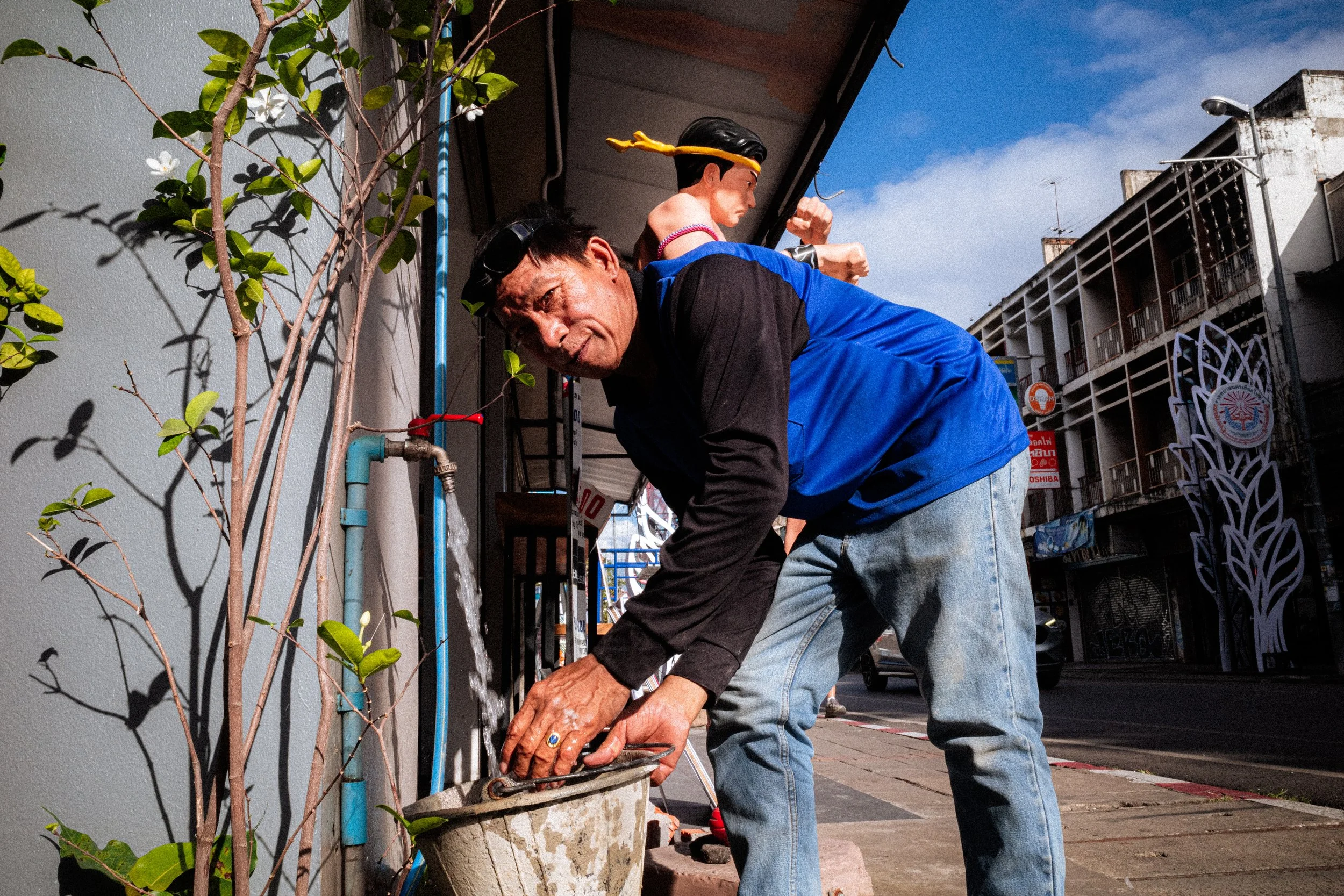
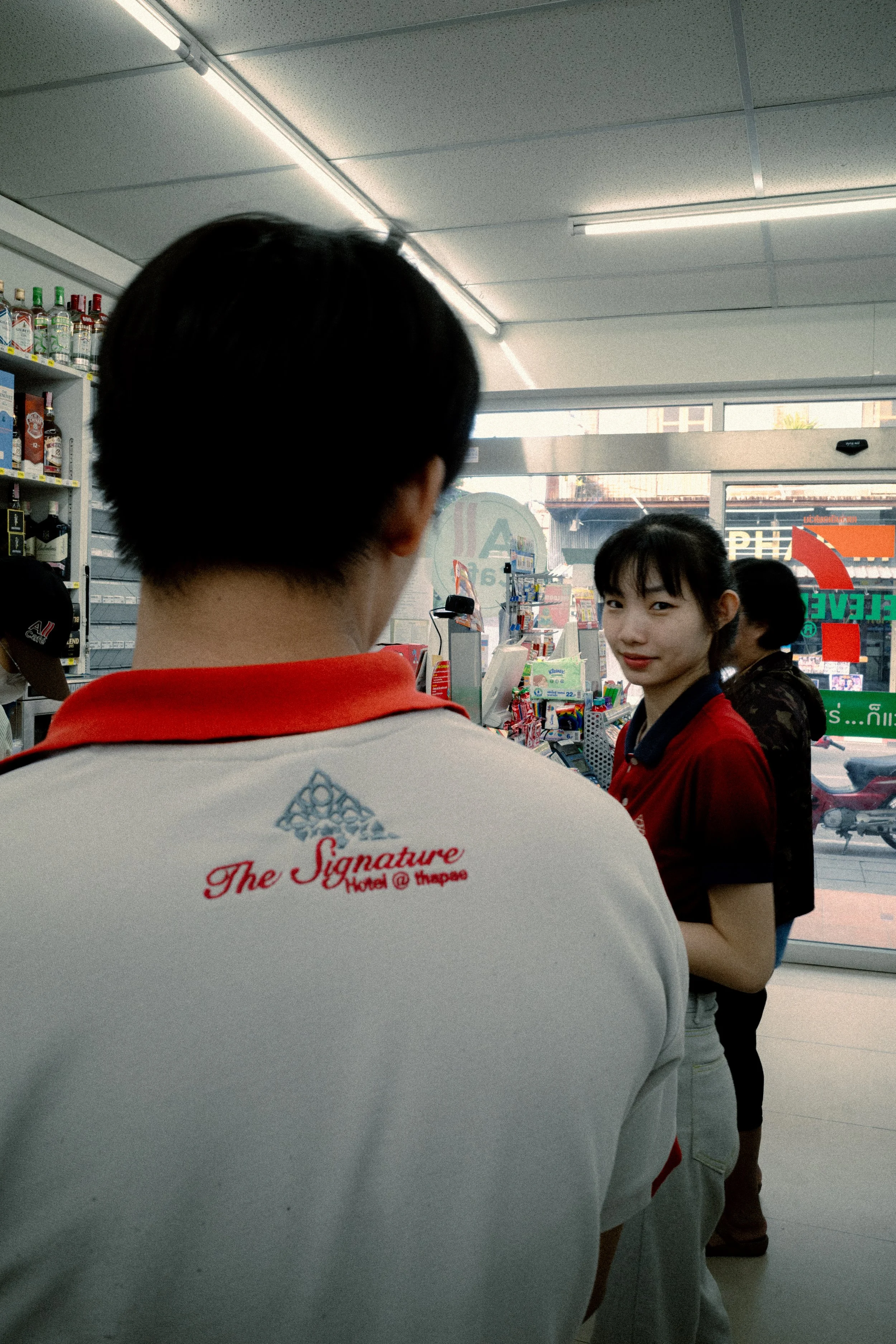
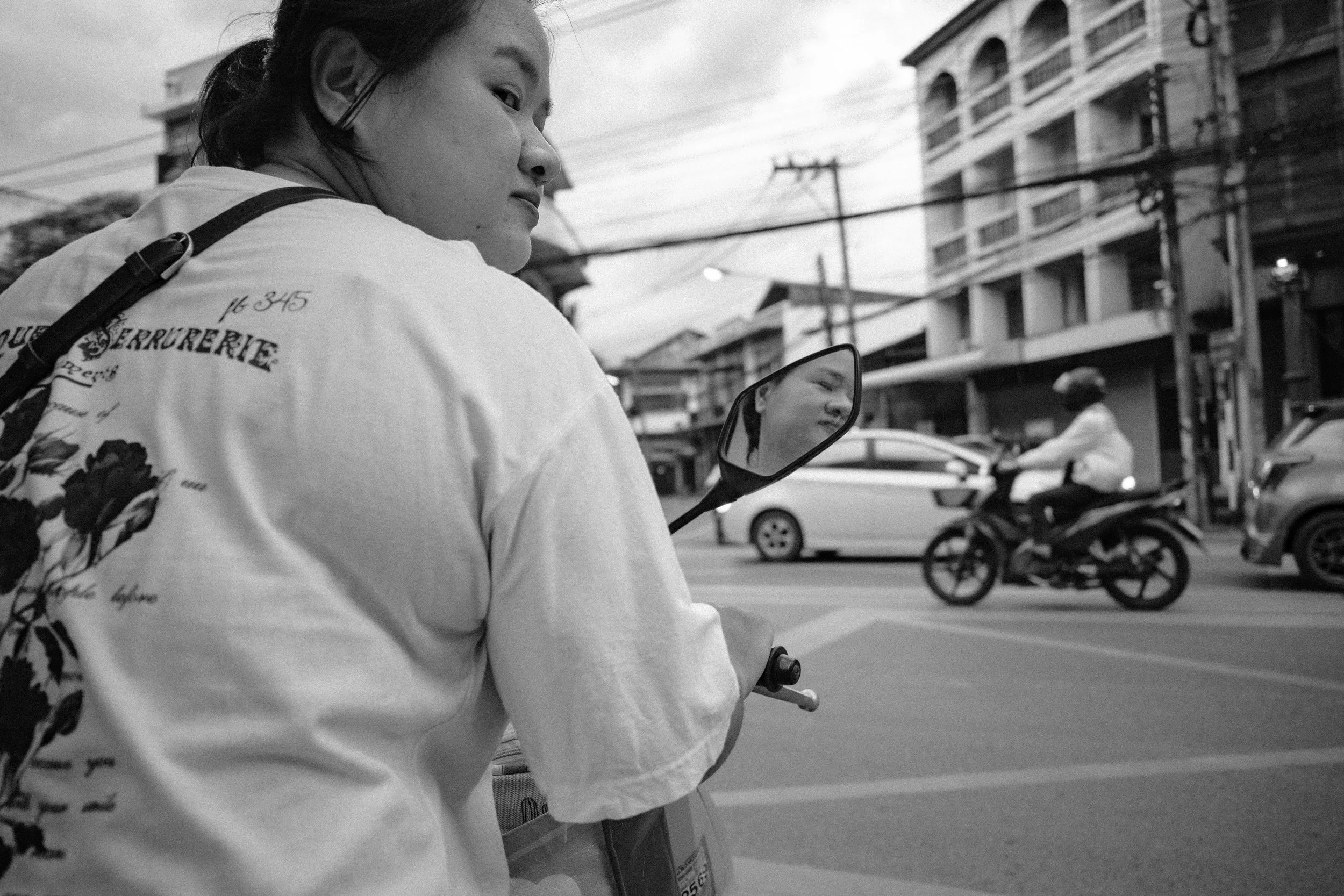
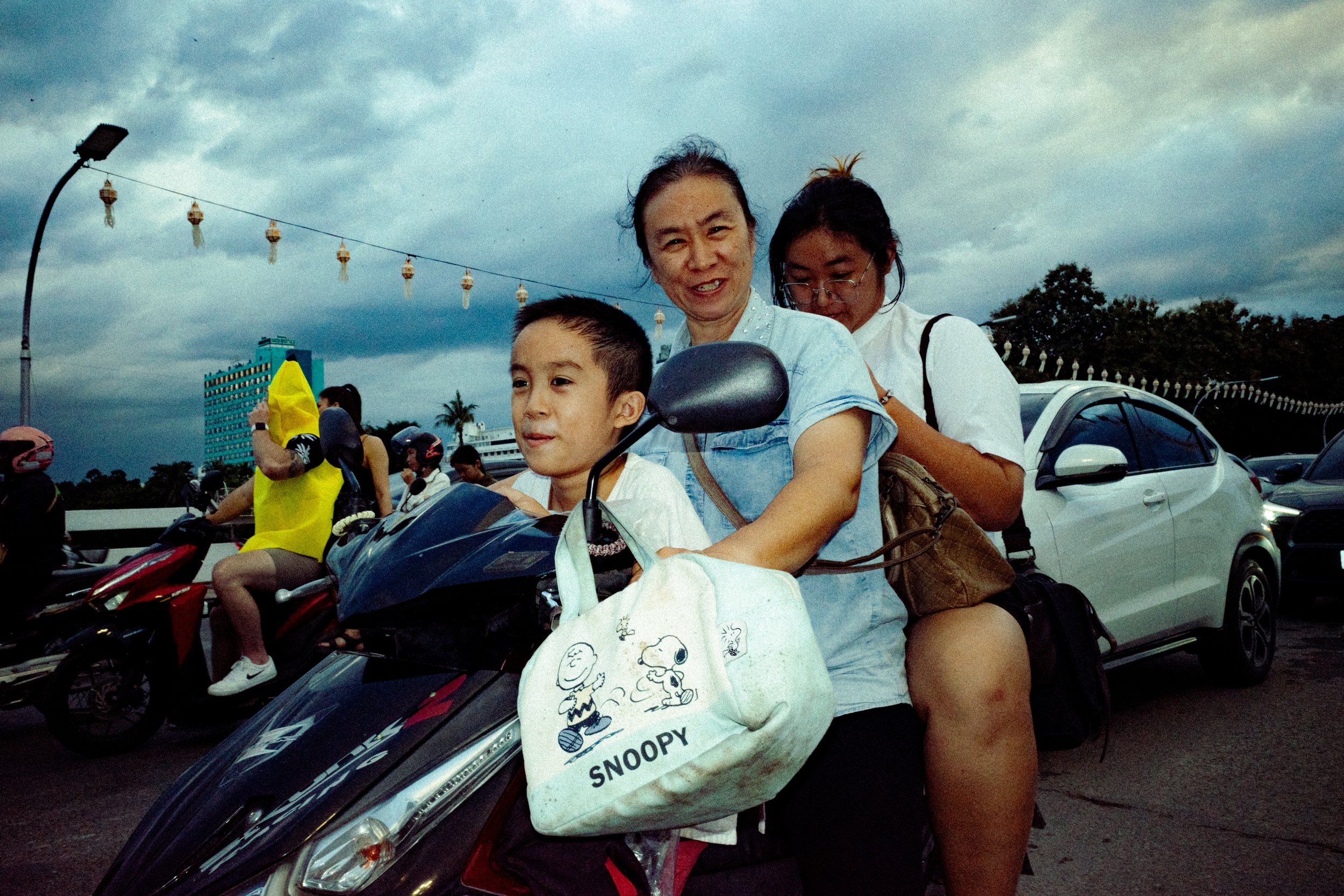
At some point, you will be noticed.
Let’s be honest: it’s not exactly common for a stranger to walk around photographing other strangers. Some people will find it unusual, and they’ll watch you to understand what you’re doing.
You’ll feel it. That weight of someone’s gaze.
If you want to avoid confrontation, the key is simple:
avoid eye contact
keep walking calmly
if needed, pretend to photograph something else ahead of you
When I started, I made the mistake of shooting and then quickly leaving the scene, acting suspicious. That only made things worse.
Over time, you’ll learn two things: you are not doing anything illegal, and many people don’t care.
Respecting the Subject
Of course, some photographers actively seek interaction, and I completely understand that.
Some of my most memorable experiences and favorite photos came from those moments.
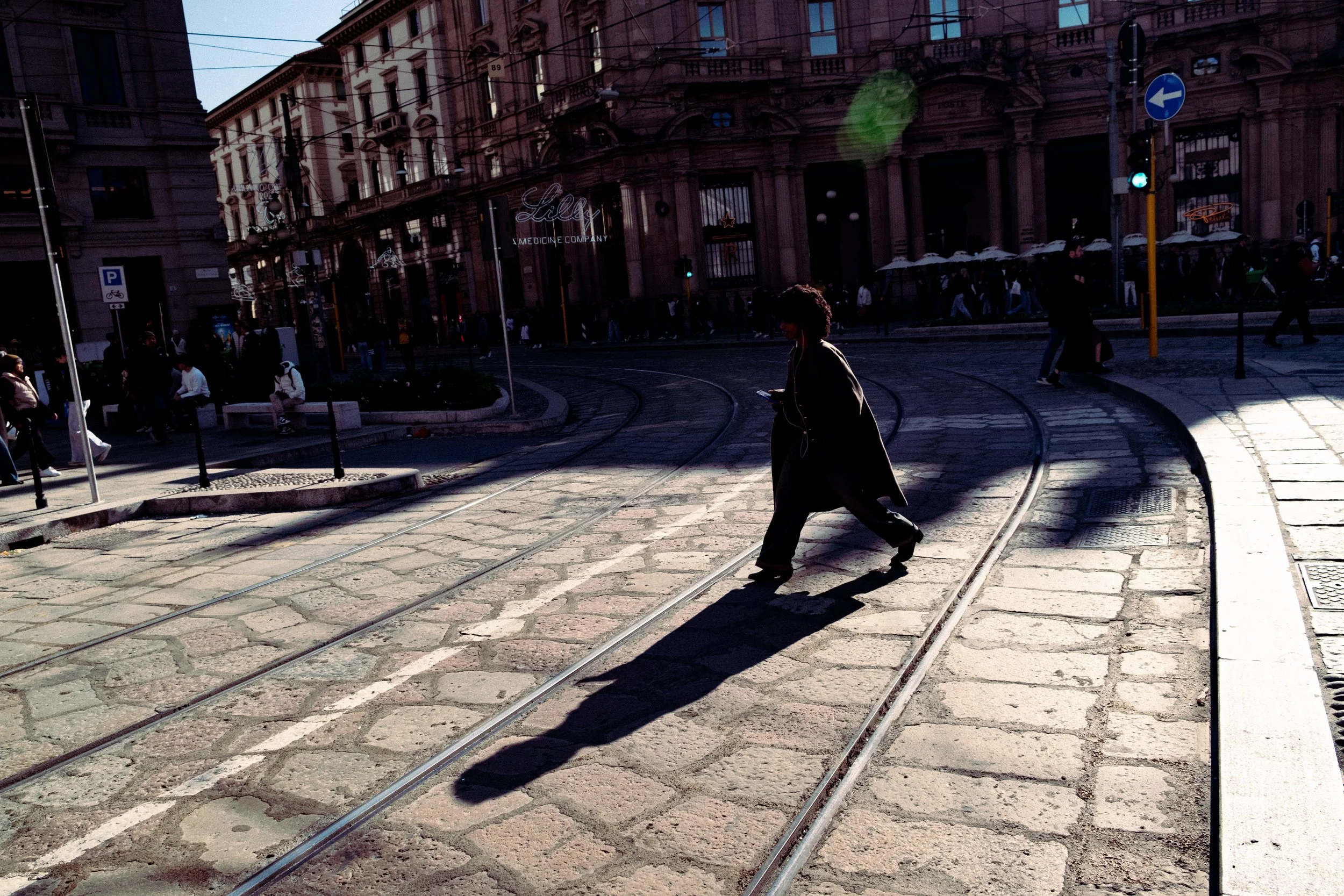
But you also have to consider the person in front of you.
Someone rushing to work (or someone losing their job) is not interested in interacting with a photographer.
Choosing the Right Gear
Naturally, overtime, I transitioned to a camera that allowed interchangeable lenses.
The 28mm started to feel limiting, and if you’ve been following me for a while, you know I rarely use it now.
At the same time, I’ve always valued compactness. That’s why I chose the Fujifilm X-E4.
It’s the perfect balance between performance and price, but more importantly, it looks discreet. Minimal, simple, far from intimidating. It looks like a tourist camera and that’s exactly the point.
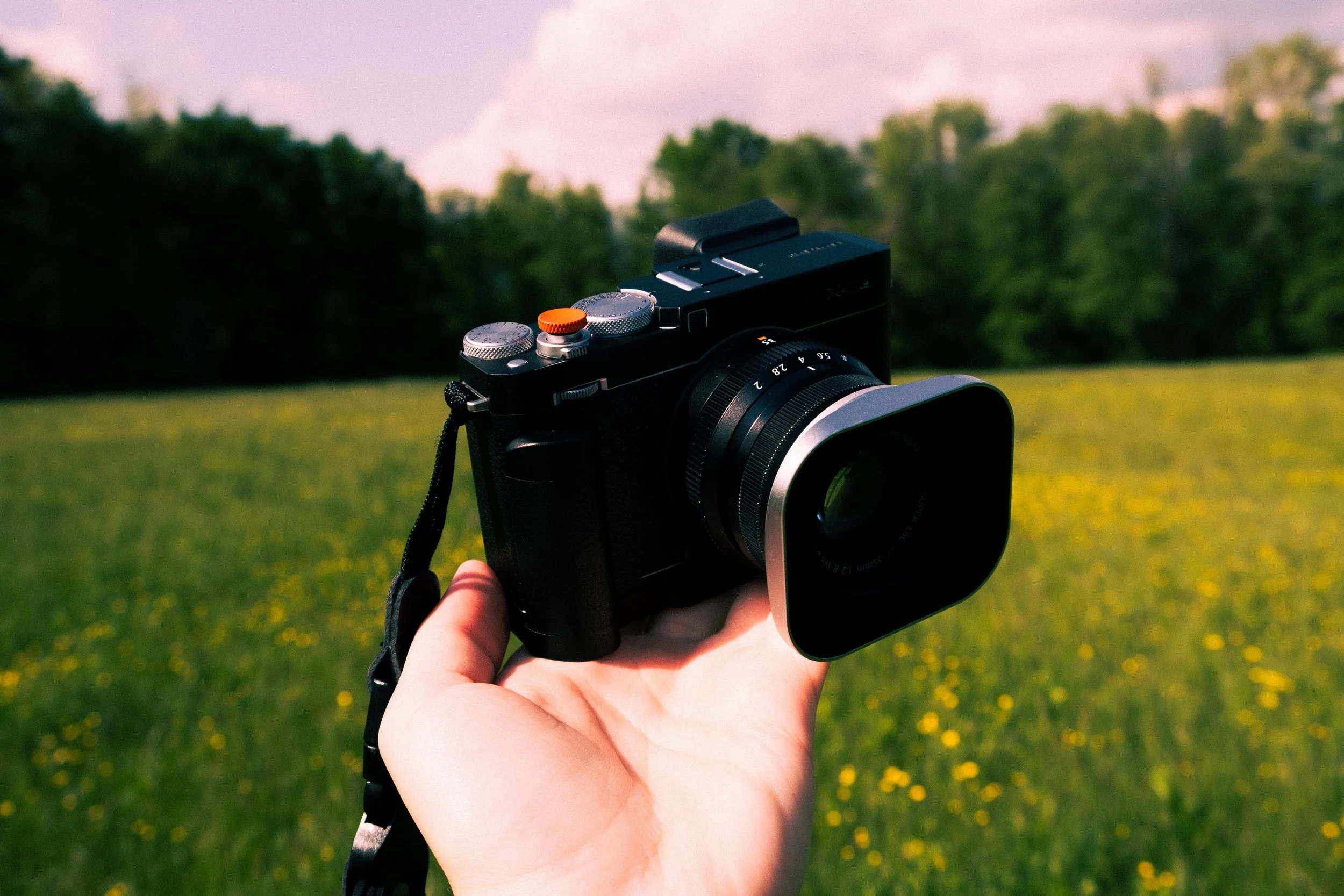
The Fujifilm X-E4. You can purchase it here → AMAZON
A Small Mistake (and a Fix)
That said, I did make a questionable decision at one point.
I bought it in silver.
Not exactly the best choice if your goal is to stay unnoticed.
So I fixed it with a simple solution: a black skin cover. It’s designed to protect the body from scratches, but it also tones down the visual presence of the camera.
It’s not perfect (the dials remain silver) but it’s a big improvement.
Accessories for Stealth
Most of my accessories either keep the camera discreet or slightly improve usability without making it more noticeable.
The first is a soft shutter button. Both my Fuji cameras (X-E4 and X-T4) have relatively flat shutter buttons, and this helps a lot with half-press focusing.
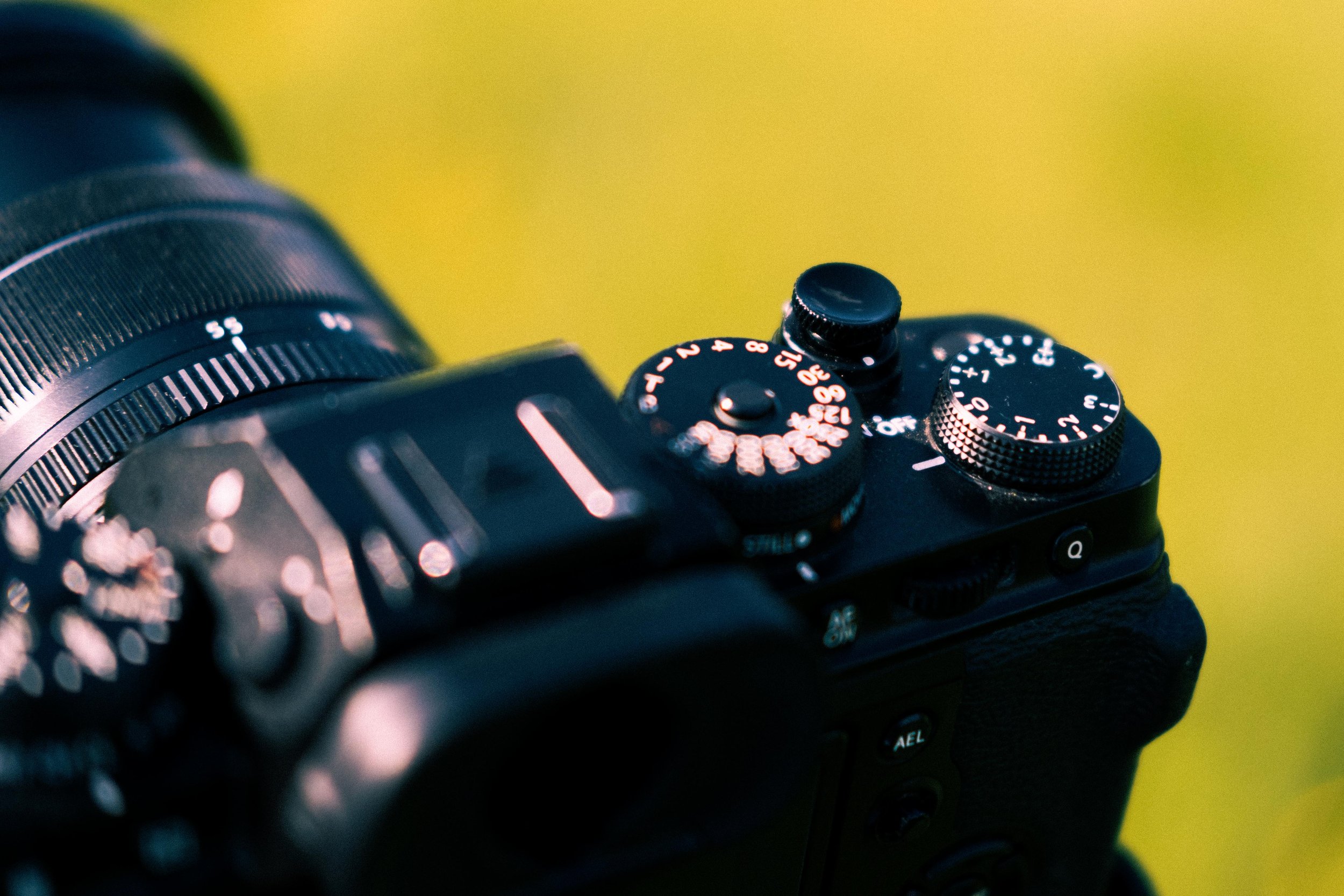
The soft shutter button I use. You can purchase it here → AMAZON
Then there are two accessories that add a bit of volume but greatly improve ergonomics:
Hand grip: the X-E4 doesn’t really have one, and during long sessions you start to feel it
Eye extender: the viewfinder of this camera is very small, and in bright conditions it’s hard to use. This adds a metal extension that makes it much easier to look through
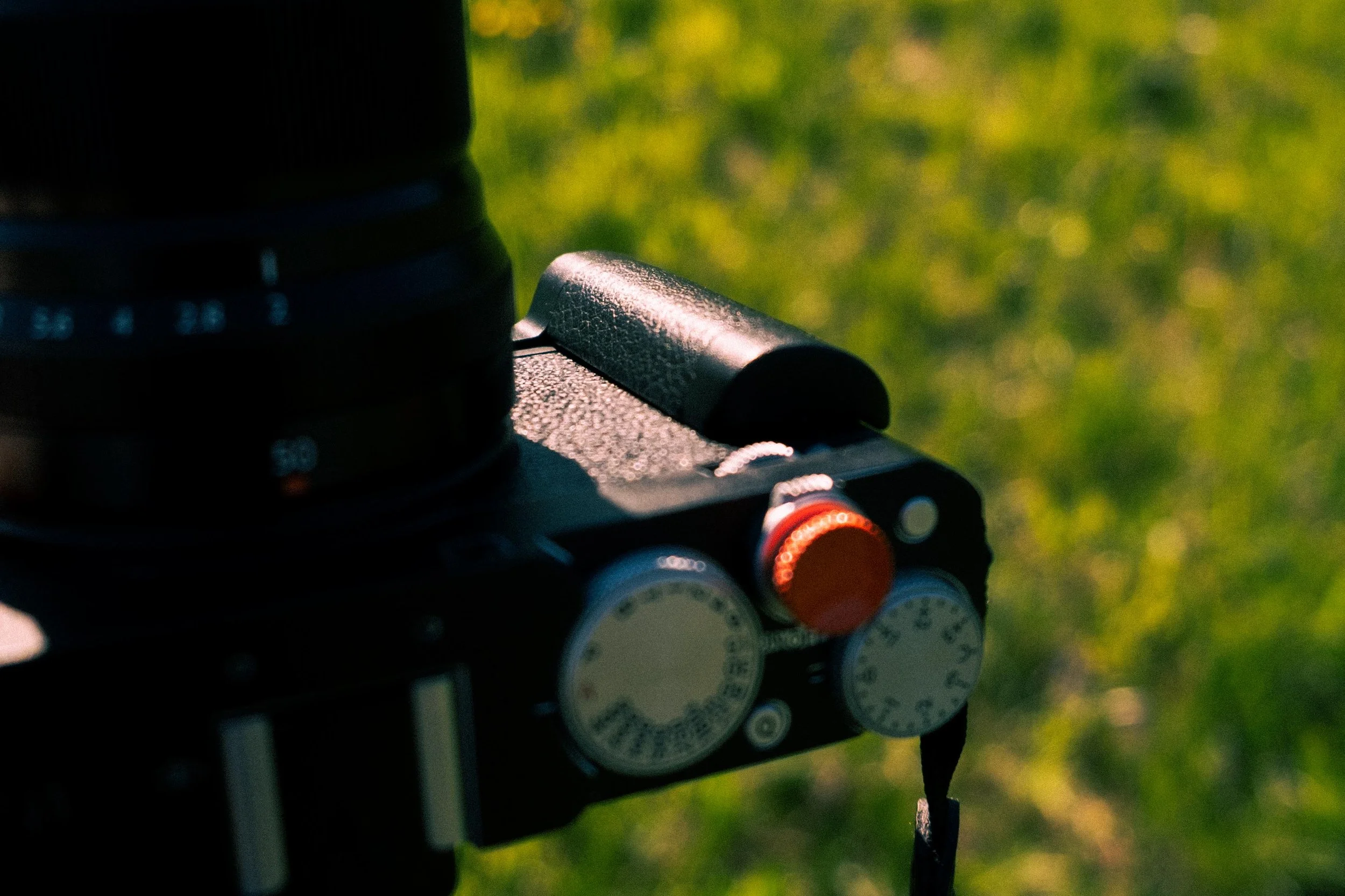
The hand grip I use. You can purchase it here → AMAZON
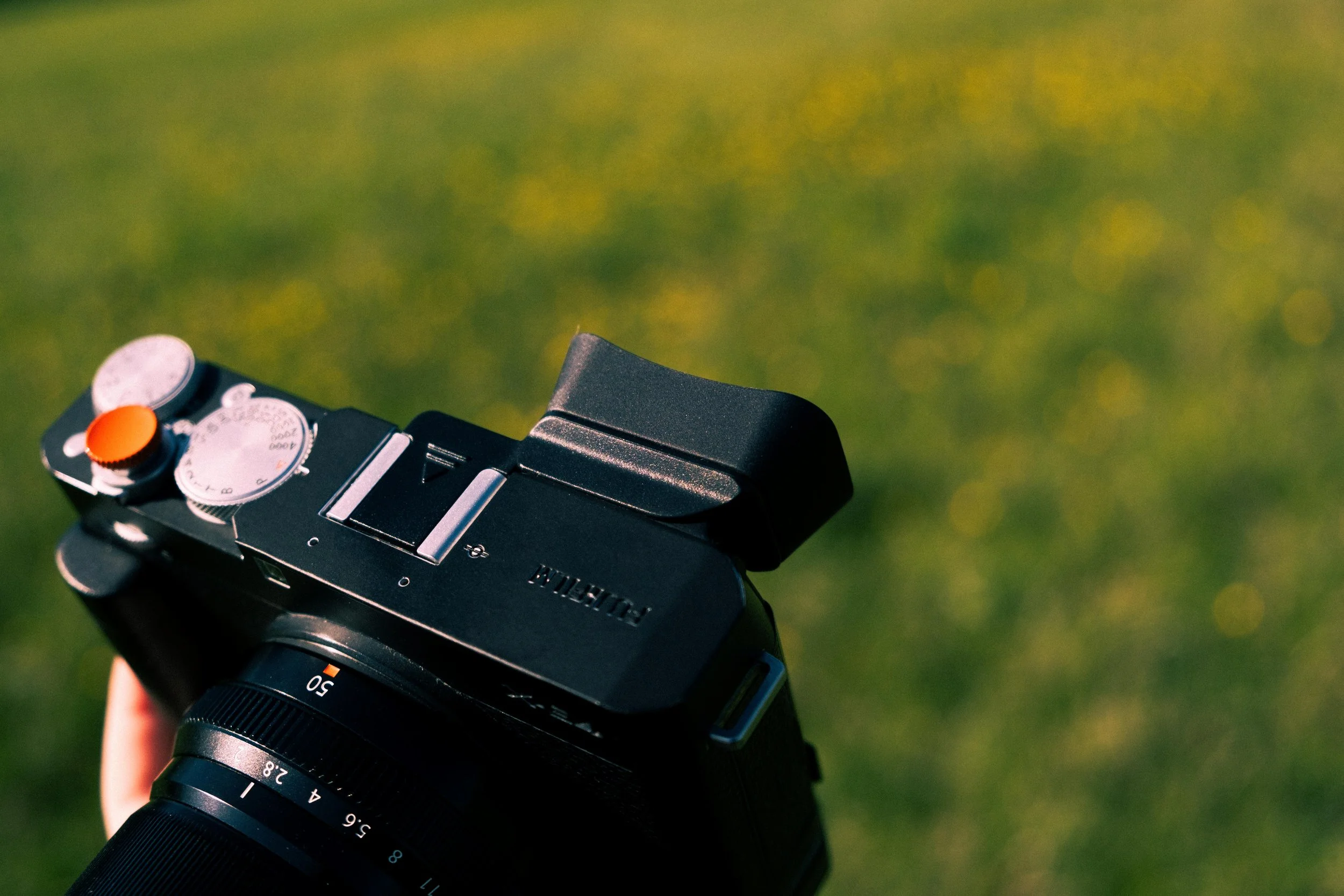
The eye extender I use.
Focal Length: Distance as a Tool
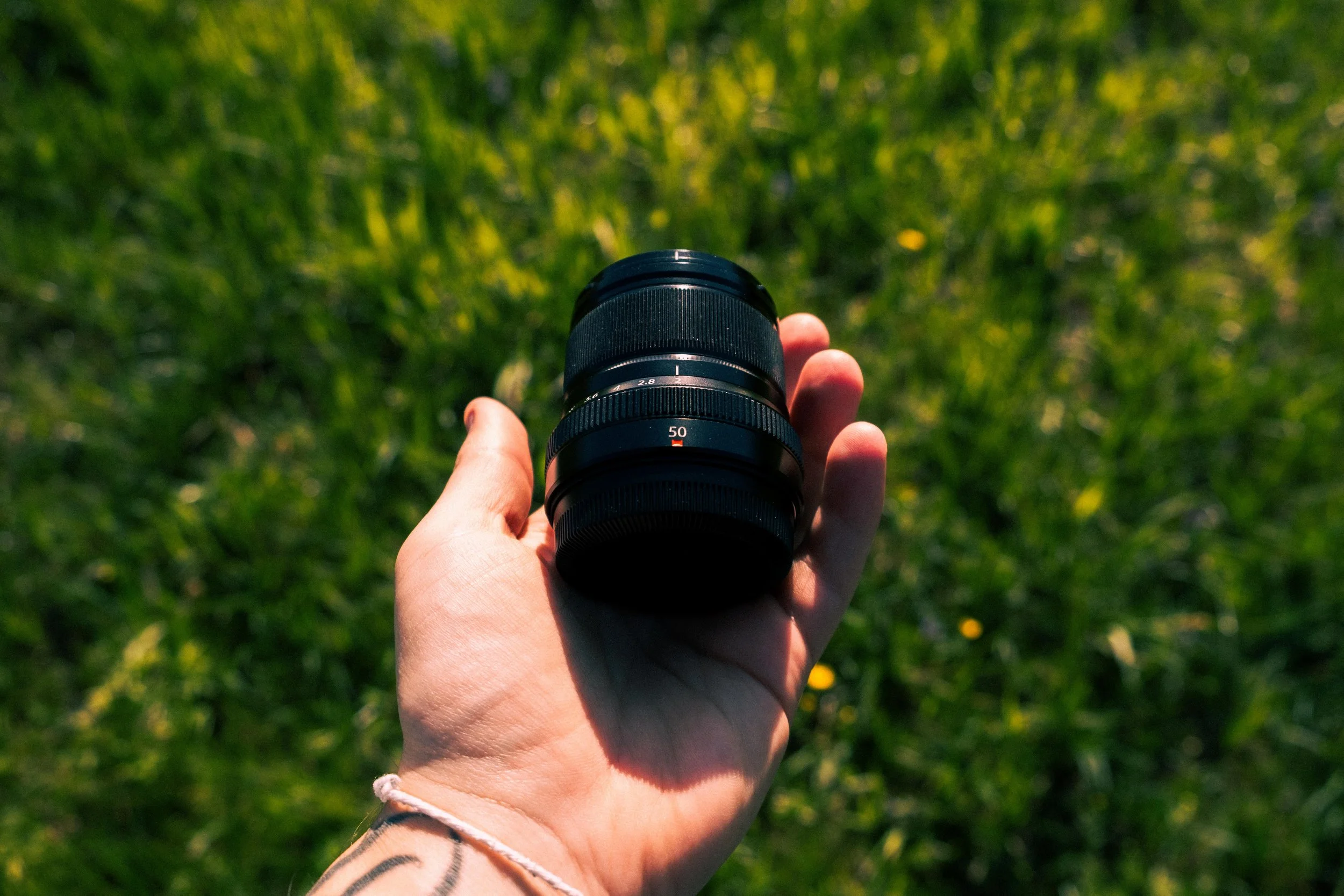
The 75mm equivalent lens I use. You can purchase it here → AMAZON
If the 28mm forces you close, the 75mm does the exact opposite.
Whenever I want to stay distant, detached, and discreet, this is the focal length I use.
It’s not for everyone. It forces you to anticipate, to observe beyond what’s immediately in front of you.
But it also pushes you creatively.
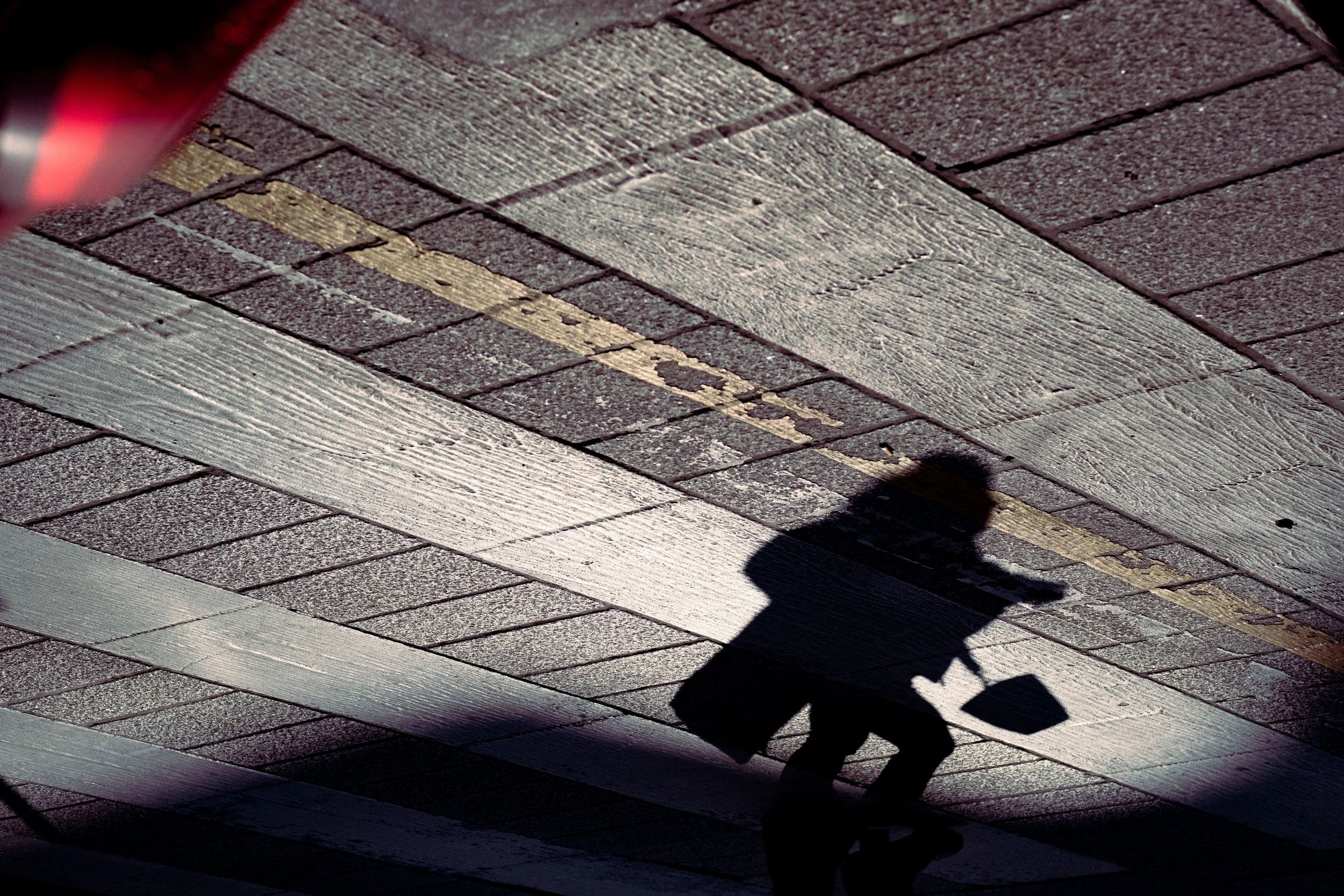
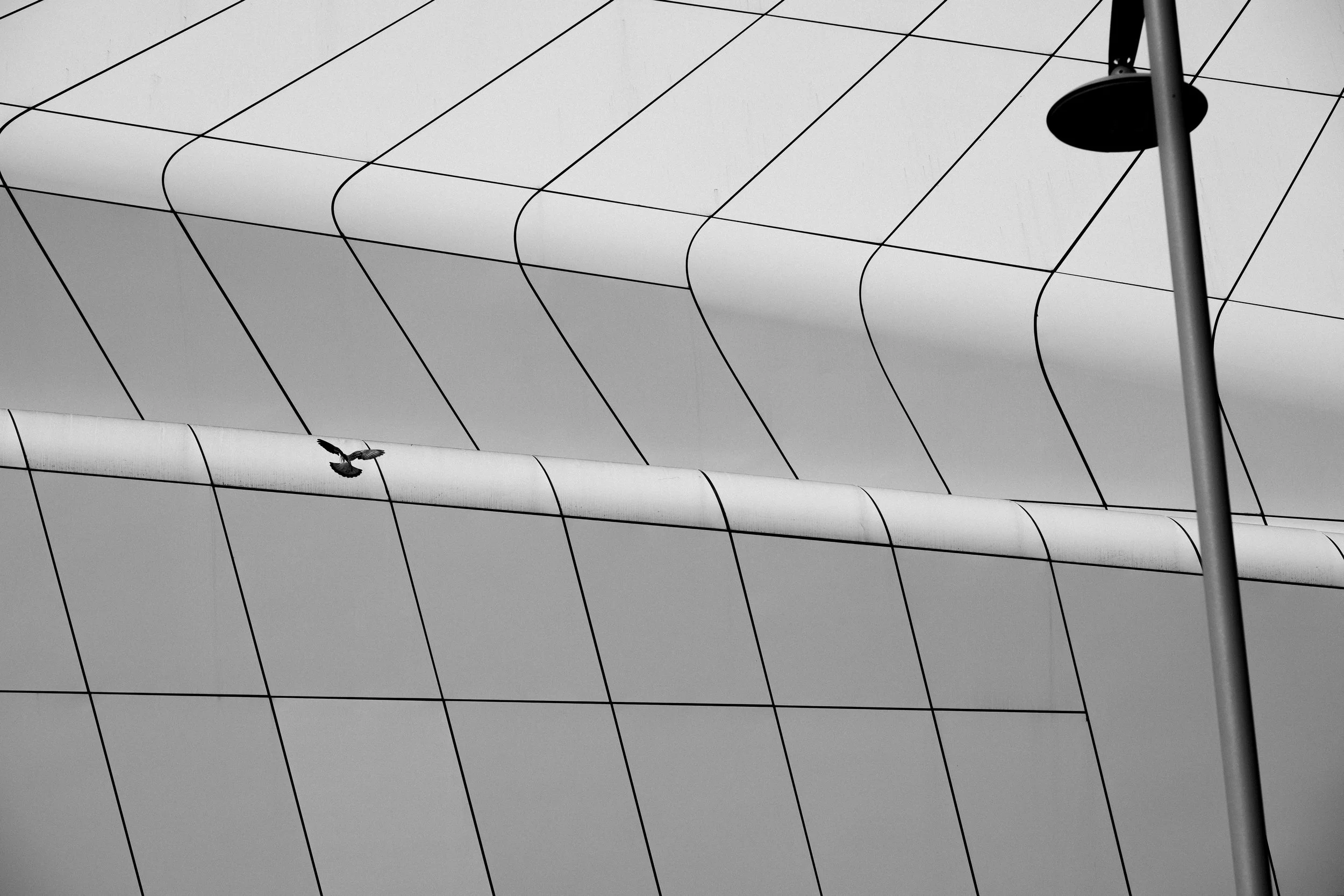
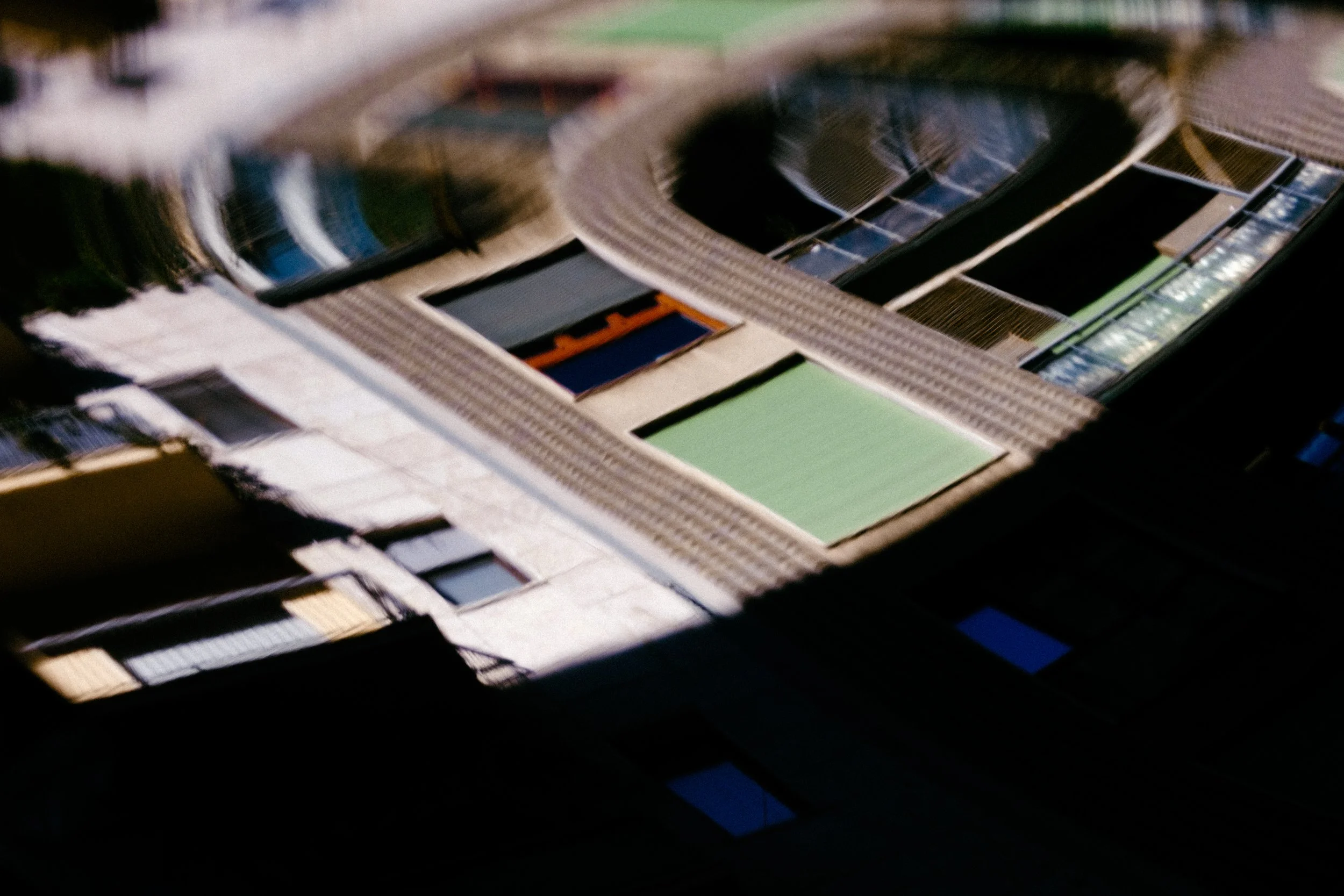
I’ve written a full blog about it, but in short: it’s not limiting at all.
In fact, I believe you can photograph any scene with any lens.
The result will change, of course, but that’s the point.
A chaotic scene doesn’t have to be captured with a wide lens.
It all comes down to what you choose to see and what you decide is worth capturing.
Stop Using Branded Straps (If You Want to Stay Discreet)
Additionally, there’s one accessory that a lot of people underestimate, mainly because they don’t consider how they look from the outside: the camera strap.
How many times have you seen tourists shooting with a big branded strap around their neck? (Nikon, Canon, Sony, etc.) In those cases, it’s immediately obvious what they’re doing. People’s brains instantly associate the brand with the action, and they become more aware and cautious.
Now imagine looking at someone from afar with a bold “Nikon” strap, constantly walking around and scanning the environment. It doesn’t take much to understand what they’re doing.
On the other hand, with a discreet strap, you can genuinely go unnoticed. This is not something to underestimate.
That’s why I’ve adopted two simple solutions: two different straps, both low-key and subtle.
The first one is a wrist strap. As I mentioned before, the X-E4 is compact and lightweight, and paired with the hand grip I showed earlier, you can comfortably carry it and shoot for hours. It’s not heavy, and the prime lenses I use are also small and lightweight.
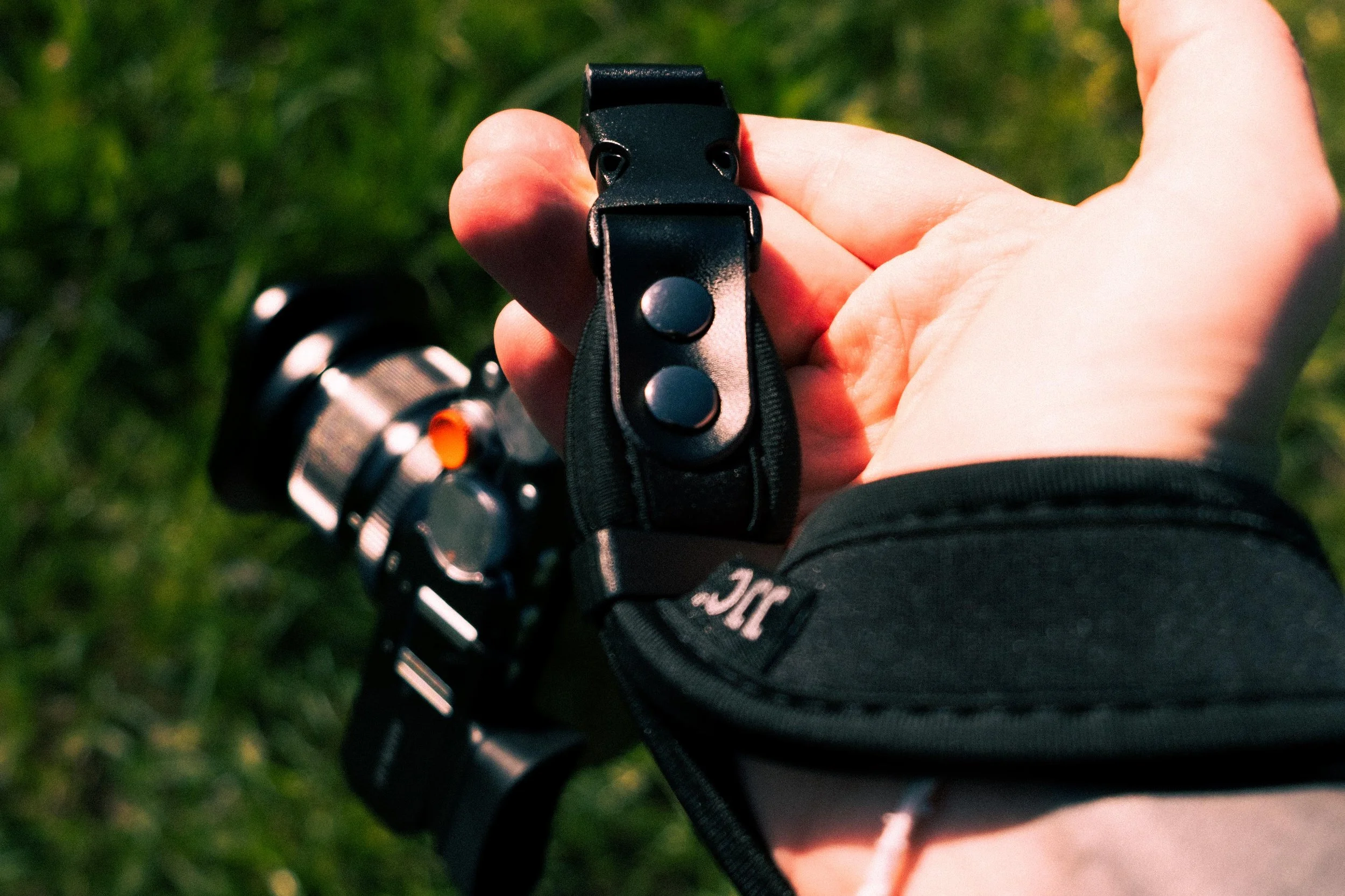
The wrist strap I use. You can purchase it here → AMAZON
The second strap is this one, which I now mainly use on the X-T4, since I only use the wrist strap on the X-E4. Still, I highly recommend it. It’s the most discreet and well-built strap I’ve found, especially for the price. It may look thin, but it’s surprisingly strong. With a compact setup, you won’t have any issues in terms of safety or durability.
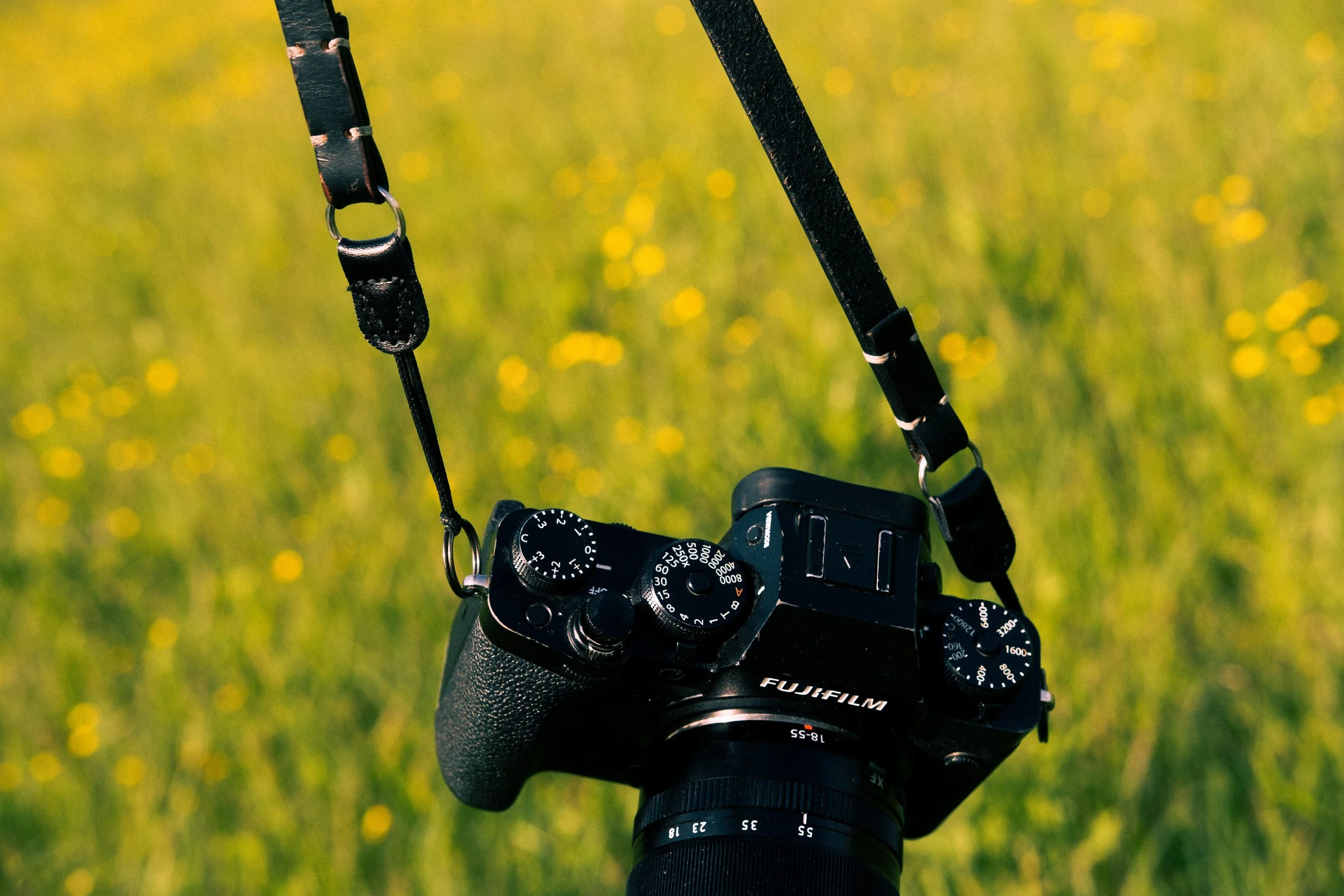
The strap I use. You can purchase it here → AMAZON
Final Thoughts: Gear Helps, Sensitivity Decides!
Alright. I feel like I’ve given you everything I can: how to behave, what to pay attention to, and a stealth setup you can apply to pretty much any camera, compact or not.
But there’s a catch.
There’s one thing no one can teach you or recommend: sensitivity.
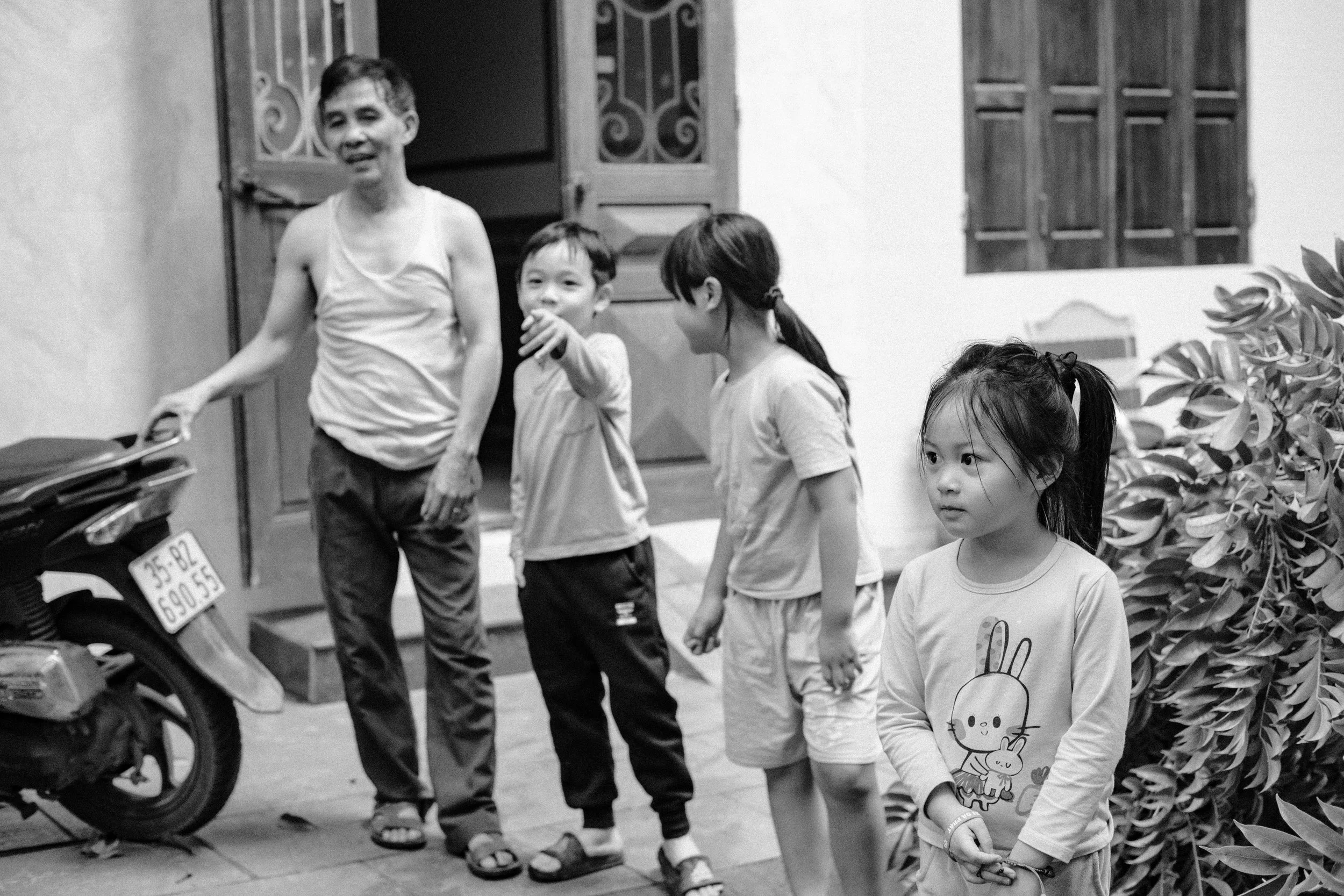
At the end of the day, it’s your sensitivity, mixed with experience, that will guide how you move and how discreet you actually are. You can have the perfect gear and take every precaution, but if your behavior feels off or unnatural when you’re photographing people, none of that will make you invisible.
Keep shooting. Keep being around people.
With time, everything becomes automatic. You’ll stop overthinking every movement, every glance, every shot. Being discreet won’t be something you actively try to do anymore.
It just becomes part of your workflow.
This blog will always remain ad-free.
If you enjoy my blog and would like to support my work, consider leaving a tip or visiting my shop, where you'll find my personal Lightroom presets, zines & camera guides.
Every bit of support goes directly back into creating new photography content, including YouTube videos, blog posts, camera guides, and, of course, more presets and zines, with the occasional freebie for everyone along the way.
Thank you for reading. <3
I created this guide to share my personal approach to street photography with the Fujifilm X-E4, breaking down the essence of how I use this camera and showing the settings that I consider truly essential, as well as the ones I believe can be ignored in order to achieve a faster, simpler and more intuitive shooting experience.
This was my first Fujifilm camera, and probably the only one I will never get rid of. I have dedicated a video and a blog post to explaining why, as well as another video and blog post where I go through the accessories that made this camera so versatile that it became the only Fujifilm camera that has truly convinced me so far.
Before we begin, there is something important to clarify.
This is not meant to be a complete Fujifilm X-E4 manual.
The settings I will show you are not necessarily the ones that will perfectly match your style, habits, or creative process.
They are simply the choices that, after spending a significant amount of time with this camera, have become essential to my own workflow.
Think of this as a personal recipe rather than a universal instruction manual.
Take what works for you, ignore what does not.
⚠️ As this is a digital product, refunds are not available. However, if you have any questions or experience any issues with your purchase, feel free to email me at karisma.business.inquiries@gmail.com. I'll get back to you as soon as possible!
🌱 Thank you for considering a purchase. Every bit of support goes directly back into creating new photography content, including YouTube videos, blog posts, camera guides, and, of course, more presets and zines, with the occasional freebie for everyone along the way.
I genuinely appreciate your support. Thank you for being part of the journey.