How to Handle Confrontation in Street Photography
Premise!
This blog is written both for beginners and more experienced photographers - because no matter how skilled you are technically, dealing with people and their reactions is a completely different game.
Being good at photography does not prepare you for human interaction. How you handle those situations depends almost entirely on your character.
I haven’t been shooting for decades, but I’ve traveled across several countries in Europe and Asia with my camera, and I’ve experienced a wide range of situations and personalities. It’s honestly fascinating how even a short flight can put you in front of people who react completely differently to being photographed.
So here’s how I approach street photography - and more importantly, how I deal with confrontation.
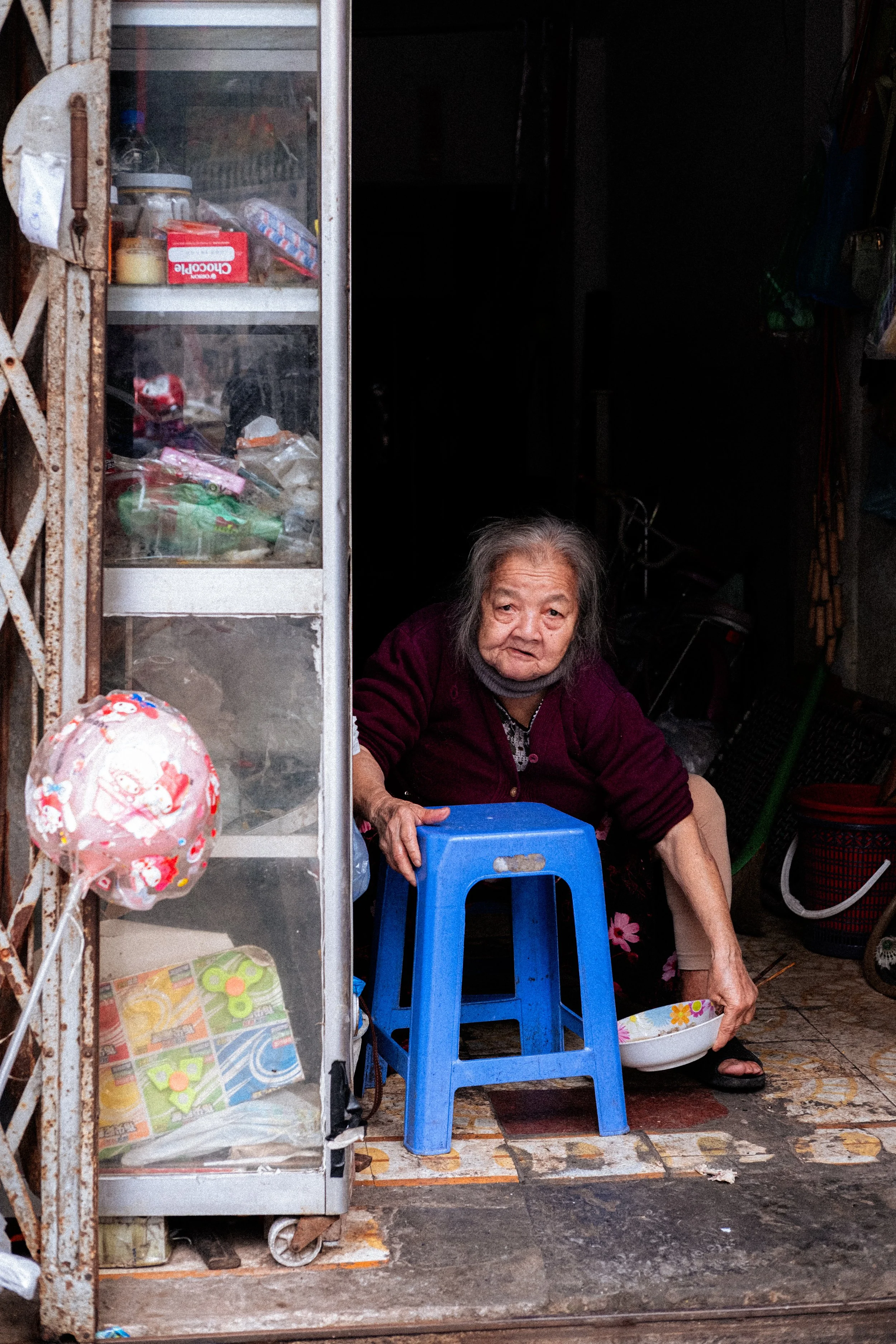
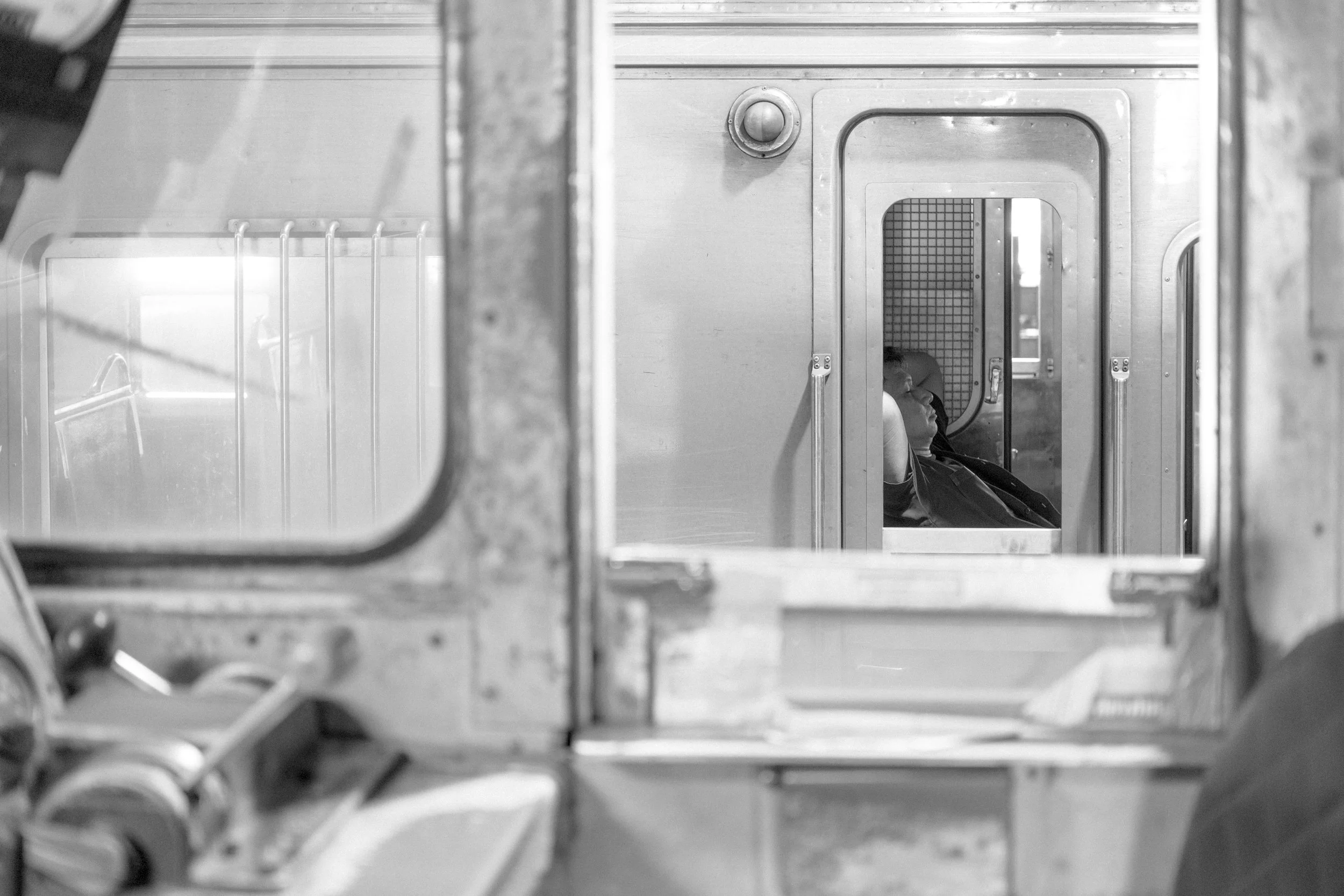
Hanoi, 2026
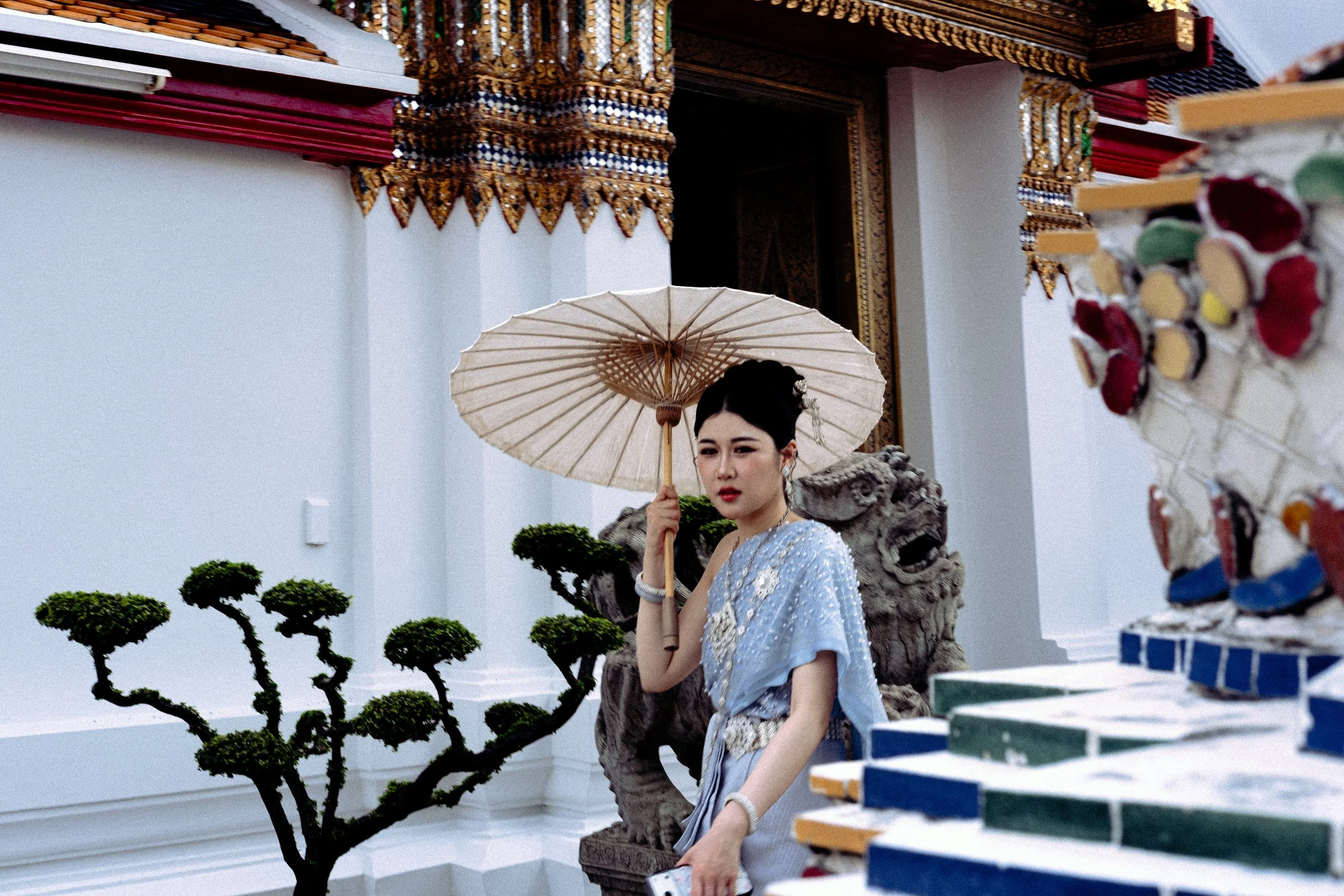
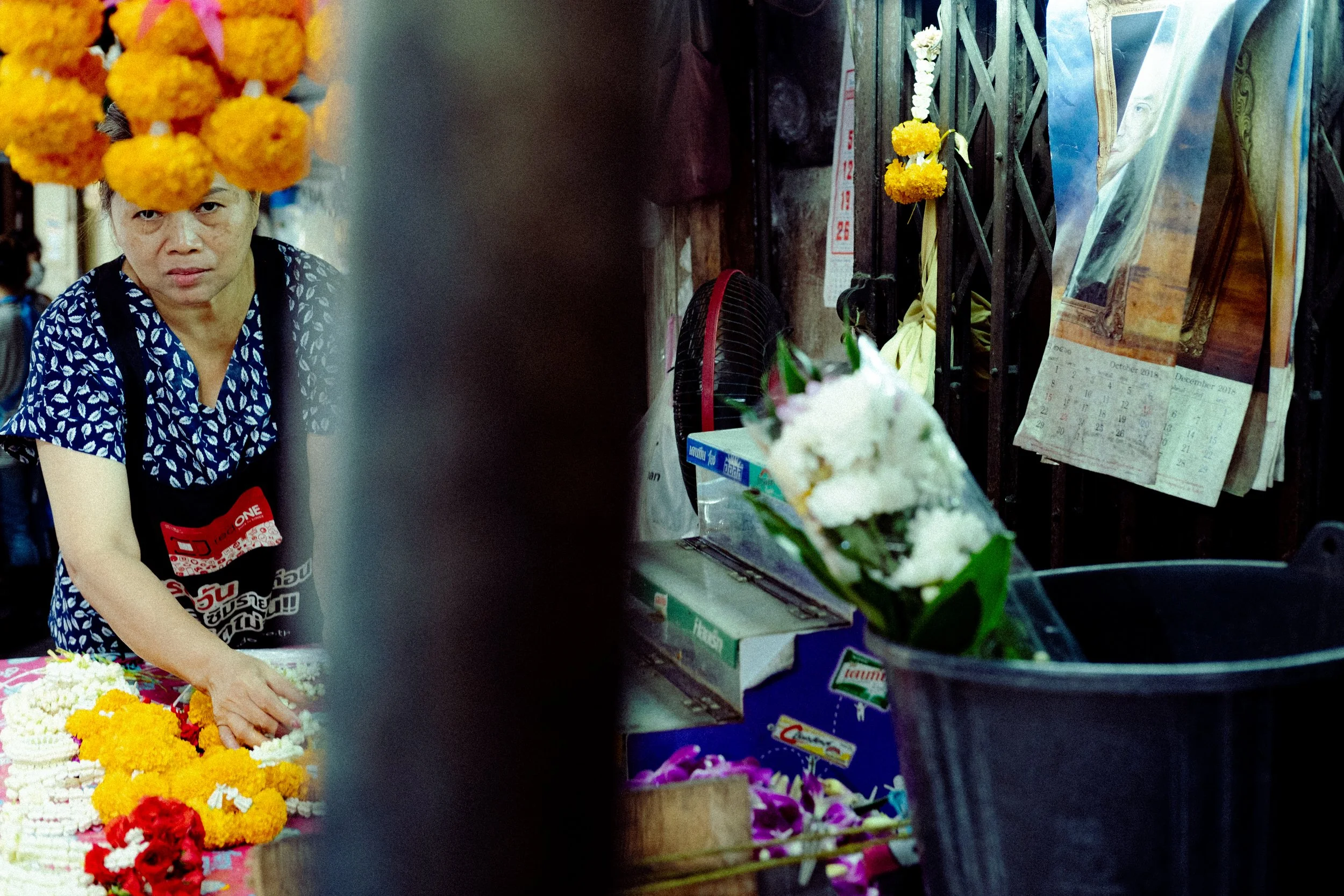
Here and there I’ll attach some photos where I got caught while taking photos!
First Rule: Don’t Look Guilty!
Put yourself in the shoes of the person being photographed.
Imagine a stranger pointing a camera at you. You lock eyes. You’re curious, maybe confused (because let’s be honest, it’s not exactly a “normal” situation).
Now imagine that the exact moment you realize you’re being photographed, that person suddenly drops the camera, turns away, and pretends nothing happened.
Suspicious, right?
Personally, I’d think: “what the hell is this person doing?”. At best, weird. At worst, shady.
And that’s exactly how people will perceive you if you behave like that.
If you look scared, if you panic, if you quickly hide what you’re doing - you immediately give off the wrong impression.
Always assume this:
1) The person in front of you does NOT know what you’re doing.
2) They might not consider street photography an art.
3) And most importantly - they don’t know you.
You don’t know their background, their mood, or whether they’ve had bad experiences with photographers before.
So act accordingly.
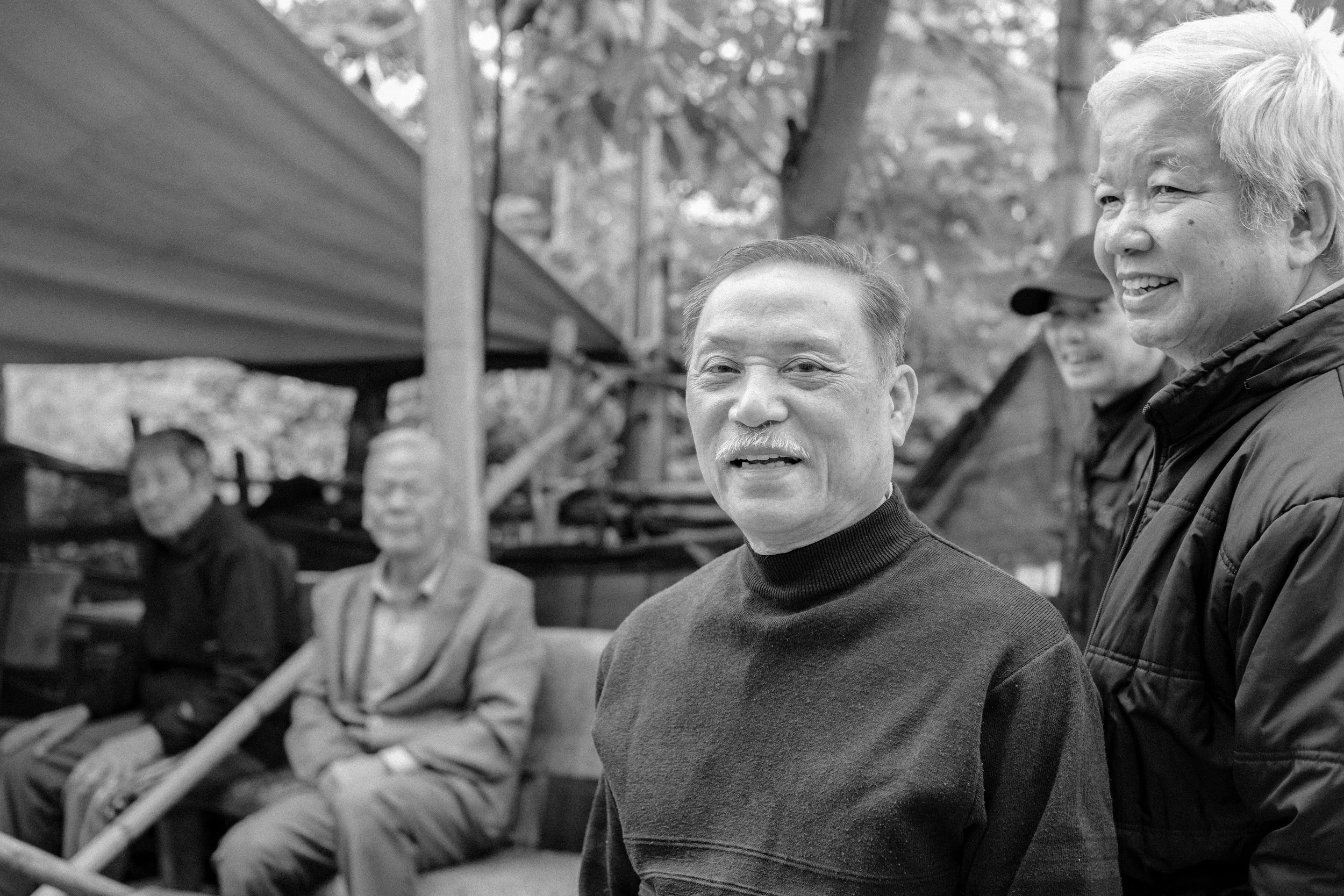
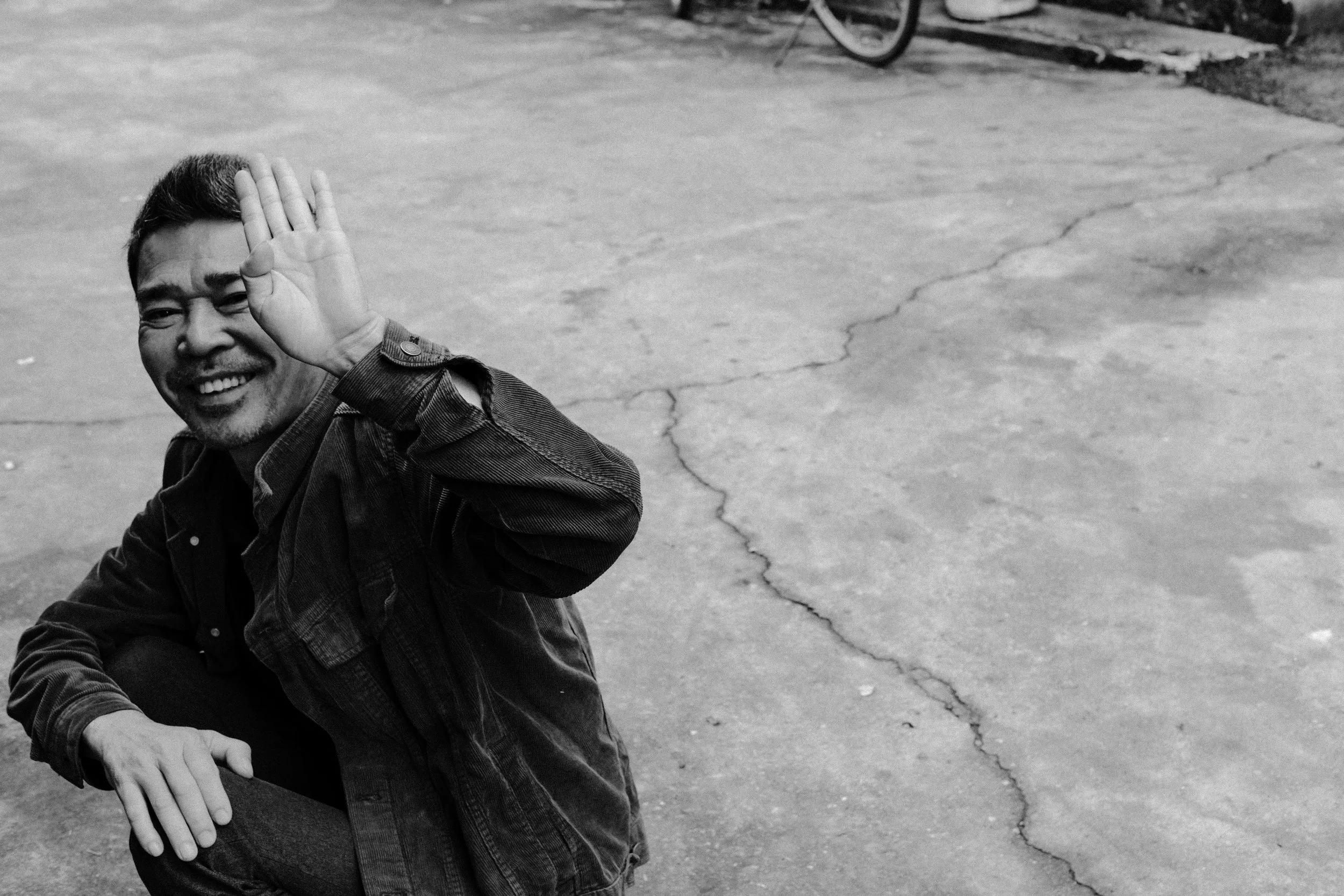
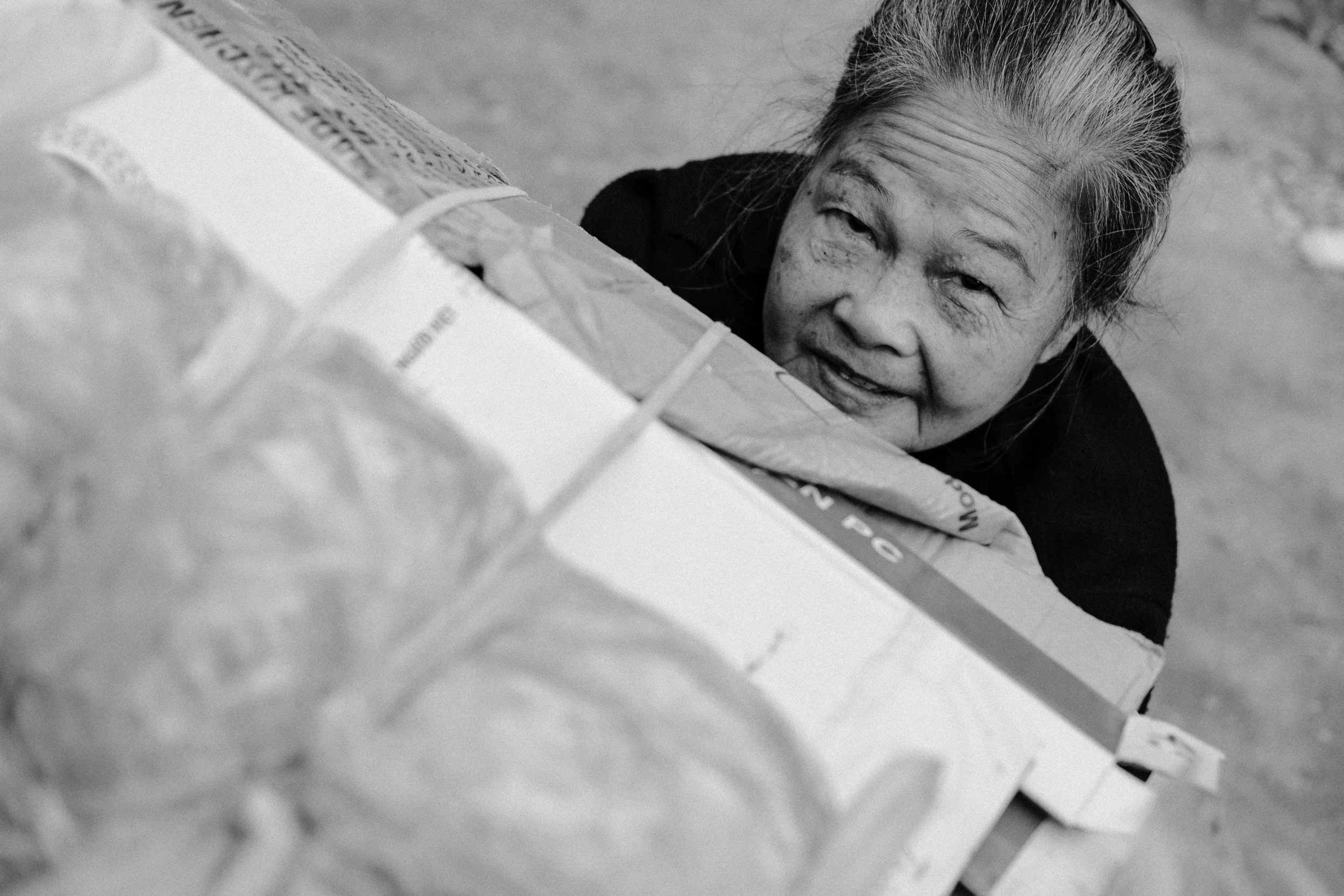
Confidence Is Half the Battle!
There’s a certain “edge” you’ll develop over time, but you can start building confidence immediately.
First of all: know your rights.
In public spaces, photographing people is (generally) allowed. You need to be solid on that.
If someone asks you “What are you doing?” and you hesitate, you’ve already lost ground. You’ll come across as uncertain, maybe even dishonest.
You need to be fully convinced yourself that you’re not doing anything wrong.
Because maybe the person confronting you doesn’t know that. Or doesn’t believe it.
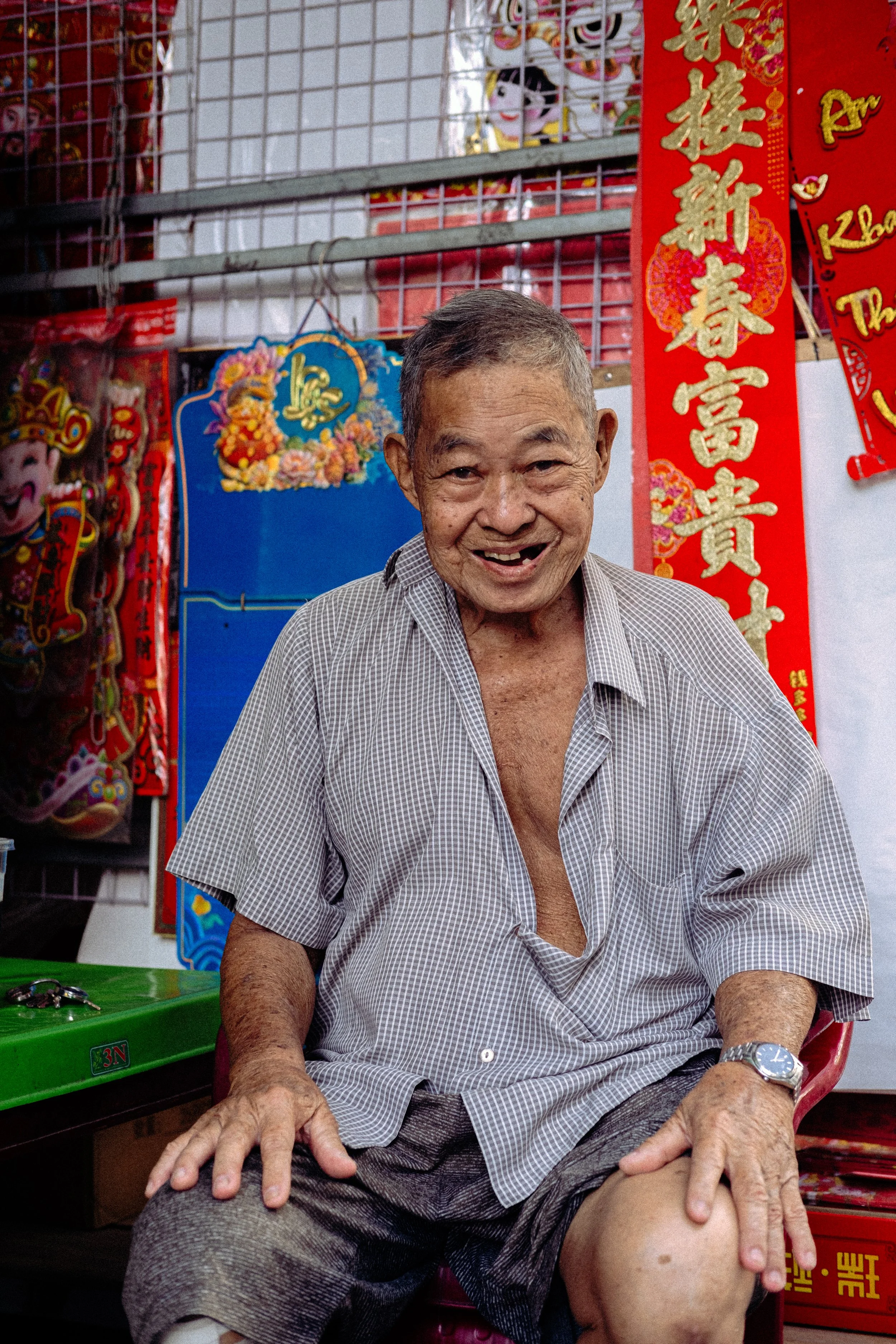
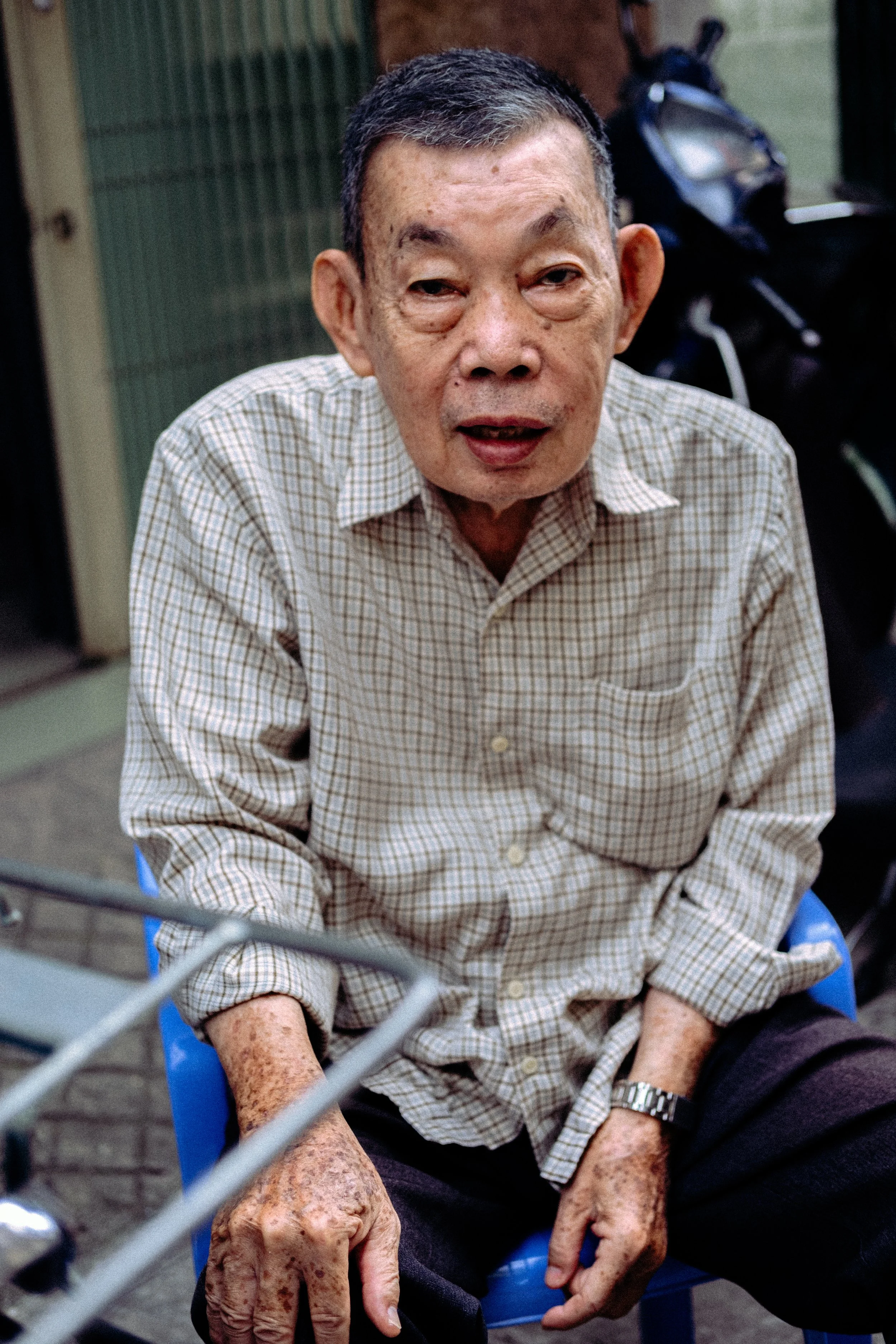
Two Types of People
I usually handle situations in two different ways, depending on the person’s attitude.
The Curious One
Most people don’t care about what you’re doing.
In fact, especially in Asia, I’ve often been approached by people who were simply curious and interested.
They smile, they ask questions, they engage.
In that case, just tell the truth:
You’re photographing things you find interesting or beautiful, and apparently, they caught your attention.
That alone can spark great conversations. Trust me.
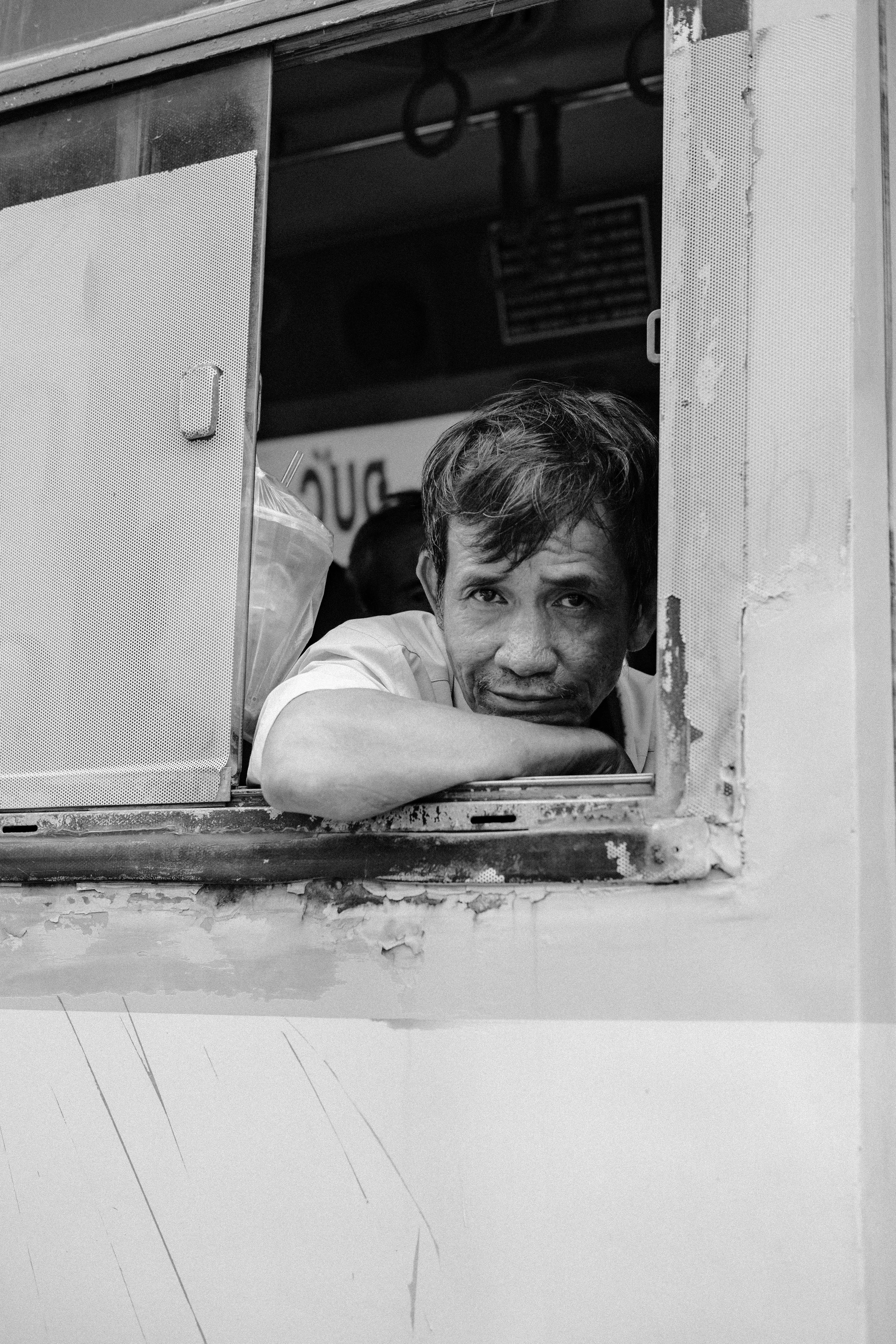
The Aggressive One
Then there’s the aggressive type.
You can still start by telling the truth, but if they become confrontational or pushy, you need to match their energy.
Stay calm, but firm.
Explain that what you’re doing is not illegal. If necessary, tell them they’re free to call the police to confirm it.
Most of the time, that’s enough. They’ll back off.
If they actually do call the police, you’ll be in the right anyway and the situation will likely dissolve into nothing more than frustration on their side.
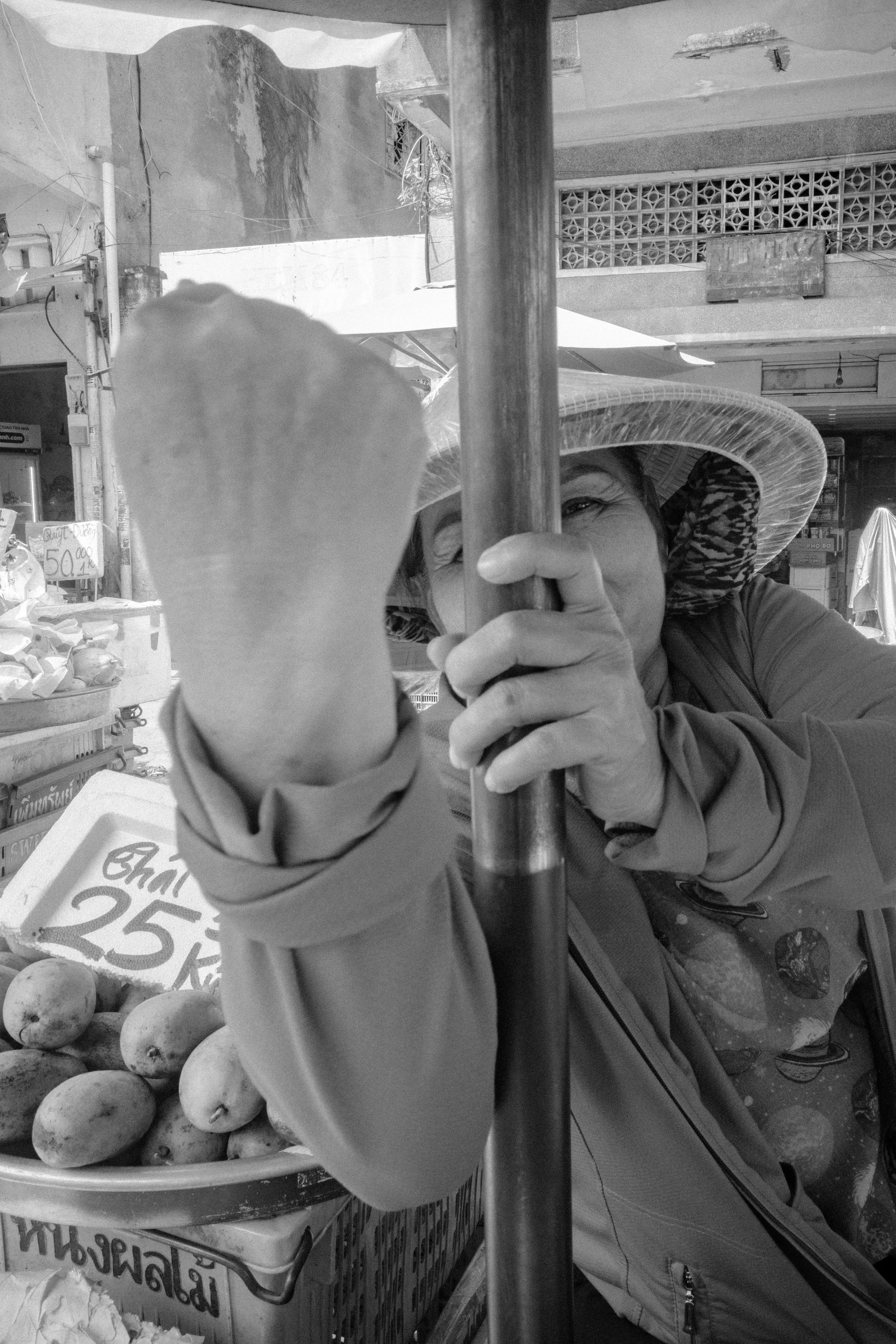
“Delete the Photo!!!”
Sometimes, people will simply ask you to delete the photo.
At that point, it’s your call.
There’s no universal answer: it depends entirely on you and on how the person approached you.
If they were respectful, deleting the photo is a small gesture that can go a long way.
If they were aggressive or disrespectful, you might decide not to delete it and stand your ground.
Just be aware: pushing back can escalate the situation.
And escalation is the last thing we want for both our safety and our gear.
If things start getting heated, remind them calmly that what you did is not a crime, while what they might be about to do could be.
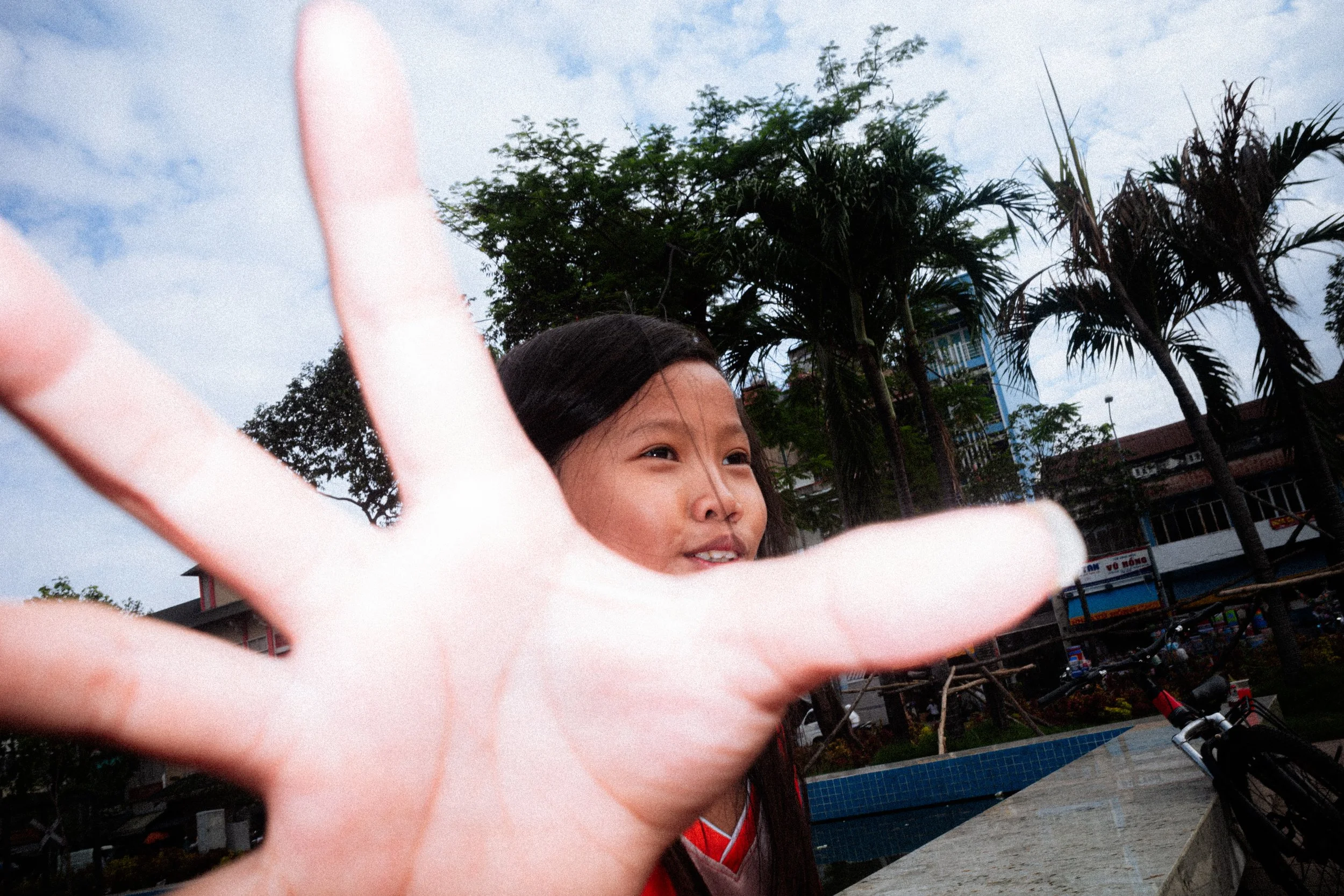
Presence Matters
How people perceive you plays a huge role and it’s not some mystical energy thing. It’s very practical.
If you look sloppy, drunk, or generally unkempt, people will instinctively associate you with bad intentions.
If you carry yourself well (upright posture, calm demeanor, maybe even a slight smile) you’ll give off a completely different impression.
You might even make the person feel seen, not targeted.
And sometimes, especially with older people, that can turn into something genuinely meaningful. Conversations, stories, human connection.
If you photographed someone, it means something about them caught your attention.
It might be worth telling them.
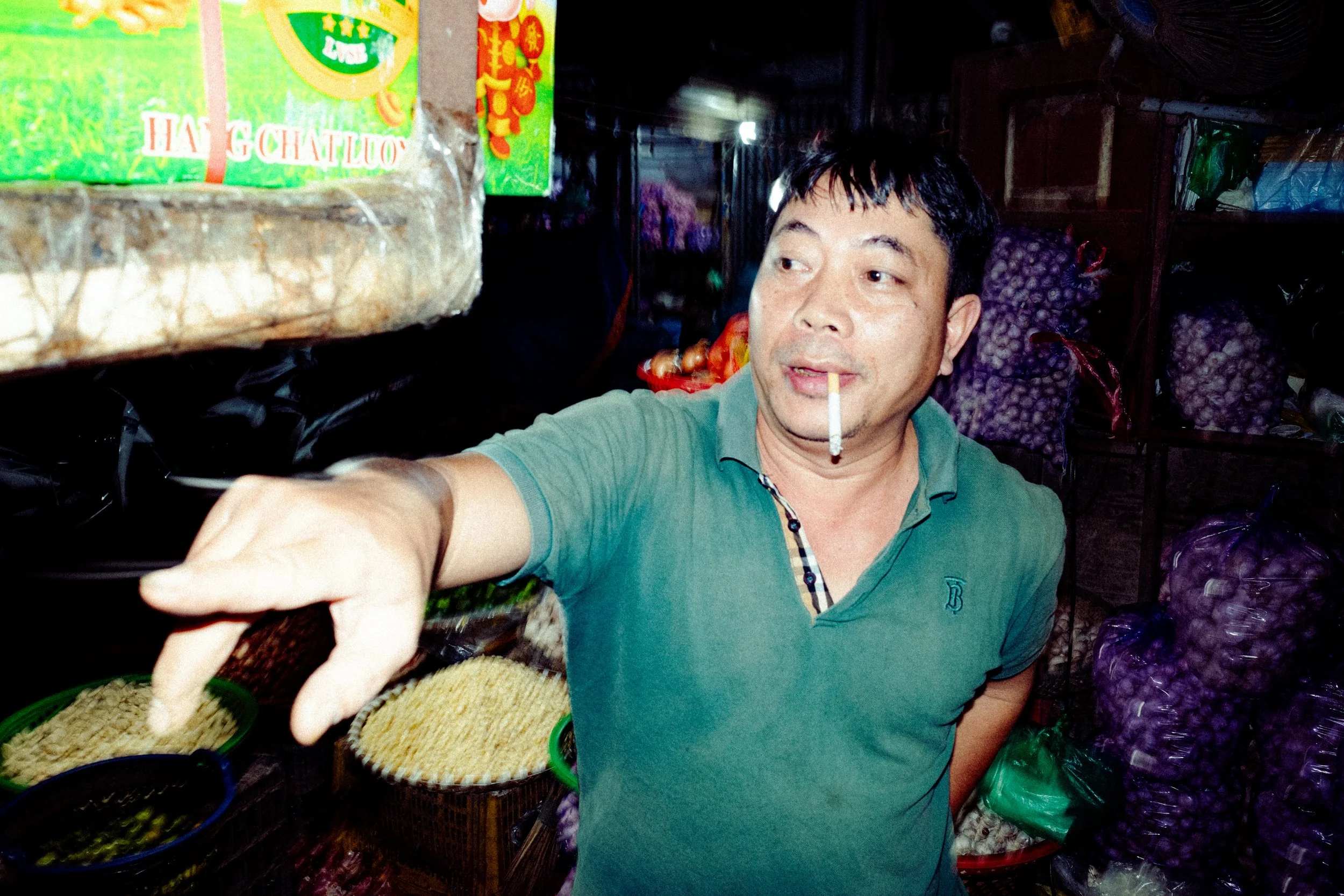
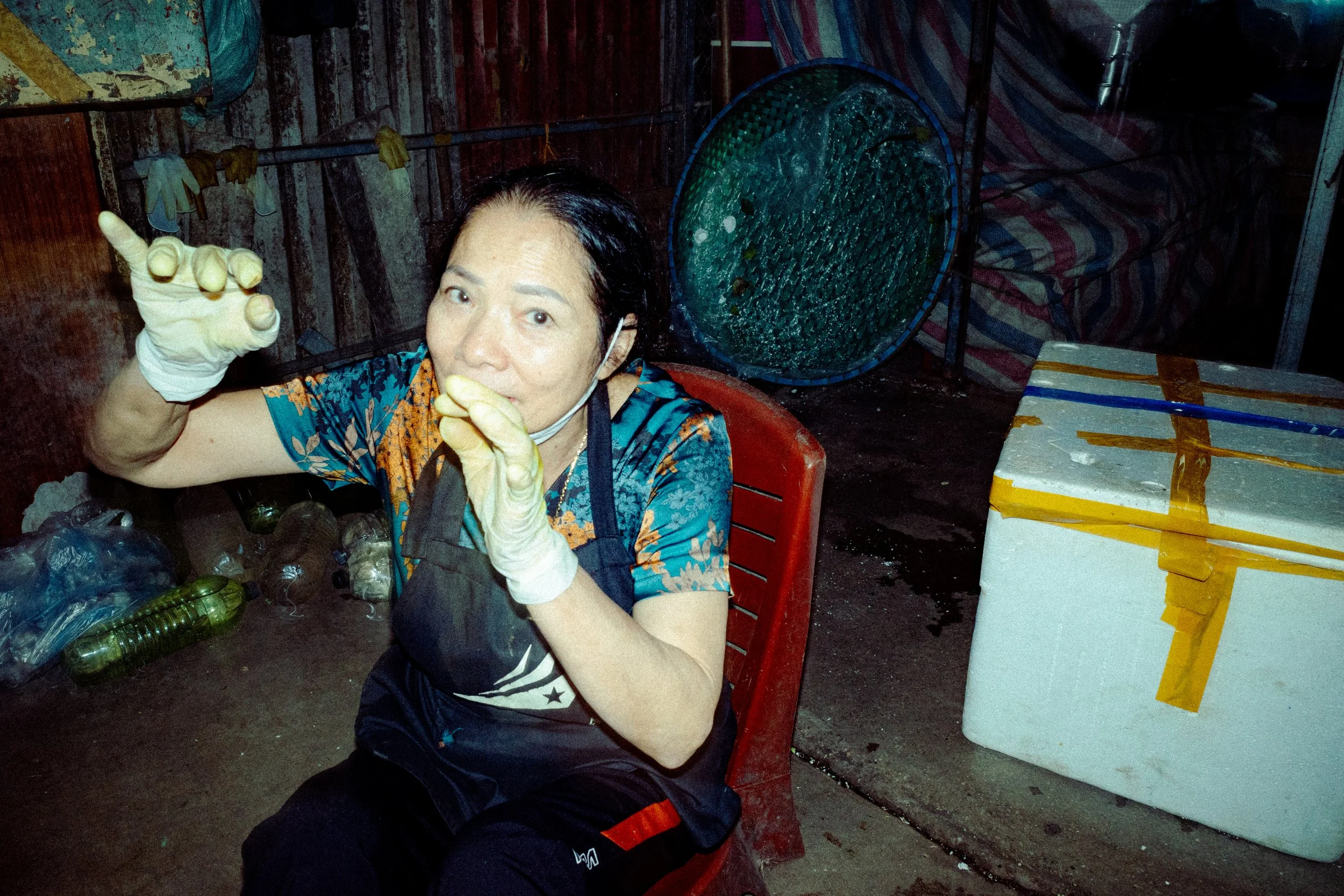
Blending In
There are also small practical things you can do to blend into your environment.
My main cameras are the Fuji X-E4 and the Ricoh GR III - both incredibly discreet.
Compact, minimal, and most importantly: quiet.
Imagine pointing a big camera with a massive lens straight at someone’s face. Anyone would react. Even photographers.
What we want is to observe, experience, and, if everything aligns, come home with something meaningful.
The X-E4 has a fully electronic shutter: completely silent. It feels like taking a screenshot.
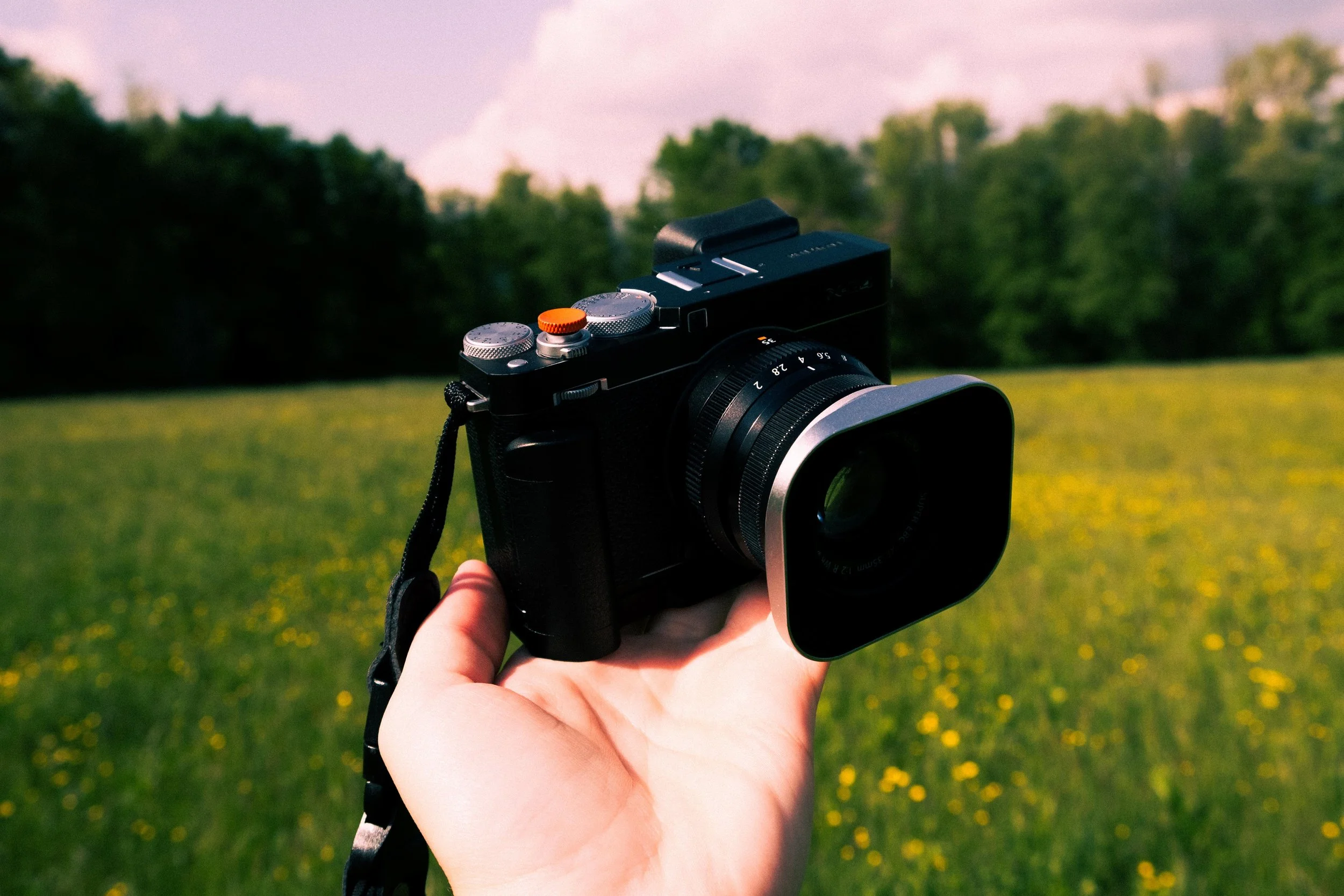
The compactness of the Fujifilm X-E4. You can purchase it here → AMAZON
The Ricoh is not completely silent, but in a street environment, it’s virtually inaudible, especially if you disable all sounds.
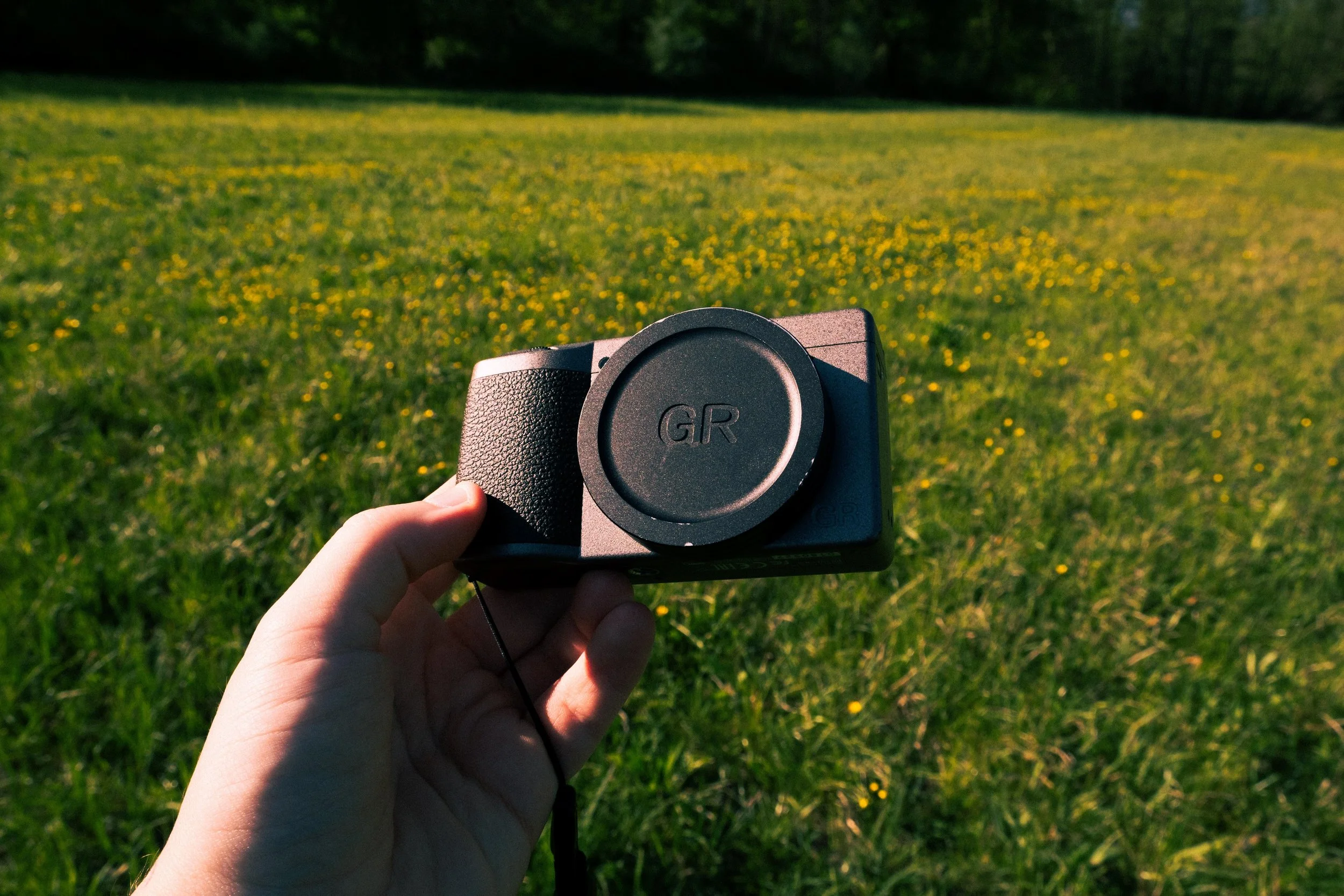
The compactness of the Ricoh GR III. You can purchase it here → AMAZON
You can even turn off all lights and the LCD while still shooting. Not the easiest way to compose, but in certain situations, incredibly useful.
Accessories & Perception
Accessories also play a role in how people perceive you.
Some will make you look like a tourist even if you’re local.
And remember: to them, you’re just a stranger. They don’t know where you’re from.
A big branded shoulder strap screams “photographer.” Sometimes that helps, sometimes it doesn’t.
To the wrong person, it might also scream “expensive gear.”
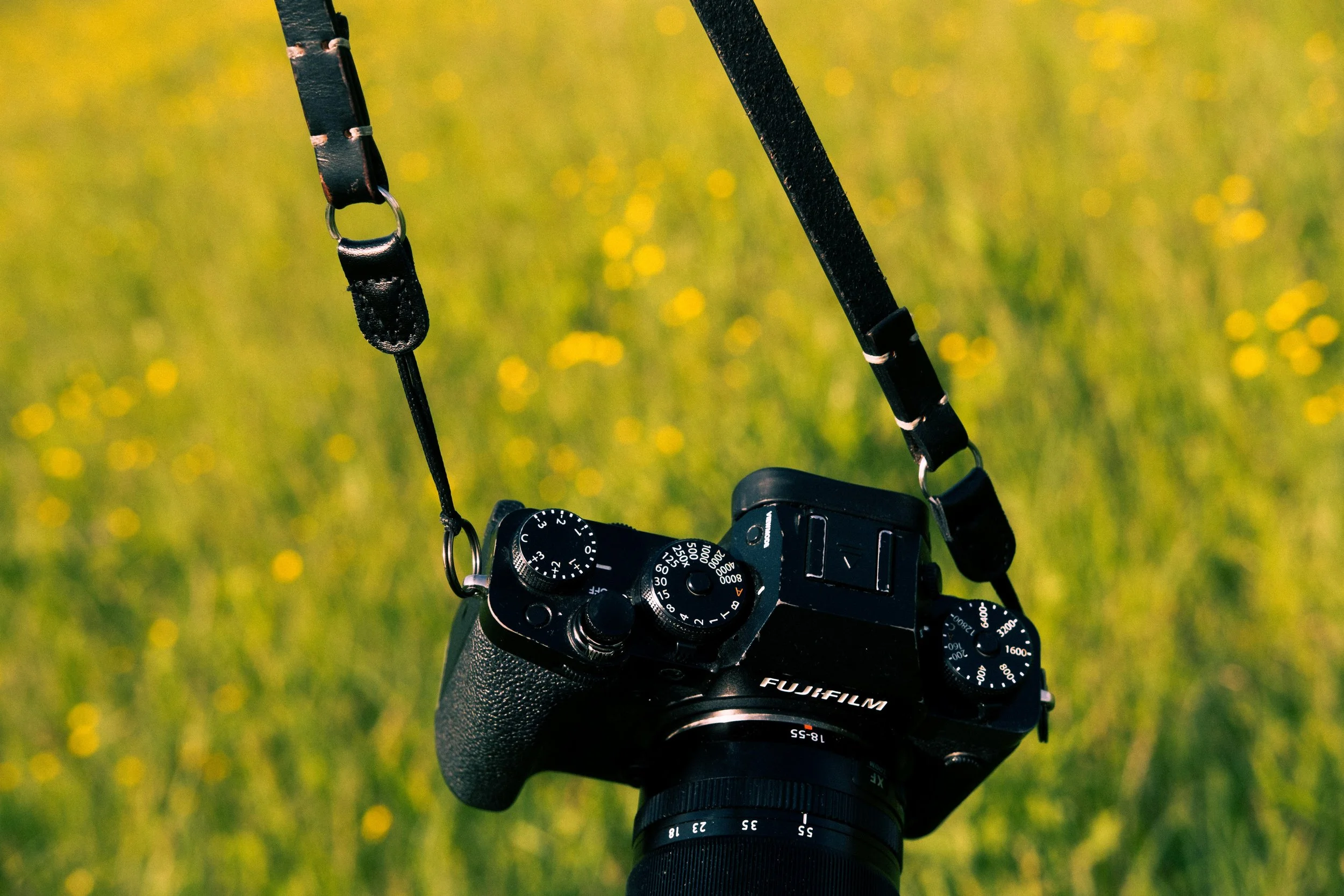
The minimal strap I use. Purchase it here → AMAZON
Then there are accessories that make you look more “professional,” even if they’re mostly aesthetic: like a lens hood.
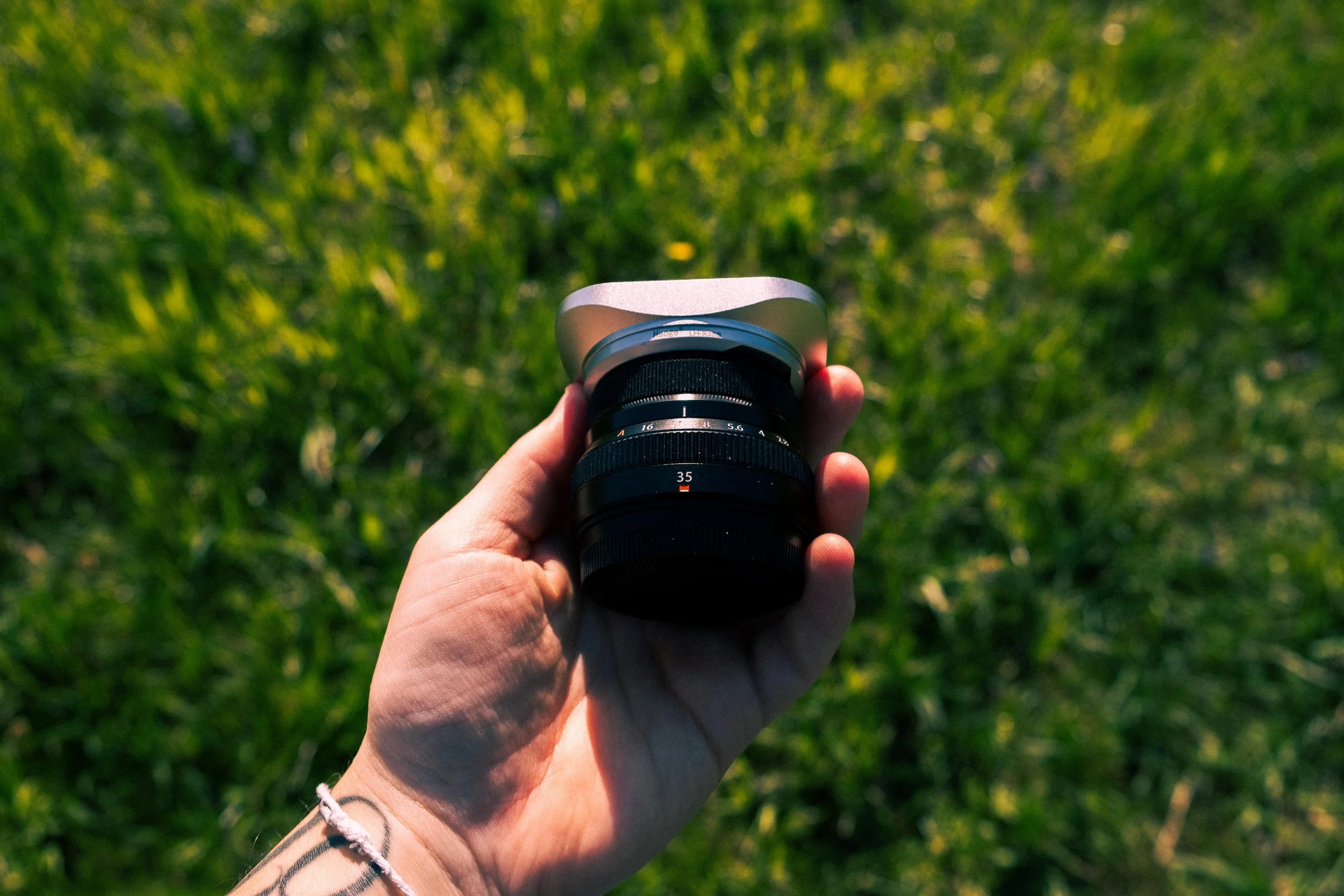
The lens hood I use on my Fuji lens. You can purchase it here → AMAZON
They look great, but to a non-photographer, they might appear as some kind of advanced gear extension.
This blog will always remain ad-free.
If you enjoy my blog and would like to support my work, consider leaving a tip or visiting my shop, where you'll find my personal Lightroom presets, zines & camera guides.
Every bit of support goes directly back into creating new photography content, including YouTube videos, blog posts, camera guides, and, of course, more presets and zines, with the occasional freebie for everyone along the way.
Thank you for reading. <3
I created this guide to share my personal approach to street photography with the Fujifilm X-E4, breaking down the essence of how I use this camera and showing the settings that I consider truly essential, as well as the ones I believe can be ignored in order to achieve a faster, simpler and more intuitive shooting experience.
This was my first Fujifilm camera, and probably the only one I will never get rid of. I have dedicated a video and a blog post to explaining why, as well as another video and blog post where I go through the accessories that made this camera so versatile that it became the only Fujifilm camera that has truly convinced me so far.
Before we begin, there is something important to clarify.
This is not meant to be a complete Fujifilm X-E4 manual.
The settings I will show you are not necessarily the ones that will perfectly match your style, habits, or creative process.
They are simply the choices that, after spending a significant amount of time with this camera, have become essential to my own workflow.
Think of this as a personal recipe rather than a universal instruction manual.
Take what works for you, ignore what does not.
⚠️ As this is a digital product, refunds are not available. However, if you have any questions or experience any issues with your purchase, feel free to email me at karisma.business.inquiries@gmail.com. I'll get back to you as soon as possible!
🌱 Thank you for considering a purchase. Every bit of support goes directly back into creating new photography content, including YouTube videos, blog posts, camera guides, and, of course, more presets and zines, with the occasional freebie for everyone along the way.
I genuinely appreciate your support. Thank you for being part of the journey.