50mm for Street Photography: Why It’s My Favorite Focal Length
Note: This post contains affiliate links. Purchases made through them may earn me a small commission at no extra cost to you, helping support the blog and future photography content.
Thank You!
Premise!
The 50mm isn’t usually the lens people start with in street photography.
For many, it feels too tight, too “zoomed in,” too unforgiving.
And yet… here I am, using it more than anything else.
In this blog I’ll walk you through how I ended up shooting with a 50mm equivalent, and how it quietly became my most used focal length.
It all started with a 28mm
My journey began with a 28mm, more specifically the 28mm on the Ricoh GR III.
You know how traumatic it is going from not doing street photography at all, to suddenly doing it the next day: photographing strangers, traveling for the sake of this medium, and everything that comes with it. It’s not only a technical effort, but a very emotional one.
And that’s exactly why I bought the GR III: I wanted to make the experience as non-technical and natural as possible. I needed a camera that was compact, small, discreet and reliable.
And that was it.
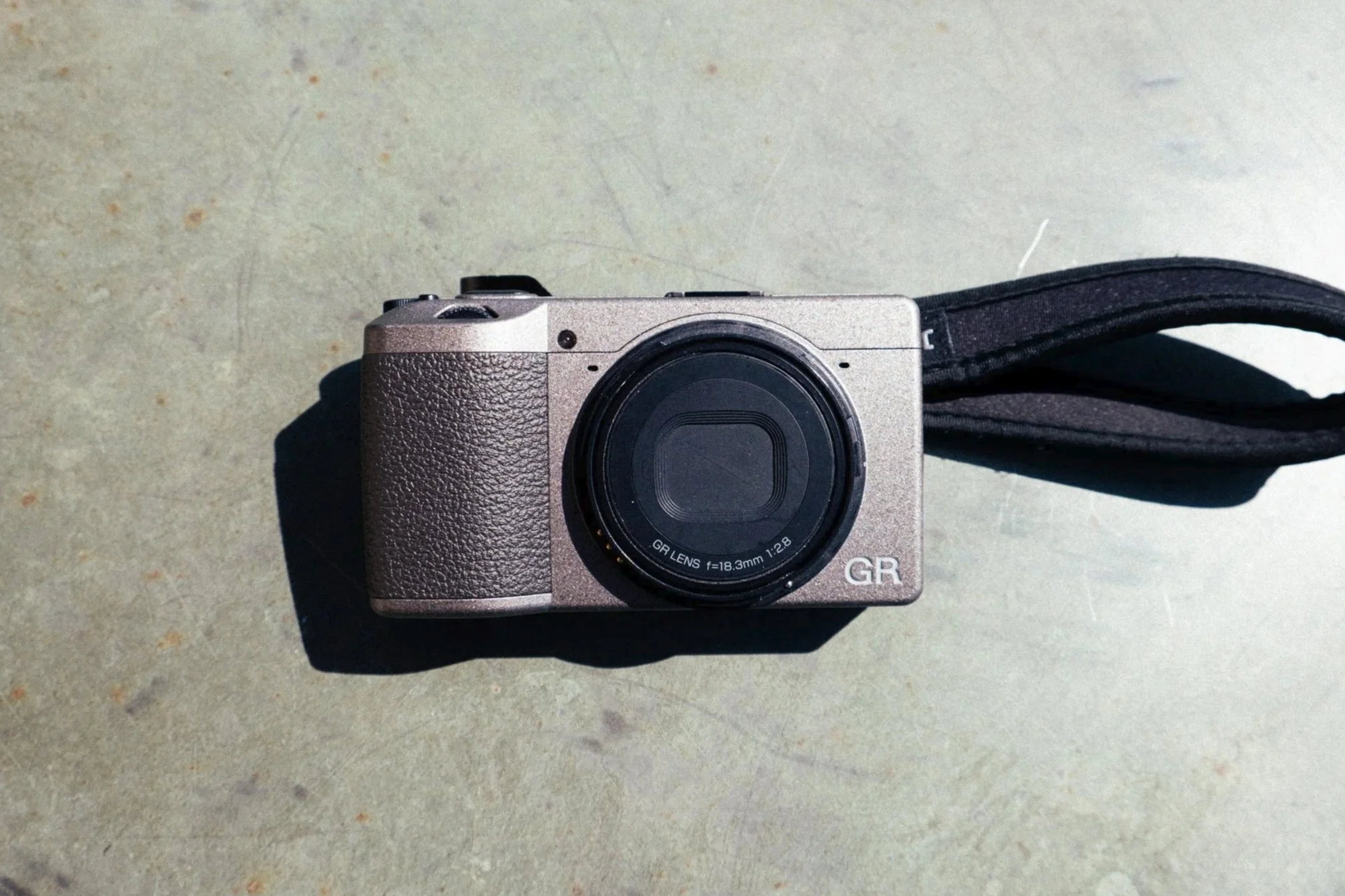
The Ricoh GR III. You can purchase it here → AMAZON
But something felt off
With time spent shooting, I started noticing some limitations.
First of all, because I was afraid of being caught photographing people, I often used the so-called “spray and pray” technique.
It’s true, sometimes I got the shot. But I wasn’t fully satisfied with the process.
Was the end justifying the means? Was I actually experiencing photography, or just walking around looking for the biggest group of people to shoot from as close as possible?
This approach started to bore me. It felt too impersonal.
The analog detour
For this reason, during one of my trips, I bought my first analog camera.
Important note: I knew nothing about film, nothing about loading a roll, and I didn’t even know I shouldn’t open the back of the camera.
I visited a few second-hand shops in Trieste until I found a very old Ferrania Lince 3 (an Italian analog camera from the 60s).
Perfect. Heavy, but extremely minimal.
I found a roll of film not far from the shop and went back to my room to load it. (Less traumatic than expected.)
When I lifted the camera to my eye, I immediately noticed something: what I saw through the viewfinder was much less than what I was used to with the GR III.
The lens on the Lince 3 was a 35mm.
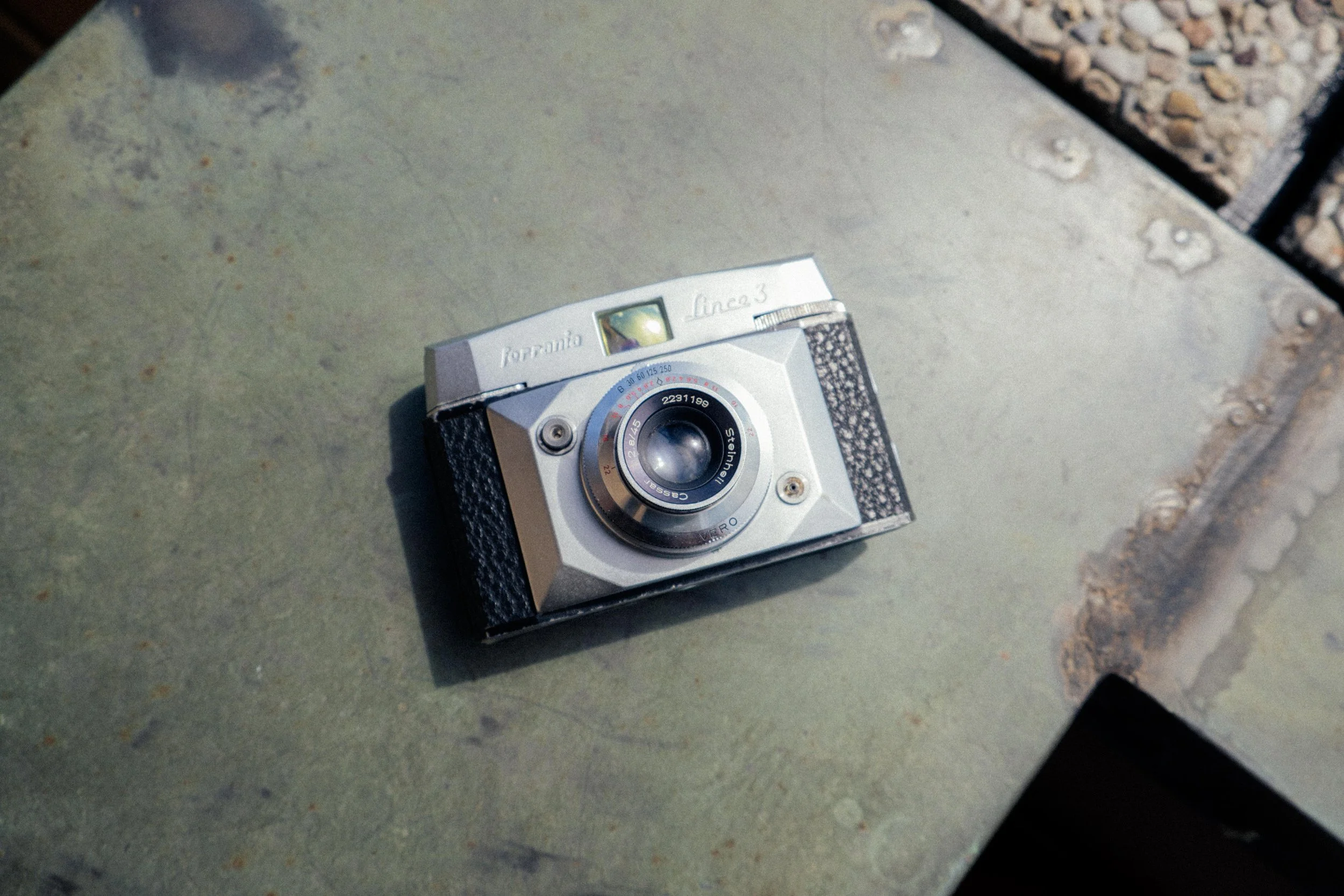
It didn’t matter.
I started shooting and I loved that manual feeling, that need to actually observe and compose calmer scenes: more ordinary life, less chaos.
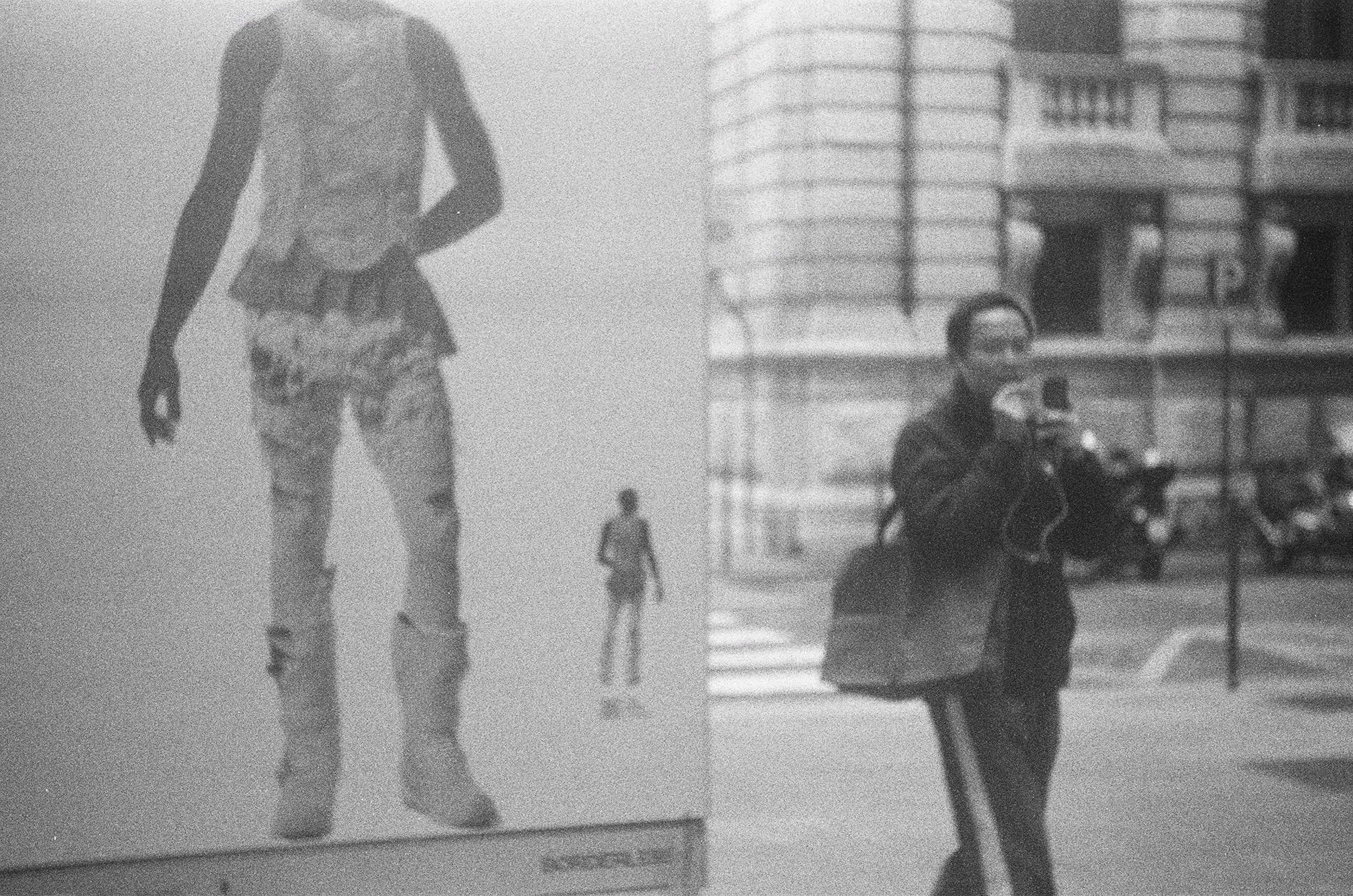
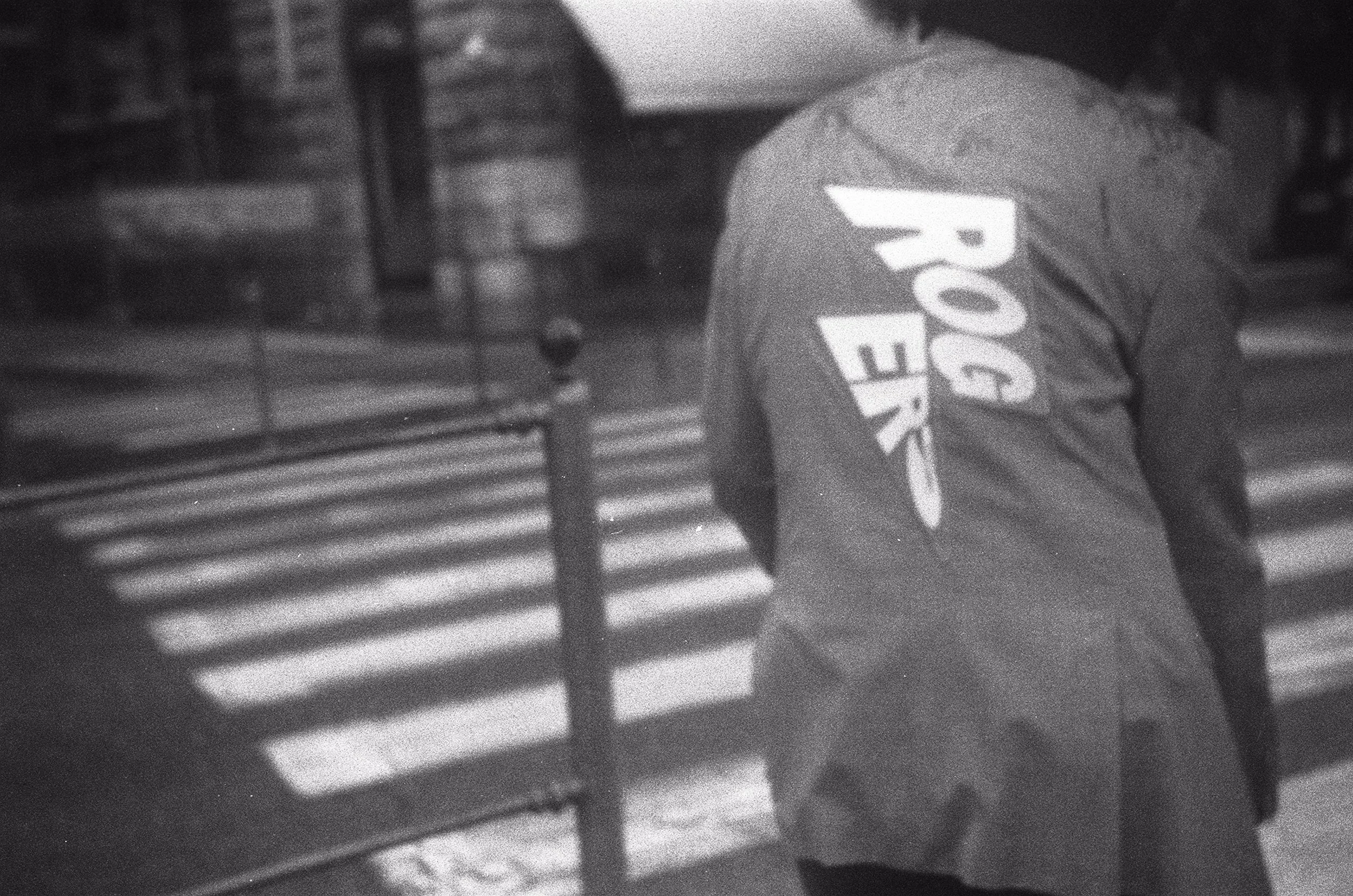
When I received the scans, I fell in love with the results.
The 55mm shift
A few days later, browsing online, I found a cheap Ricoh KR-5 with a 55mm lens.
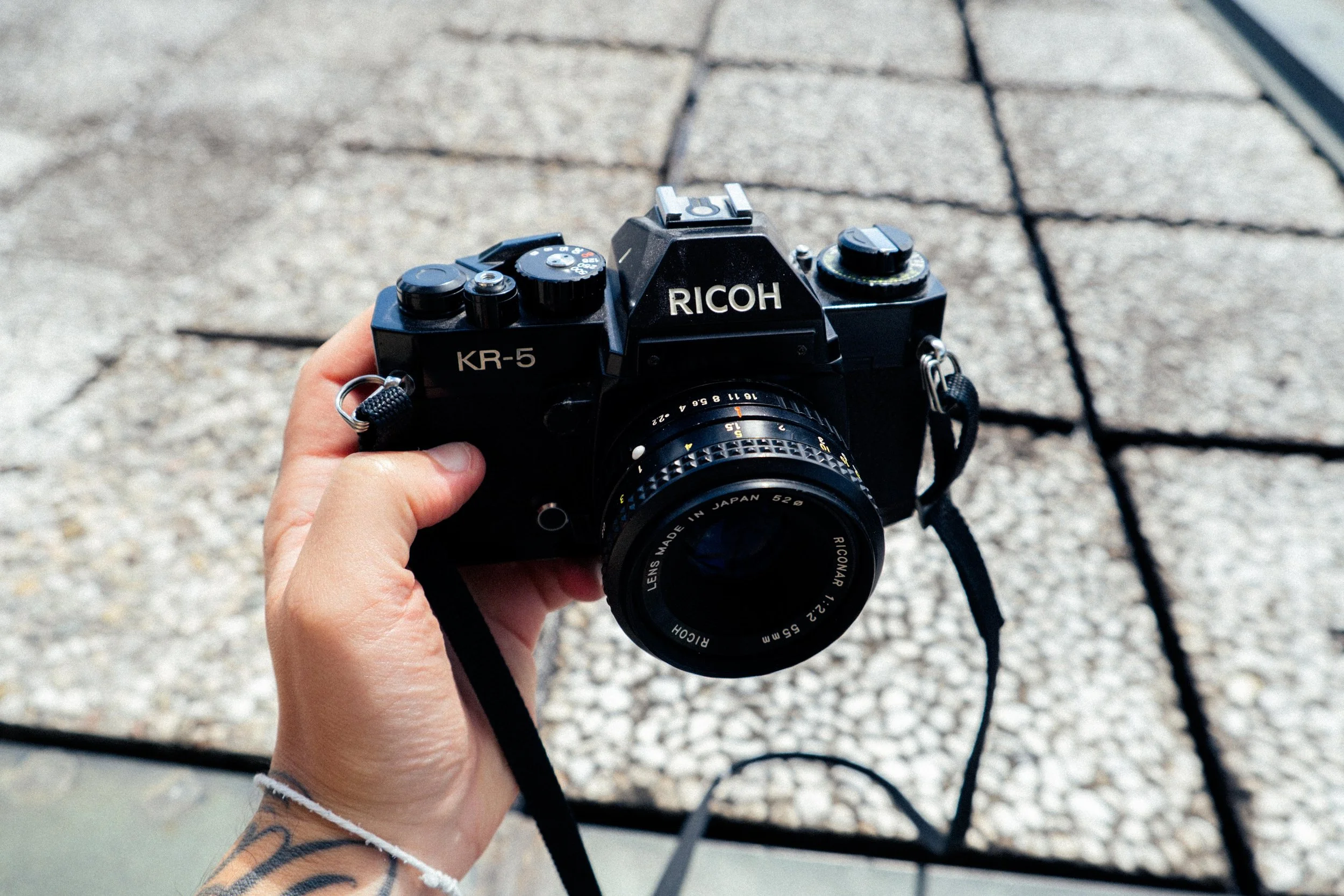
Essentially, I had reduced my field of view by half.
It was not easy to adapt at first, especially considering the approach I had developed until then.
For months, the 28mm had kept me in a constant state of agitation and search for movement.
On the contrary, the 55mm felt more reflective, not suited for large crowds.
When Everything Changed
I went on another trip, this time to Sicily, and the 55mm became the focal length I based the entire trip on.
After a not-so-easy start, I fell in love with it.
It became automatic for me to see scenes and imagine them composed with a 50mm equivalent. My approach became slower, more intentional.
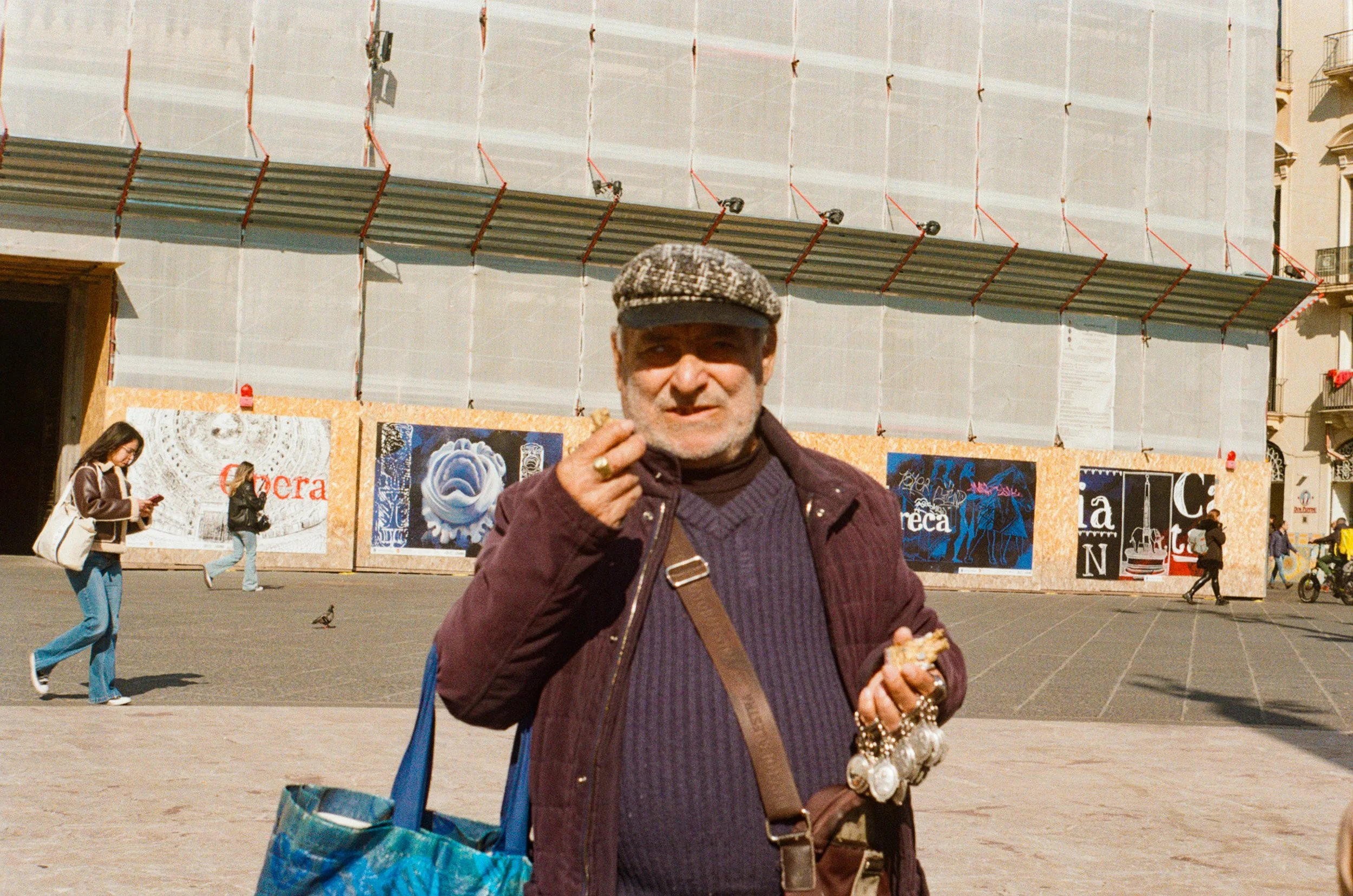
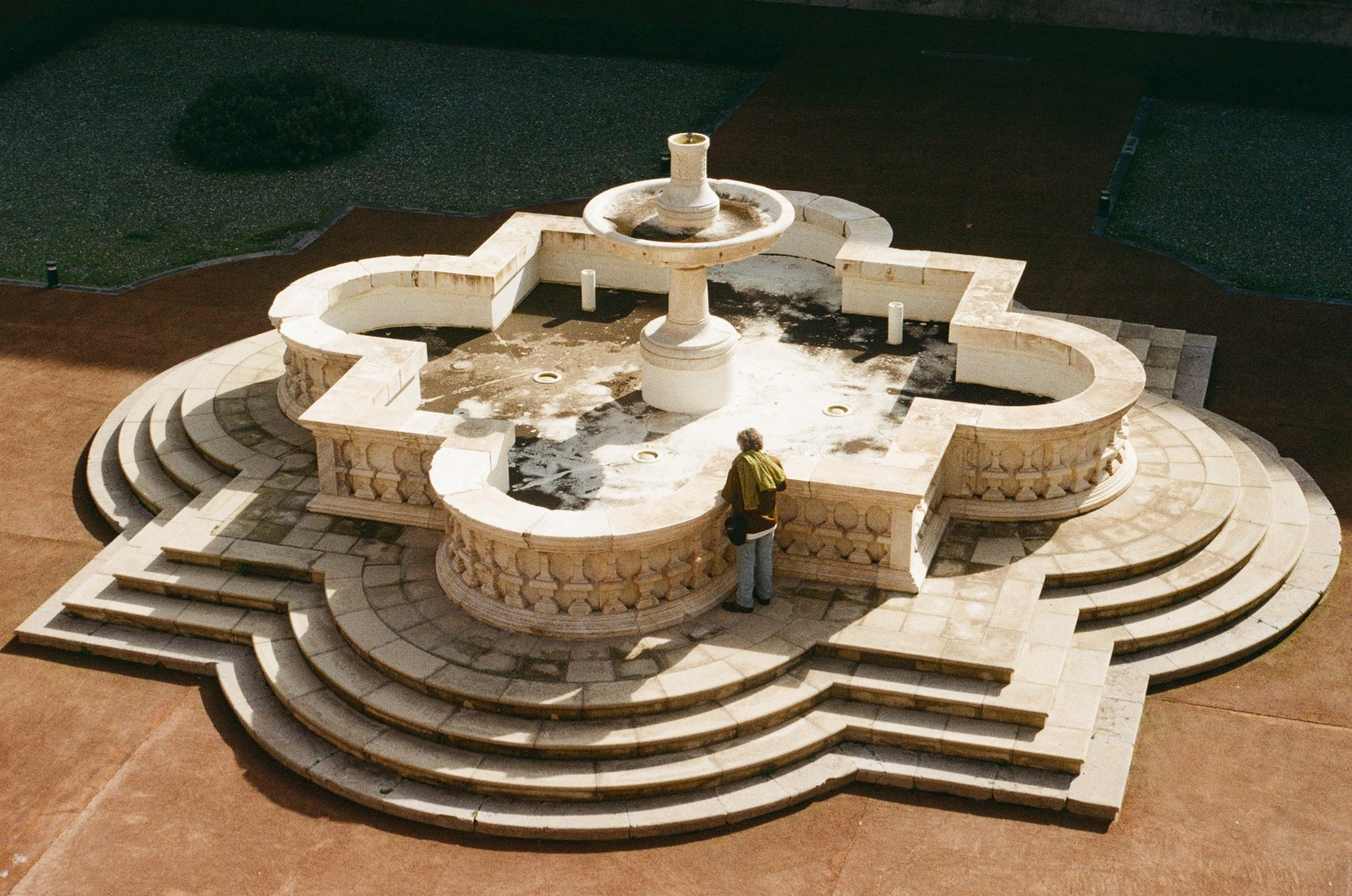
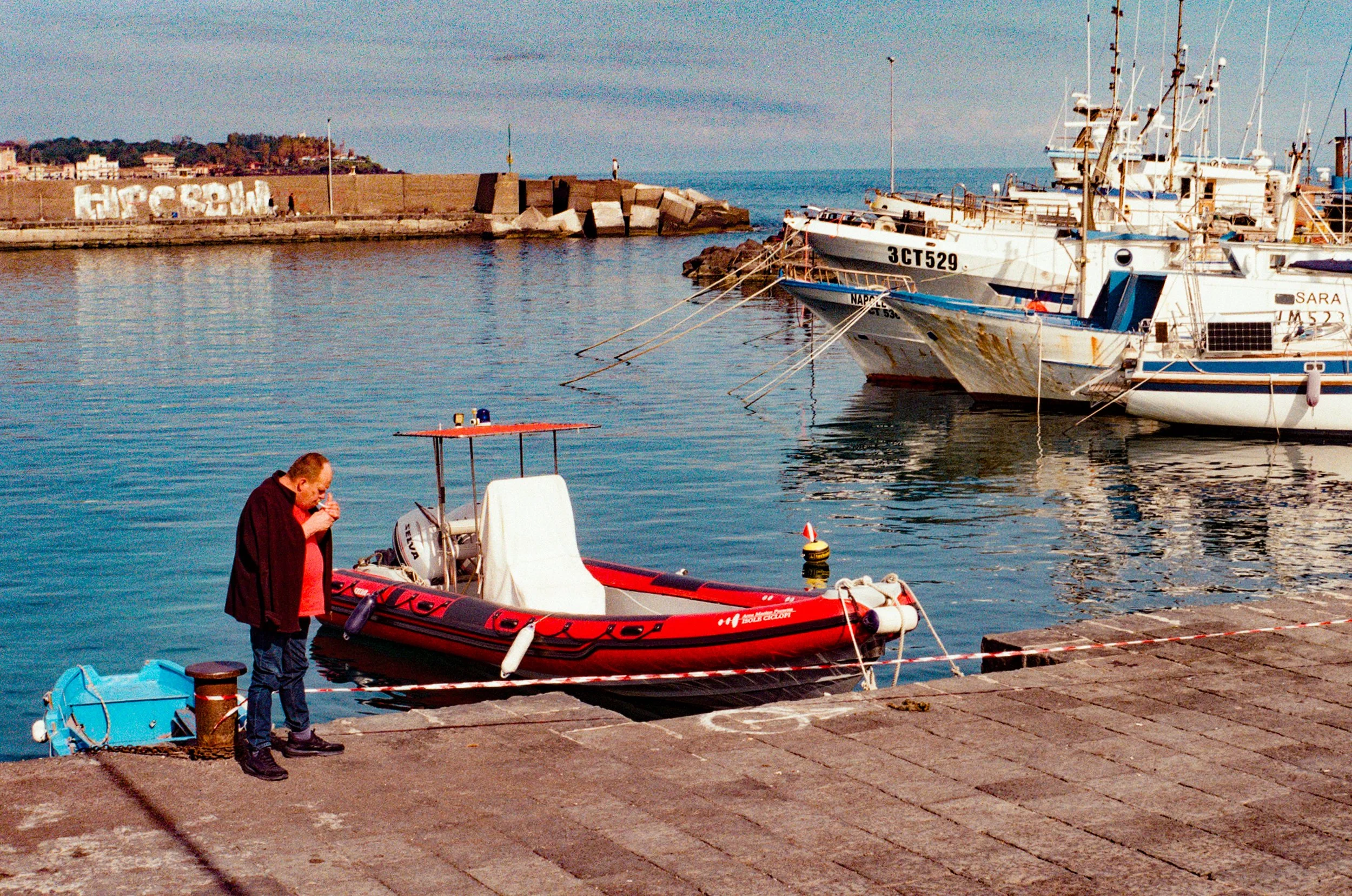
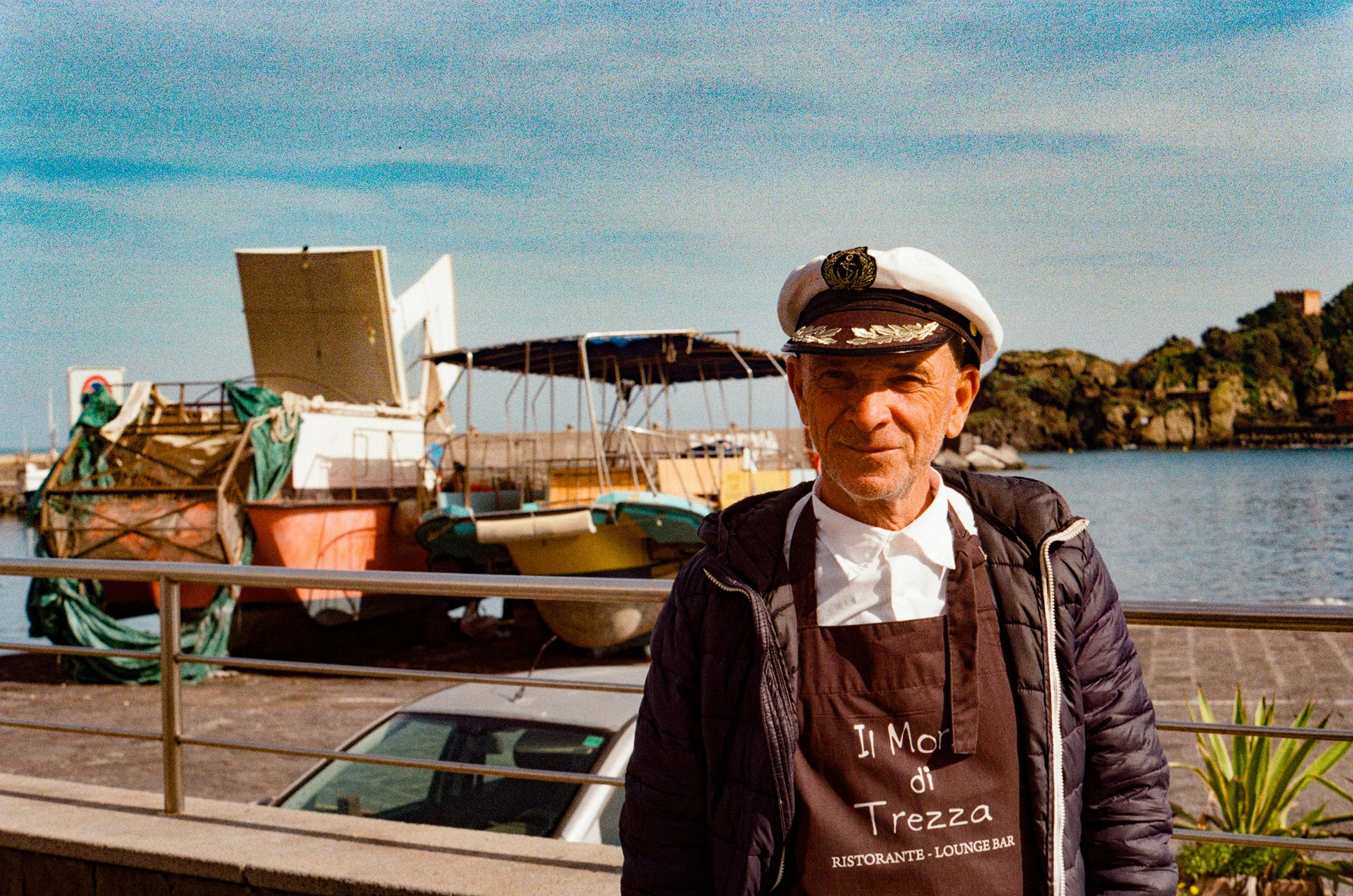
I bought roll after roll.
Back home, I spent entire days shooting with it in Milan.
And then came the bill.
The reality check
With the amount of shooting I was doing, the cost of film and scanning reached the price of a brand new GR III.
It was time to deal with reality.
Back to digital, but with intention
I needed a camera as close as possible to the Ricoh GR III, but with the ability to adapt different focal lengths. I was evolving as a photographer, and the 28mm was starting to feel limiting (this doesn’t mean you are “more advanced” if you move away from it).
So I bought the Fujifilm X-E4.
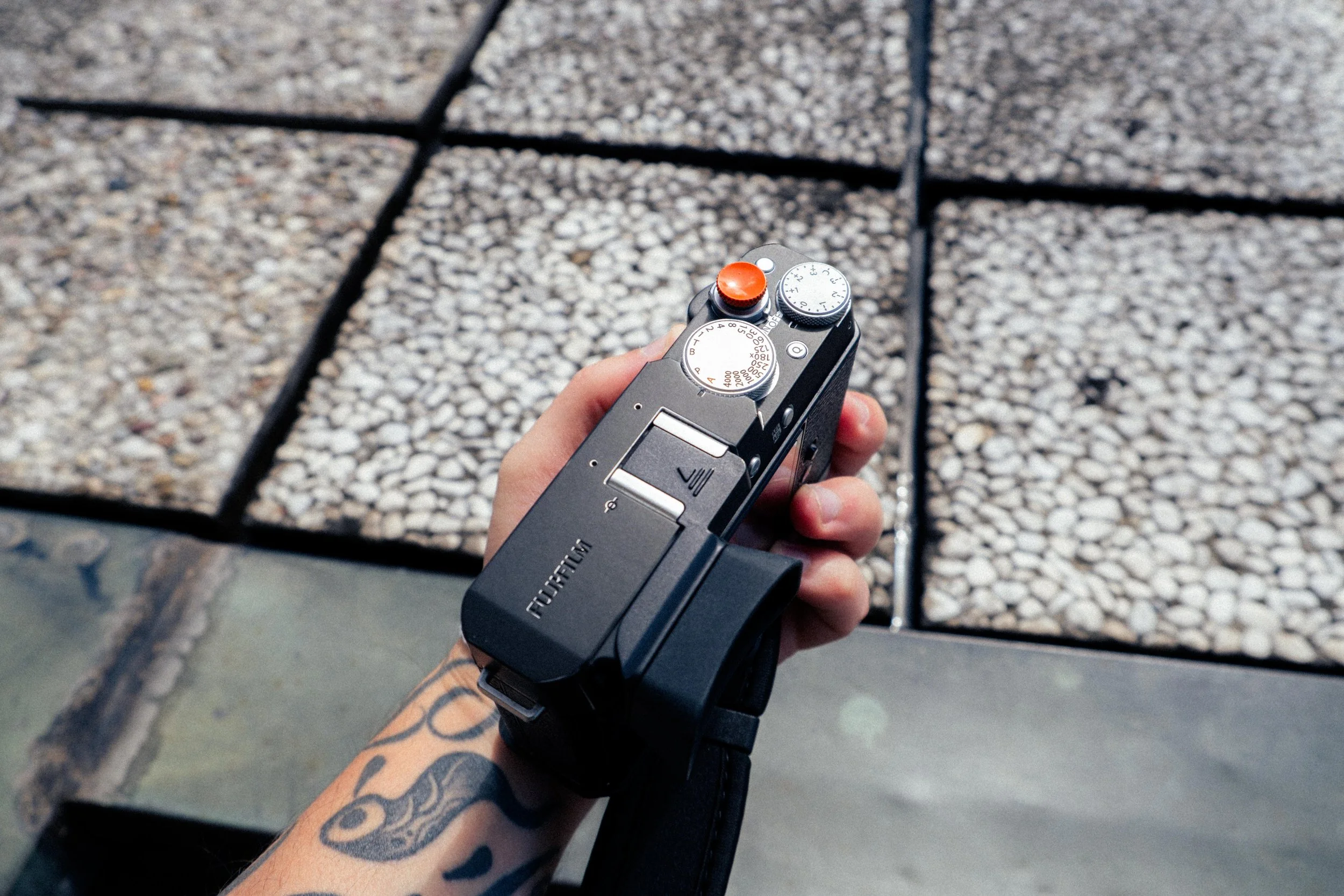
The X-E4. You can purchase it here → AMAZON
Minimal, simple, with very few dials, ready to shoot immediately after mounting a lens.
And what lens did I choose? Of course the Fujifilm XF 35mm f/2 R WR.
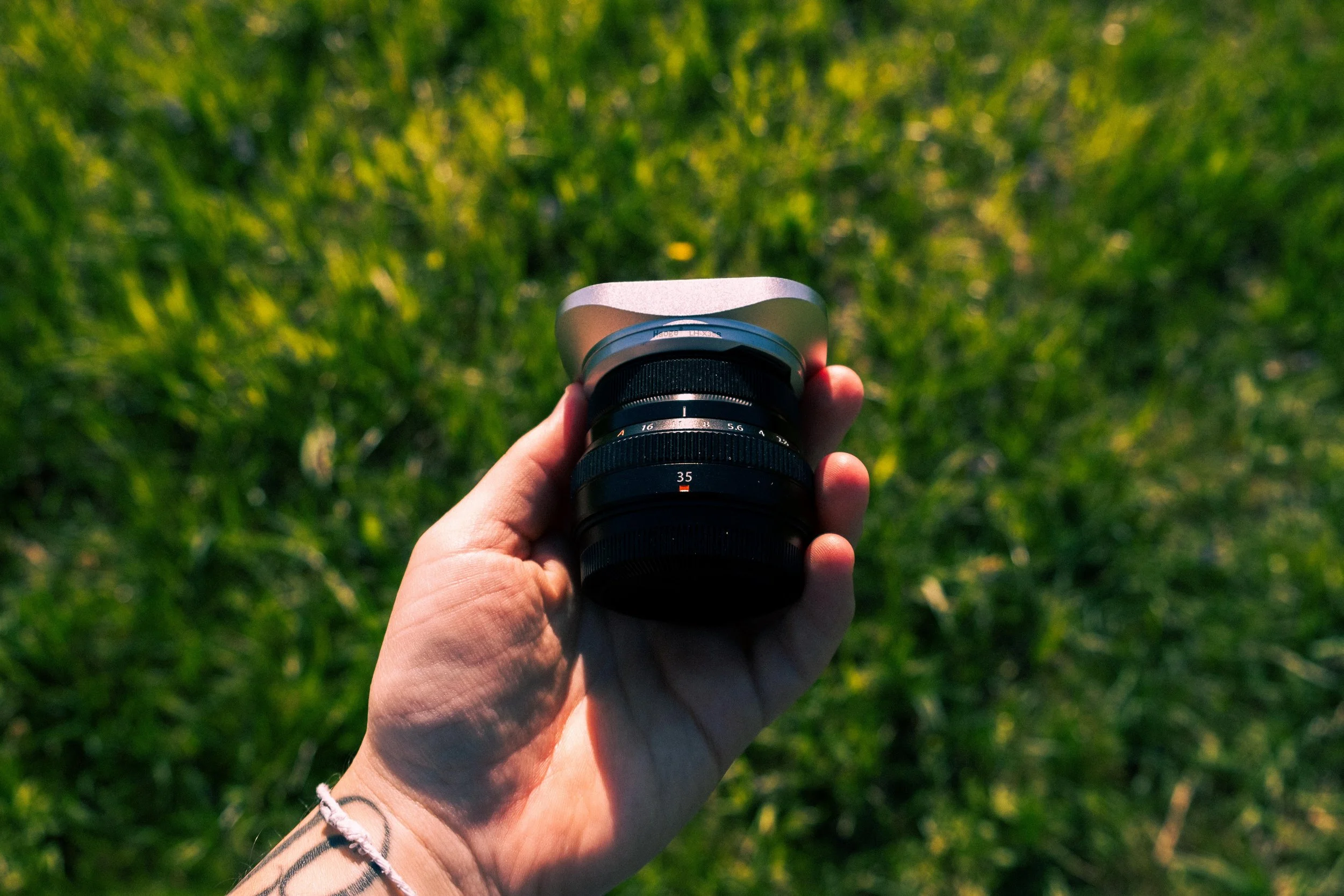
The lens. You can purchase it here → AMAZON
On an APS-C sensor, that gives a 50mm equivalent focal length.
Recreating the 55mm experience in digital
In short, I had replicated the simplicity of the Ricoh KR-5 and its 55mm lens, but in digital form, so I could shoot without worrying about the cost of every single frame.
And yes, I still use the X-E4 today, and it’s not even that expensive of a setup.
Traveling with the 50mm
I started traveling everywhere with the X-E4 and the 50mm equivalent: Spain, Portugal, Poland, Asia…
But did I feel limited?
Many prefer 28mm or 35mm because they allow you to include more of the urban chaos and environment.
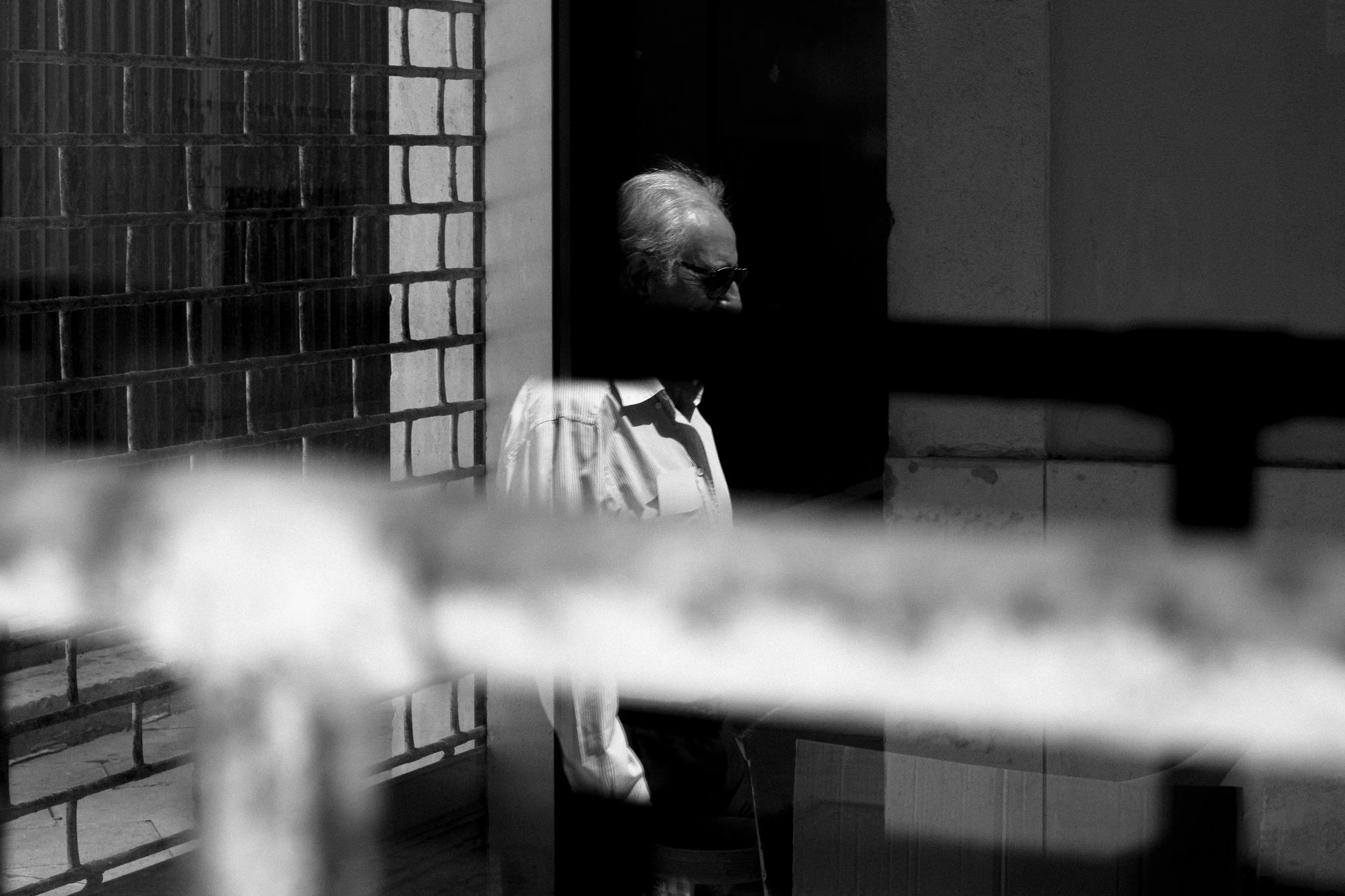
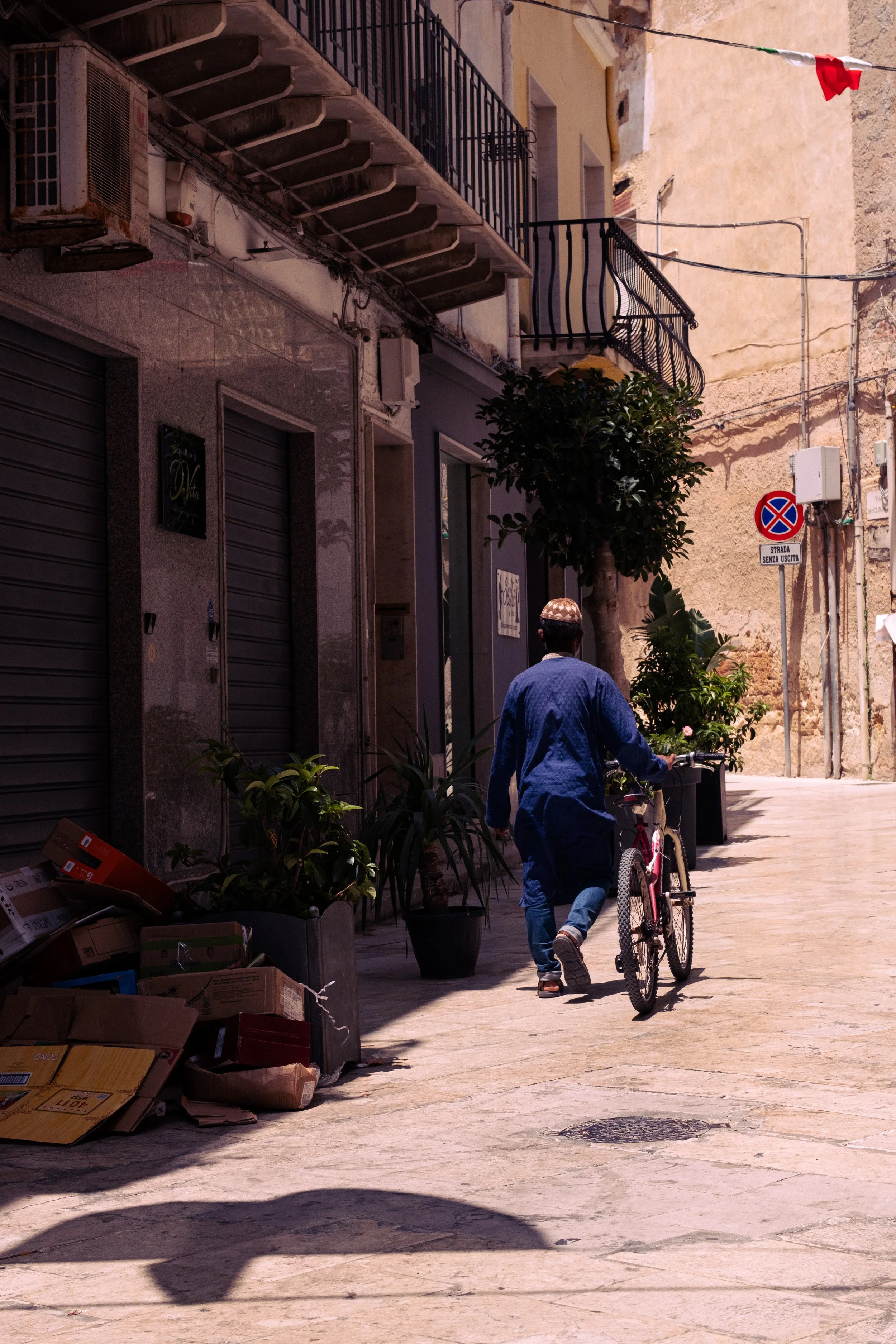
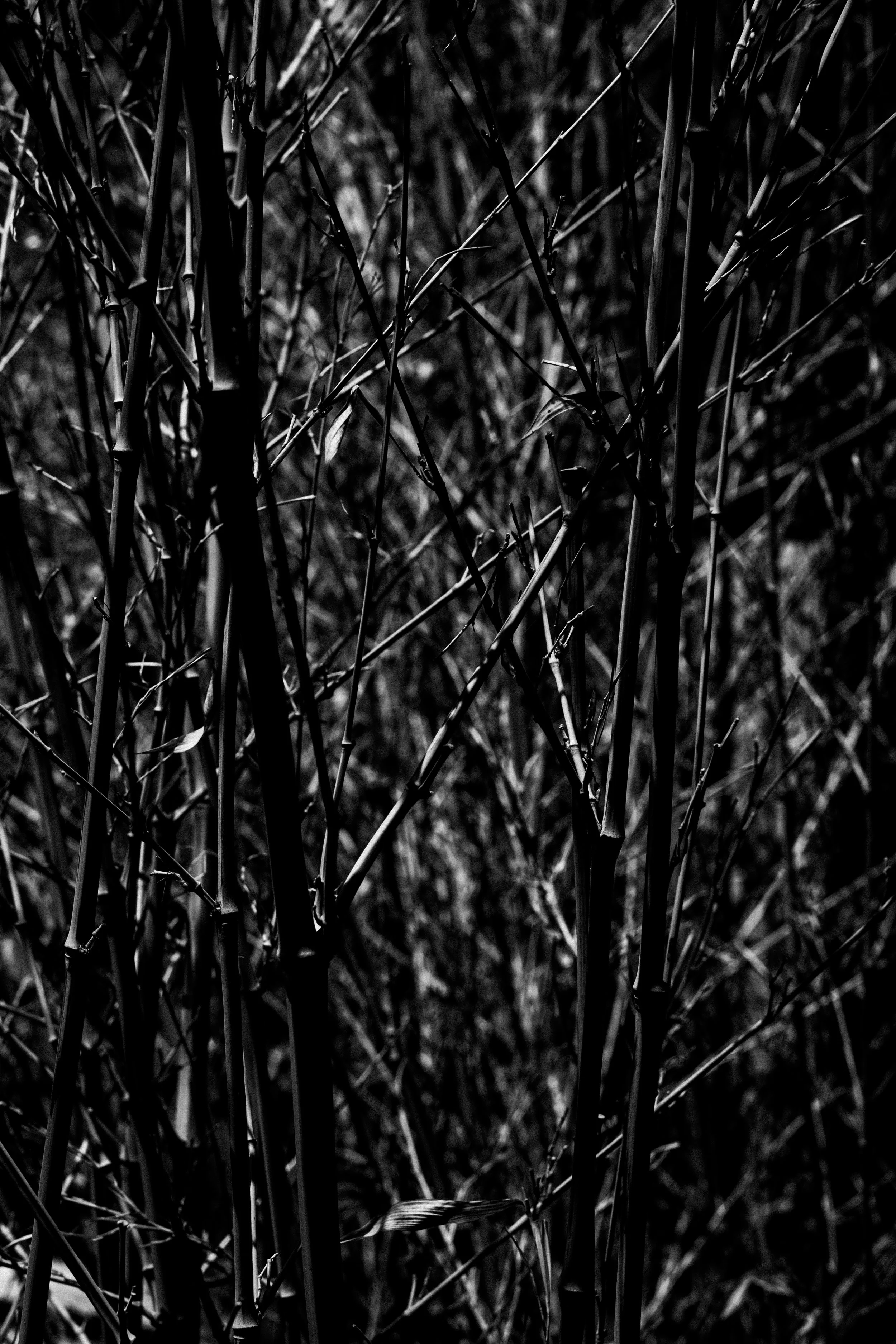
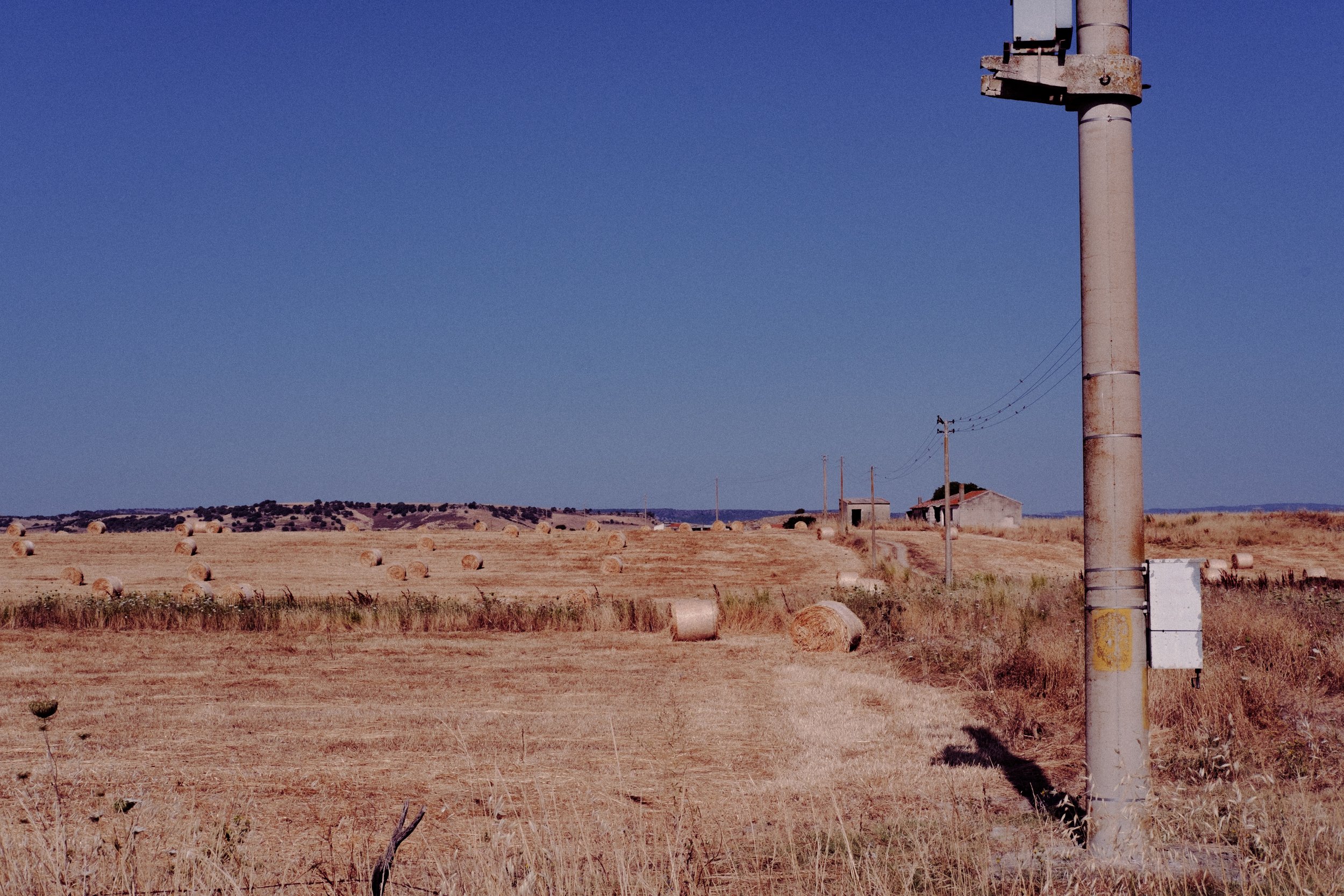
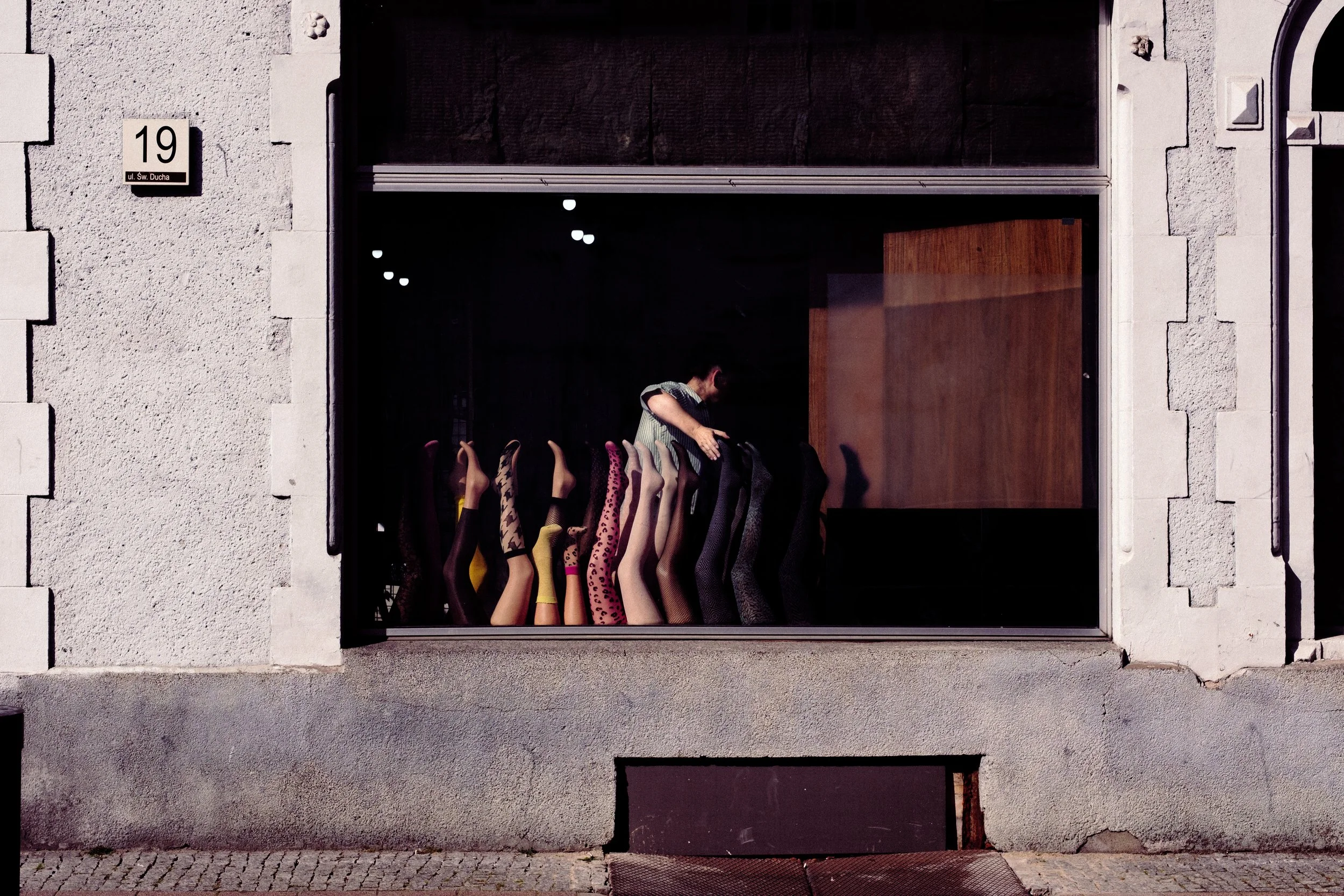
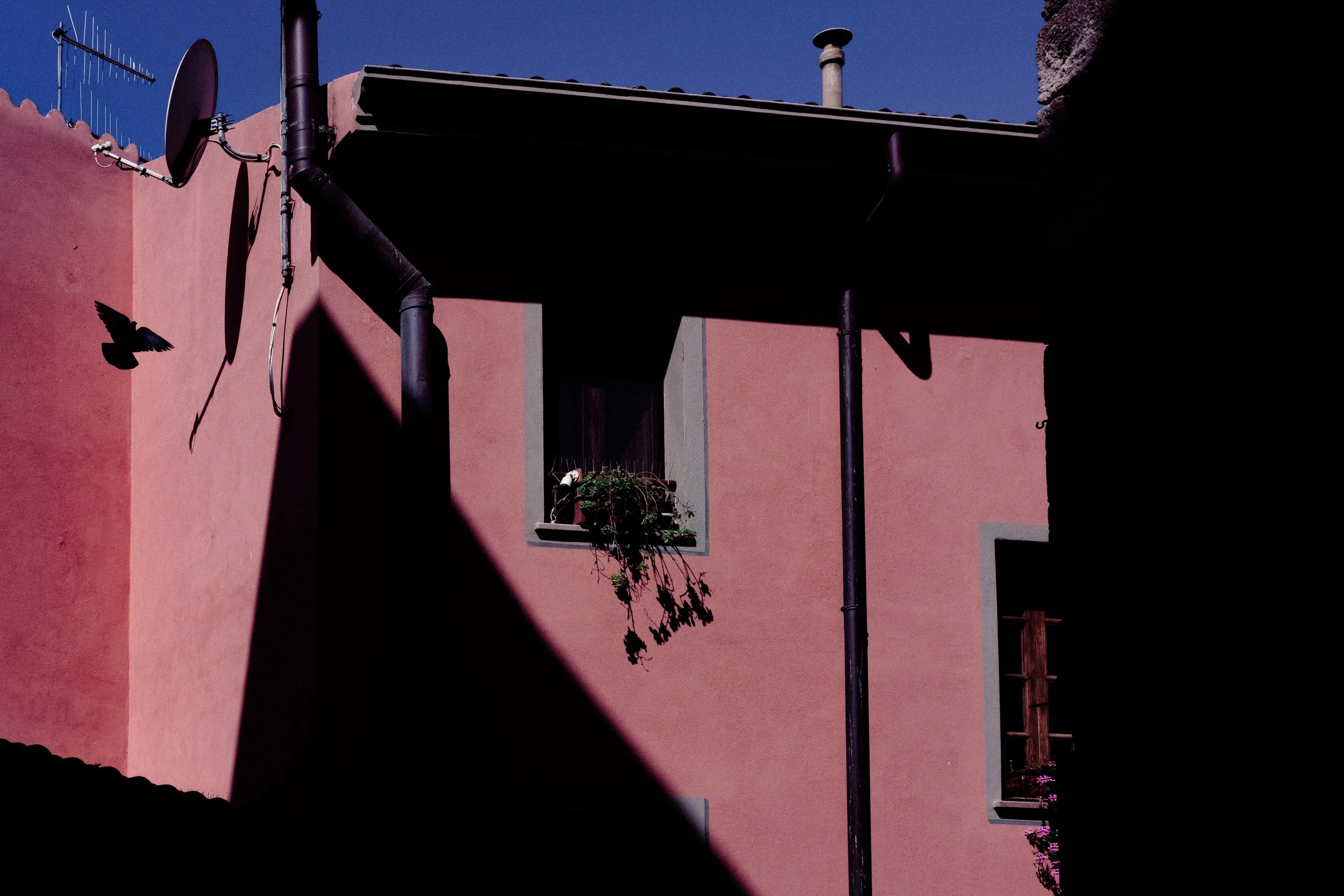
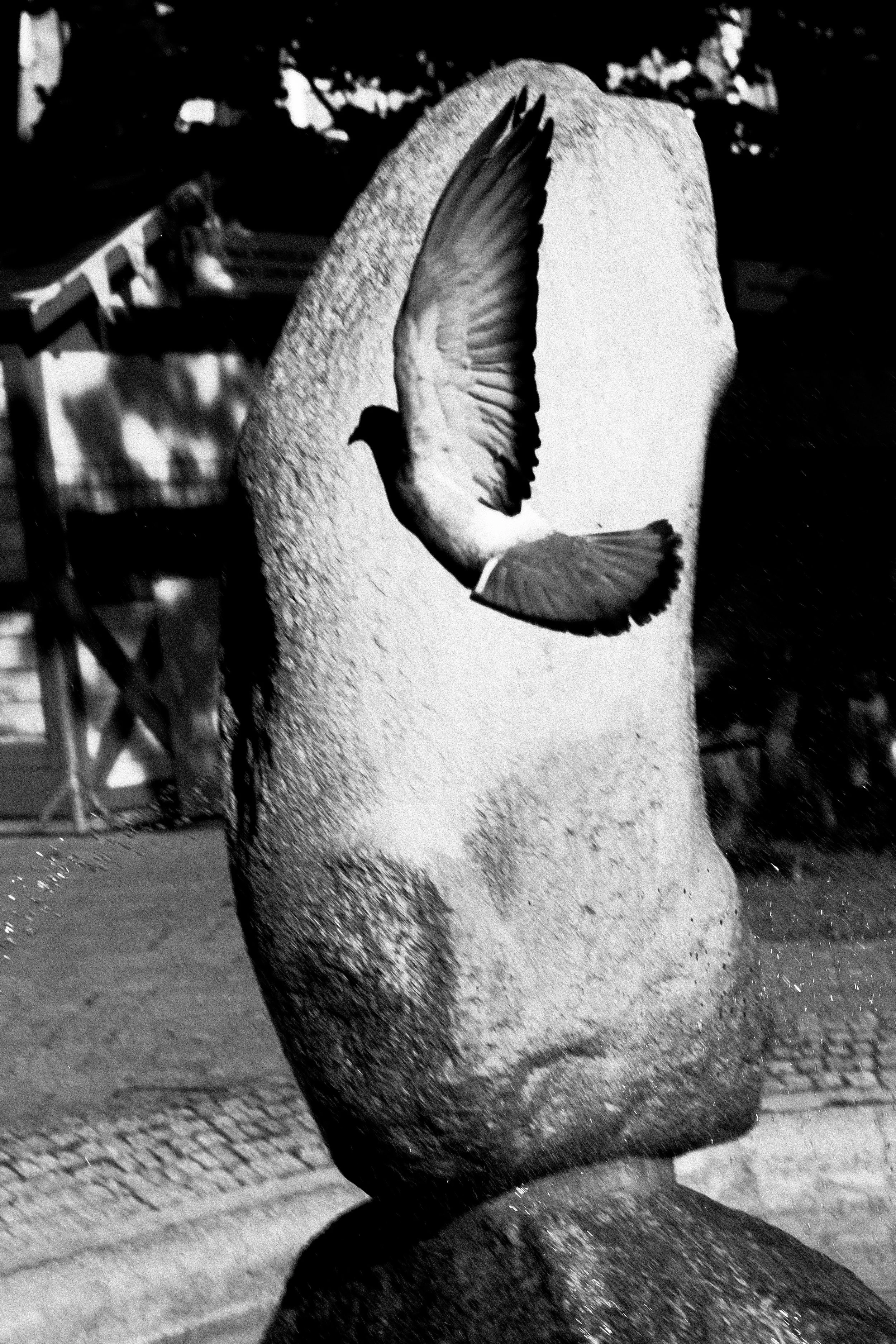
But my answer is simple: absolutely not.
Why the 50mm stayed
The 50mm is now how I see the world.
It doesn’t matter how chaotic or calm a scene is in front of me: I always find a way to represent it through that focal length.
Yes, it is tighter than 28mm or 35mm, but isn’t that the point of every lens? Its uniqueness?
Personally, I always struggled with wide lenses. They include too much: too many unwanted elements, too many distractions that can steal attention from the subject or the scene.
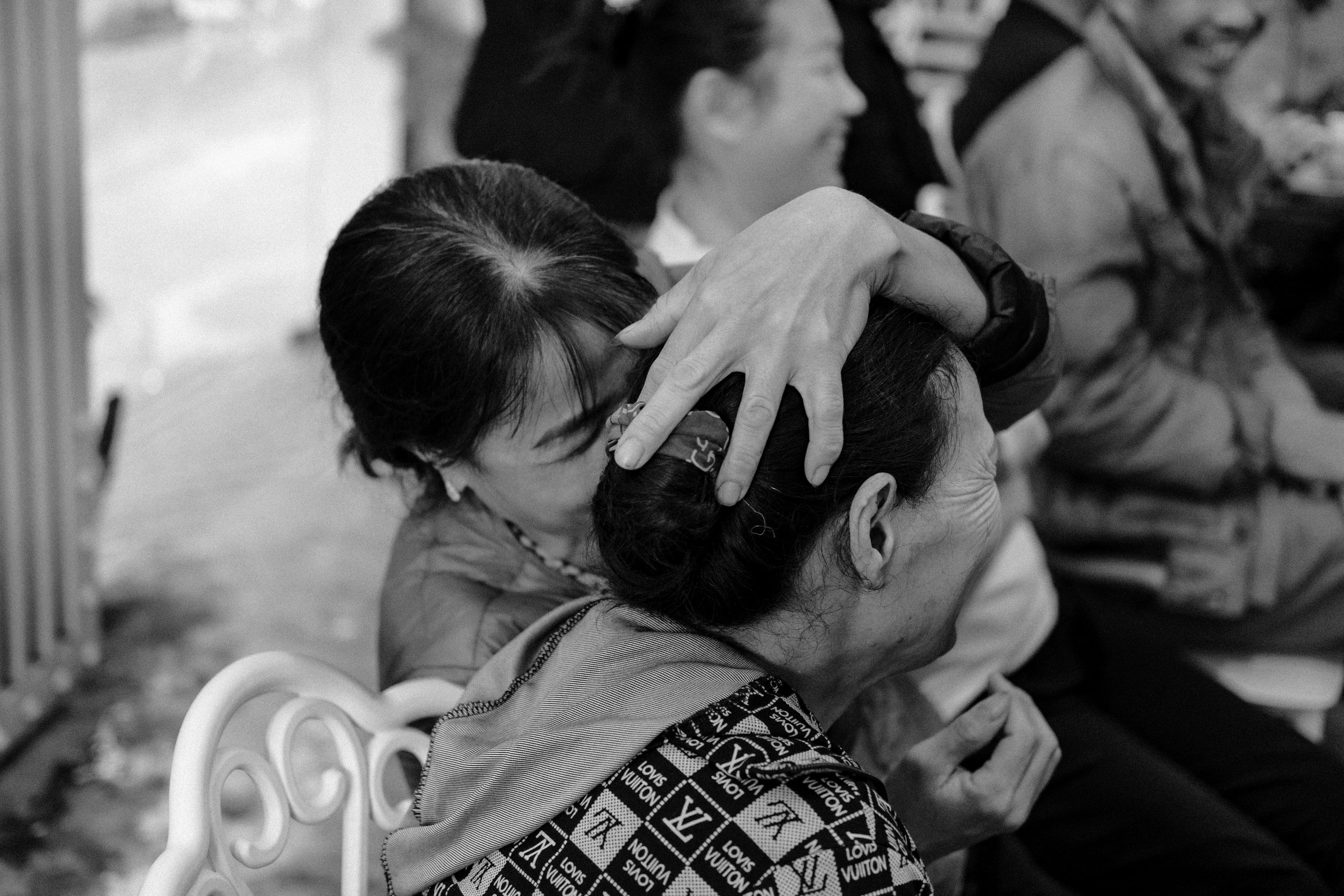
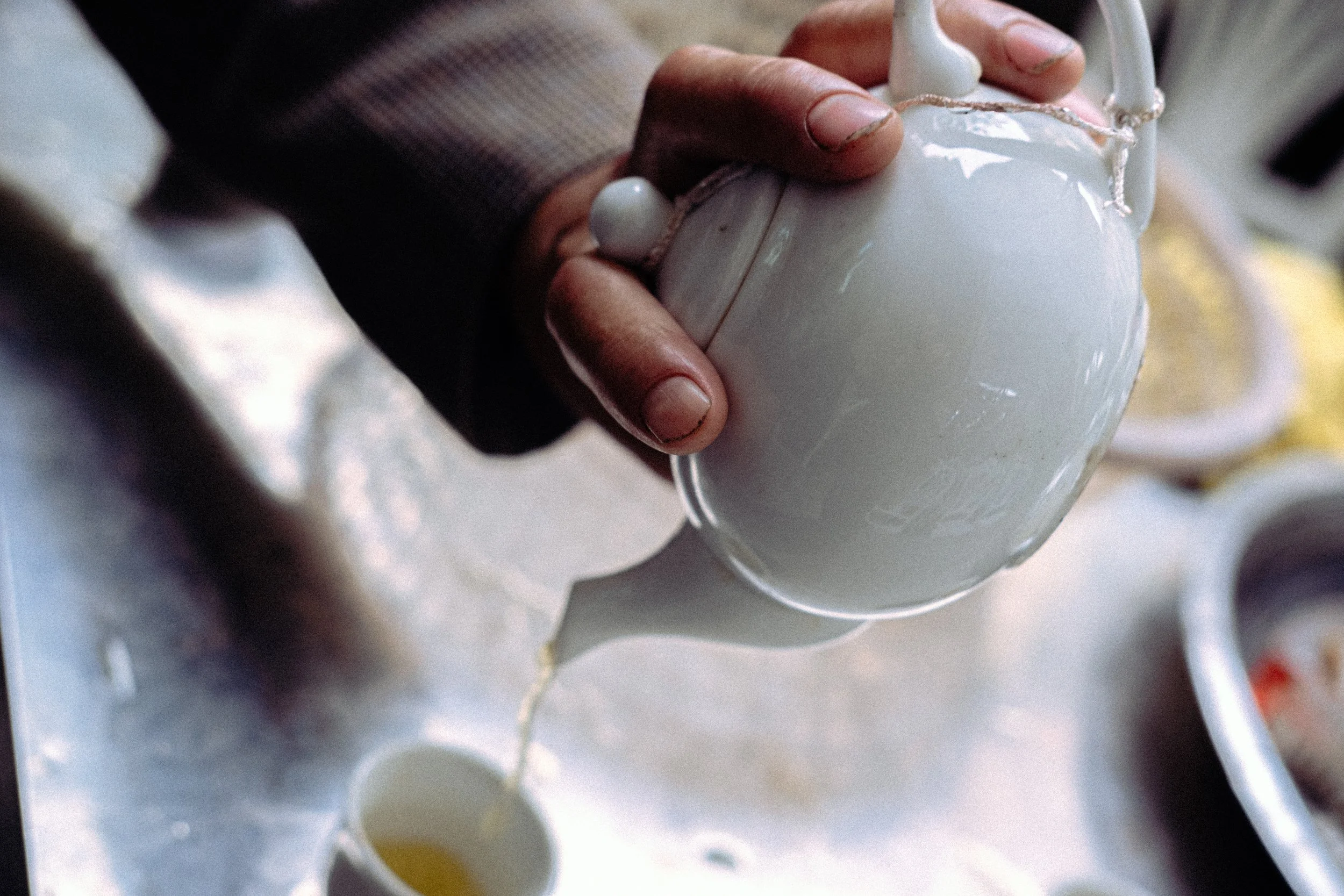
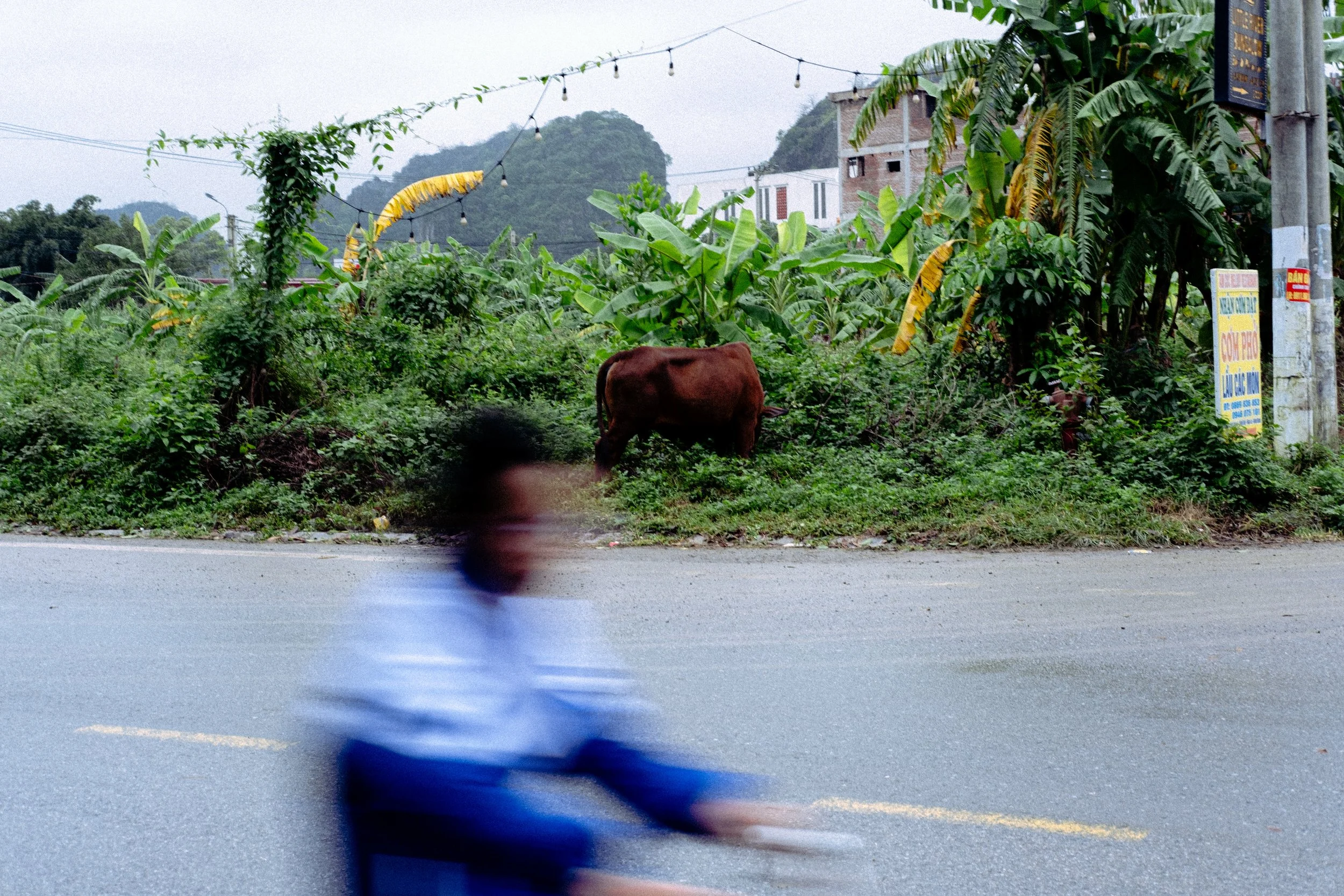
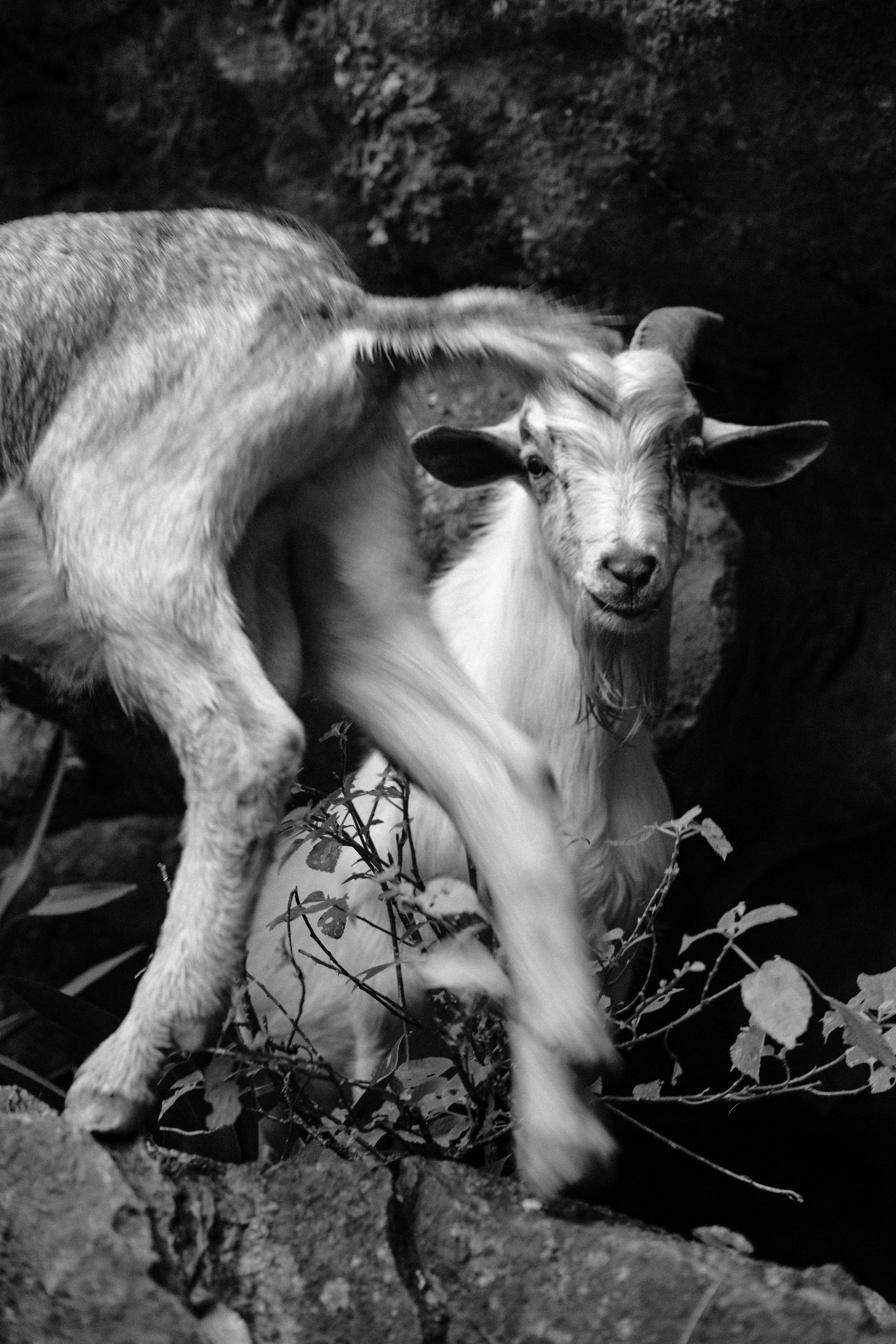
With a 50mm, I cannot represent chaos in its entirety, but I can isolate what matters most to me in that specific moment.
And sometimes, that’s exactly what I want.
No single “correct” lens
There is no rule saying you must photograph chaotic scenes with wide lenses. (I’ve written separate blogs about my 75mm and 130mm approach.)
Everything depends on what you want to represent, your intention, and your personal vision.
Final thoughts
The 50mm is a very simple lens. More than you might think.
It takes some time to adapt, especially if you come from wider focal lengths, but it becomes a sweet spot that helps you understand when to go wider or tighter.
In fact, shortly after getting the 50mm equivalent, I bought a 75mm as well and that too became one of my most used lenses.
But that’s another blog.
This blog will always remain ad-free.
If you enjoy my blog and would like to support my work, consider leaving a tip or visiting my shop, where you'll find my personal Lightroom presets, zines & camera guides.
Every bit of support goes directly back into creating new photography content, including YouTube videos, blog posts, camera guides, and, of course, more presets and zines, with the occasional freebie for everyone along the way.
Thank you for reading. <3
I created this guide to share my personal approach to street photography with the Fujifilm X-E4, breaking down the essence of how I use this camera and showing the settings that I consider truly essential, as well as the ones I believe can be ignored in order to achieve a faster, simpler and more intuitive shooting experience.
This was my first Fujifilm camera, and probably the only one I will never get rid of. I have dedicated a video and a blog post to explaining why, as well as another video and blog post where I go through the accessories that made this camera so versatile that it became the only Fujifilm camera that has truly convinced me so far.
Before we begin, there is something important to clarify.
This is not meant to be a complete Fujifilm X-E4 manual.
The settings I will show you are not necessarily the ones that will perfectly match your style, habits, or creative process.
They are simply the choices that, after spending a significant amount of time with this camera, have become essential to my own workflow.
Think of this as a personal recipe rather than a universal instruction manual.
Take what works for you, ignore what does not.
⚠️ As this is a digital product, refunds are not available. However, if you have any questions or experience any issues with your purchase, feel free to email me at karisma.business.inquiries@gmail.com. I'll get back to you as soon as possible!
🌱 Thank you for considering a purchase. Every bit of support goes directly back into creating new photography content, including YouTube videos, blog posts, camera guides, and, of course, more presets and zines, with the occasional freebie for everyone along the way.
I genuinely appreciate your support. Thank you for being part of the journey.