Can You Use a 130mm Lens for Street Photography?
Premise!
Some time ago, I bought a Leica 90mm Elmar f/4. Used on my Fujifilm X‑E4 (APS-C), its field of view translated to roughly a 135mm equivalent on full frame.
I fell in love with it almost instantly. Not so much because of its technical quality, but because of its potential.
I thought it would be nearly unusable for fast-paced street photography… and I was completely wrong.
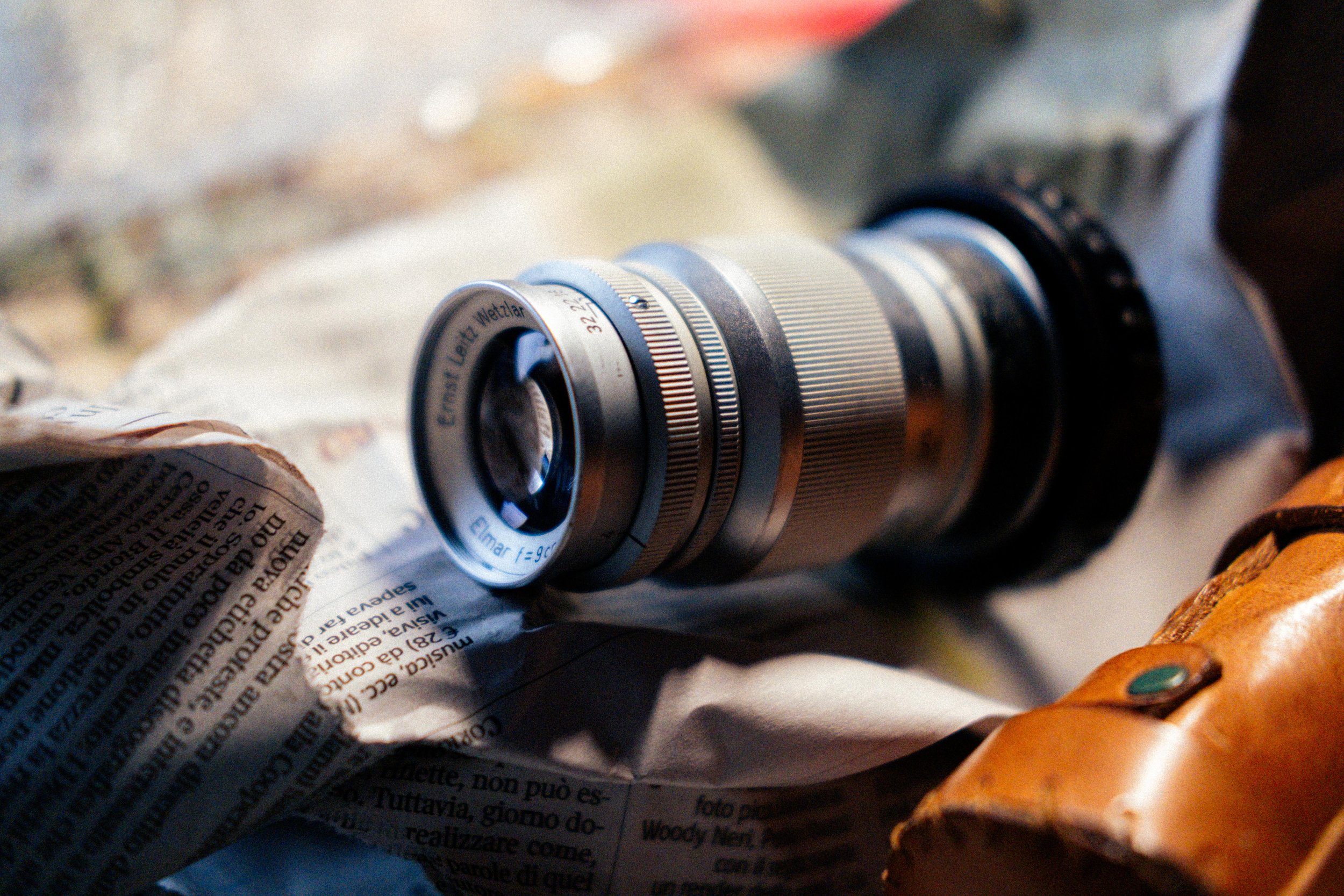
60-years-old
That Leica lens was originally designed back in the 1960s, mainly for studio portraits.
Yet I decided to take it out into the streets. Why?
Because it was incredibly compact.

Yes, fully manual. Yes, a focal length that most people wouldn’t even consider for street photography.
But it felt right. The focus ring was smooth, responsive… fast enough to keep up.
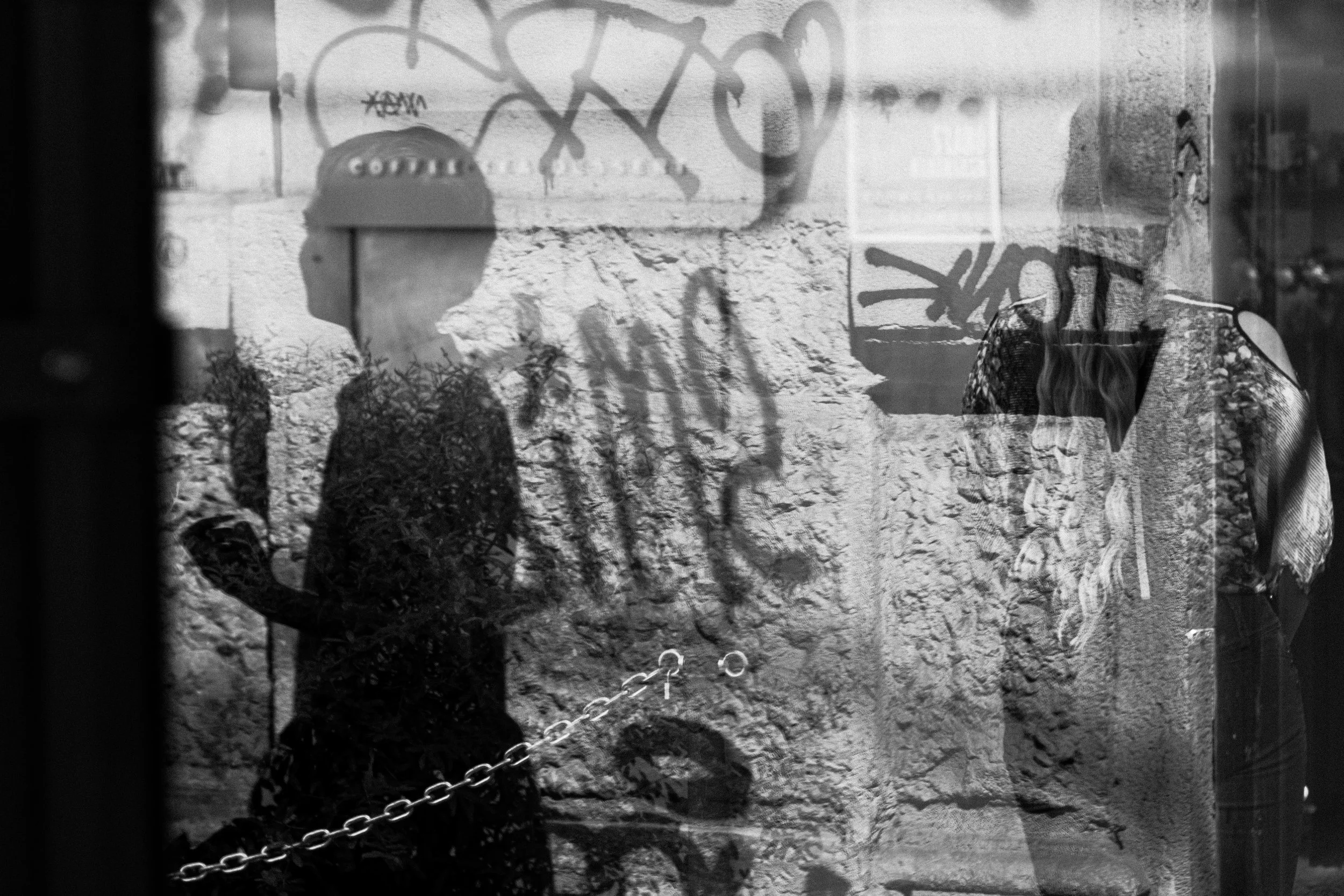
BUT…
Unfortunately, I had to return it. I couldn’t focus to infinity.
To this day, I’m not entirely sure whether the issue was the lens itself or the adapter I was using on my Fuji.
I tried two different adapters, one cheap and one more expensive. Nothing worked.
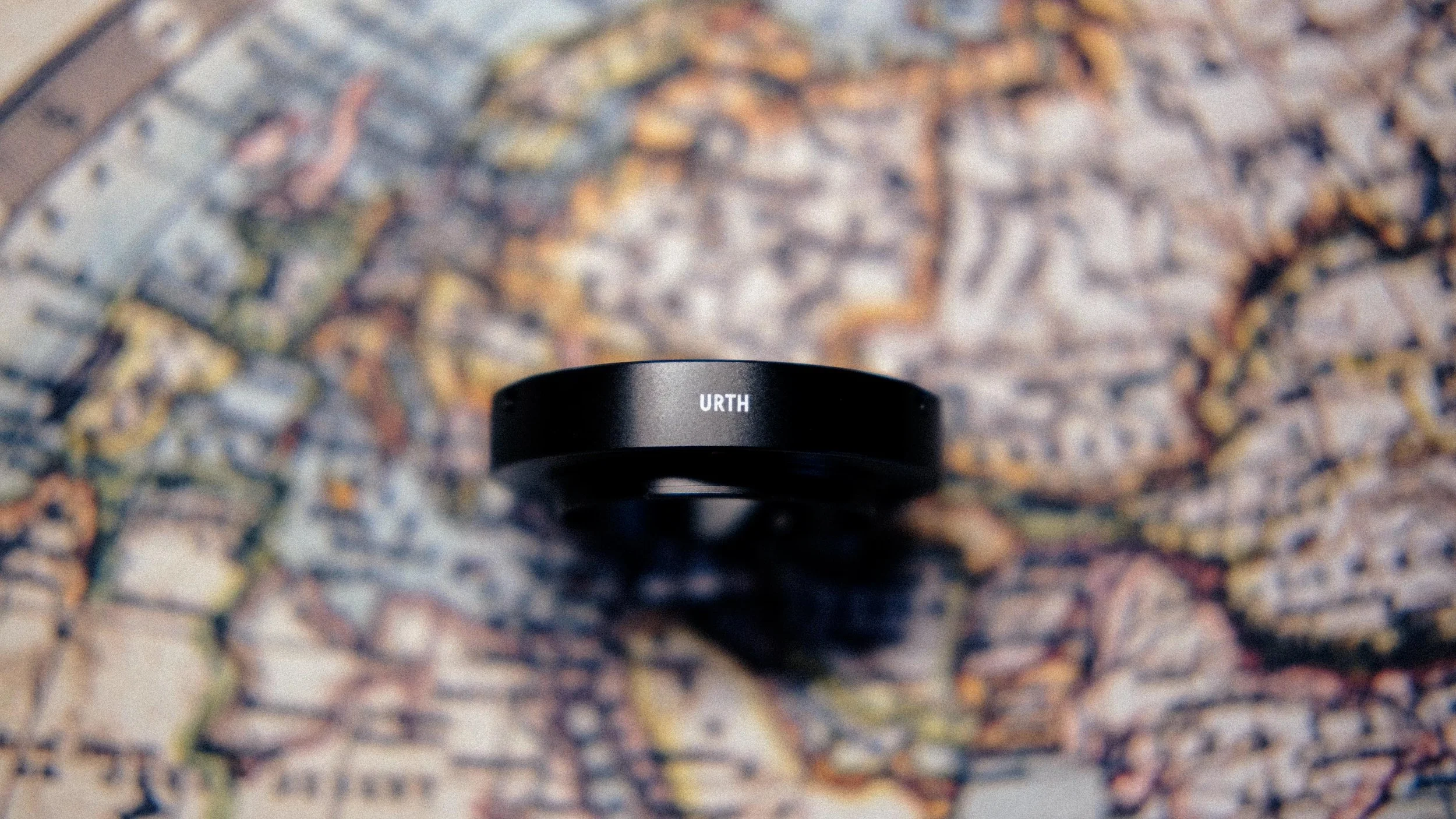
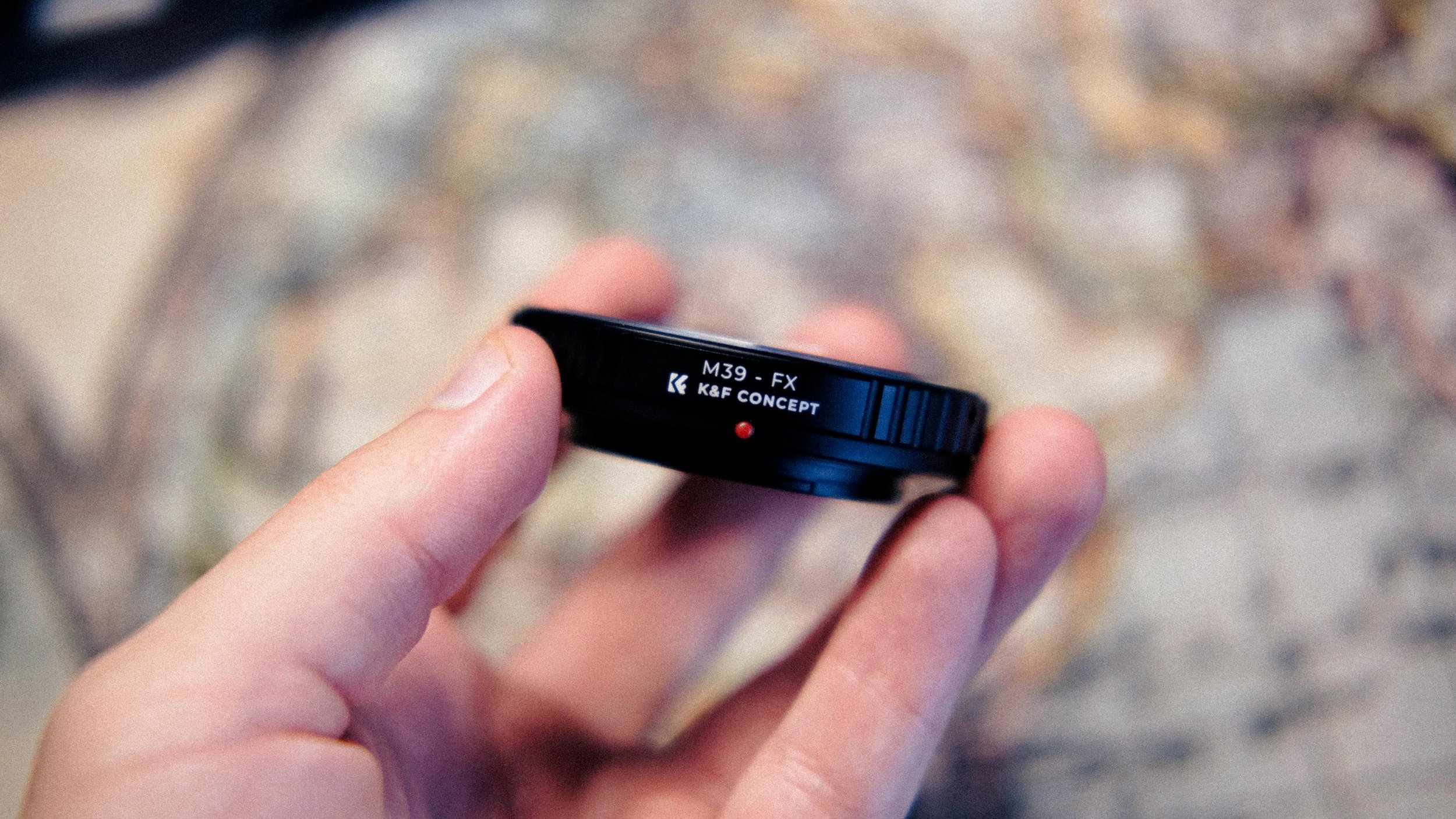
Still, the results I got stayed with me.
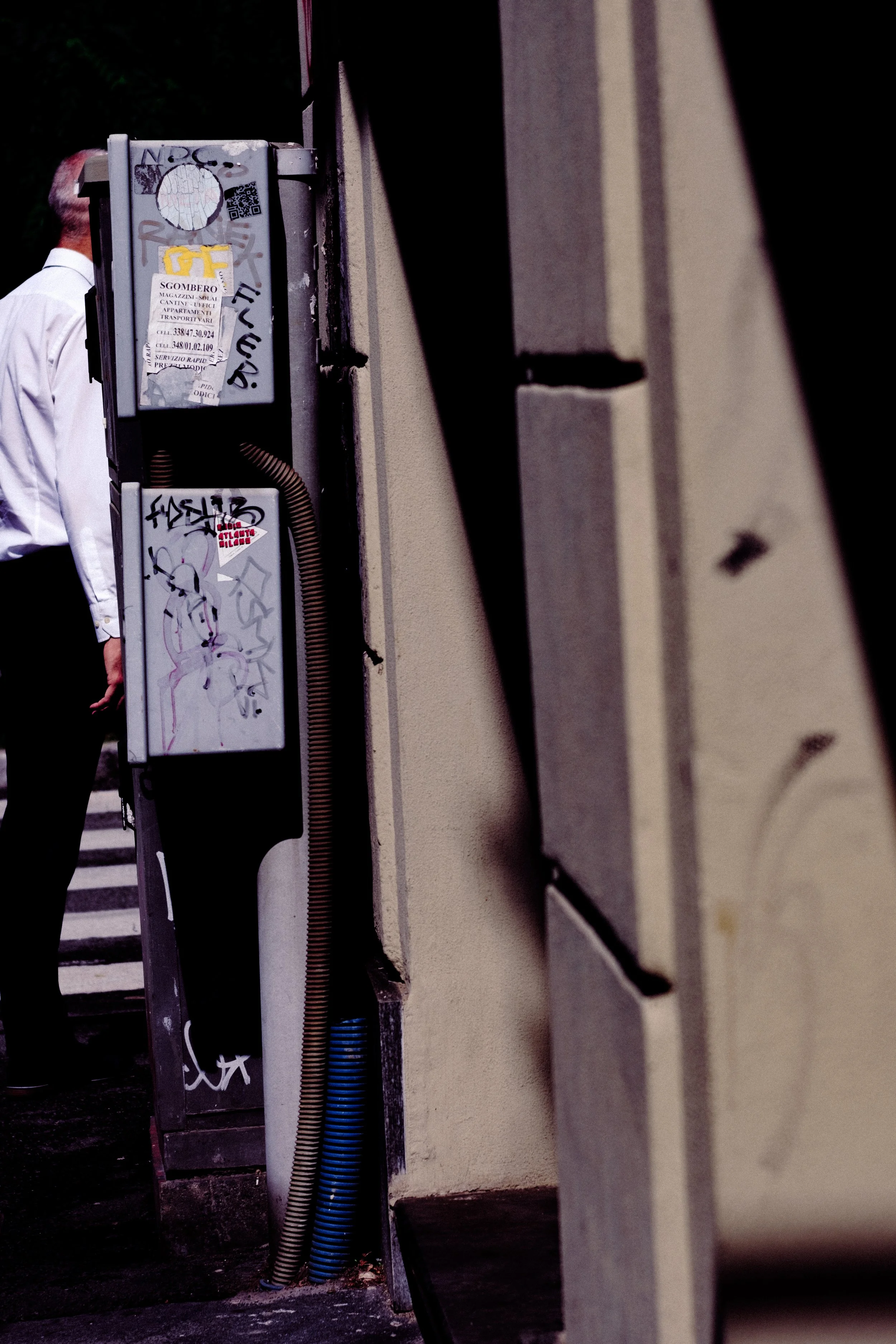
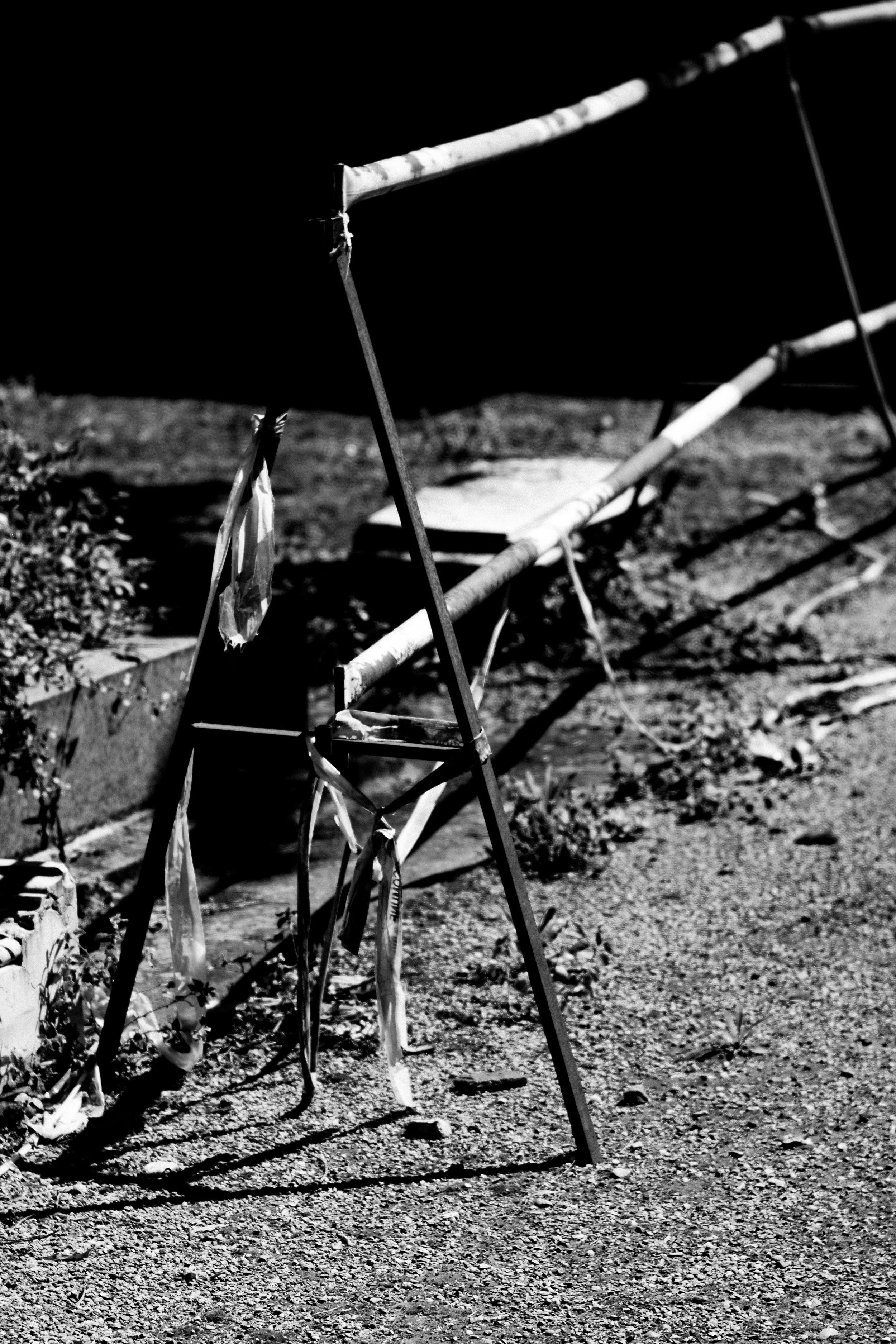

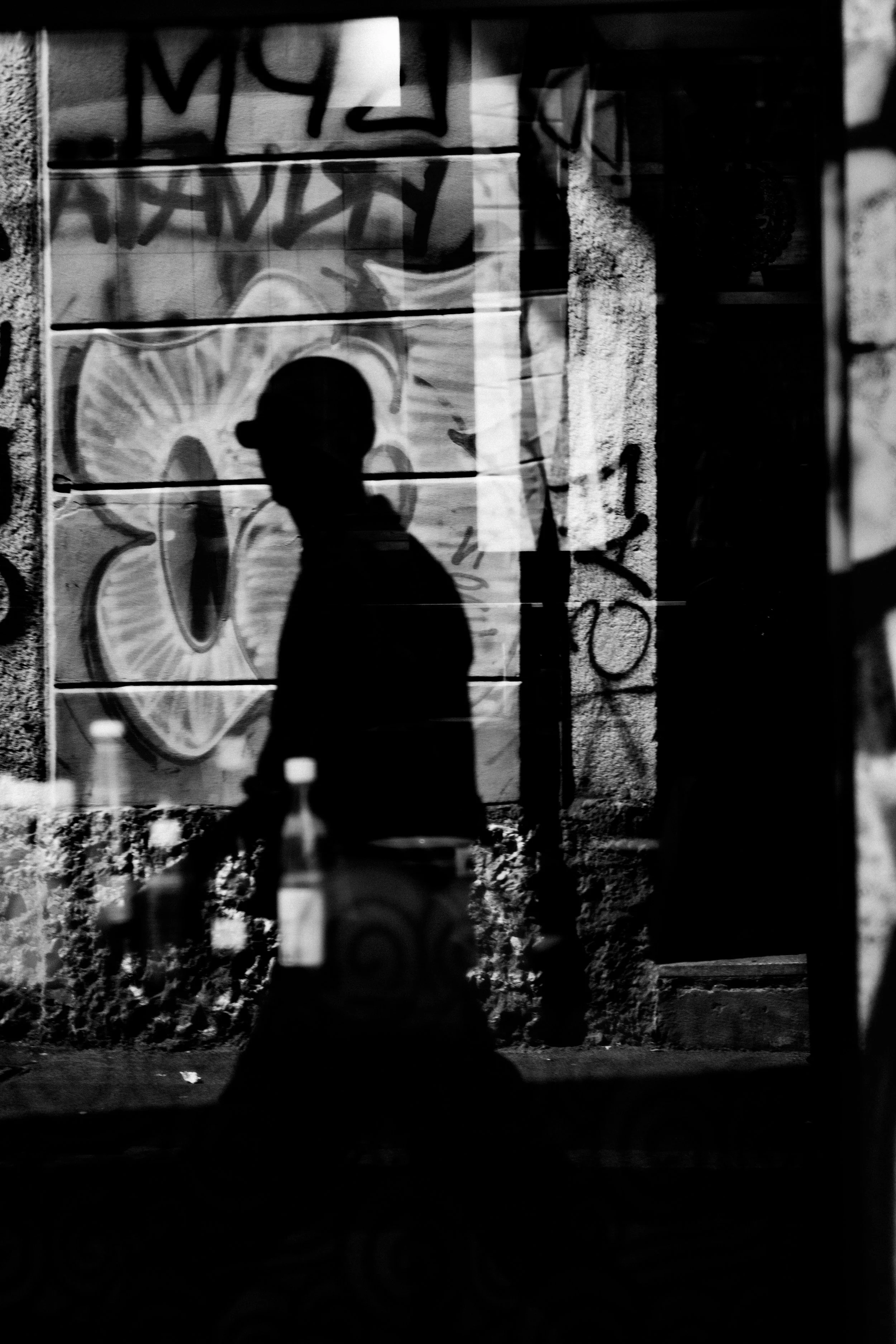
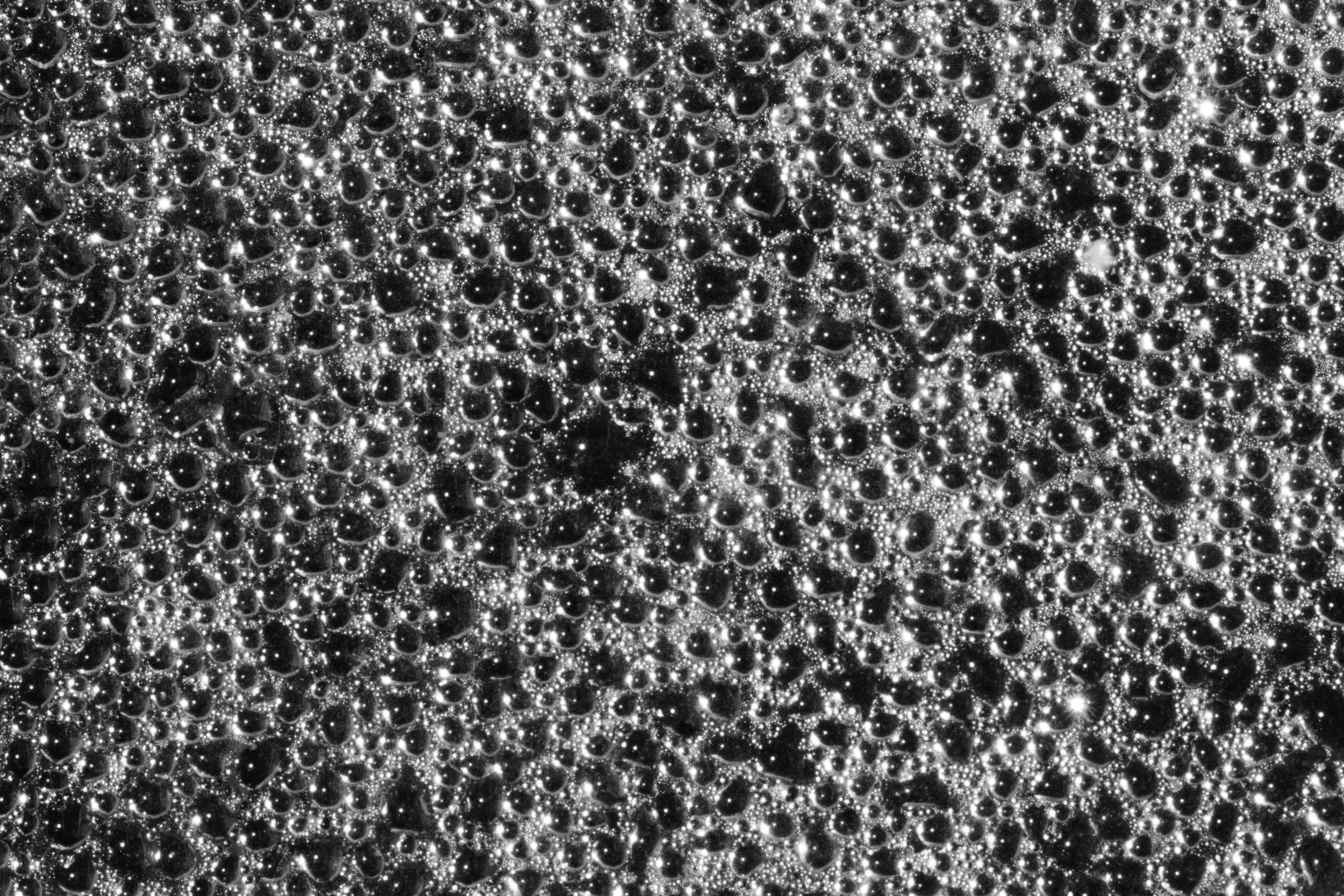
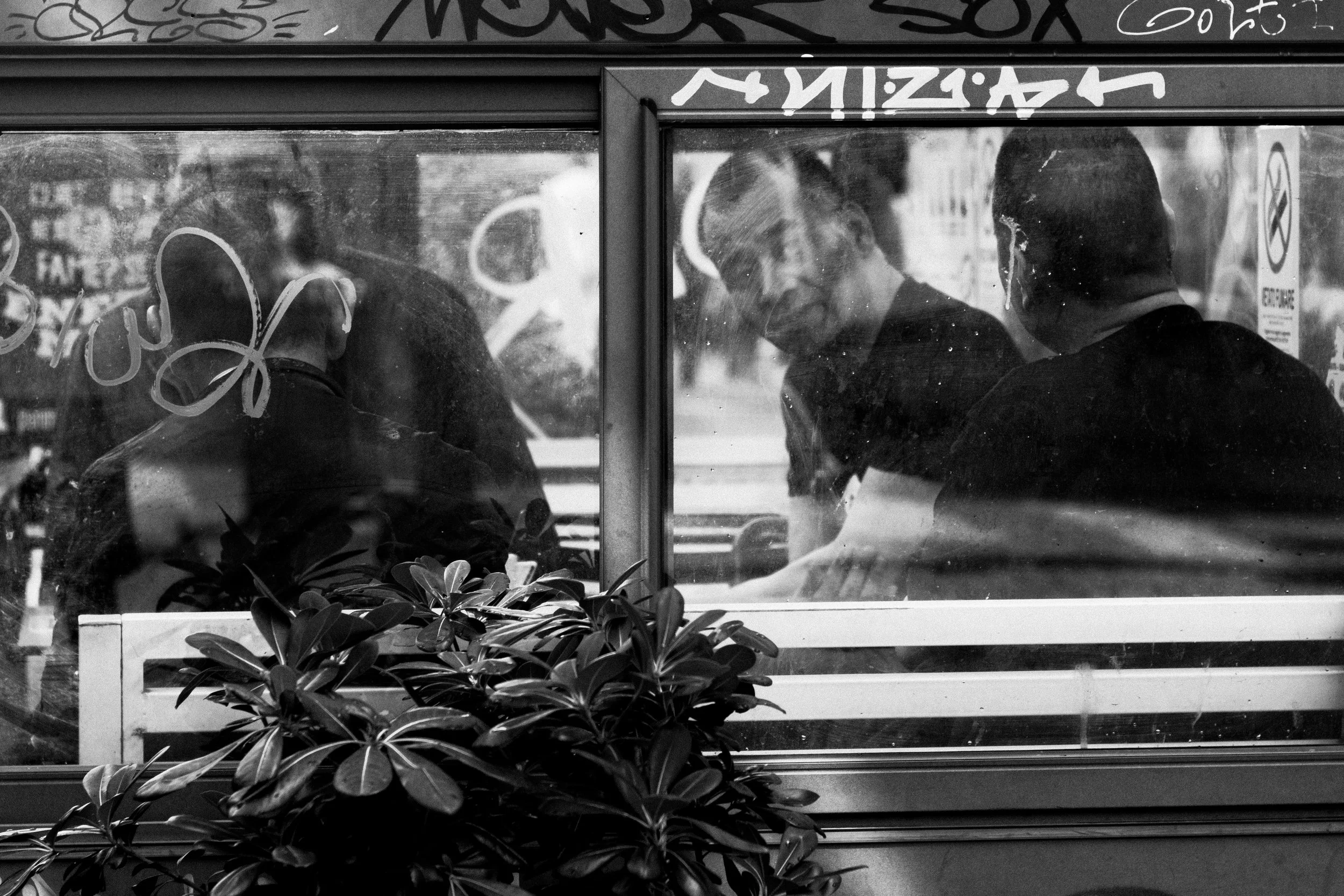
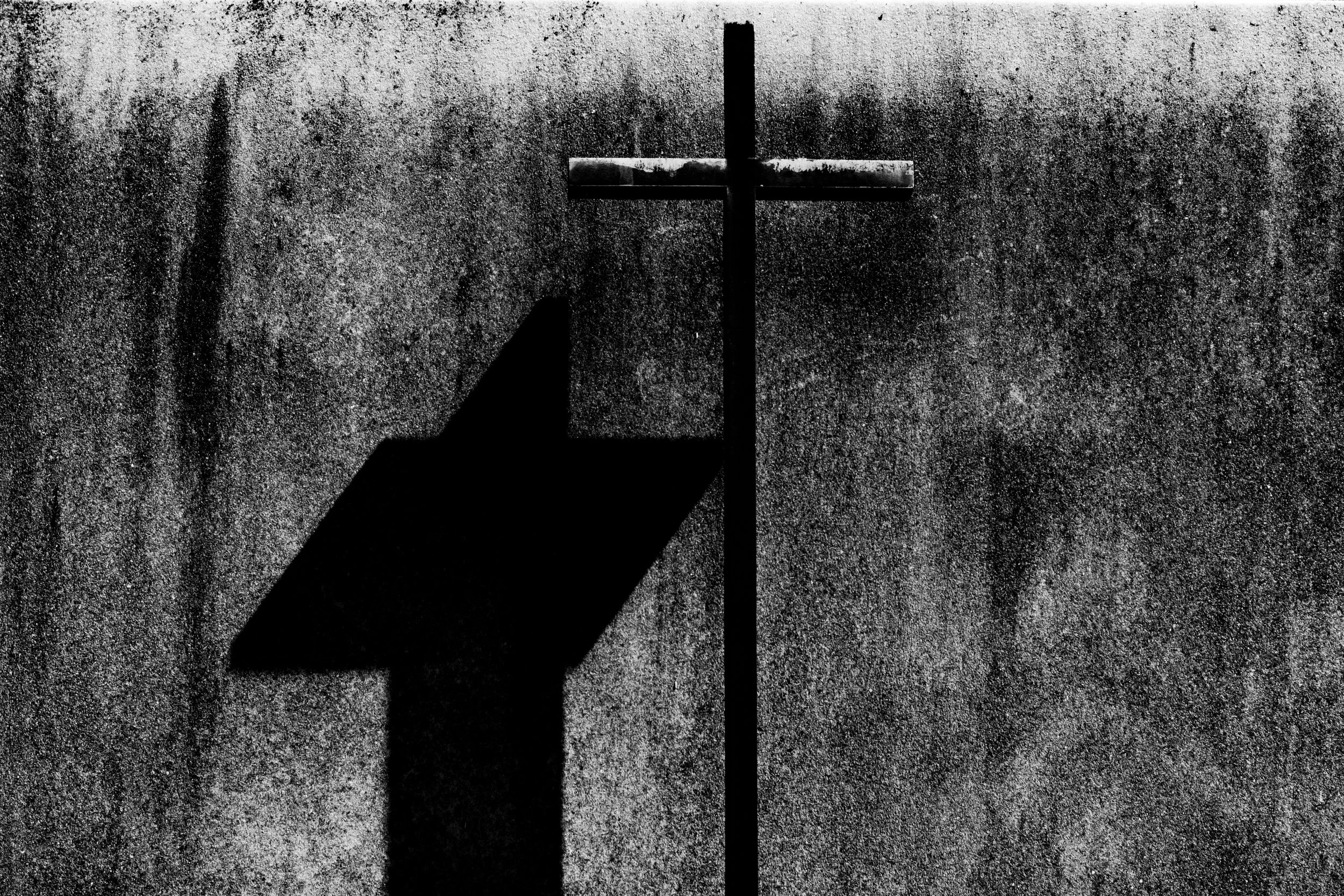
Here, the quality of the results is undeniable. I love the focal length, and I love the rendering. For such an old lens, it’s incredibly sharp (when buying vintage lenses, always check for fungus on the glass, as it can compromise your images).
Naturally, I find myself drawn to reflections and mirrors. The more I use longer focal lengths, the more I’m pulled toward abstraction for some reason.
The more I looked at those photos, the more I realized something: I needed that focal length in my kit.
The Viltrox 85mm F/1.8
And so… here we are.
I picked up a Viltrox 85mm f/1.8.
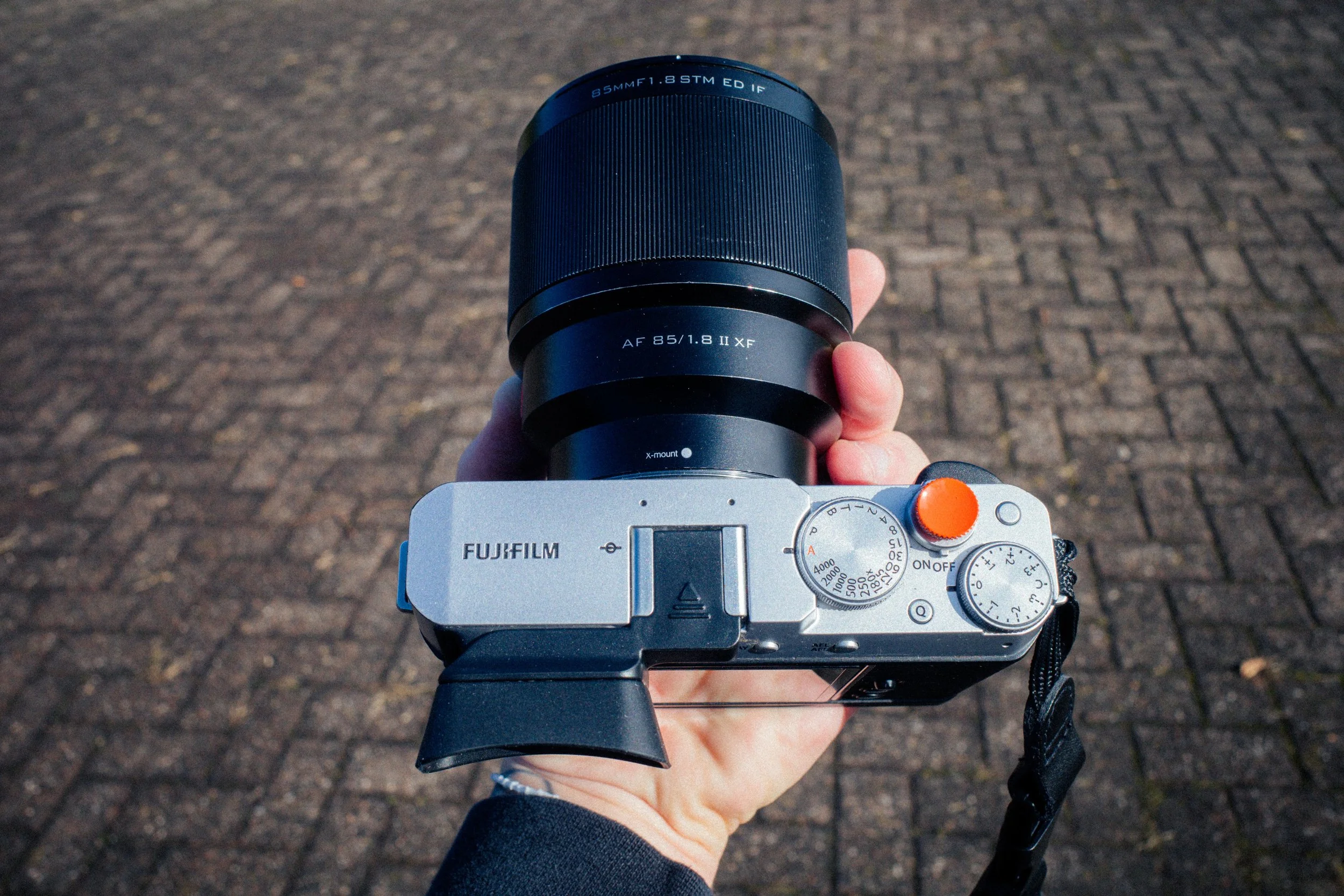
First impression? It’s a beast compared to the Leica. Easily three times the size. But that’s expected.
Even then, after doing some research, it’s still smaller than the Fuji 90mm, which is longer and bulkier… and, of course, on another level optically.
But it also costs three times as much!
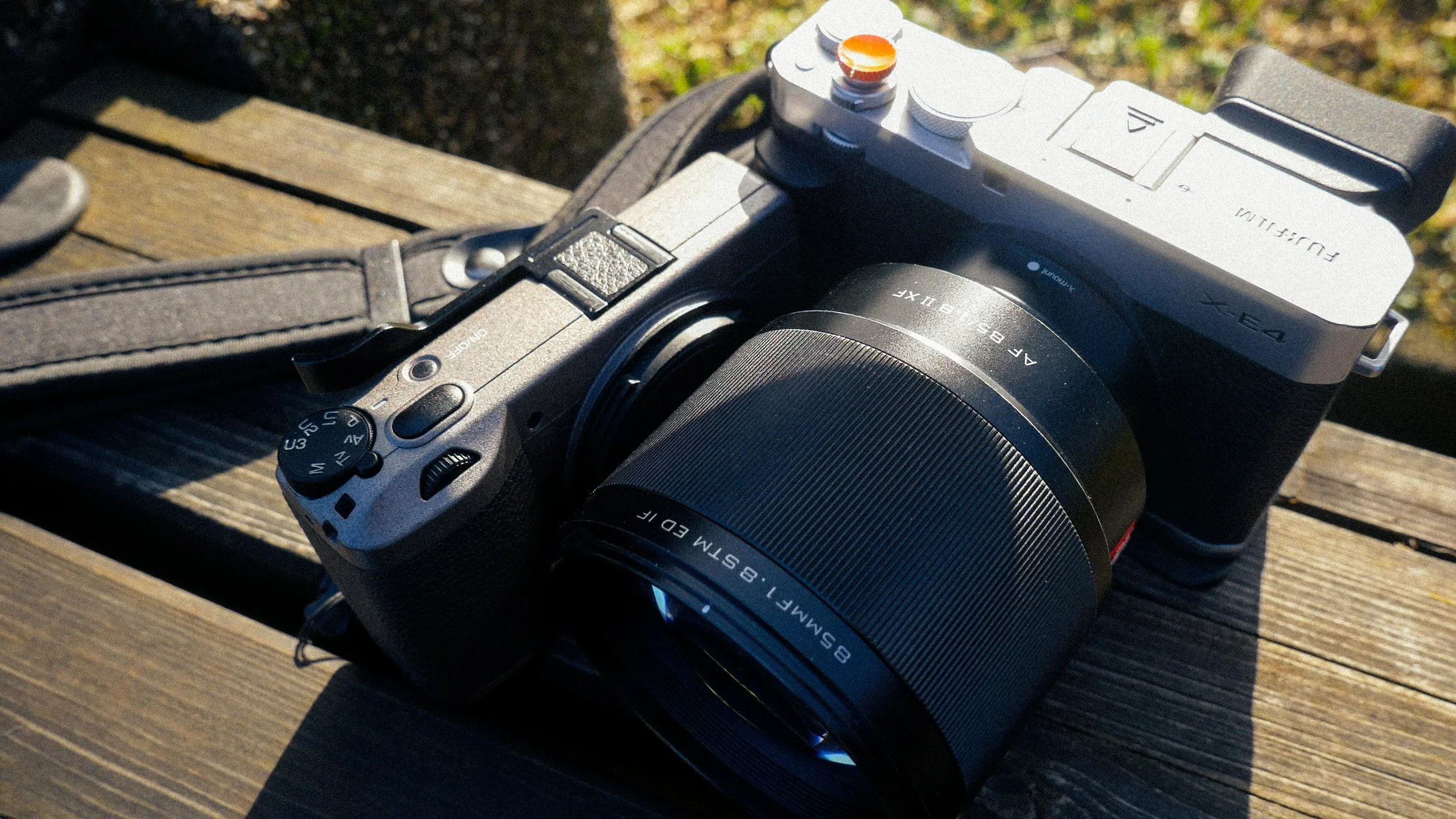
(This Viltrox is pretty much the size of my Ricoh GR III!)
So if you’re drawn to this focal length but don’t want to spend that kind of money, this might be a very solid alternative.
Let’s find out.
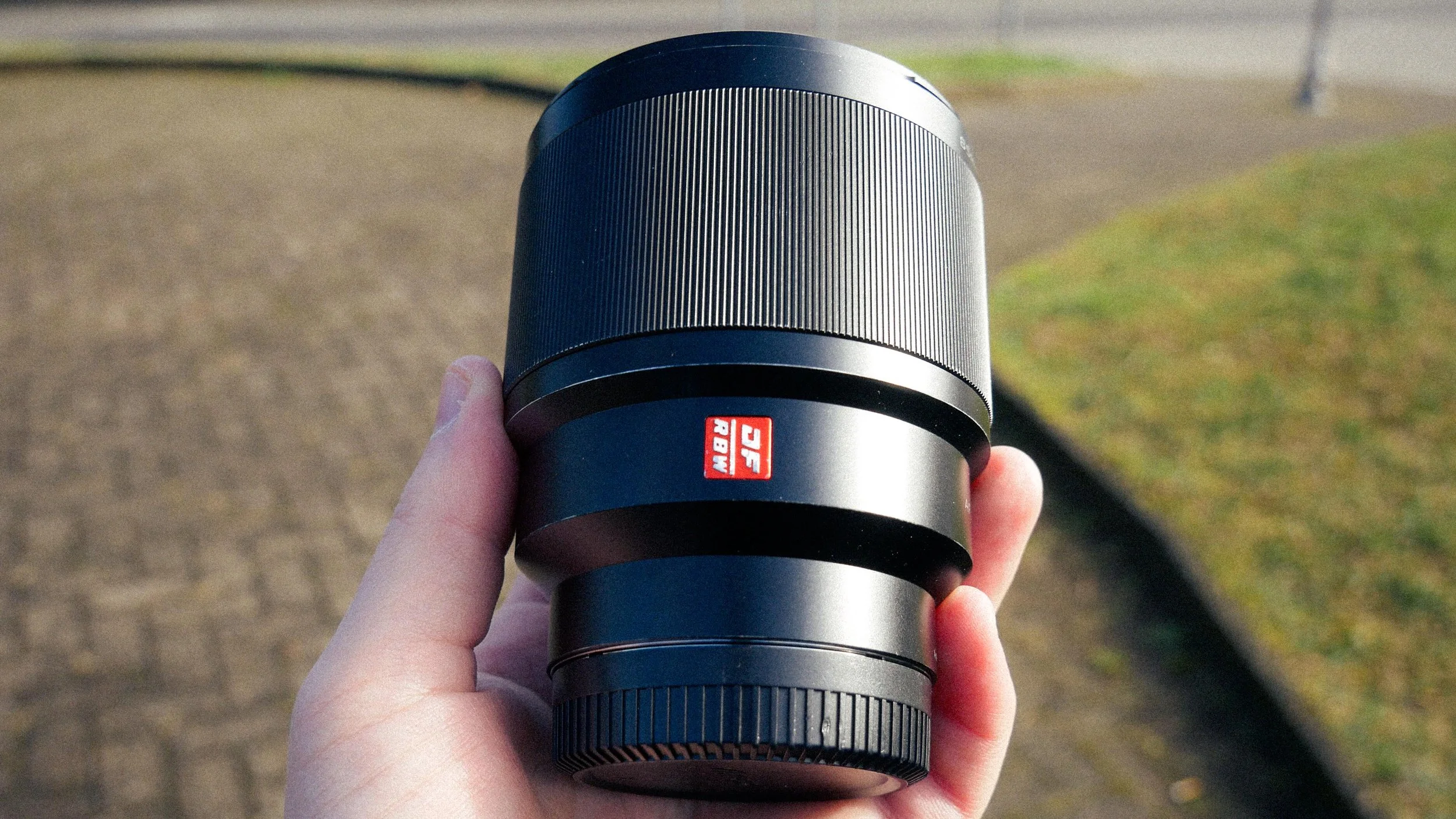
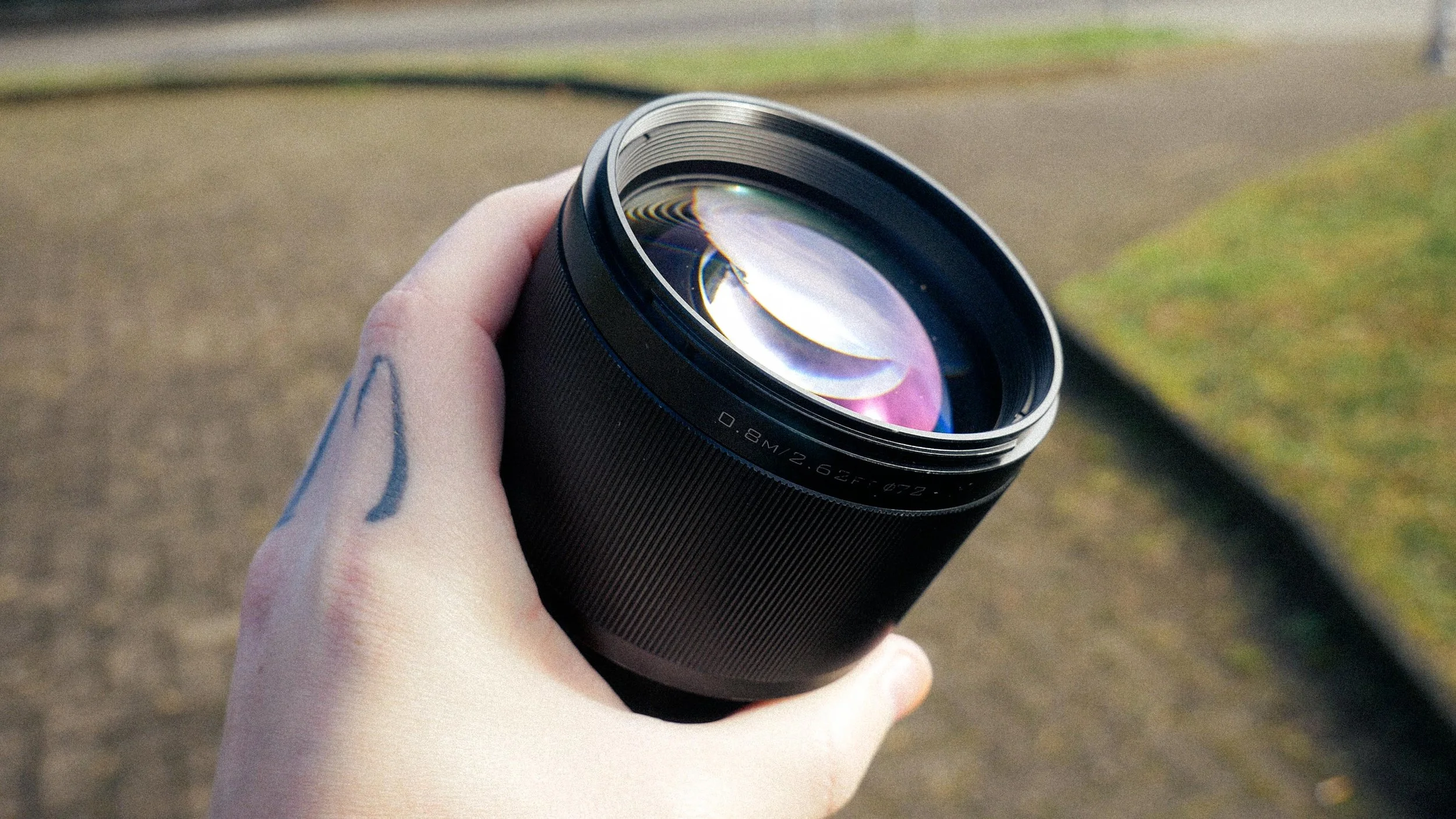
The Street through the 130mm
I’ve never believed that street photography has to be shot with wide lenses.
Yes, I love the 28mm. I mainly use a 50mm. And the 75mm is one of the focal lengths I enjoy the most.
But that doesn’t mean longer lenses don’t belong in the streets.
Actually, they open a completely different way of seeing.
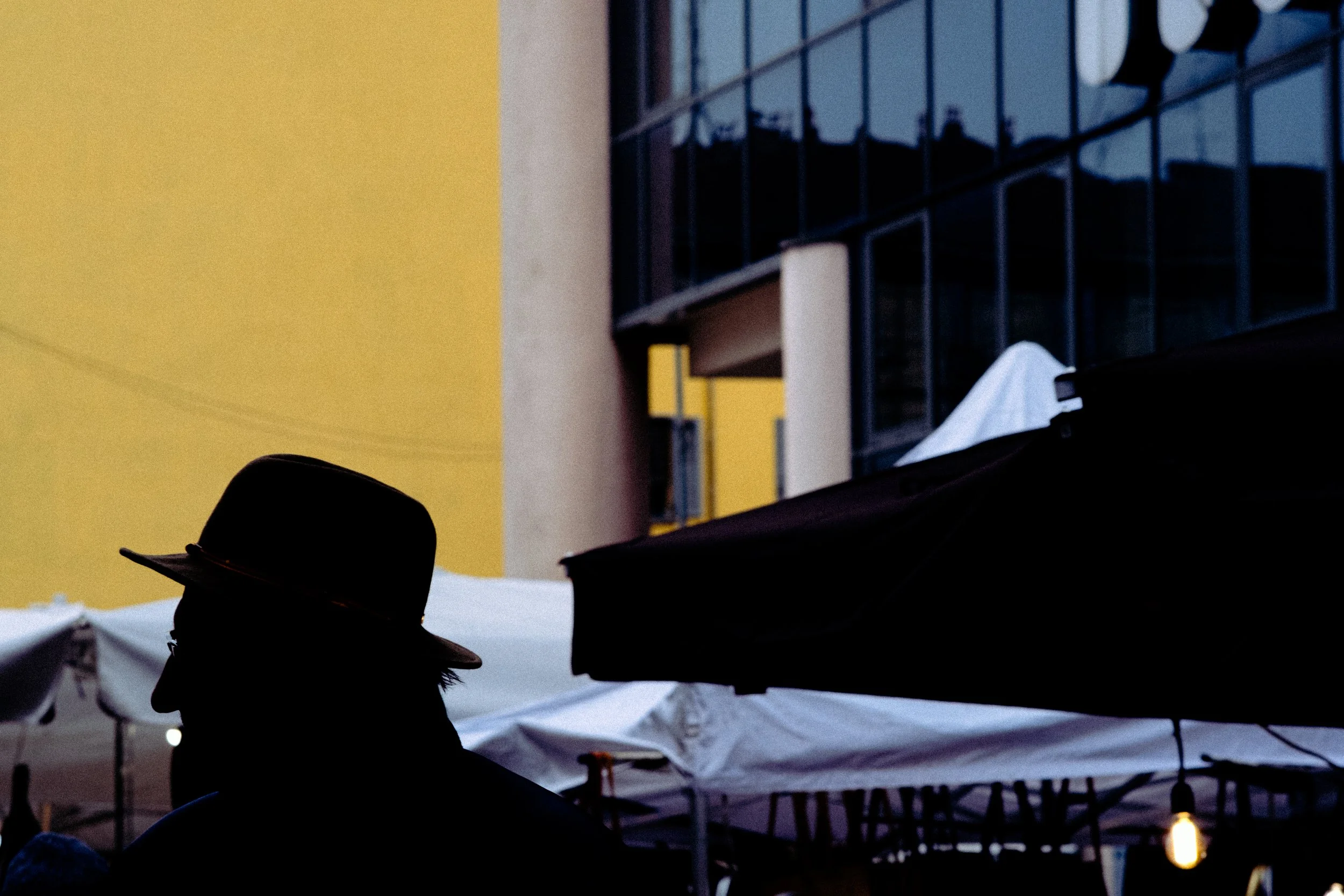
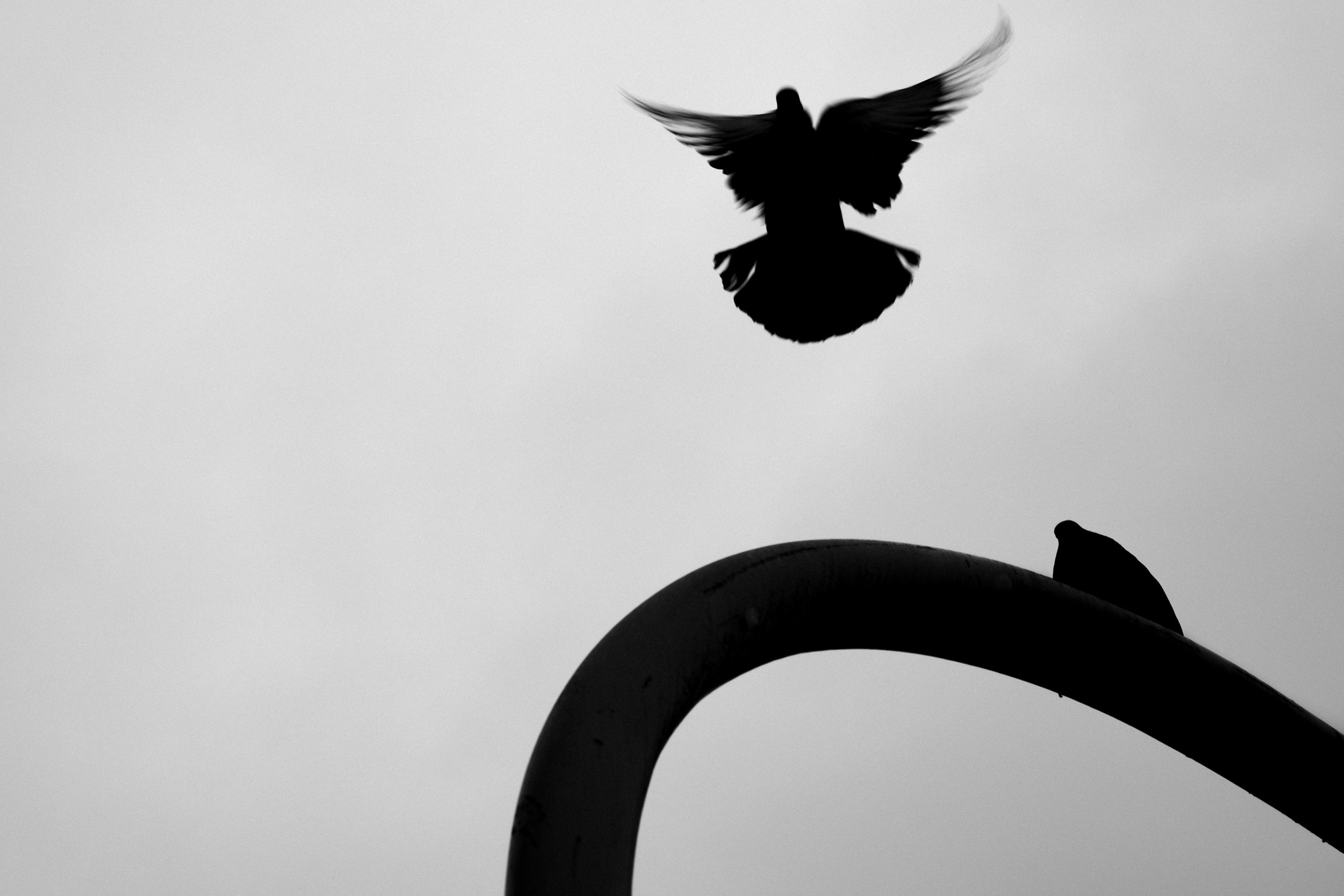
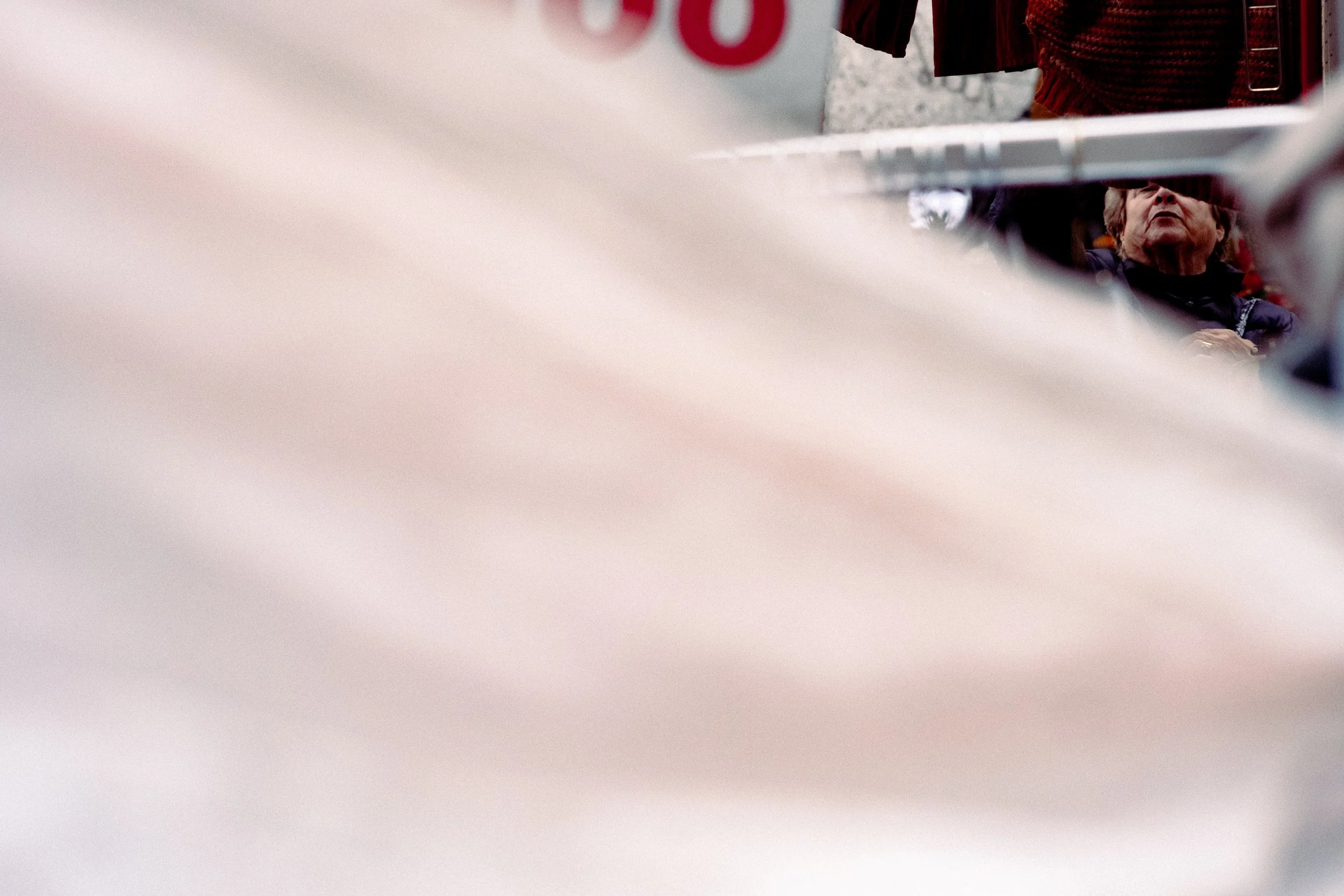
I believe a chaotic scene can be represented just as effectively with a 130mm lens as it can with a 28mm.
It all depends on what you want to extract from that chaos.
Sometimes a 28mm captures too much: too many elements, too many distractions, too much information competing for attention until the main subject gets diluted. The scene turns into visual noise that’s hard to control.
A tighter focal length changes the language completely. In the exact same environment, it can isolate a single detail, a gesture, or a relationship between elements that would otherwise disappear. And that one detail can often carry more weight than an entire frame full of movement.
It becomes a matter of intention, not focal length.
Here’s an example.
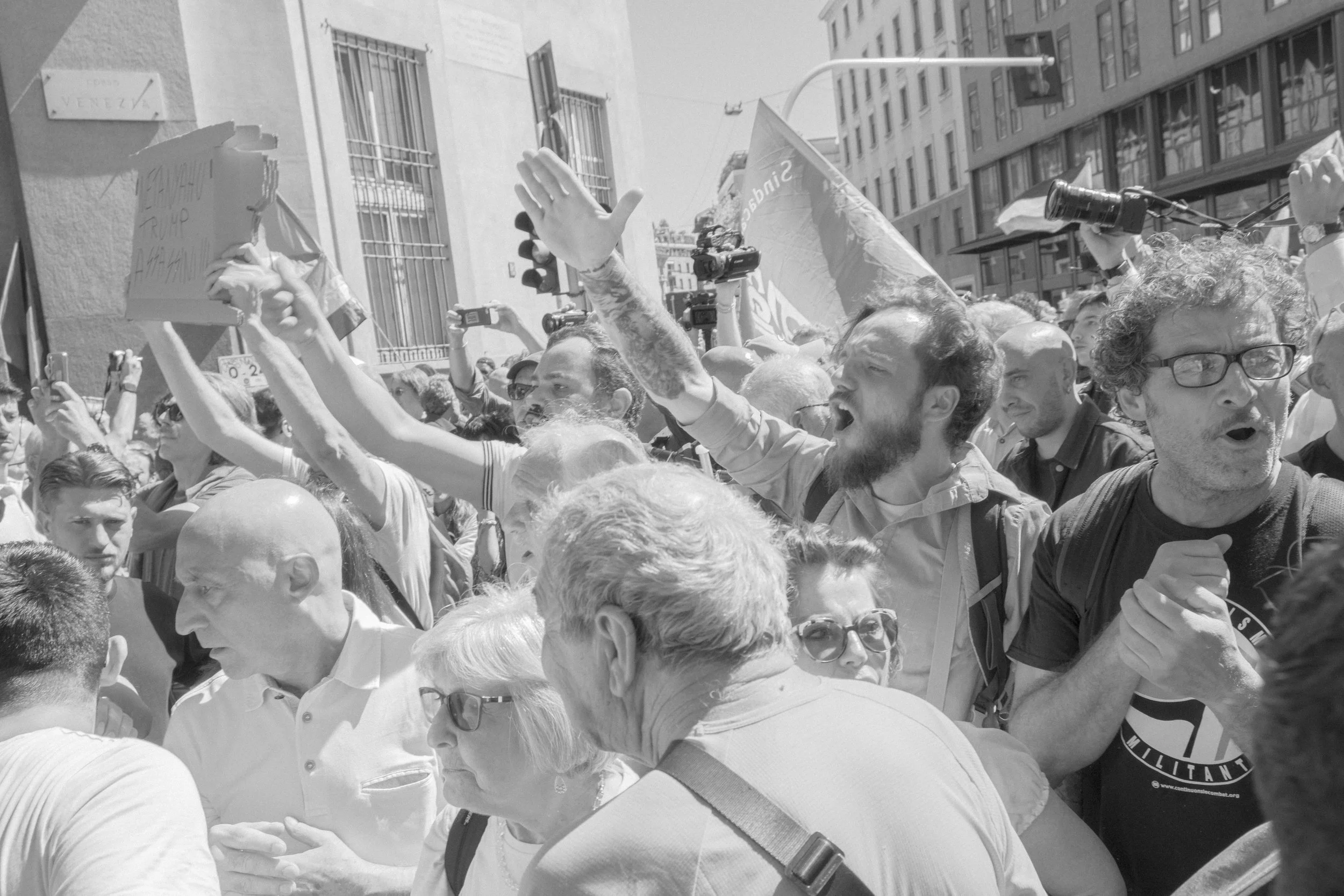
This is a photo from a protest, taken with a wide focal length. Tons of interesting subjects, all in the same frame. I don’t personally like it that much.
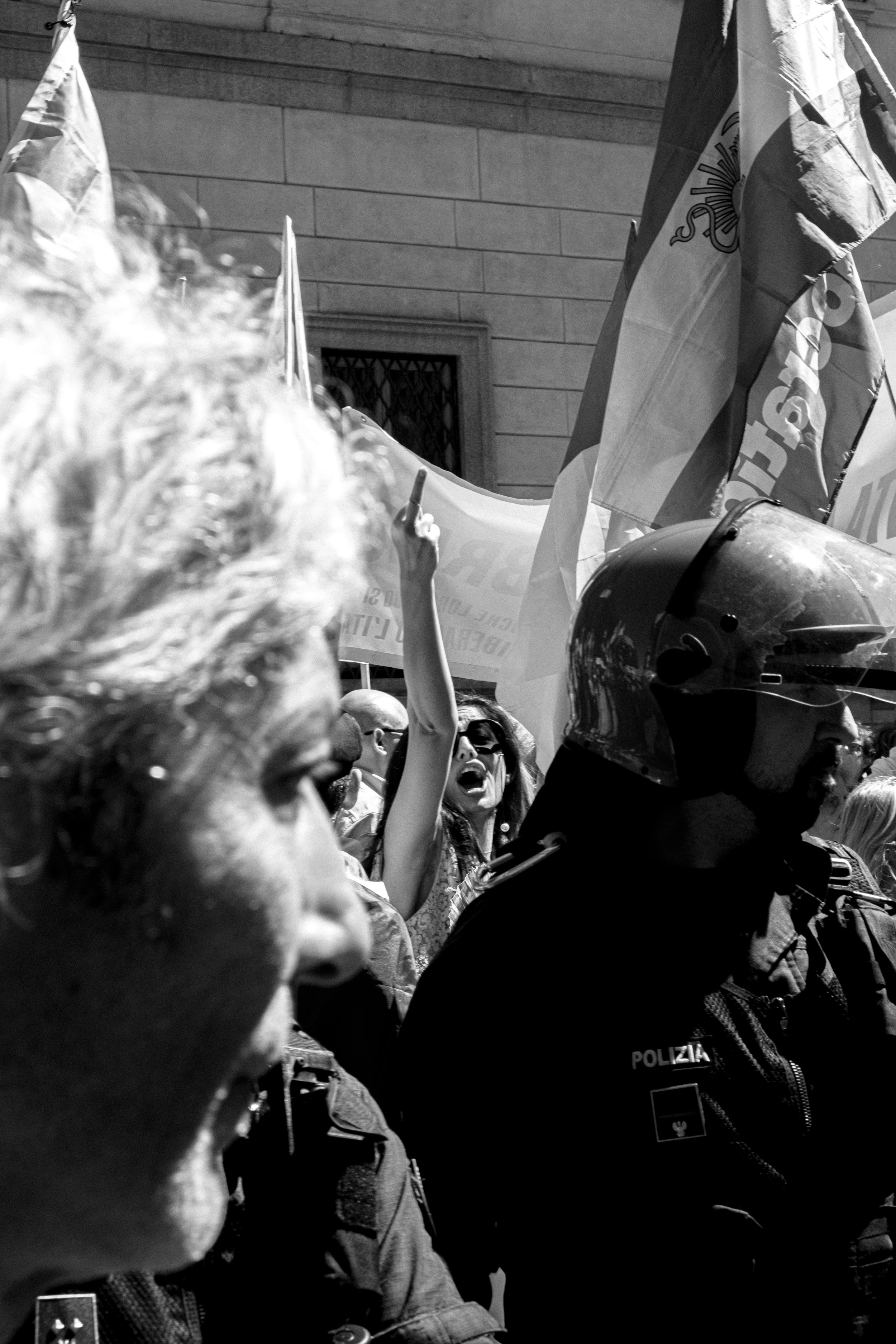
Same event but captured with a tighter focal length. Way more evocative!
With this, I’m not saying that the 28mm (or any other wide lens) is somehow inferior or unnecessary compared to a 50mm, 75mm, or even a 130mm. It’s quite the opposite.
What I’m really trying to say is that no lens can replace another, because each focal length produces a completely different result and a completely different feeling.
And so, once again, everything comes down to intention.
What do you want to show? How do you want to approach the scene? And what kind of mood are you trying to communicate through the frame?
The lens is not the limitation or the upgrade. It’s just the translation of your perspective in that exact moment.
Few Examples
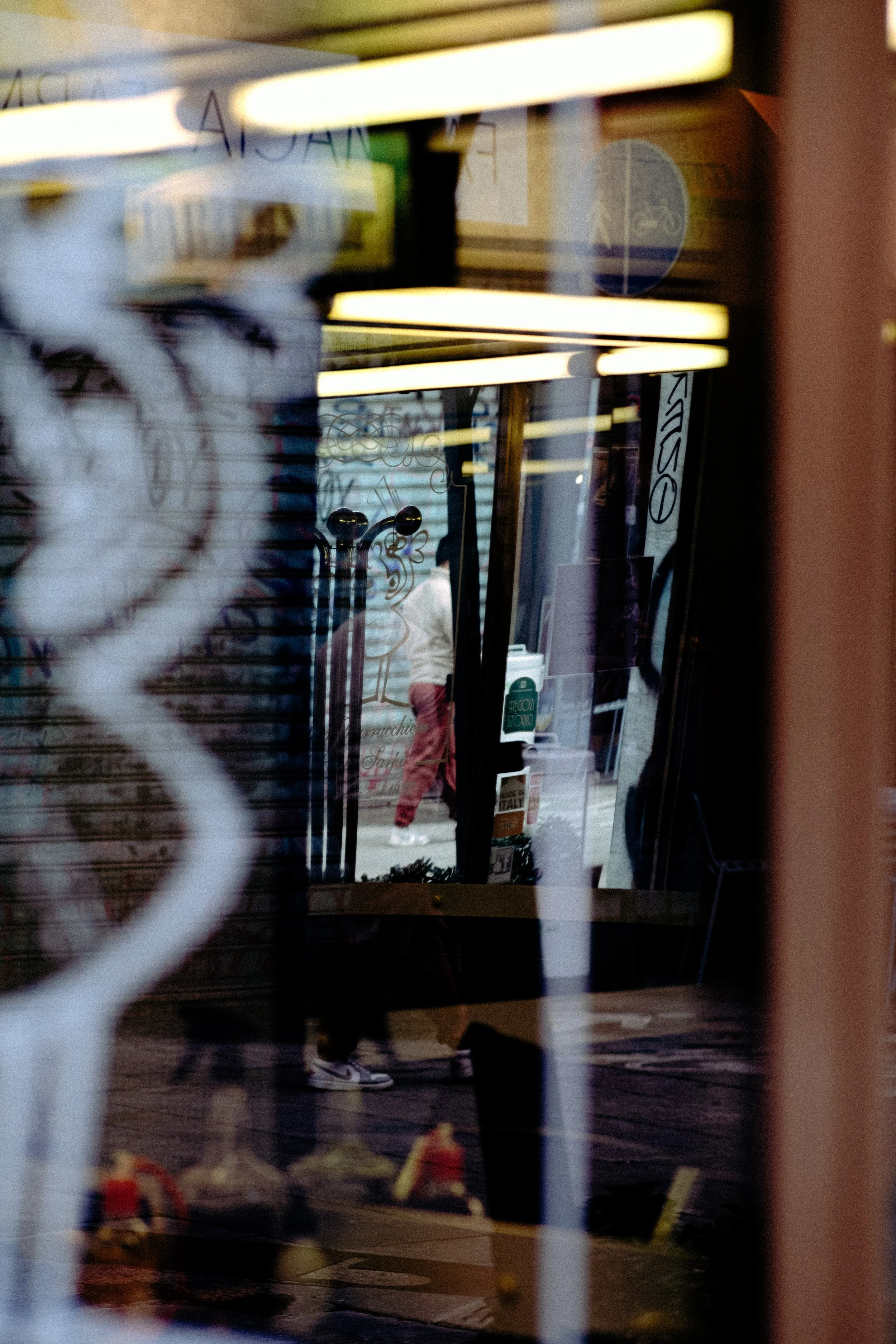
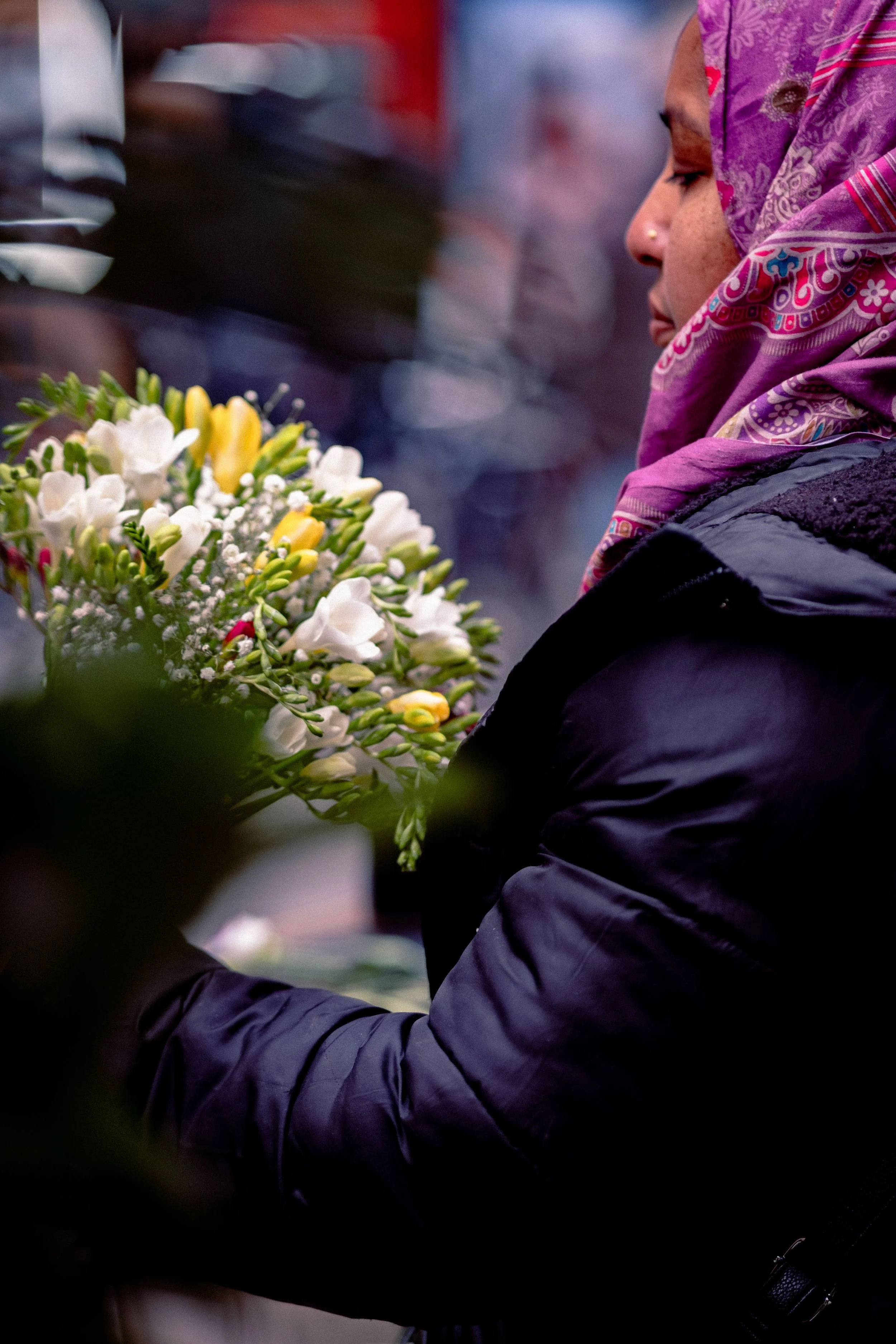
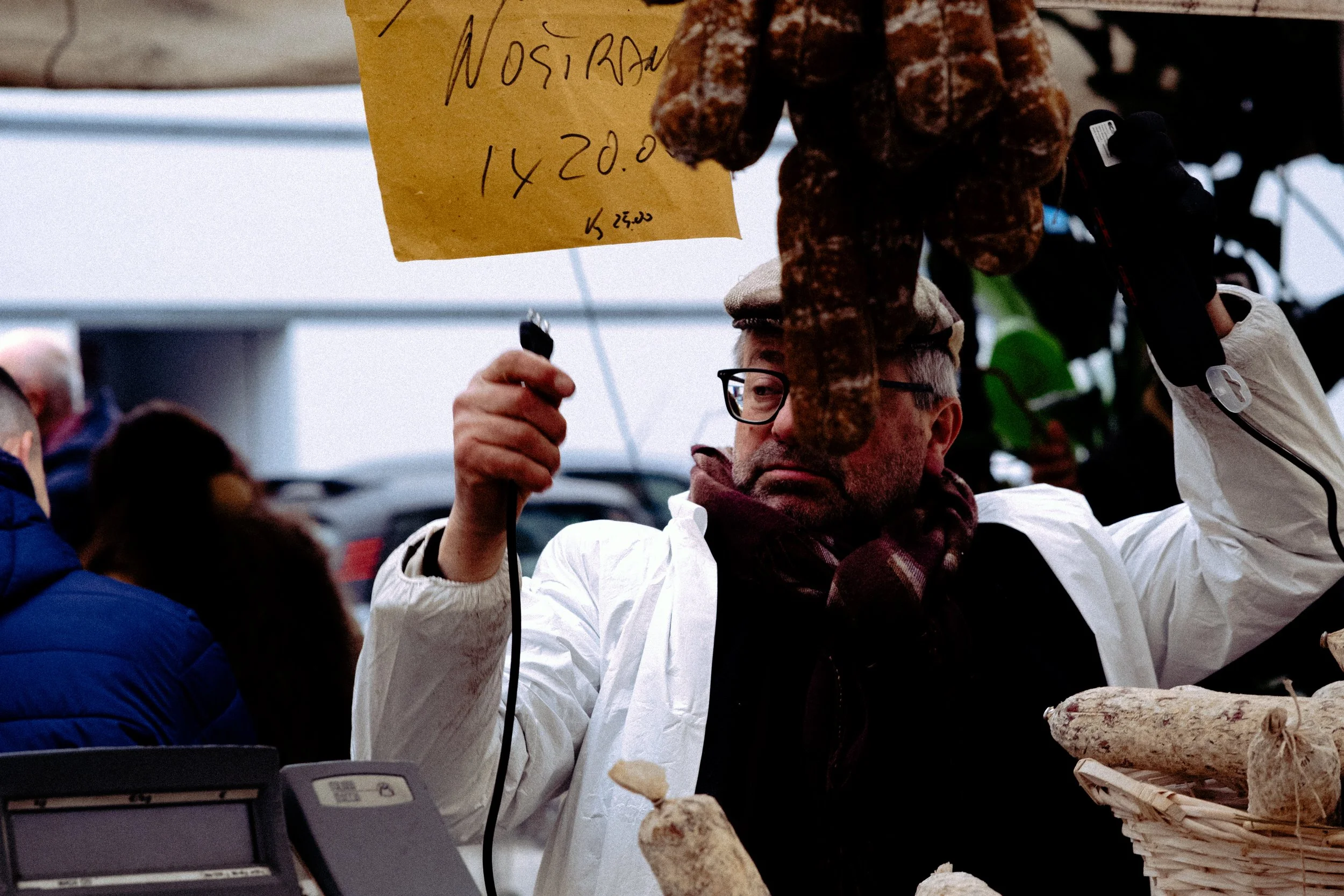
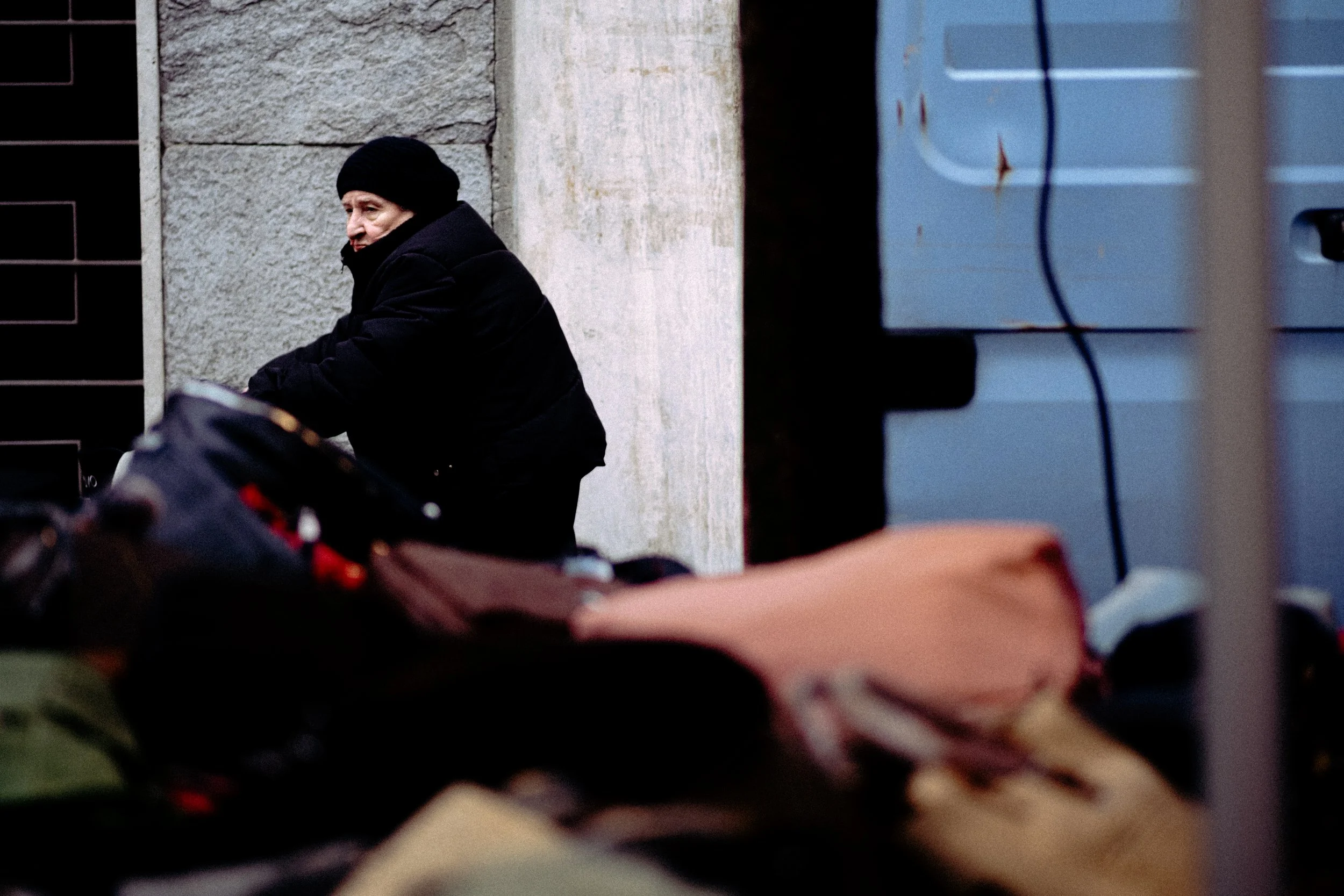
That’s exactly why I decided to take this 130mm equivalent into one of the busiest markets in Milan. It takes place every Tuesday and Saturday… and of course, I went on a Saturday.
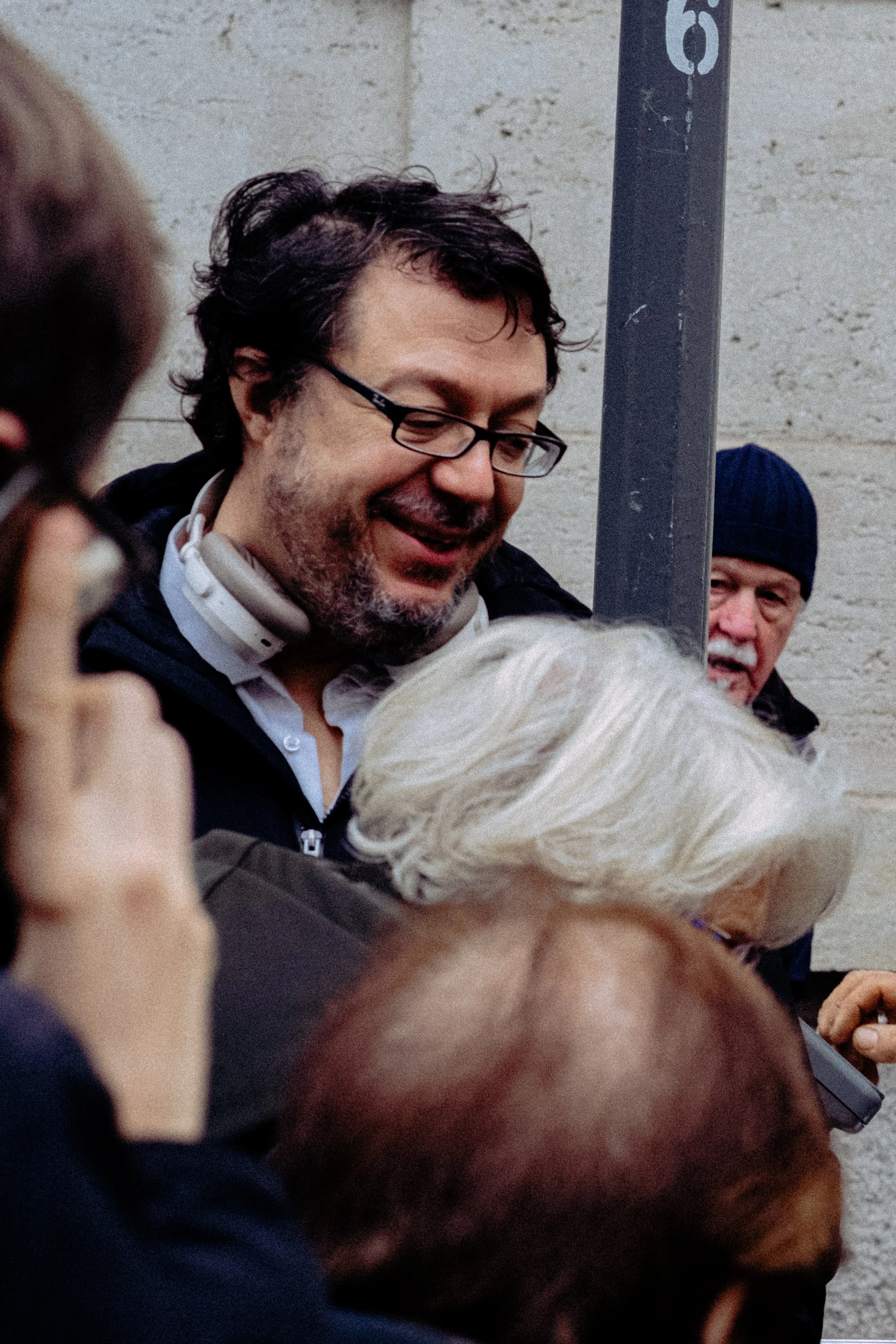
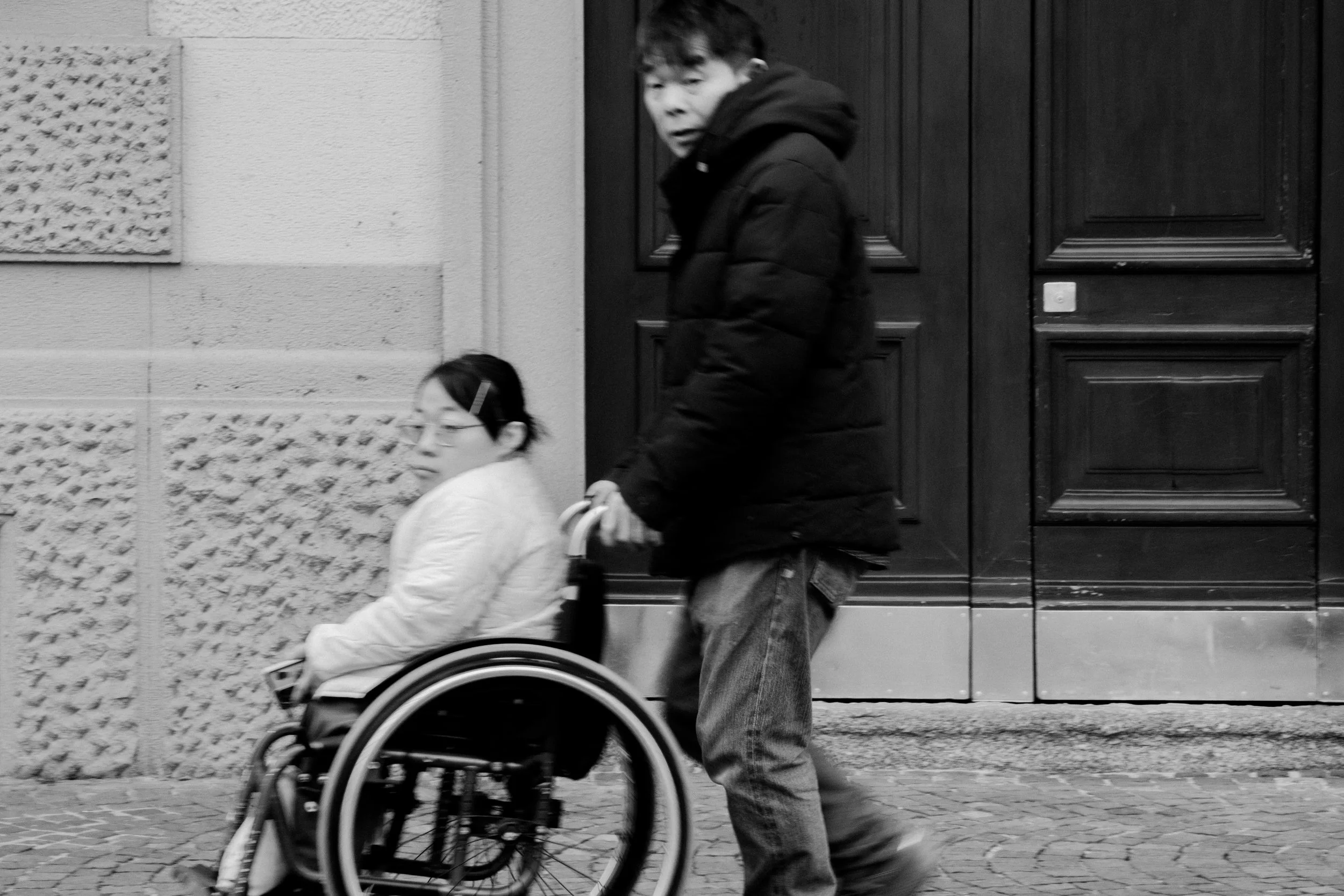
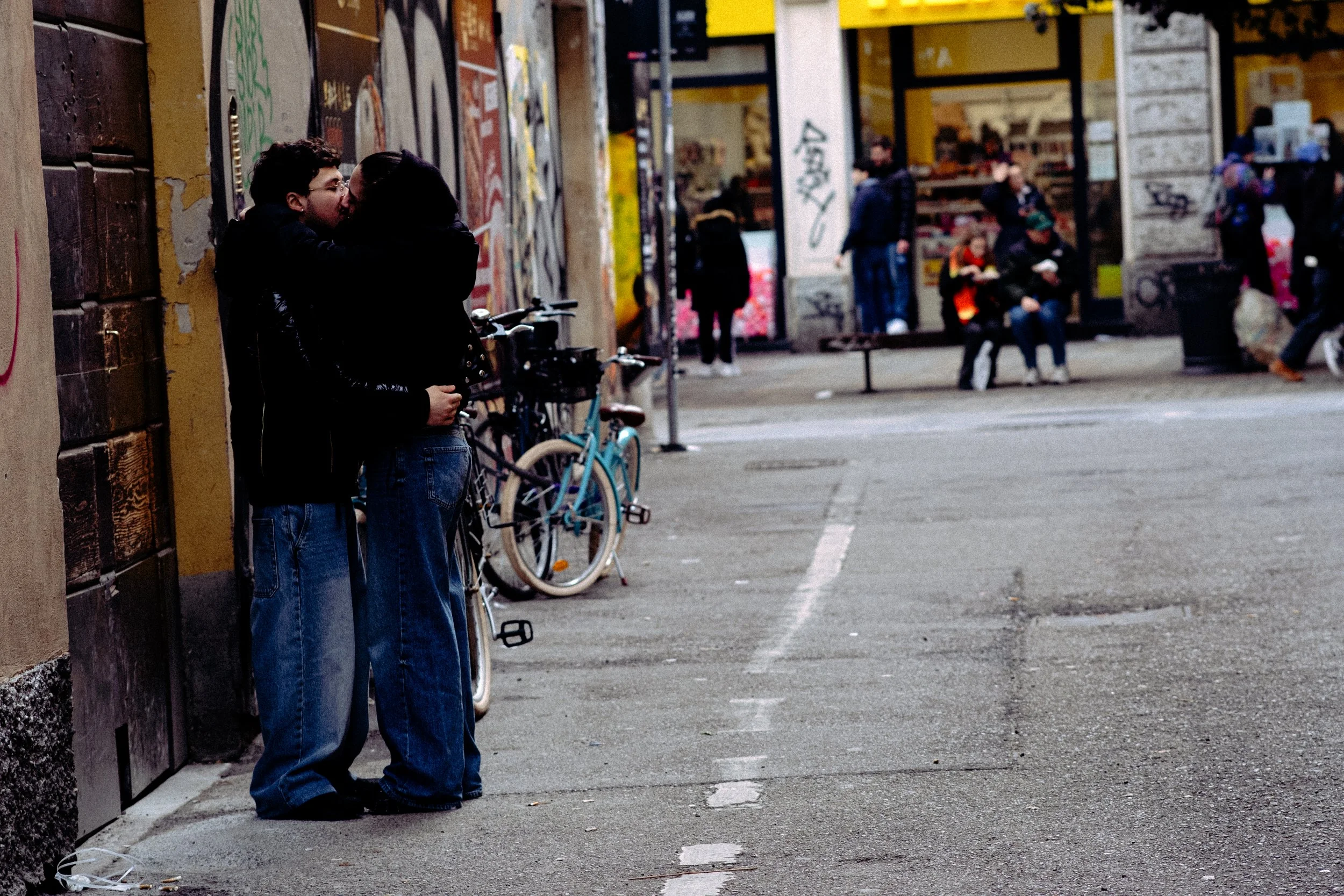
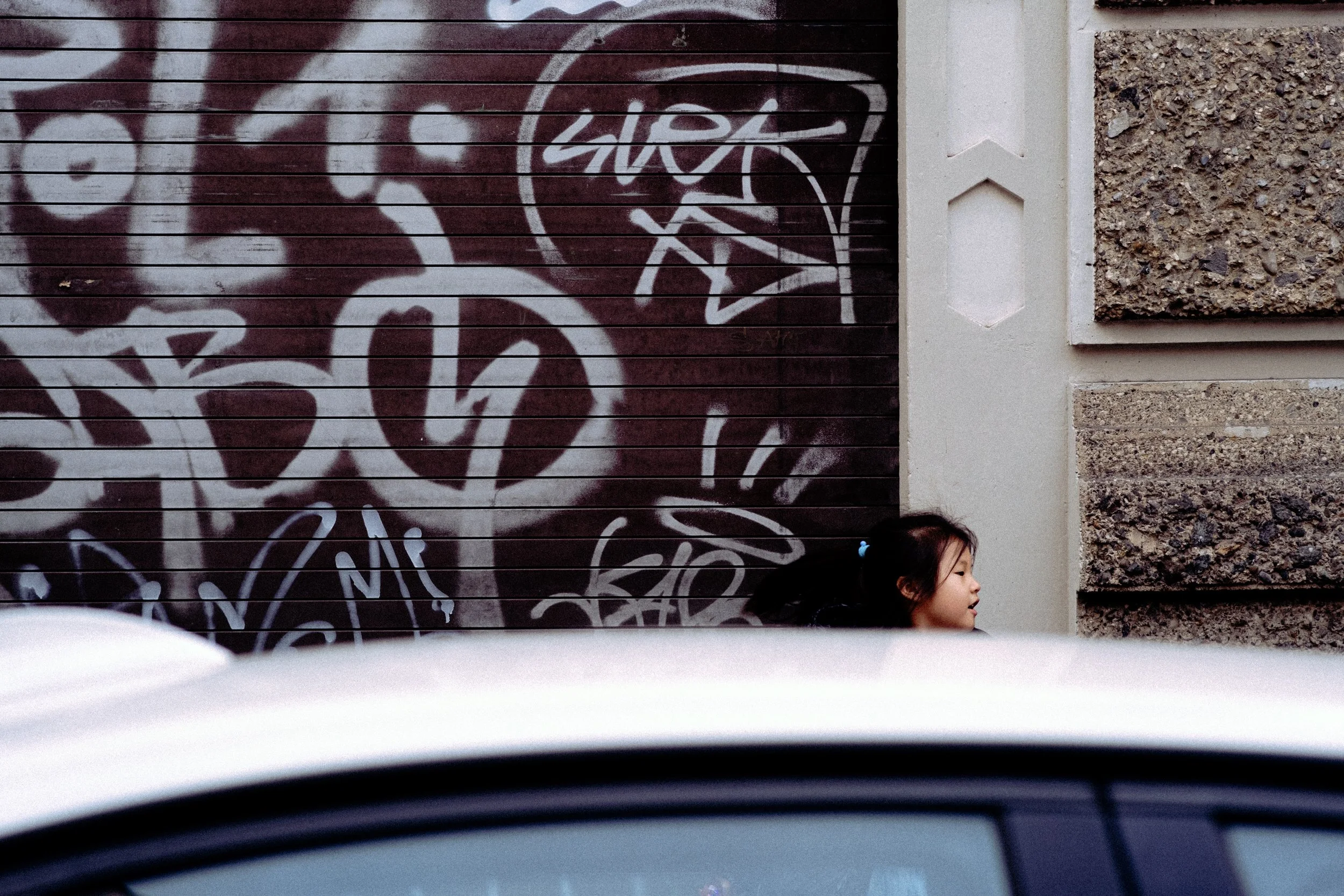
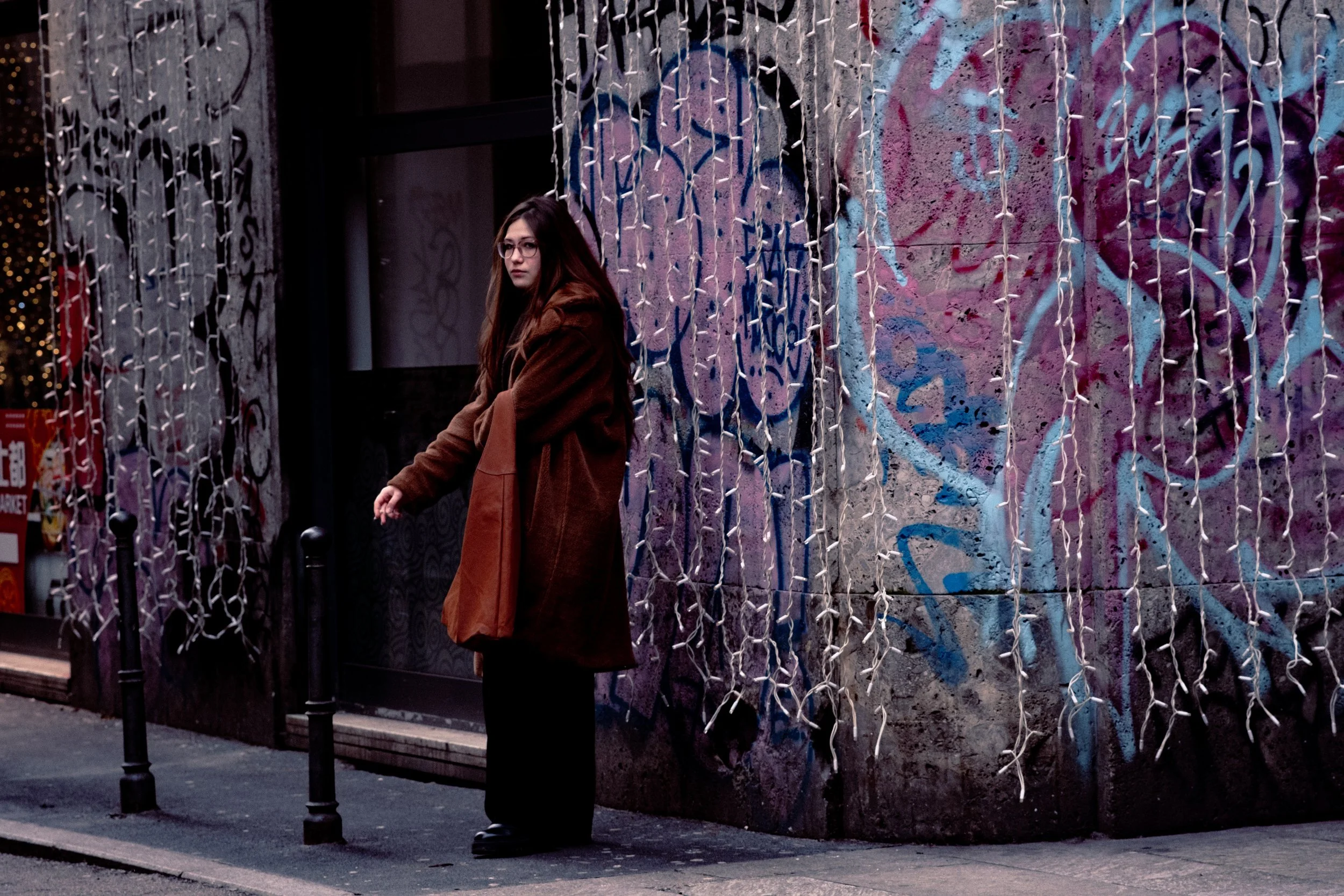
This Lens
Would I recommend this lens? Meh… it’s incredibly fast when it comes to autofocus, it feels solid, reliable, and well-built. But it’s also very bulky.
On an APS-C camera like the Fujifilm X‑E4, it turns into roughly a 130mm equivalent, which doesn’t exactly make it the most approachable lens for everyone. It’s a very specific tool, and whether it works for you really comes down to your needs.
This Focal Lenght
Would I recommend the focal length though? That’s where my answer changes completely: absolutely yes.
When it comes to experimenting, I can only encourage you to dive into it. It doesn’t have to be this lens specifically, it could just as easily be a vintage one like the ones I mentioned before.
Try it. Because you might find your space in it… or discover entirely new ones you didn’t even know you were looking for.
This blog will always remain ad-free.
If you enjoy my blog and would like to support my work, consider leaving a tip or visiting my shop, where you'll find my personal Lightroom presets, zines & camera guides.
Every bit of support goes directly back into creating new photography content, including YouTube videos, blog posts, camera guides, and, of course, more presets and zines, with the occasional freebie for everyone along the way.
Thank you for reading. <3
I created this guide to share my personal approach to street photography with the Fujifilm X-E4, breaking down the essence of how I use this camera and showing the settings that I consider truly essential, as well as the ones I believe can be ignored in order to achieve a faster, simpler and more intuitive shooting experience.
This was my first Fujifilm camera, and probably the only one I will never get rid of. I have dedicated a video and a blog post to explaining why, as well as another video and blog post where I go through the accessories that made this camera so versatile that it became the only Fujifilm camera that has truly convinced me so far.
Before we begin, there is something important to clarify.
This is not meant to be a complete Fujifilm X-E4 manual.
The settings I will show you are not necessarily the ones that will perfectly match your style, habits, or creative process.
They are simply the choices that, after spending a significant amount of time with this camera, have become essential to my own workflow.
Think of this as a personal recipe rather than a universal instruction manual.
Take what works for you, ignore what does not.
⚠️ As this is a digital product, refunds are not available. However, if you have any questions or experience any issues with your purchase, feel free to email me at karisma.business.inquiries@gmail.com. I'll get back to you as soon as possible!
🌱 Thank you for considering a purchase. Every bit of support goes directly back into creating new photography content, including YouTube videos, blog posts, camera guides, and, of course, more presets and zines, with the occasional freebie for everyone along the way.
I genuinely appreciate your support. Thank you for being part of the journey.