Why I use vintage lenses for Street Photography
Premise!
My journey into photography started in complete ignorance.
I didn’t know who the masters of the medium were.
I didn’t know how film was developed.
And most importantly, I didn’t know any camera brands beyond Canon or Sony.
So I did what everyone does: I started searching online. Mostly on YouTube.
At the time, I knew one thing. I needed a camera that was compact and discreet. I was genuinely intimidated by the idea of photographing strangers, but something kept pulling me in that direction.
So, to make that already uncomfortable process a bit easier, I bought a Ricoh GR III.
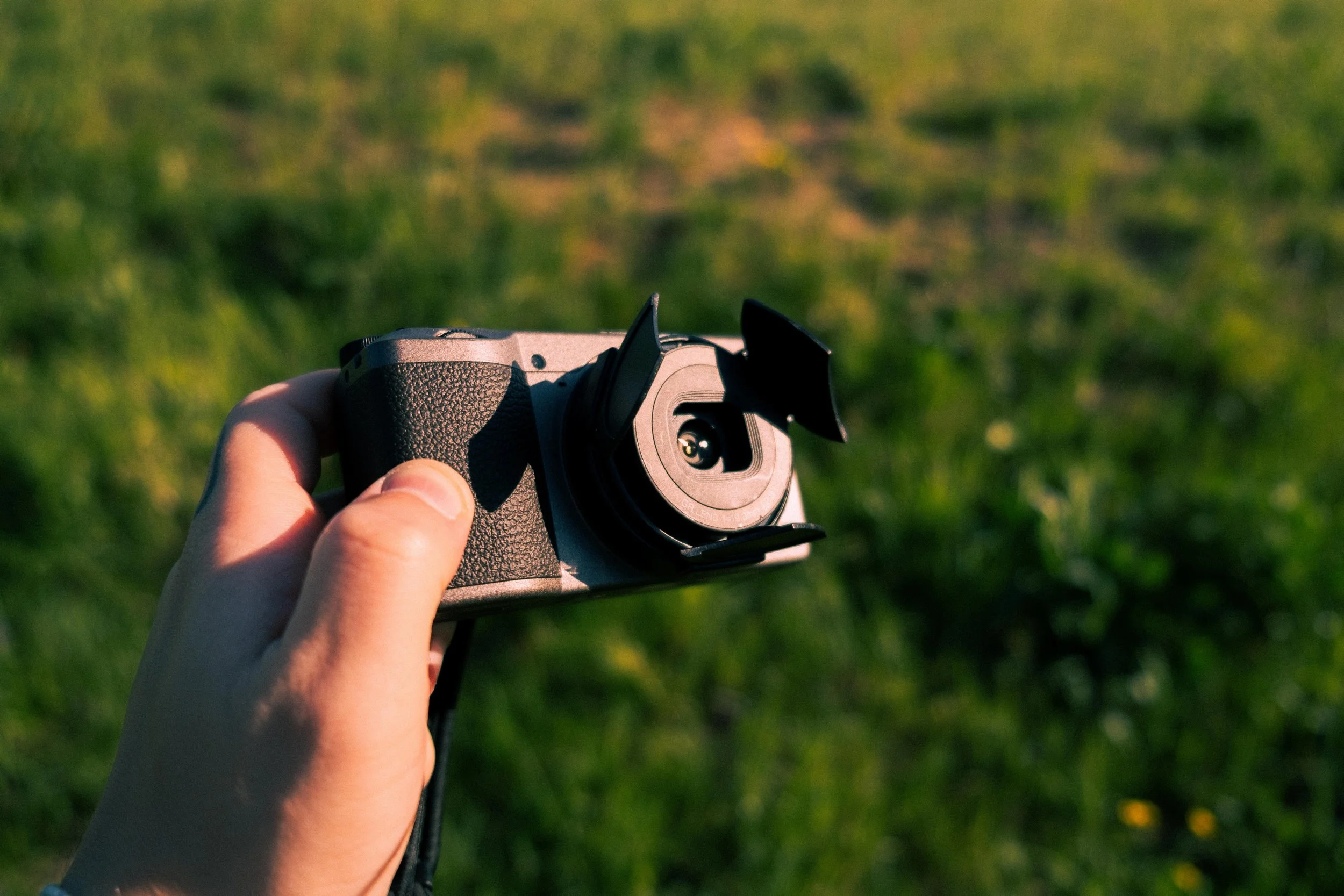
I made a blog about the Ricoh GR III. You can read it here.
The “Perfect” Beginning (That Wasn’t Really Perfect)
I started shooting.
Everything felt incredible. The customization, the controls… even the ability to dim the screen to make it look like I wasn’t taking photos at all, just in case someone confronted me.
I mostly shot in snap focus mode.
High aperture, shutter at 1/250, focus distance set from one meter to infinity.
I’d go home, look at the photos, and think:
“Everything is sharp. Everything is in focus. Everything is perfect.”
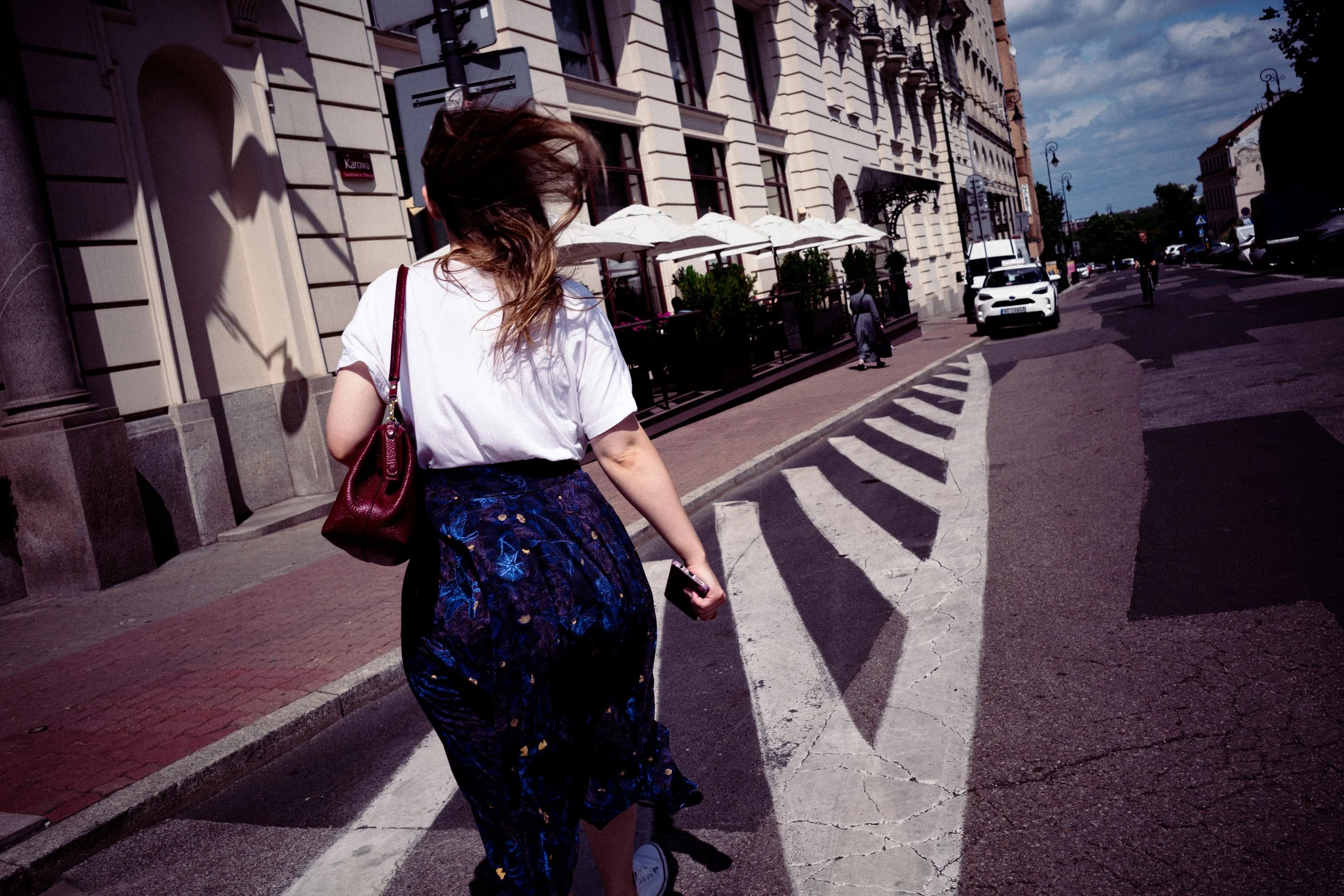
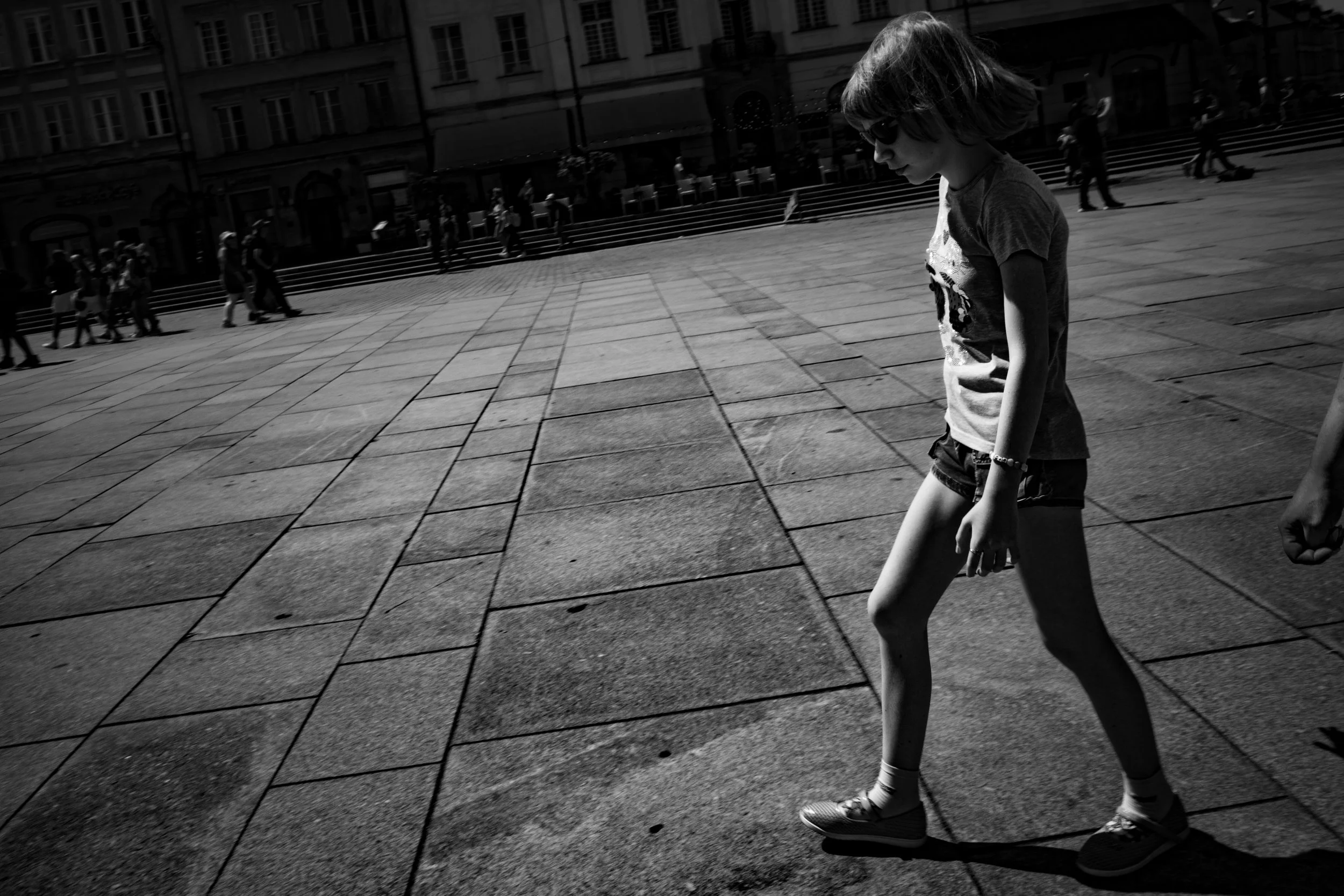
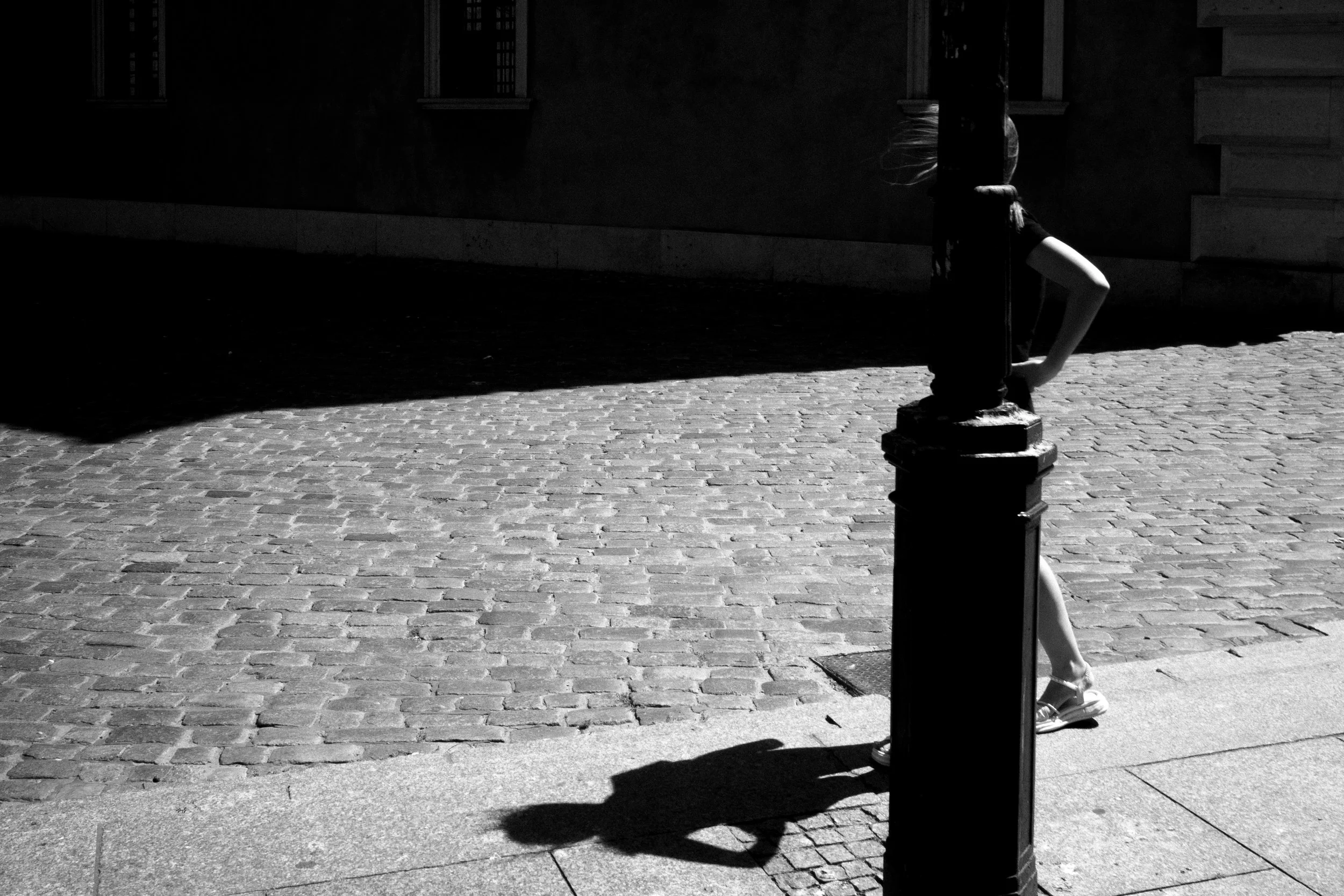
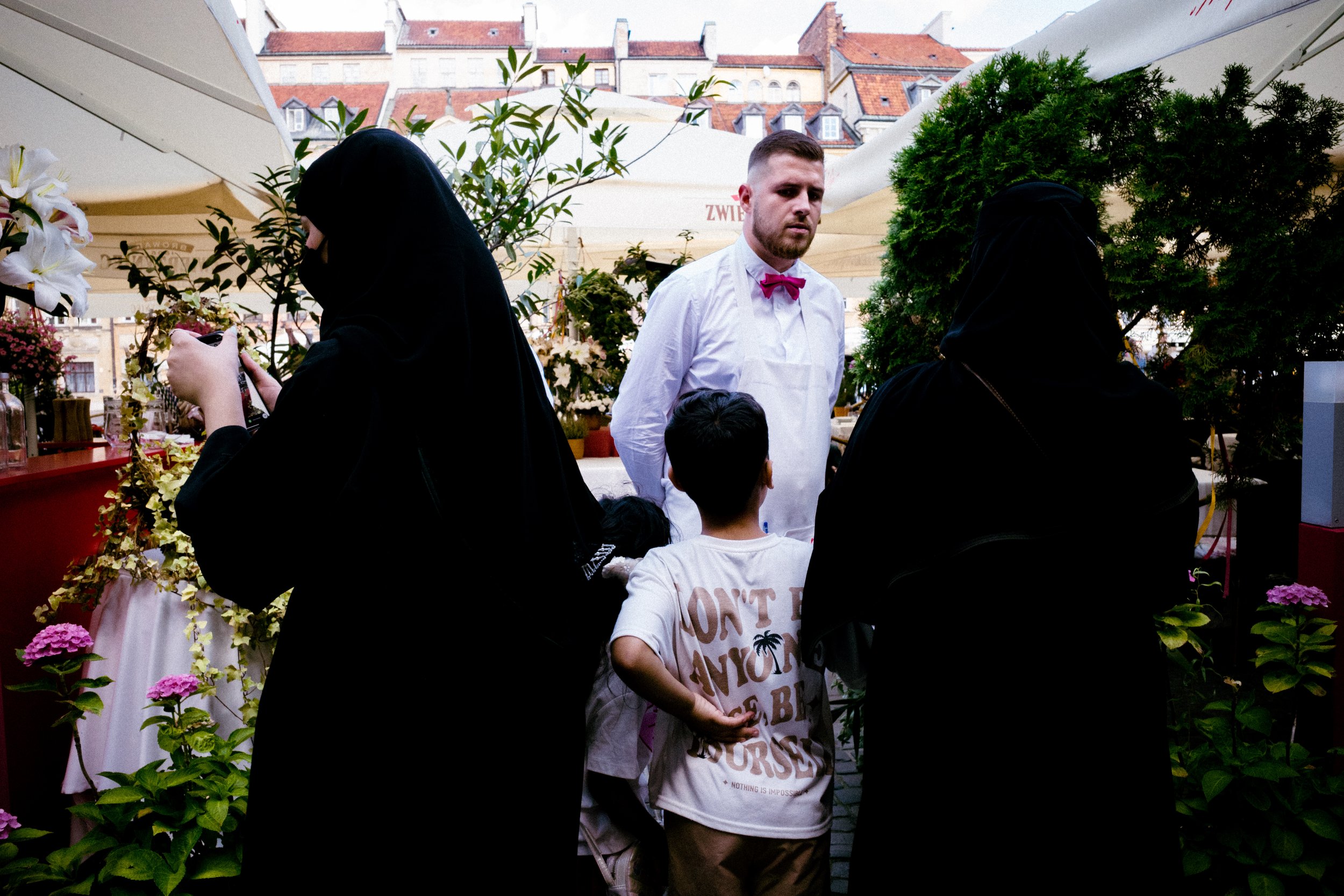
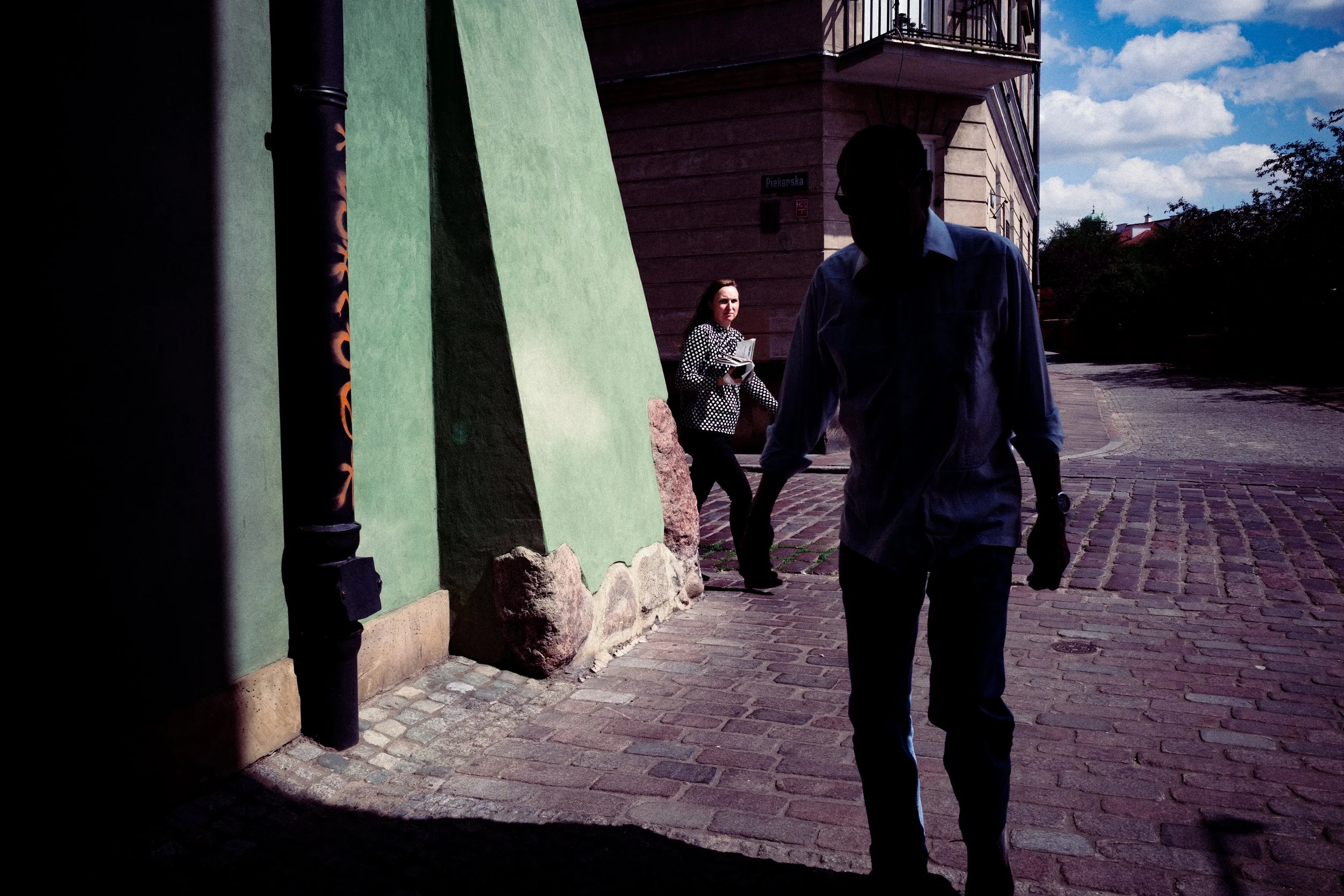
Too perfect.
Sure, I was getting decent shots, especially in the beginning when everything feels better than it actually is.
But I was missing something.
I wasn’t really photographing.
I was shooting left and right, sometimes not even paying attention to what I was framing. Shooting blindly, guessing where the camera was pointing. The 28mm helped a lot with that, I could usually fit everything in the frame and crop later if needed.
But very quickly, this approach started to feel empty.
I was getting bored.
The Turning Point
I knew I had to change something.
During my first photography trip, while staying in Trieste, I had an idea.
I would buy a vintage film camera.
Something extremely simple.
Just shutter speed, ISO, and nothing else.
I visited multiple shops, called a few more, and eventually found one: a very old Ferrania Lince 3.
A few steps away from the shop, I bought some rolls of film… and started shooting.
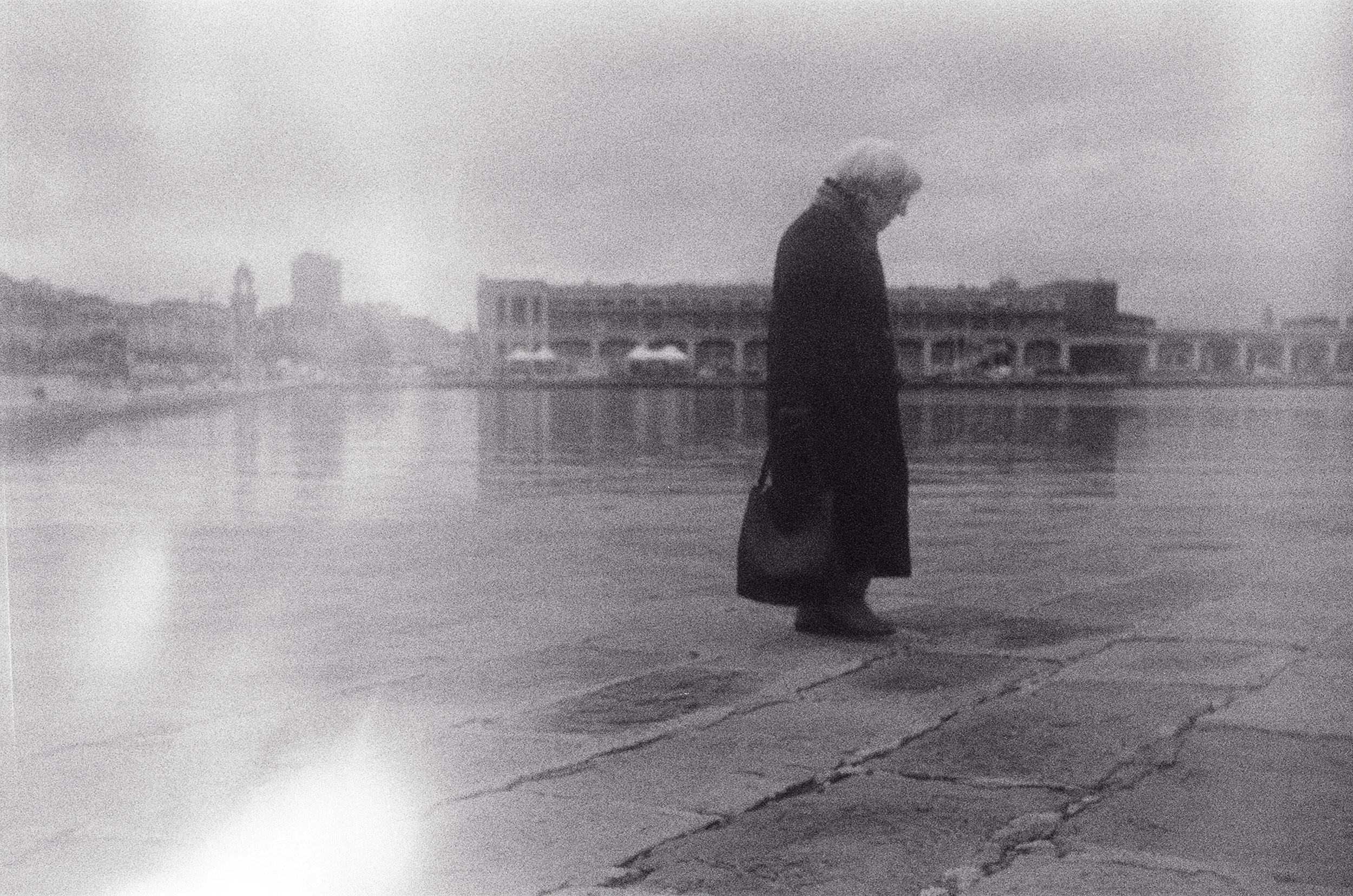
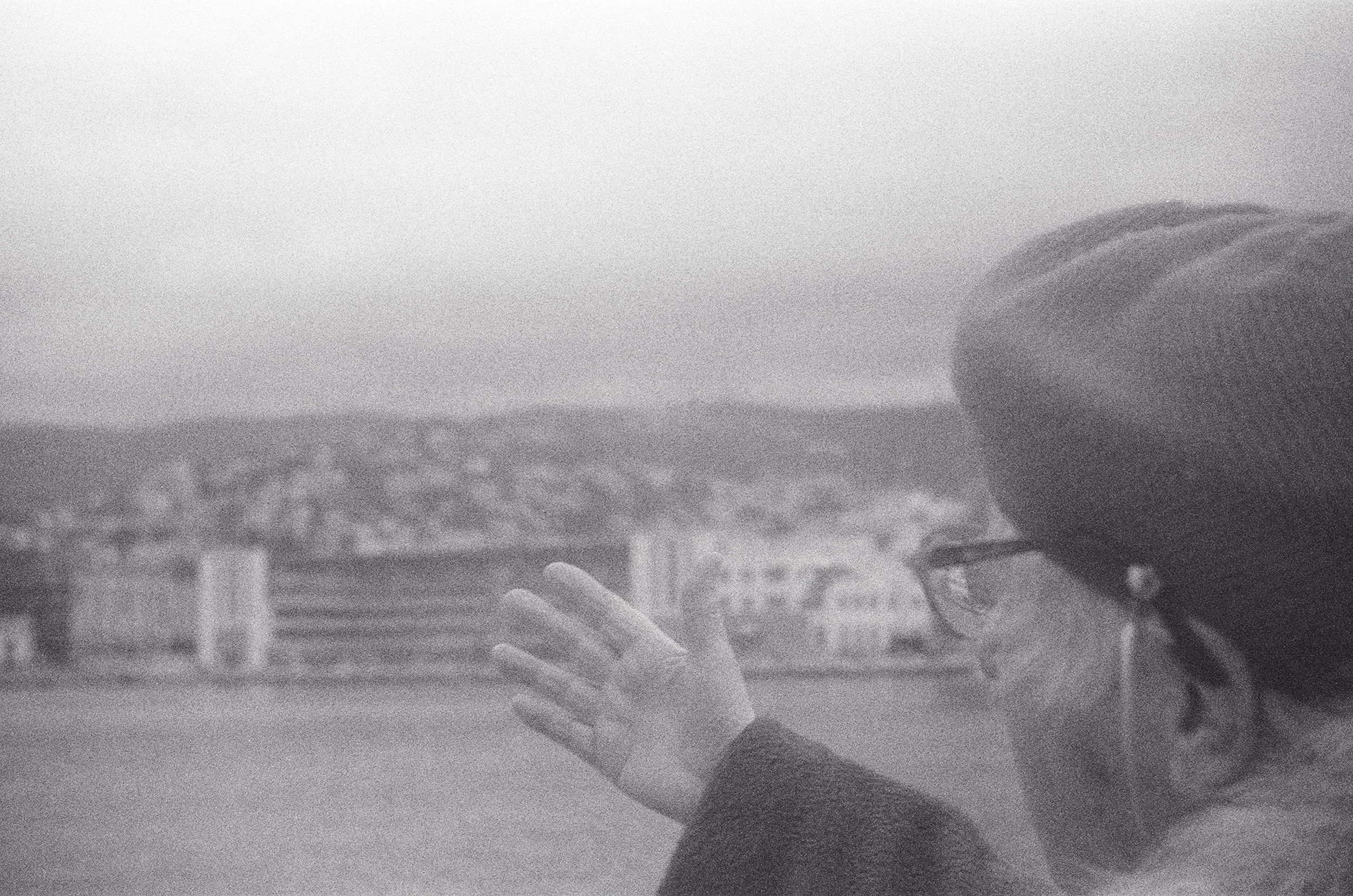
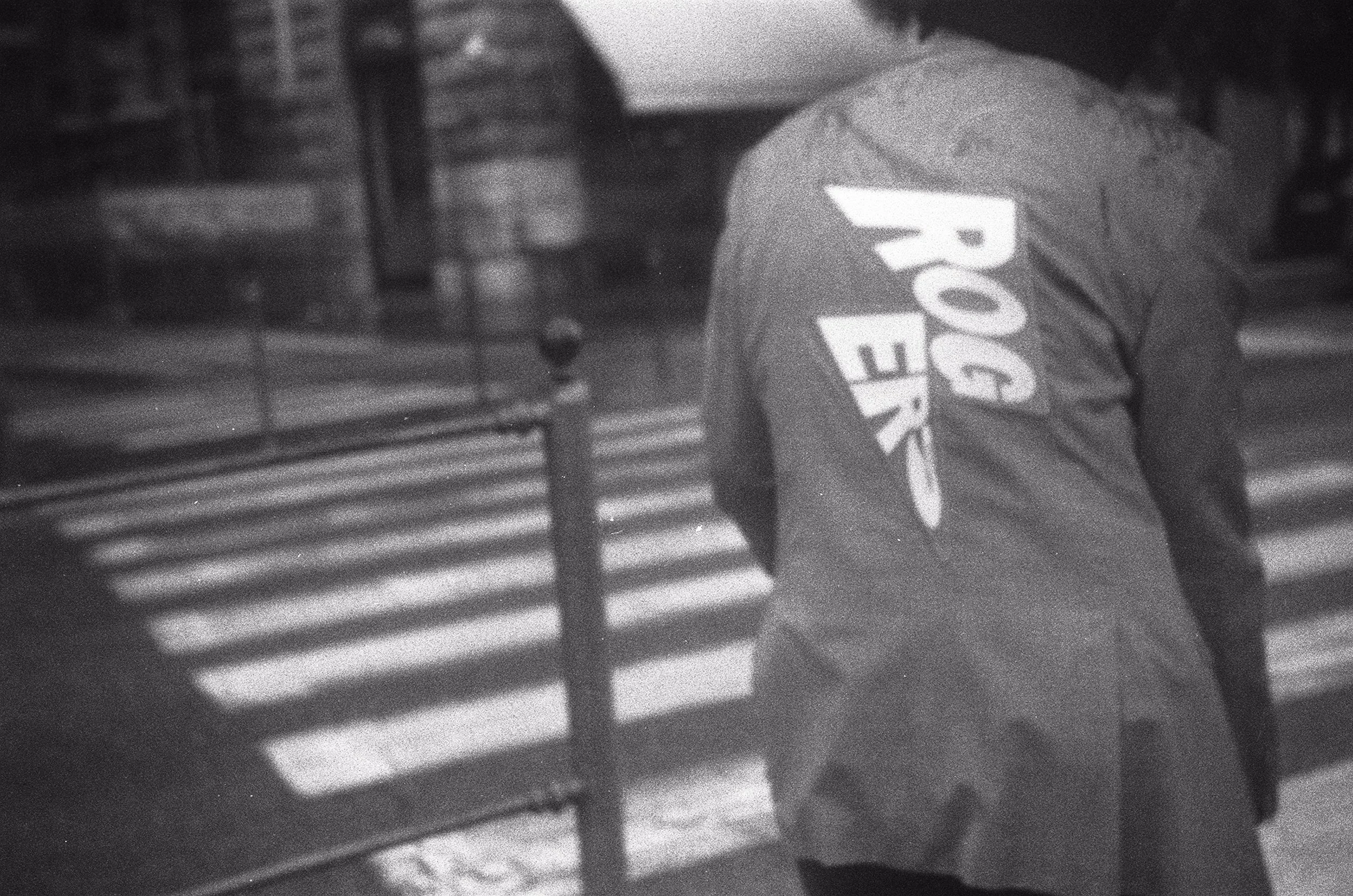
Looking through the viewfinder, advancing the film, hearing the mechanical feedback… I wasn’t just taking photos anymore.
I was experiencing photography.
Imperfection That Feels Alive
When I got the scans back, something clicked.
It wasn’t just the memory of shooting.
It was the look.
Grainy.
Out of focus.
Imperfect.
But alive.
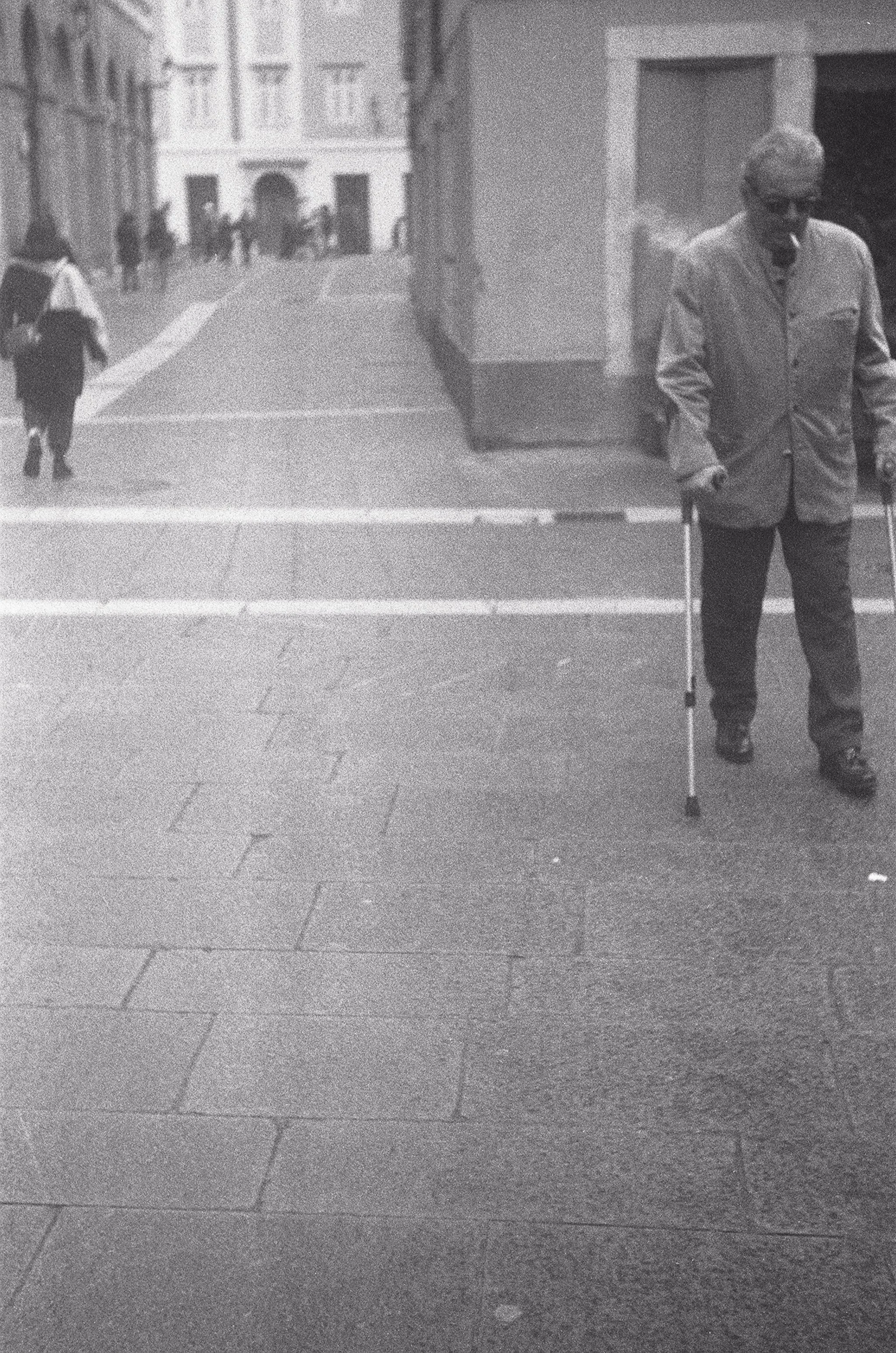
There was none of that overly polished, almost sterile perfection you see in modern images. No glossy, hyper-clean aesthetic.
Just raw, imperfect frames that felt… real.
Now, I’m not a purist.
Great photos can absolutely be taken with modern lenses. Sometimes they’re necessary. Without them, we would’ve missed countless iconic images of our time.
But here’s the thing:
The experience of taking a photo is personal.
The image is what you share with the world.
And the experience has to feel right first.
Falling Down the Vintage Rabbit Hole
Something sparked in me.
I found a Ricoh KR-5 with a 55mm lens for a very low price, and that changed everything again.
Coming from a 28mm, then a 35mm, this felt completely different.
Missed shots.
Out of focus subjects.
Bad framing.
Perfect.
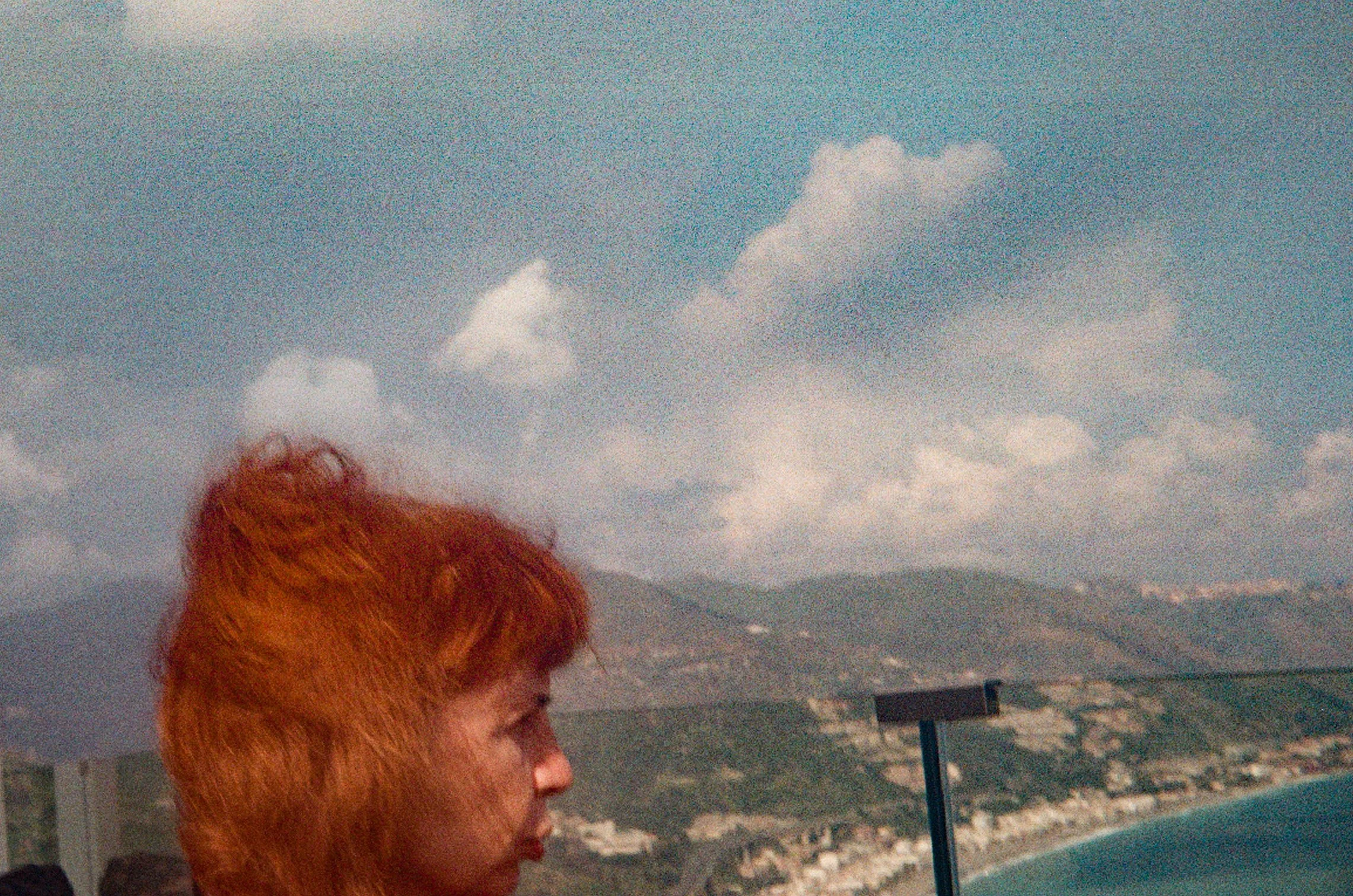
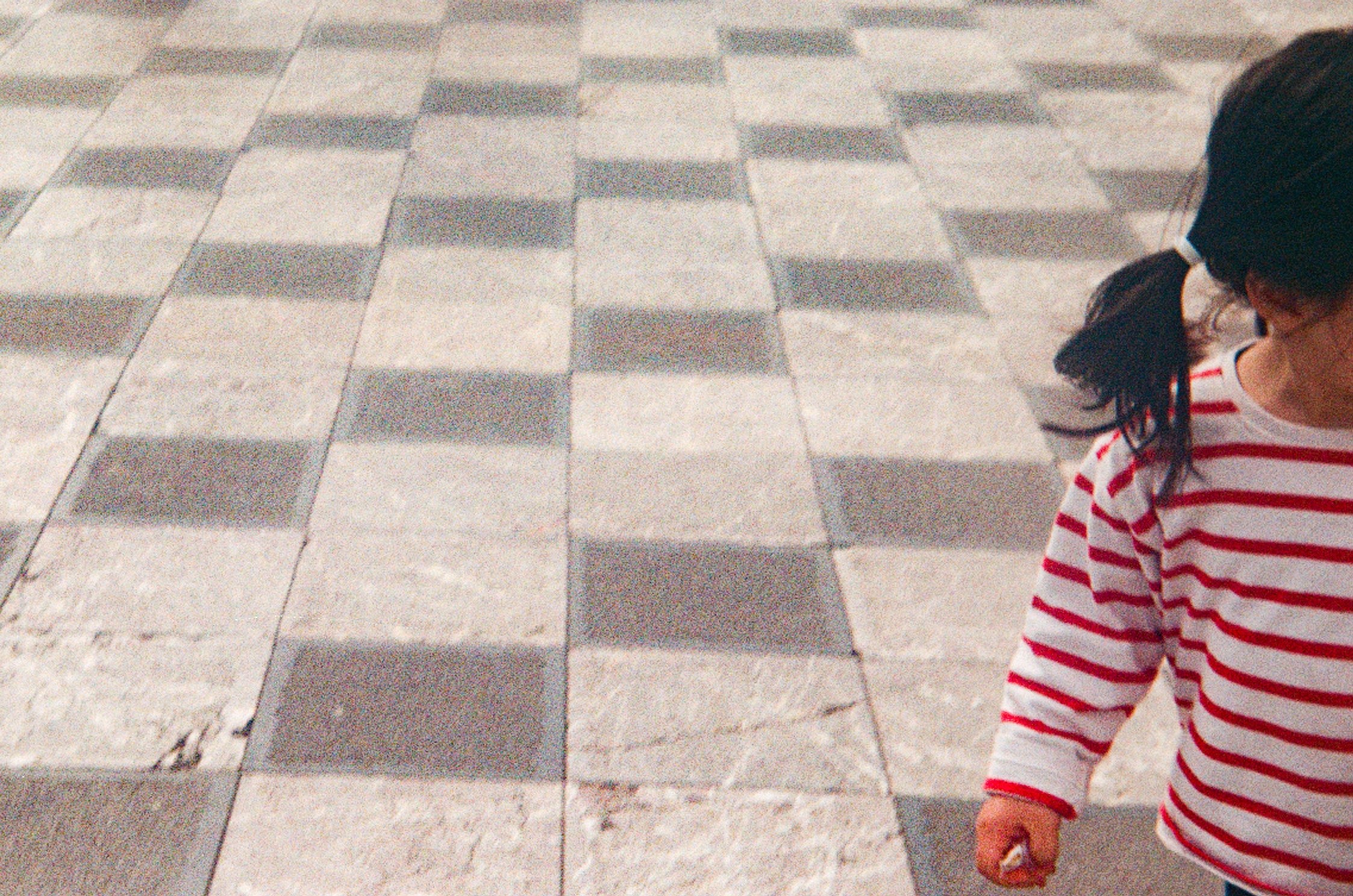

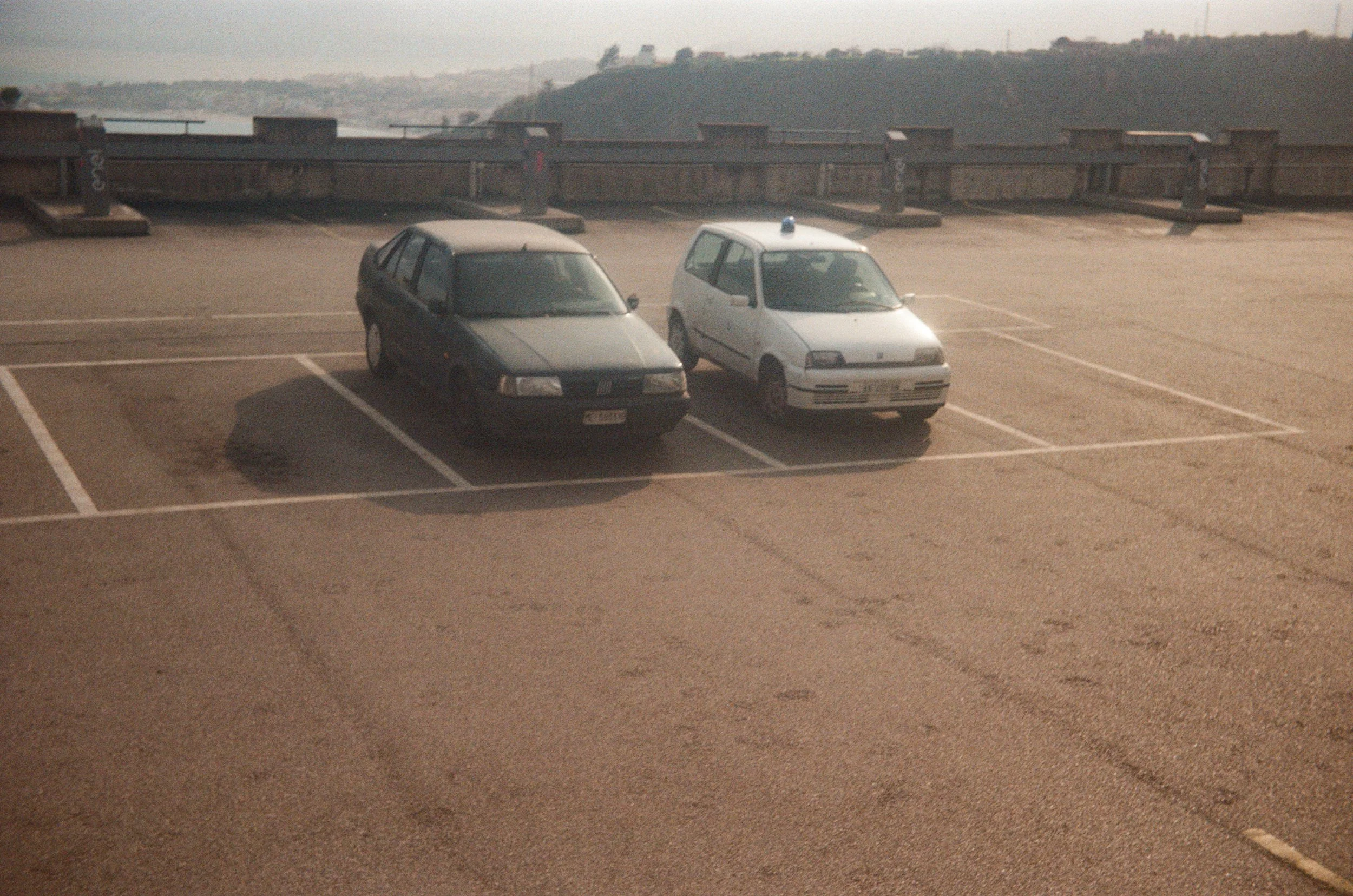
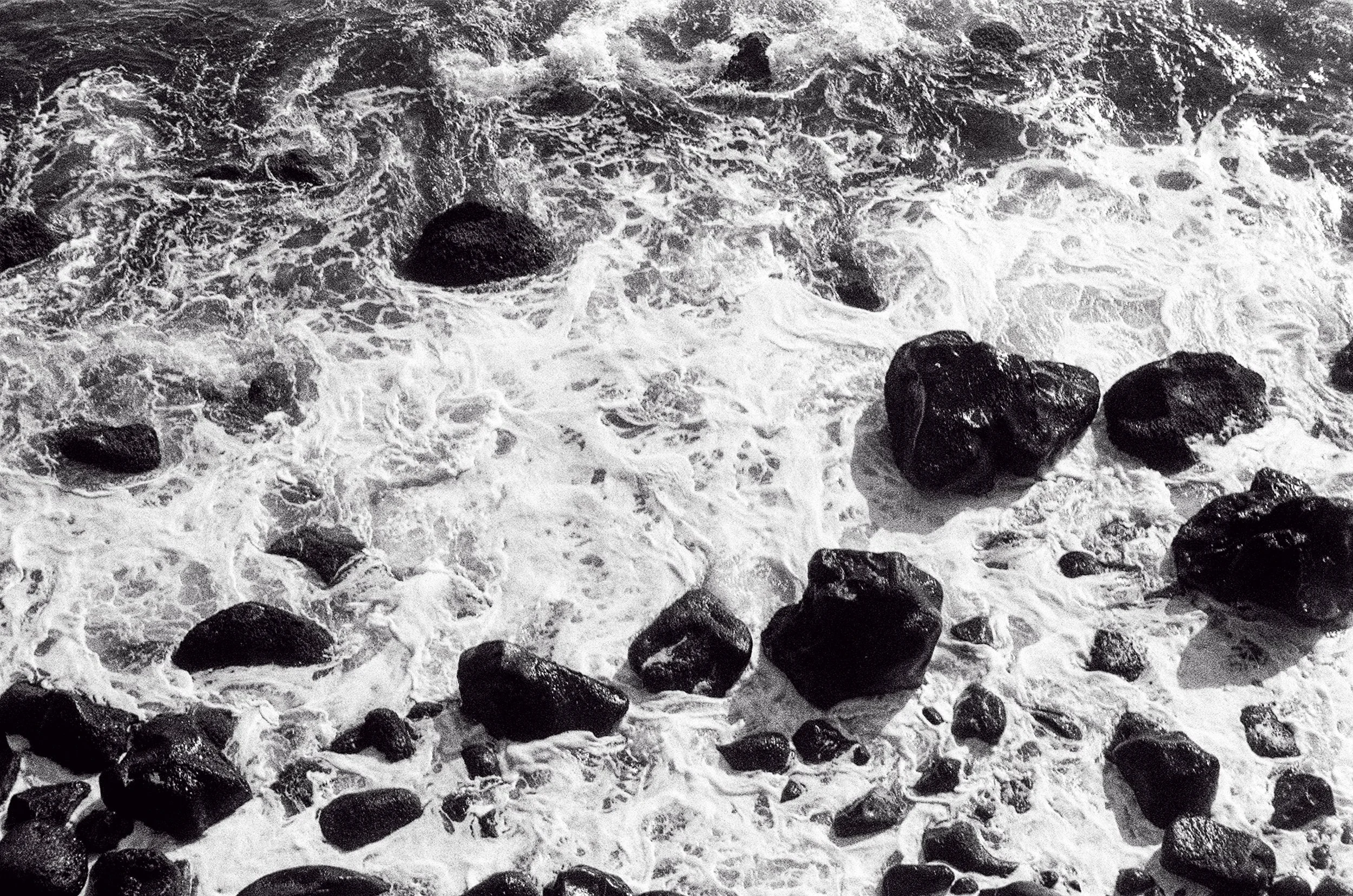
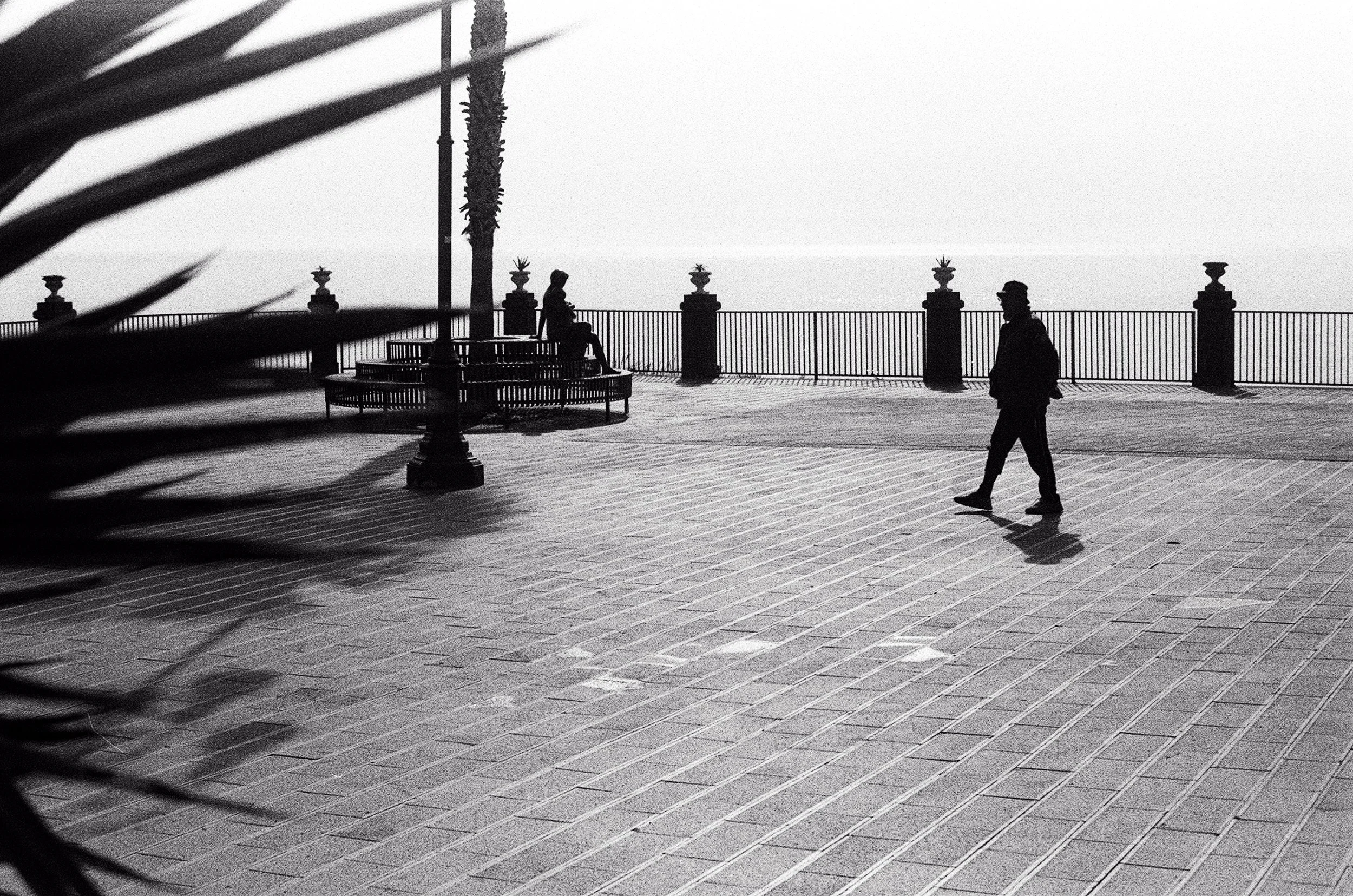
For the first time, I felt something when looking at my photos.
So I expanded.
I picked up a Makinon 24mm lens for less than €30, which I later discovered was actually a great deal.
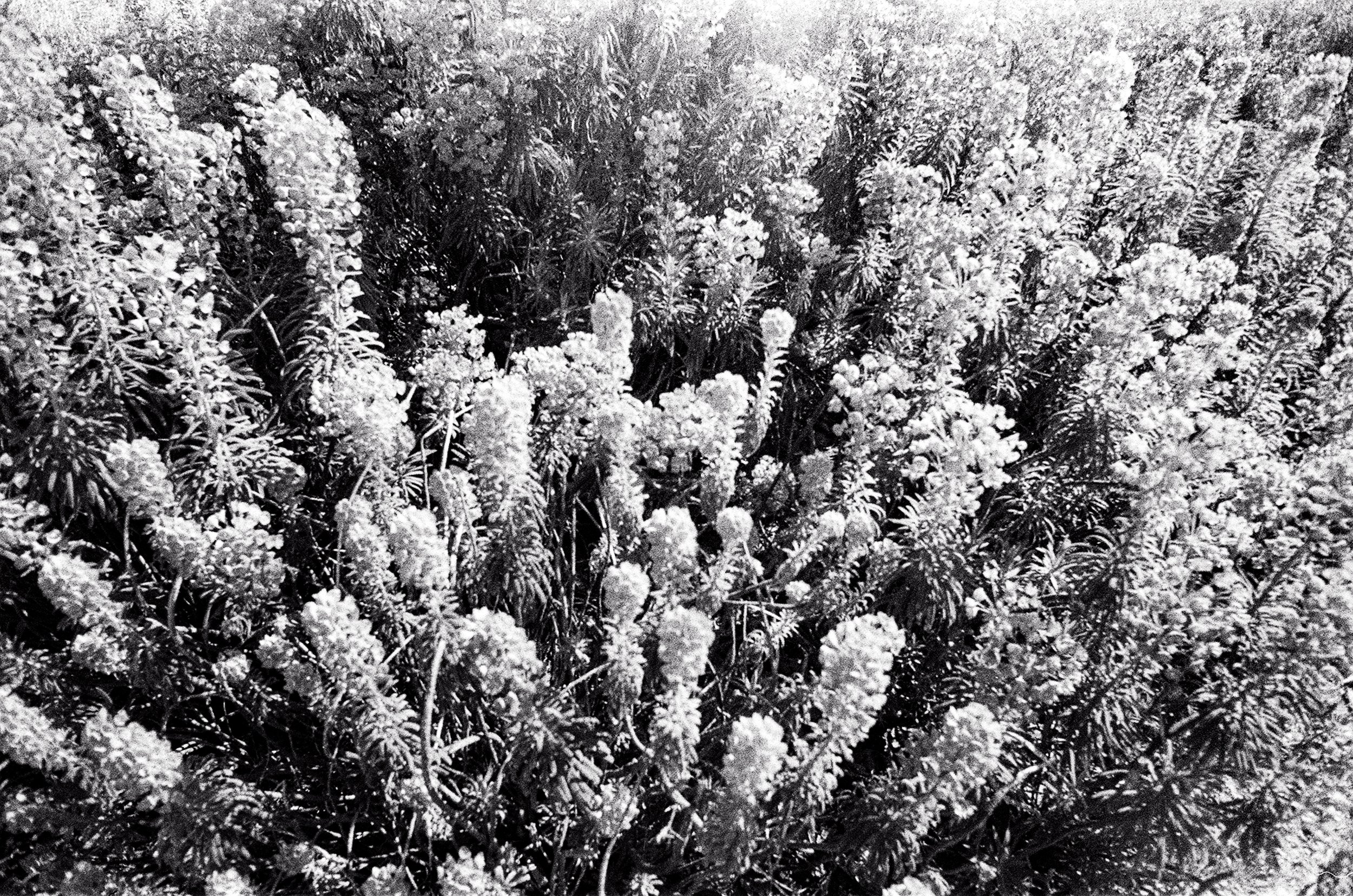
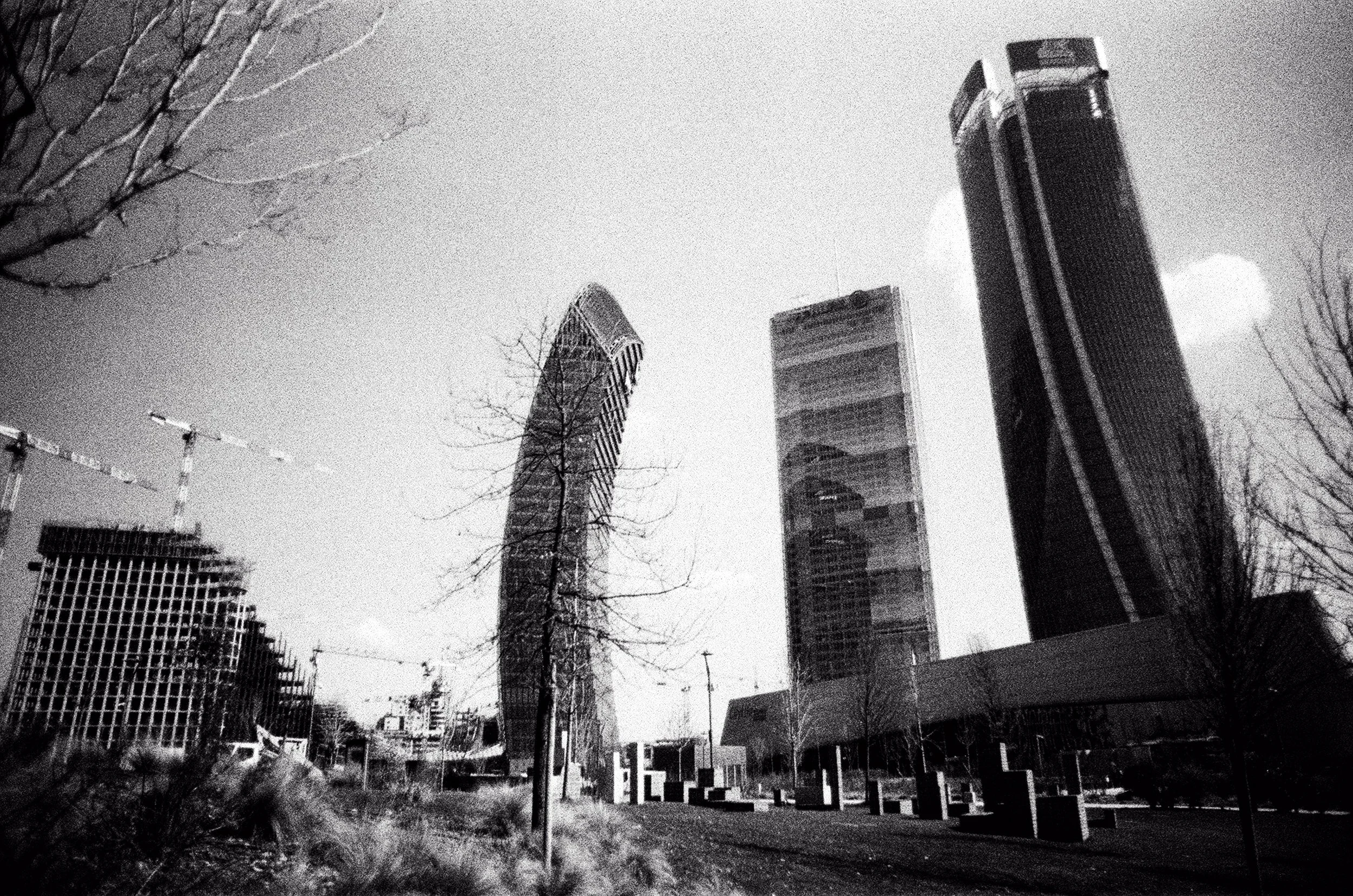
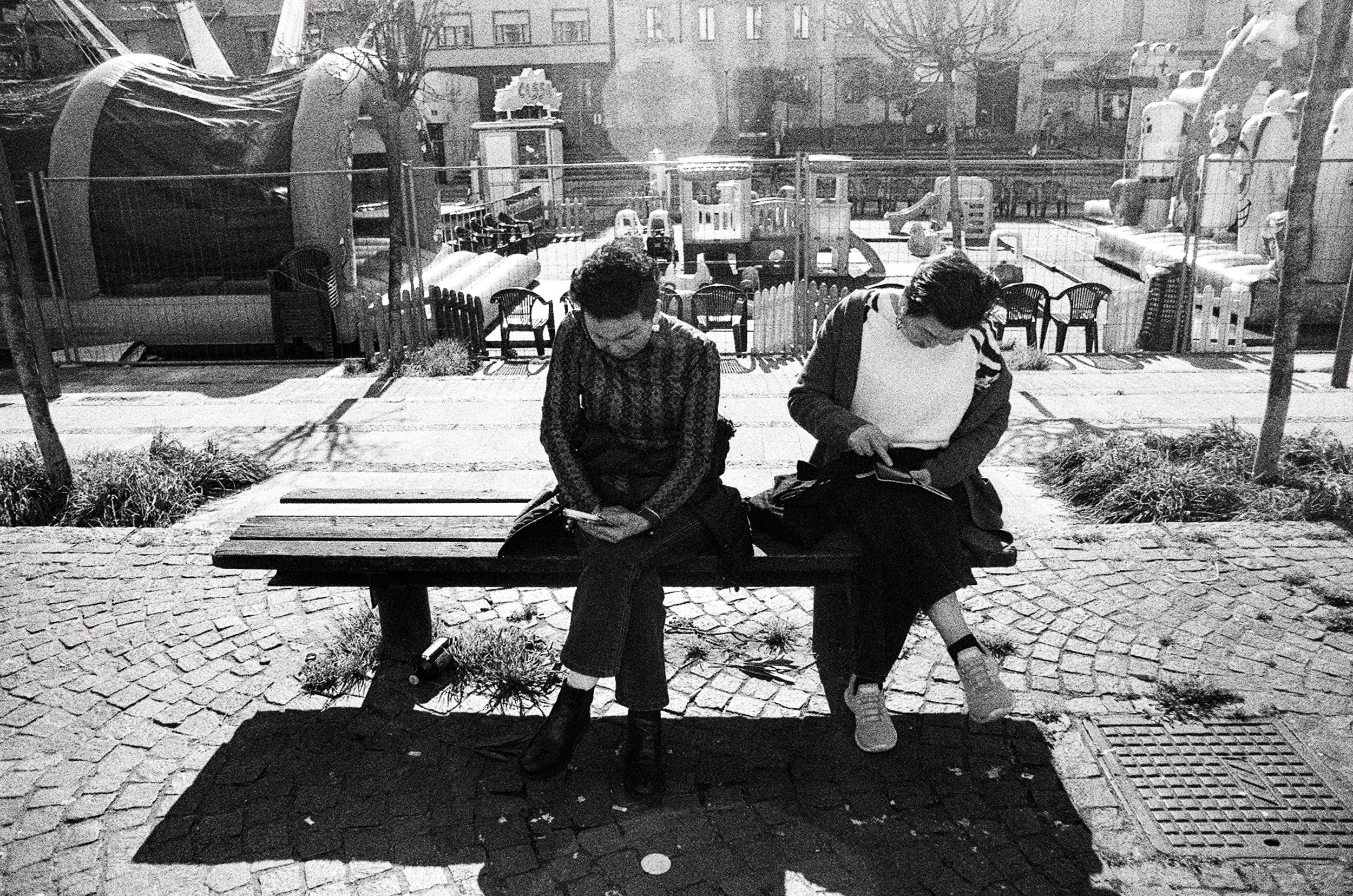
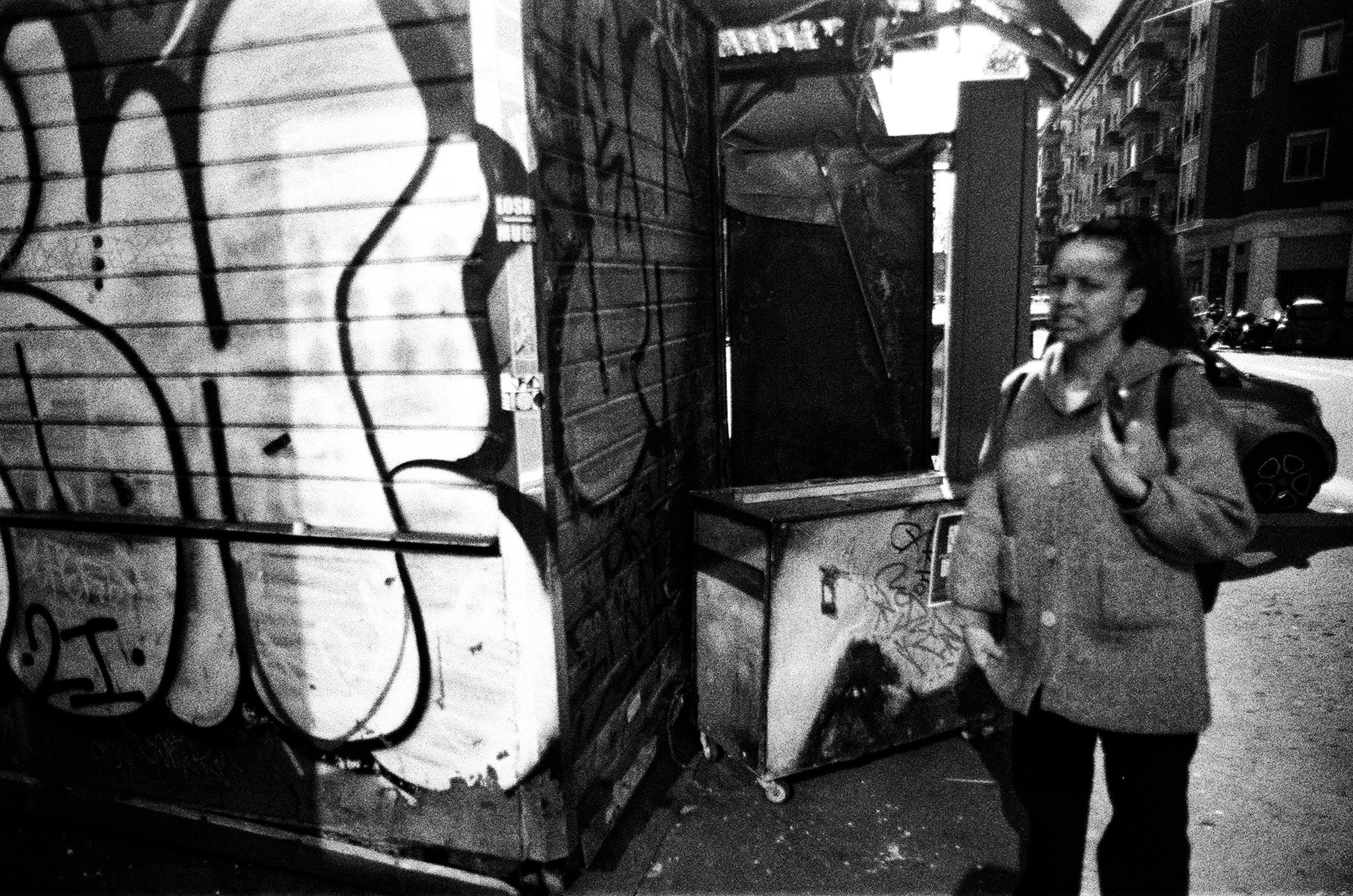
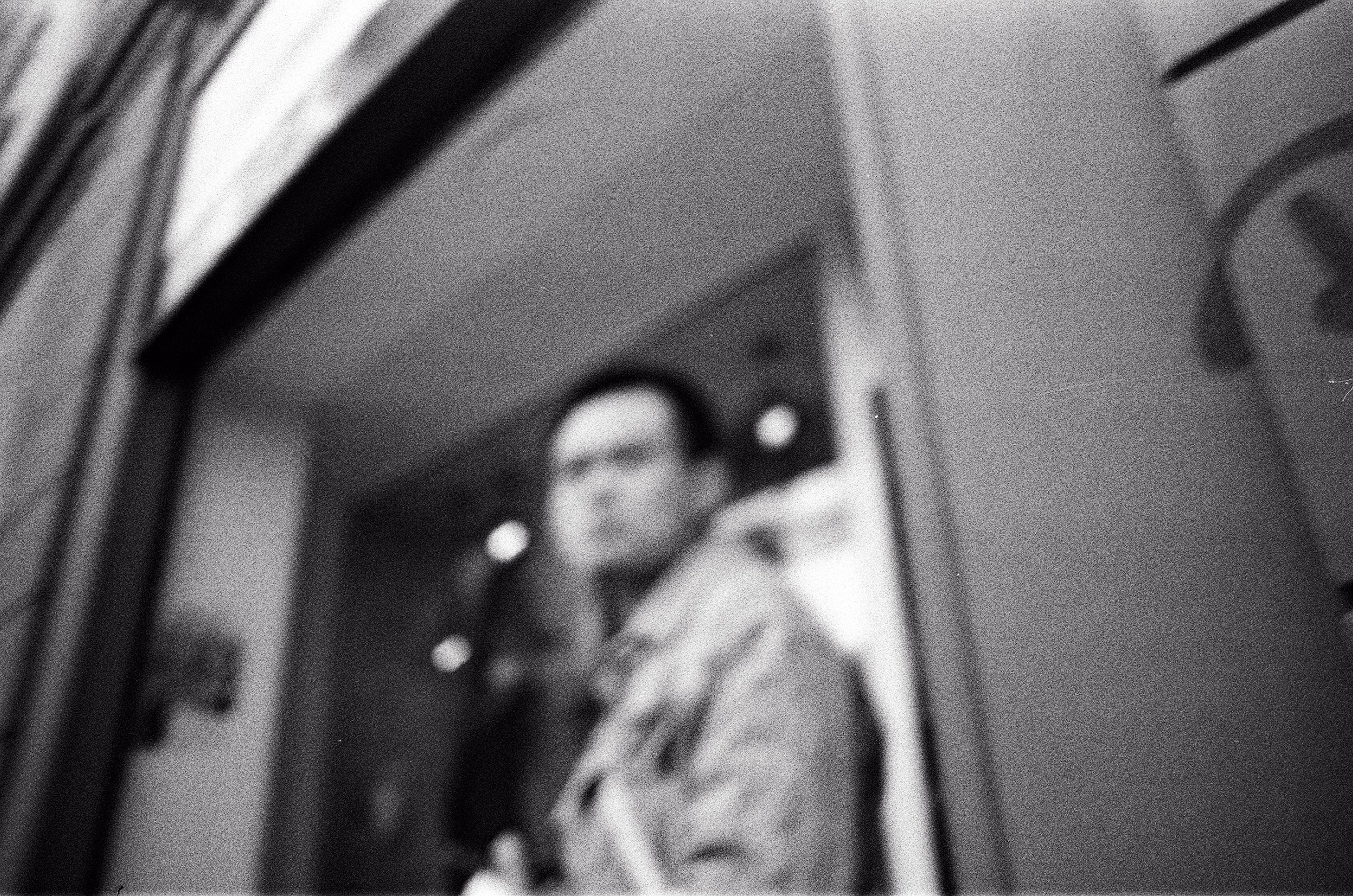
The 24mm felt more familiar because of my background with wider lenses, but the 55mm kept giving me more interesting results.
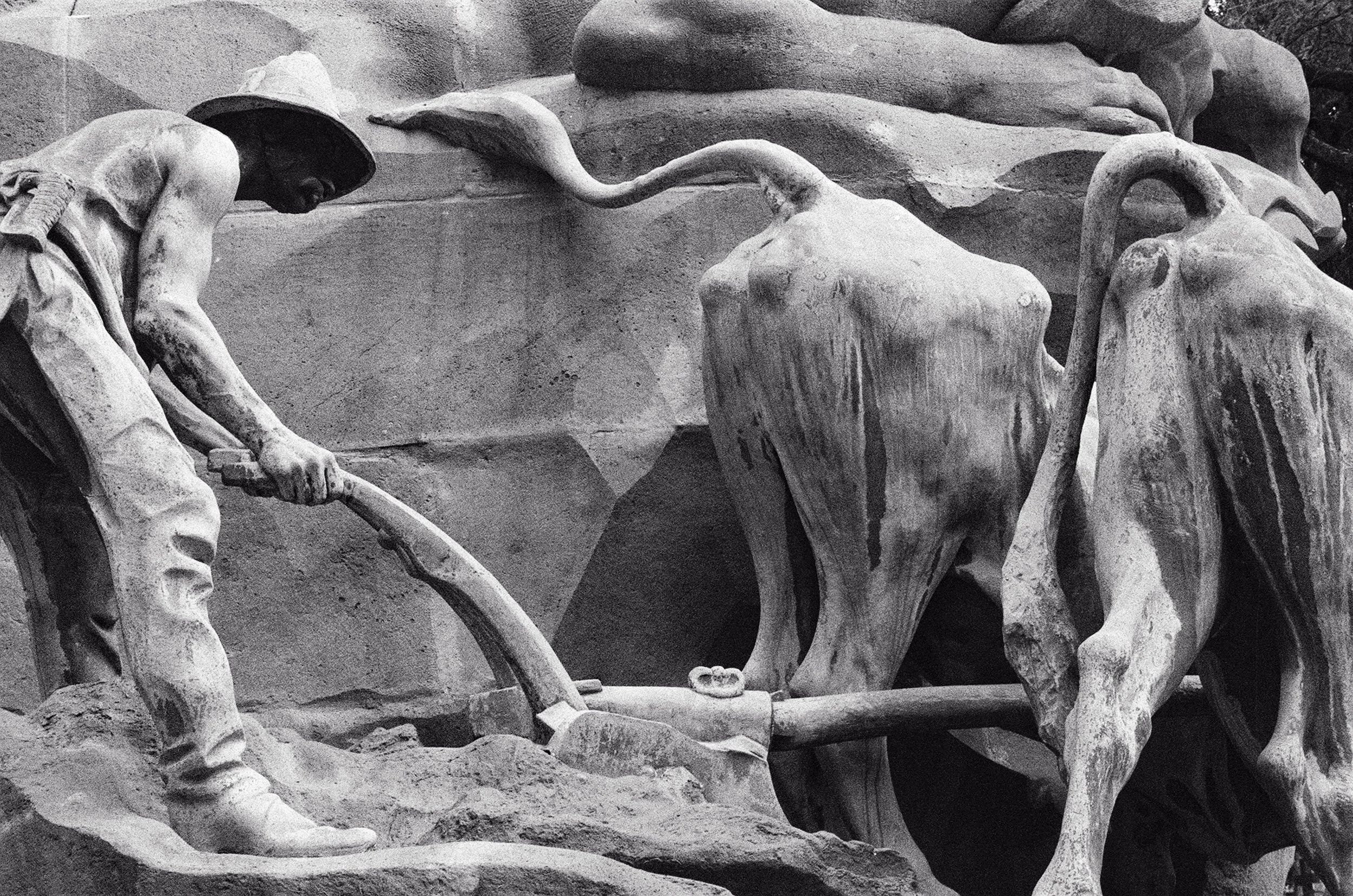
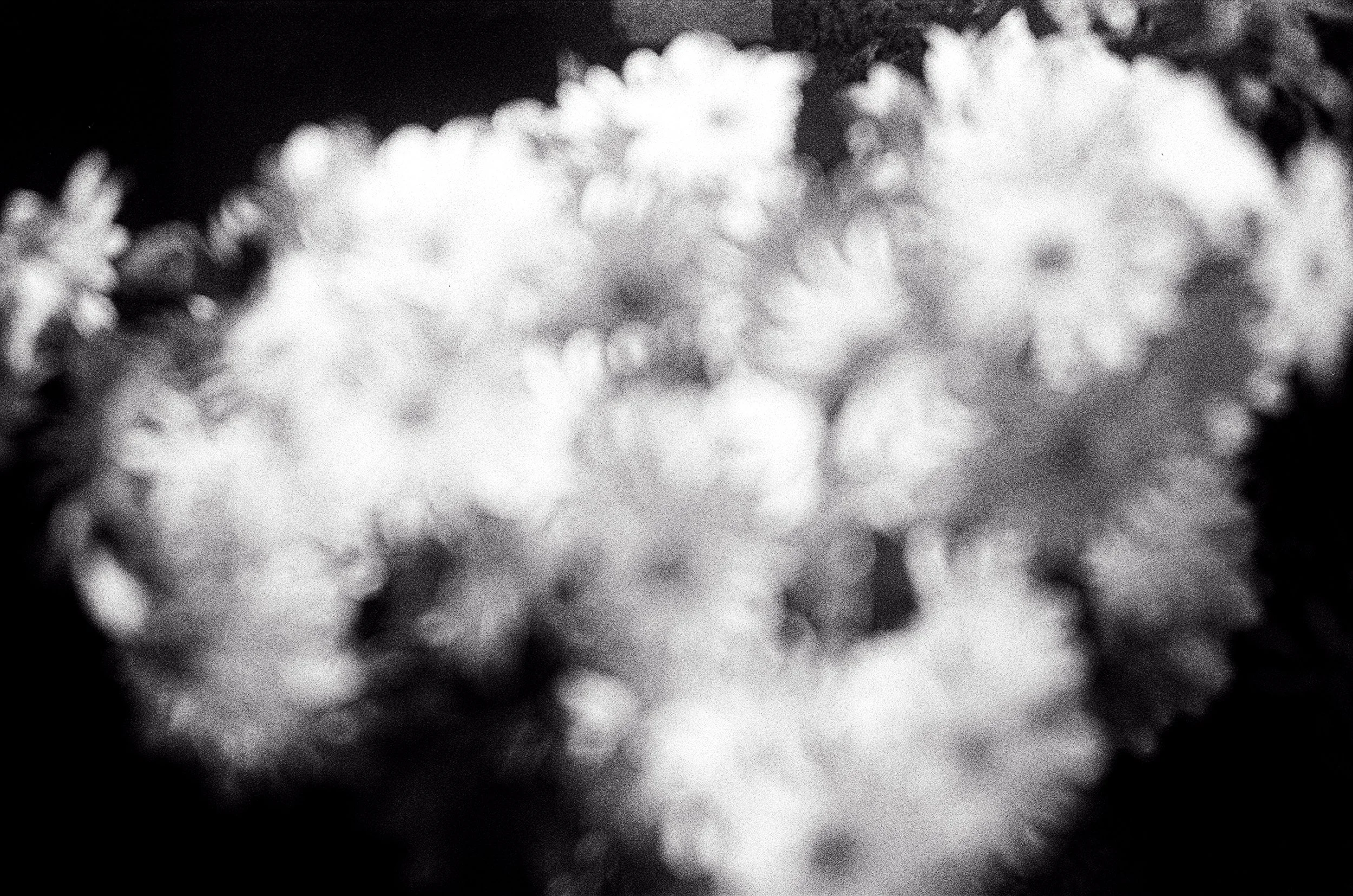
Back to Digital… But Something Was Missing
After months of shooting film, I felt the need for something more flexible.
A camera where I could swap lenses easily and experiment with different focal lengths.
That’s when I bought the Fujifilm X-E4.
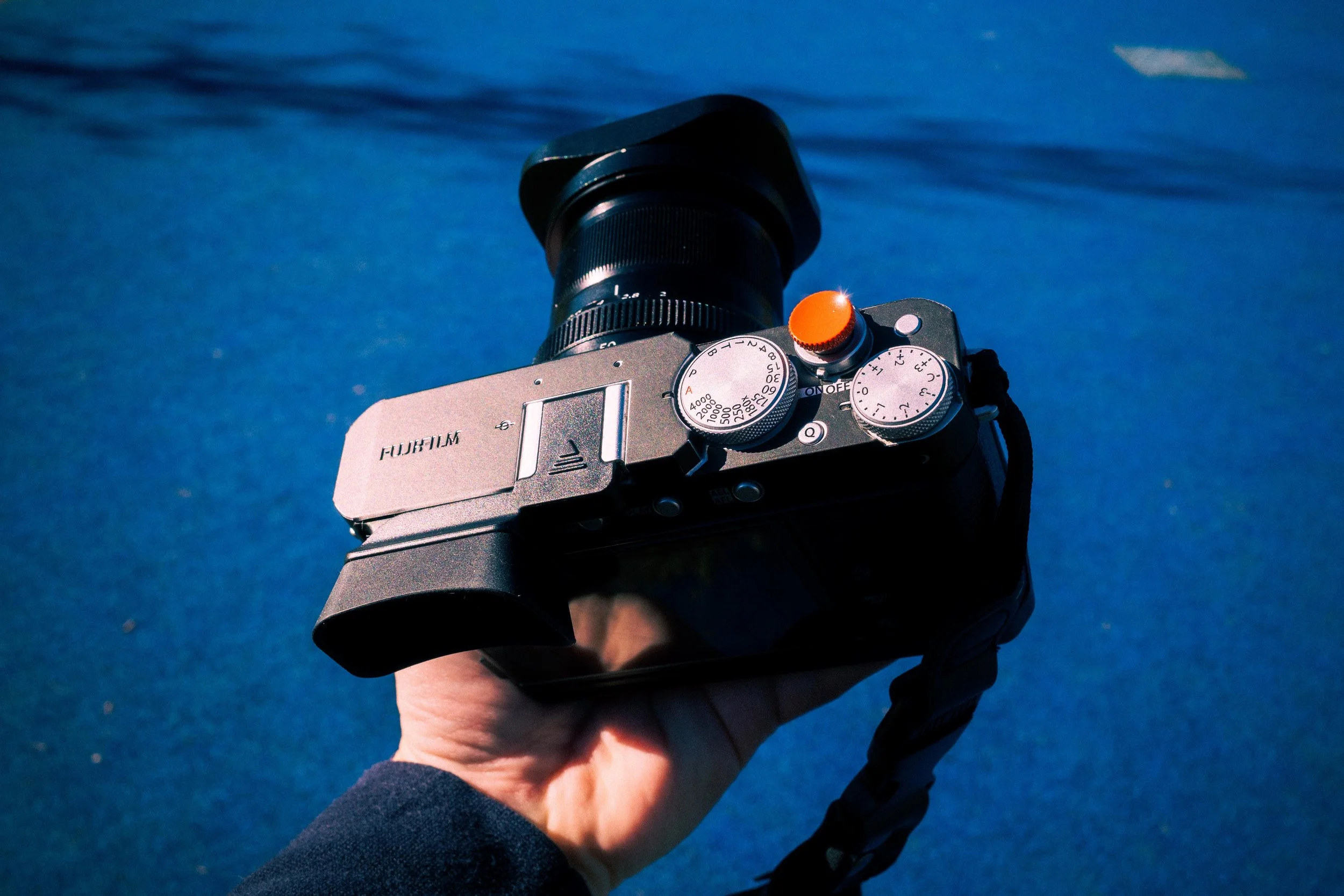
Its simplicity reminded me of film cameras, and it felt like the perfect bridge between analog and digital.
I started with a 35mm (50mm equivalent), fell in love with it, and shortly after added a 75mm equivalent.
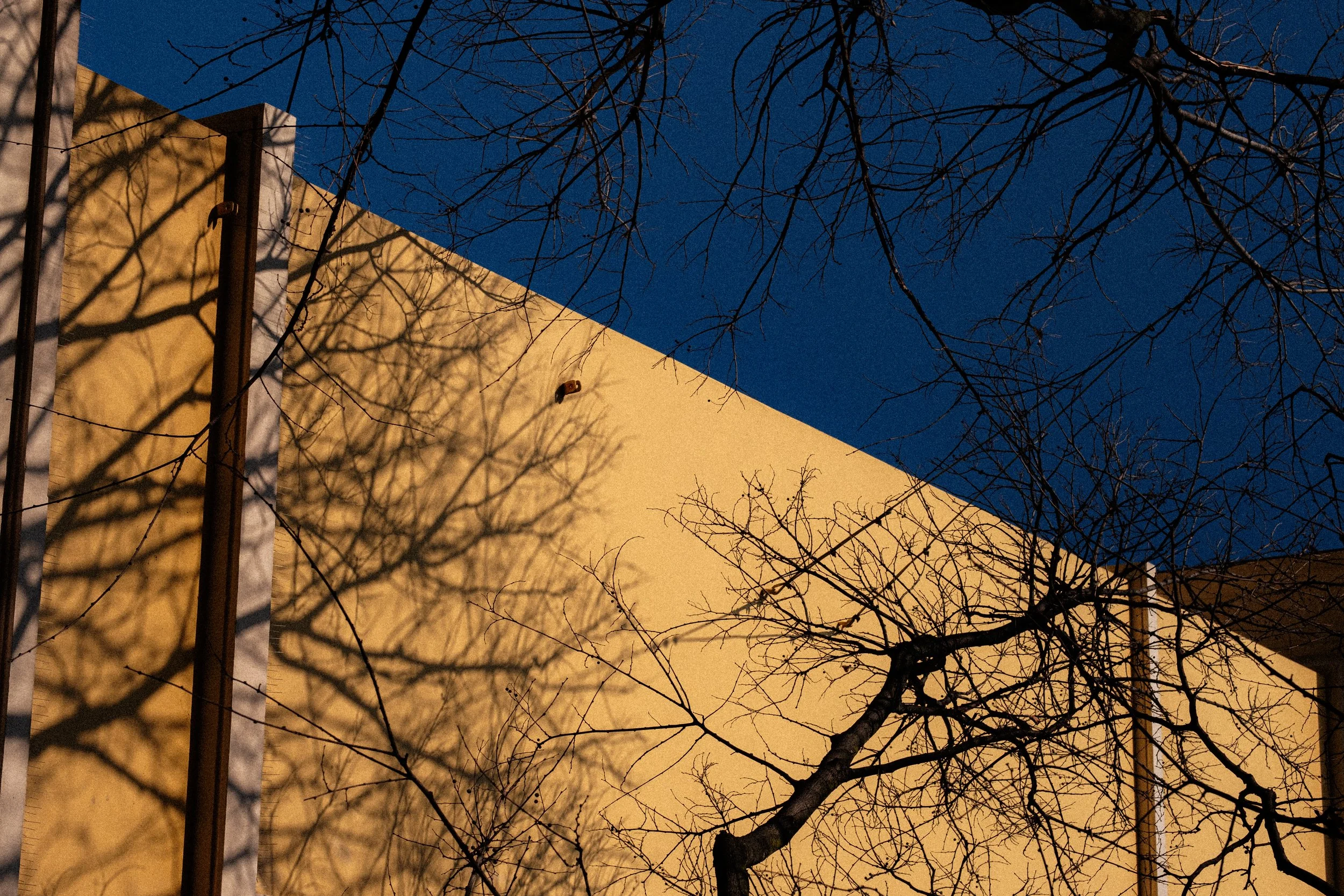
These focal lengths pushed me toward more abstract compositions. Reflections, layers, geometry… a more “thoughtful” kind of photography.
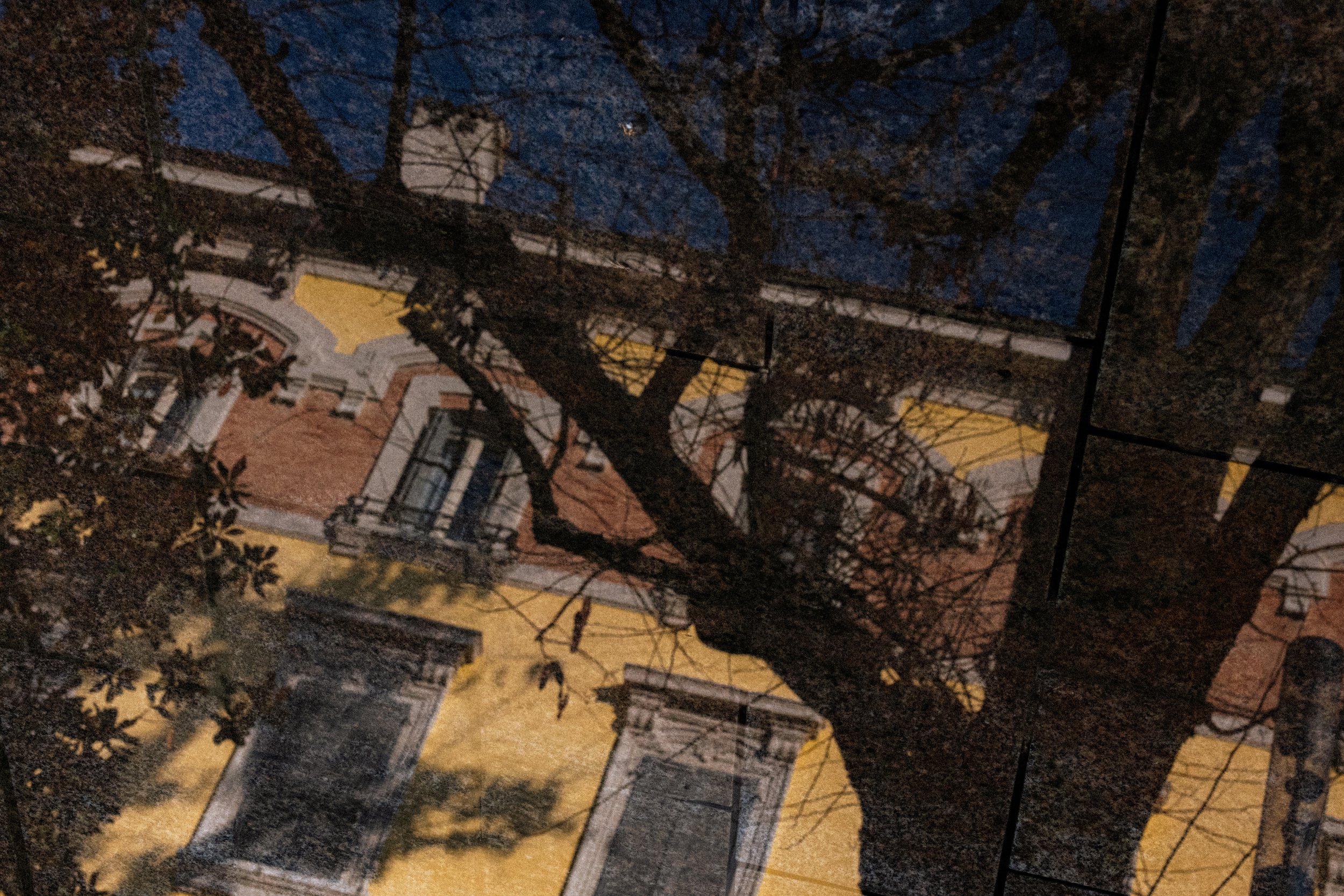
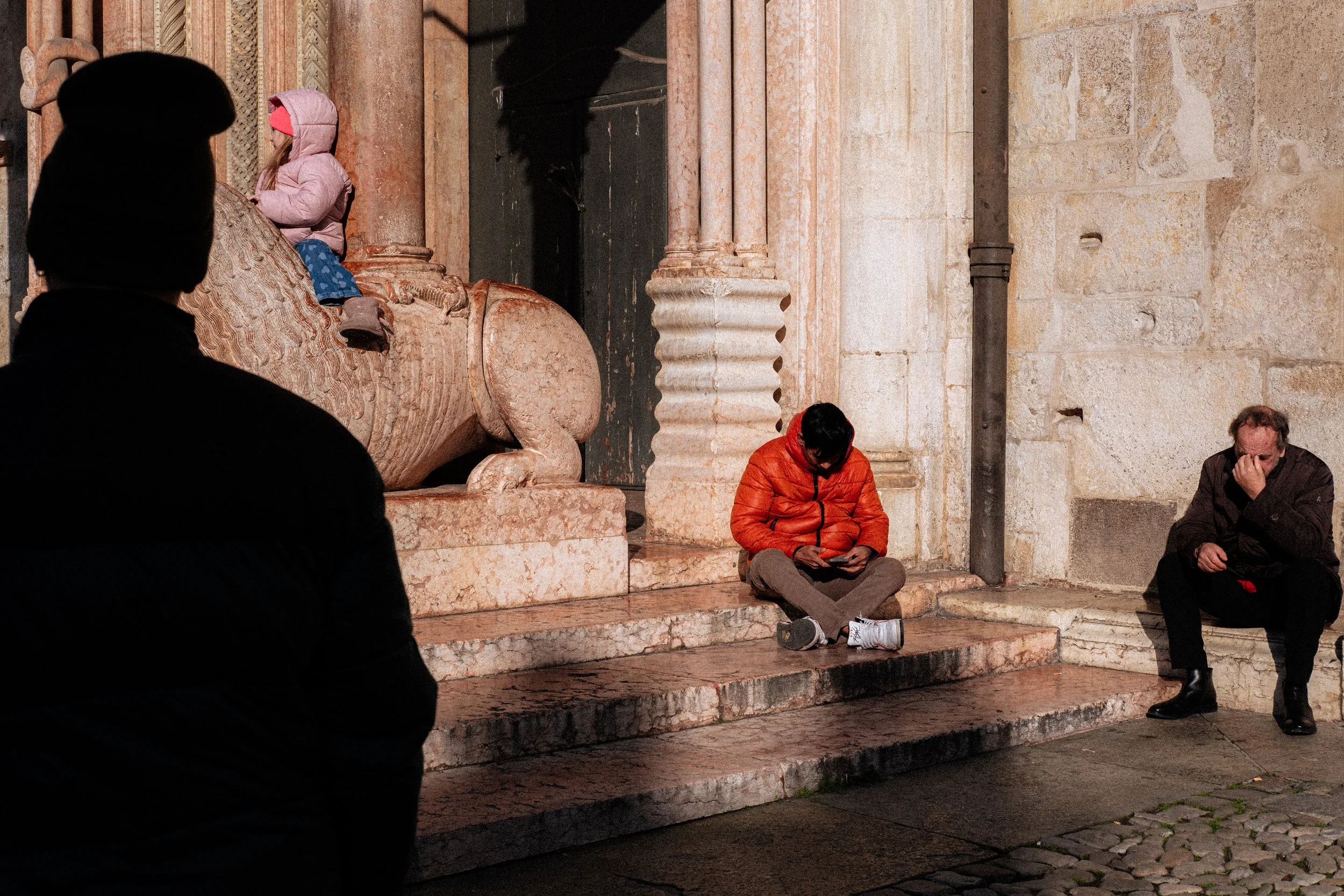
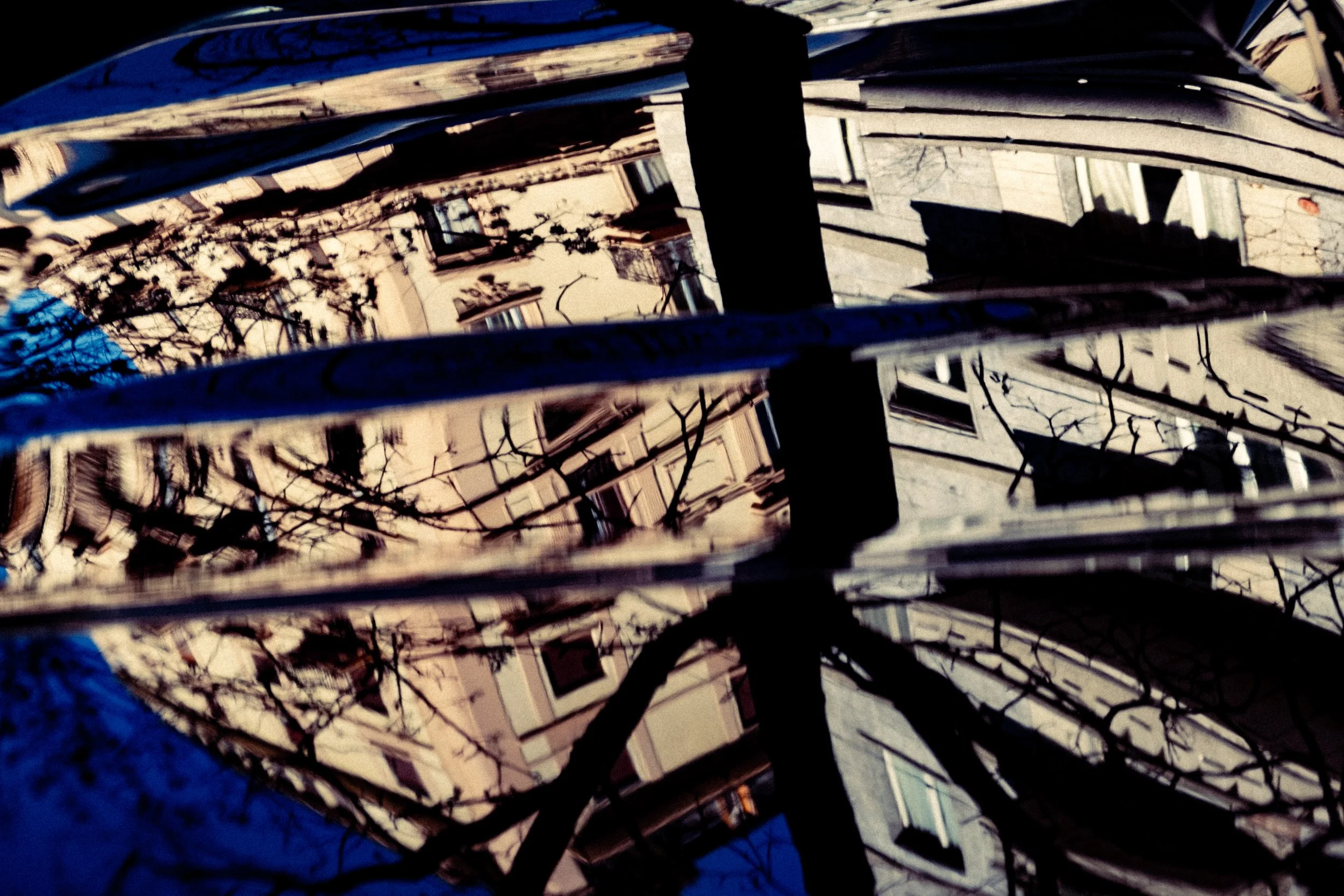
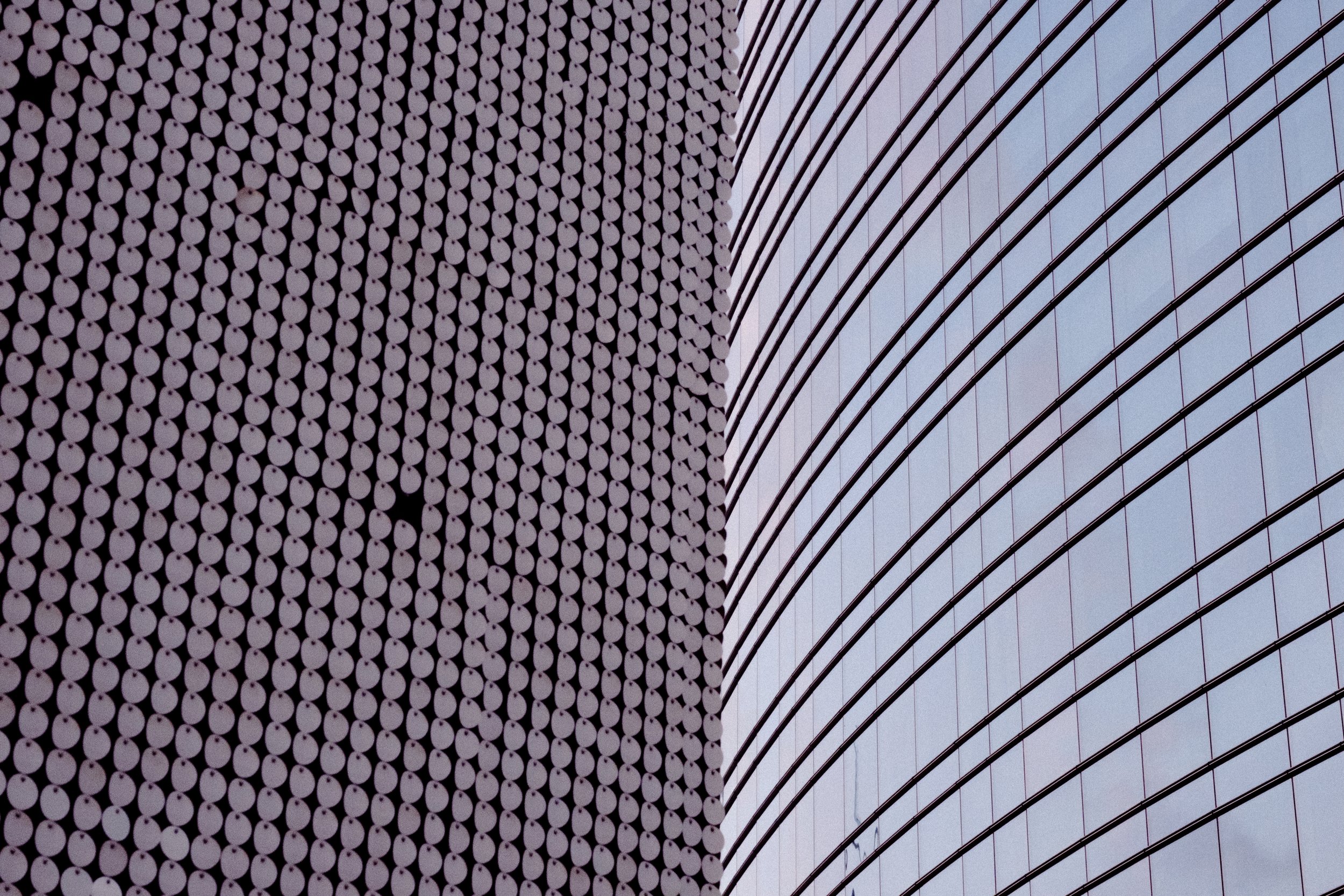
But there was a problem.
The images became too clean.
Too precise.
Too clinical.
That abstract feeling I was chasing?
It wasn’t abstract anymore.
It felt… controlled.
The Magic Returns
During a trip to Thailand, I bought two lenses that completely changed things again:
The Helios 44M 58mm f/2
The Super Takumar 28mm f/3.5
And just like that…
The magic came back.
Why Vintage Lenses Stayed
The 40mm and the 90mm weren’t just missing focal lengths in my kit, they were the ones I was most curious about.
I like 28mm.
I love 50mm.
So naturally, the 40mm sat right in that sweet spot I wanted to explore.
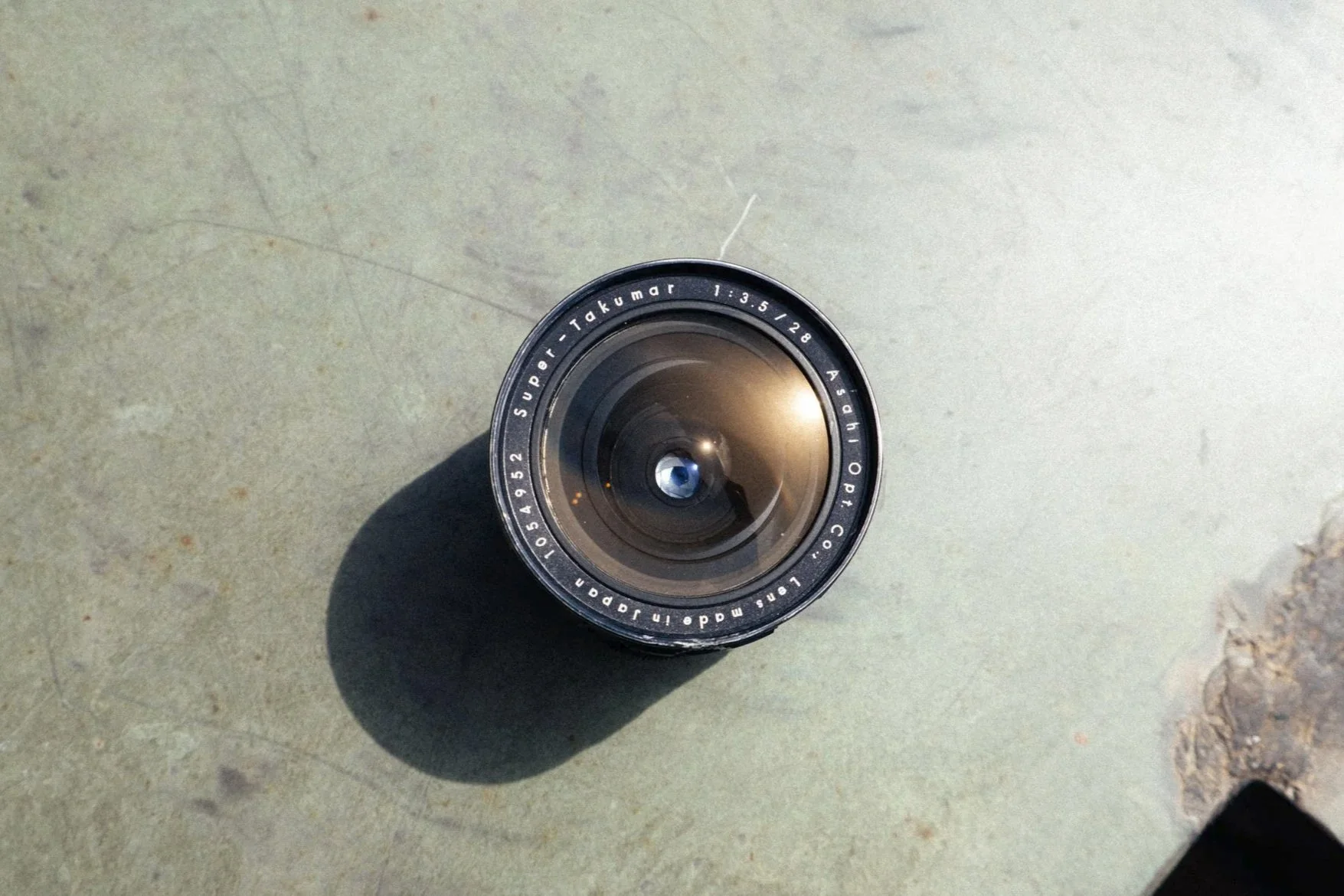
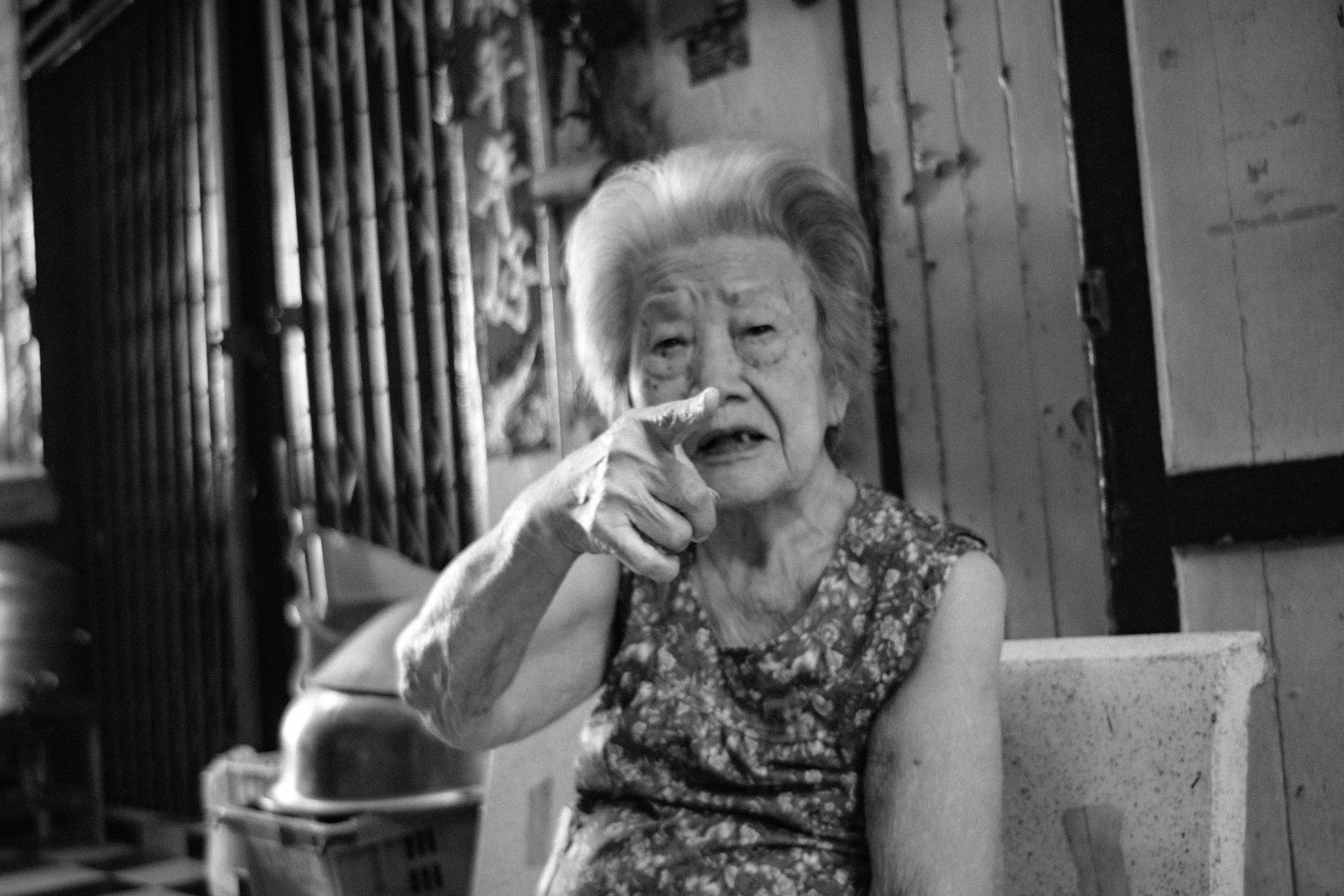
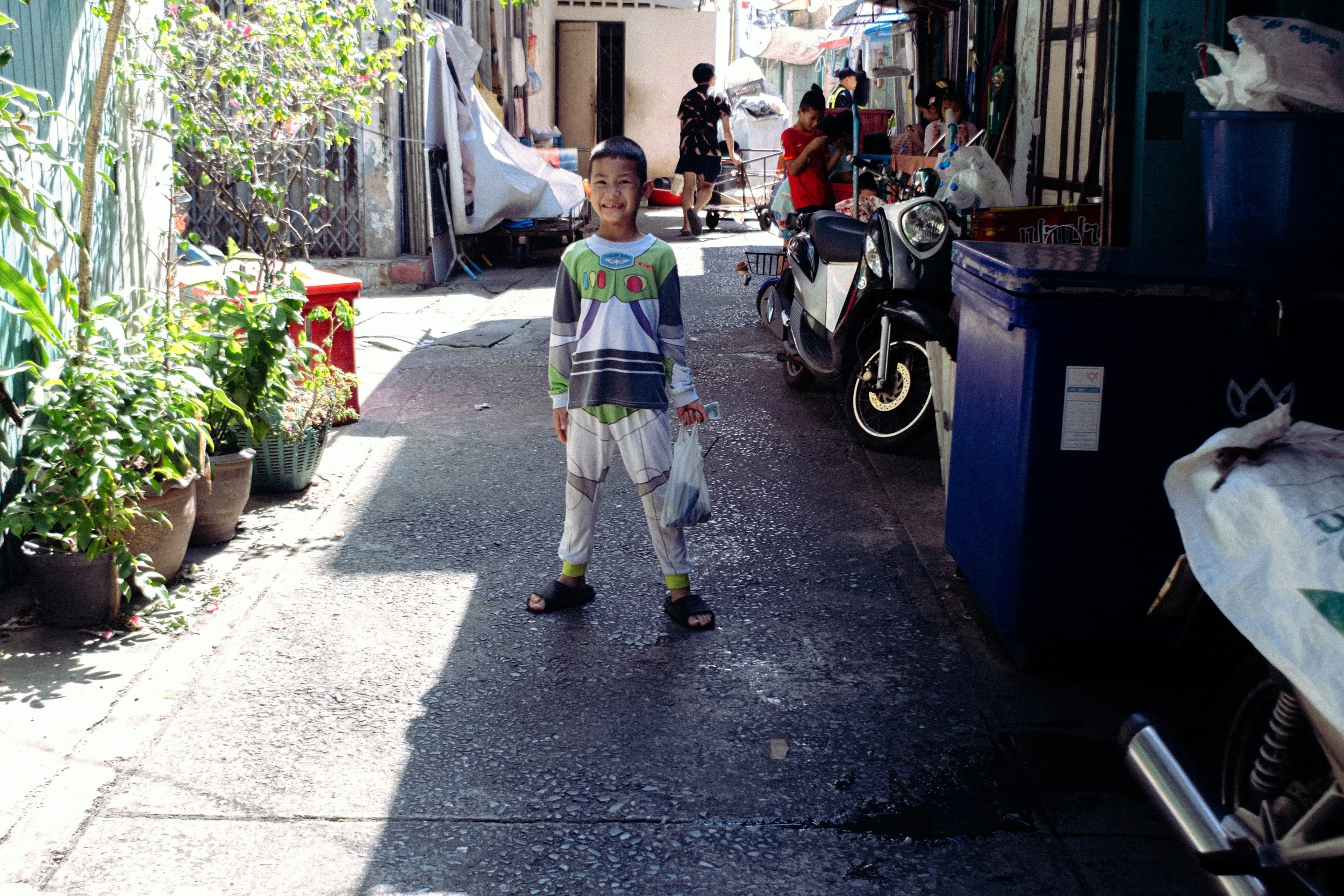
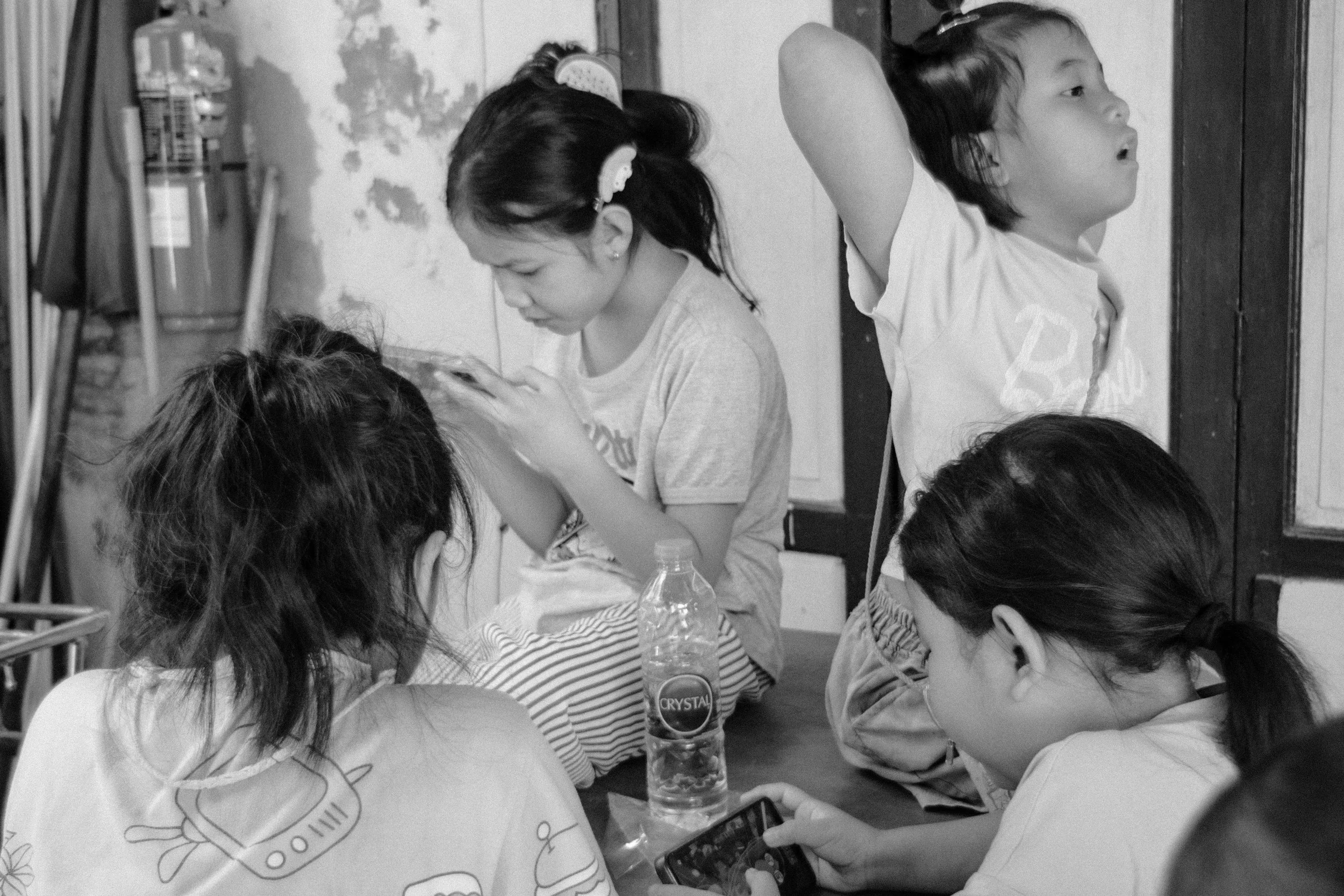
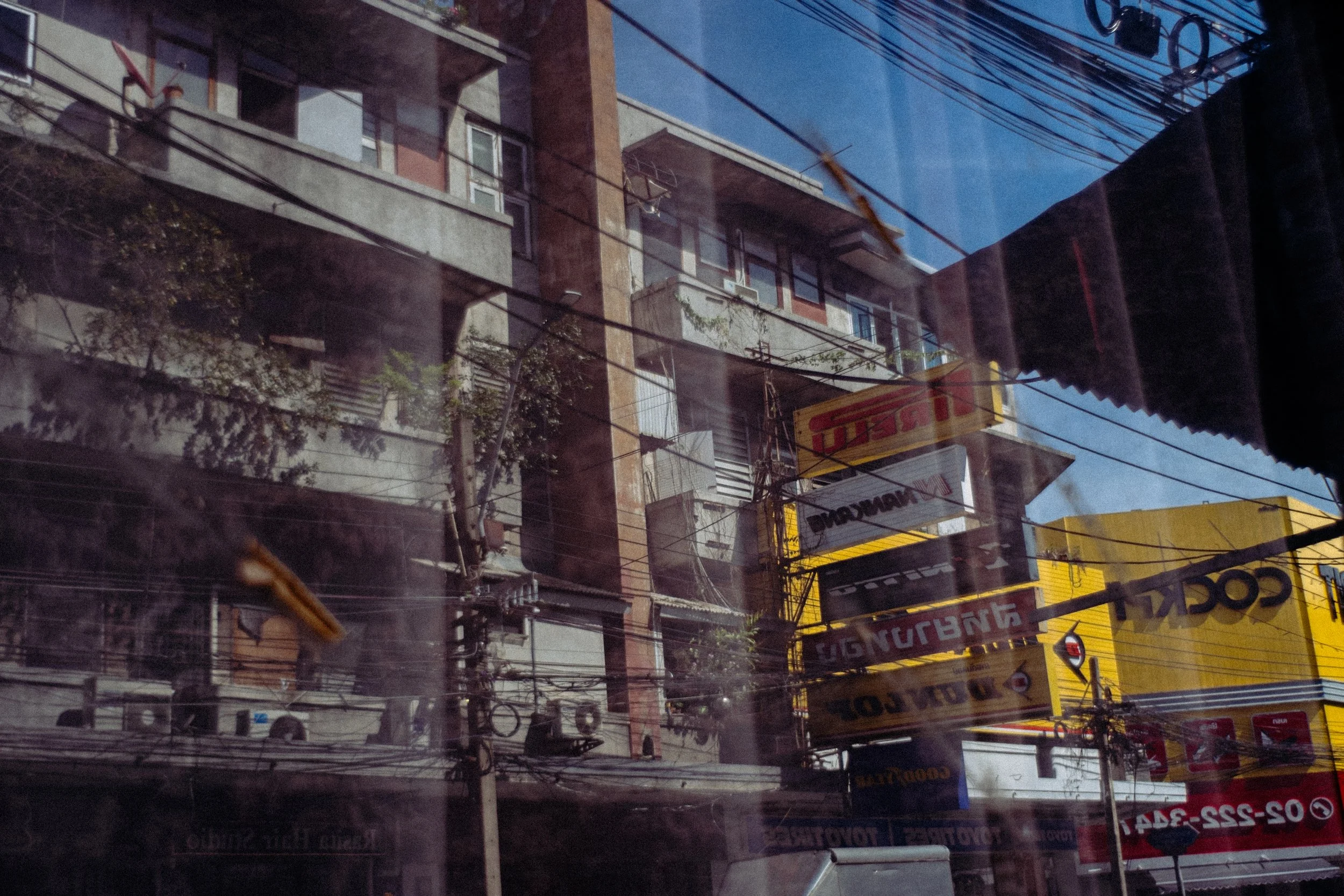
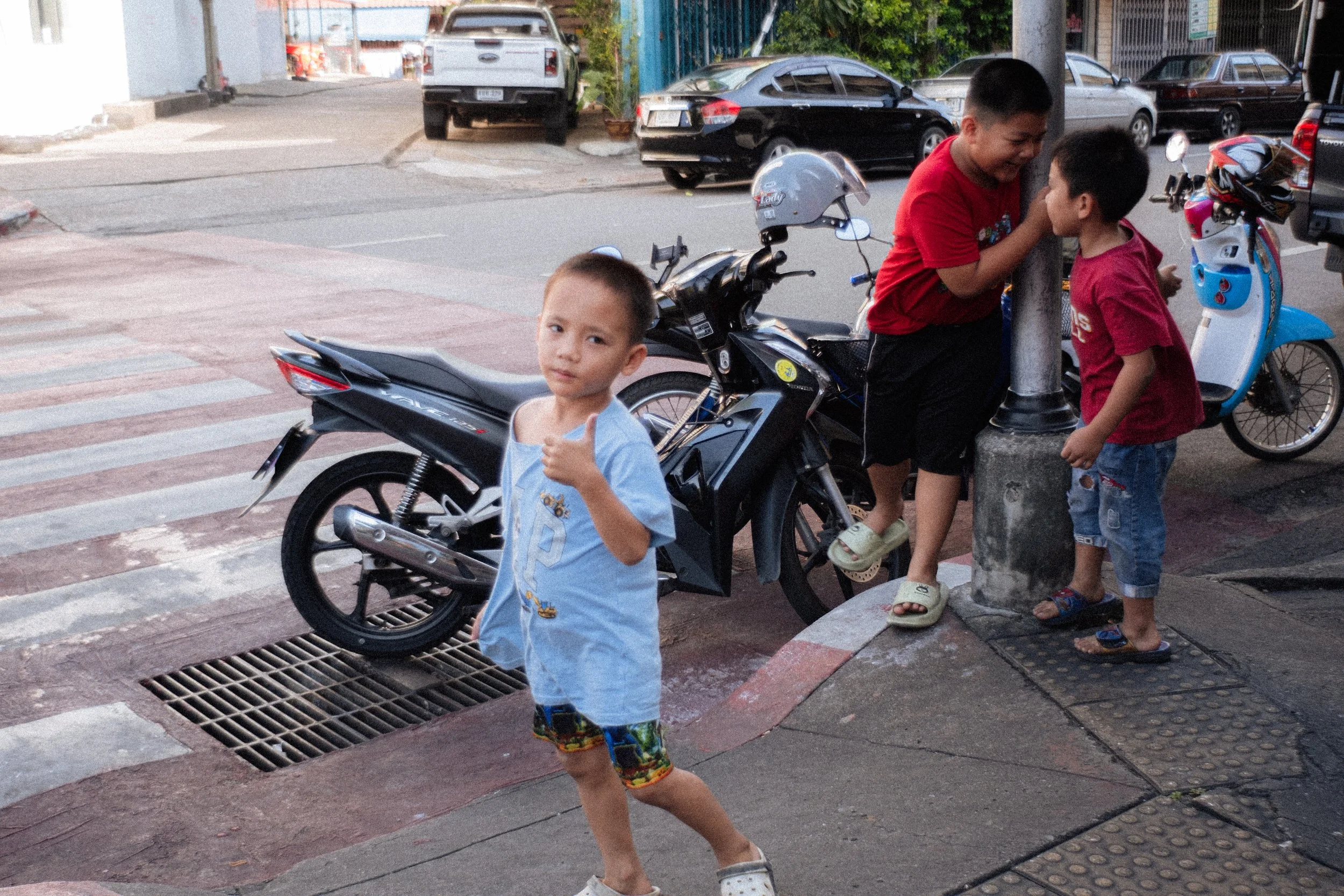
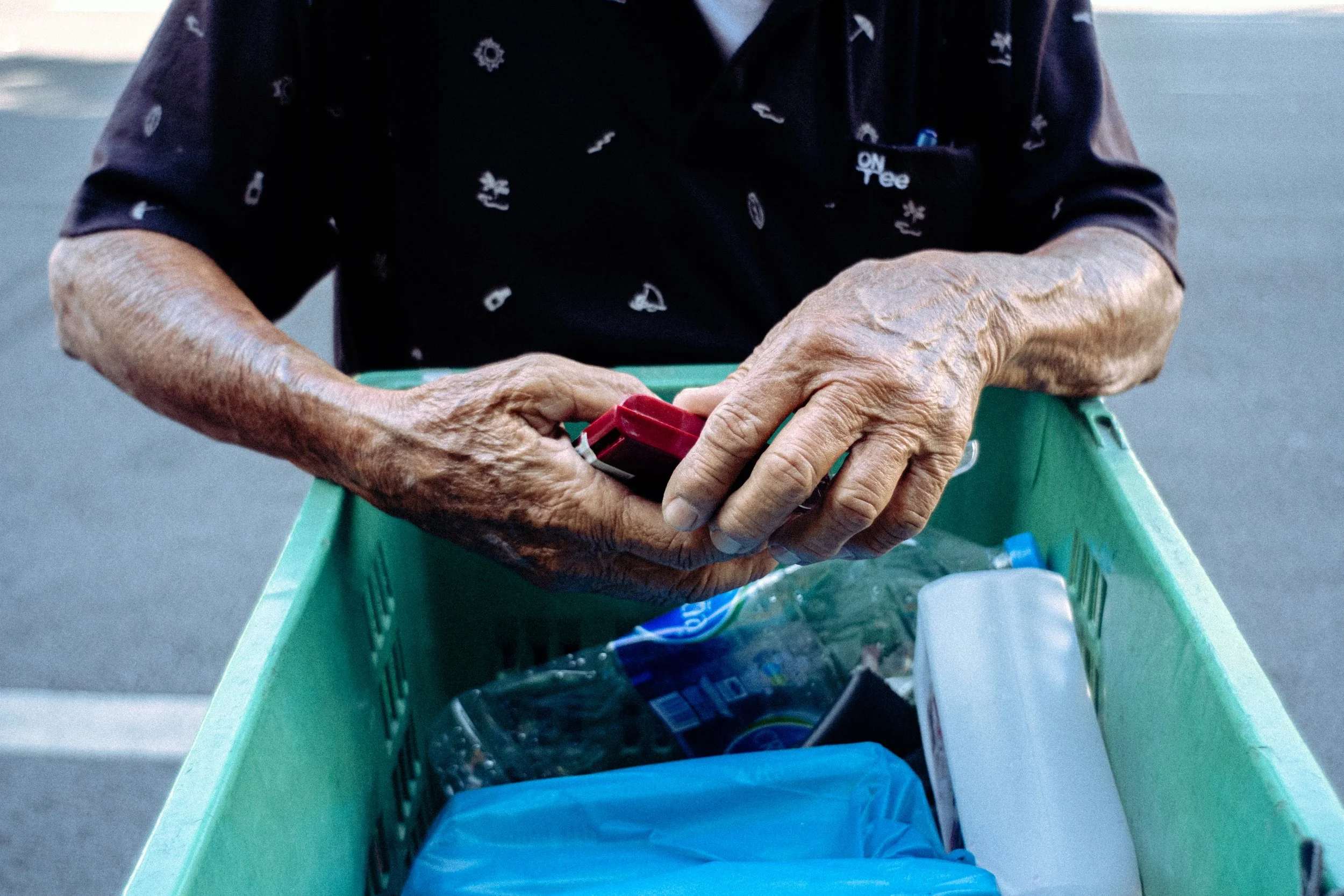
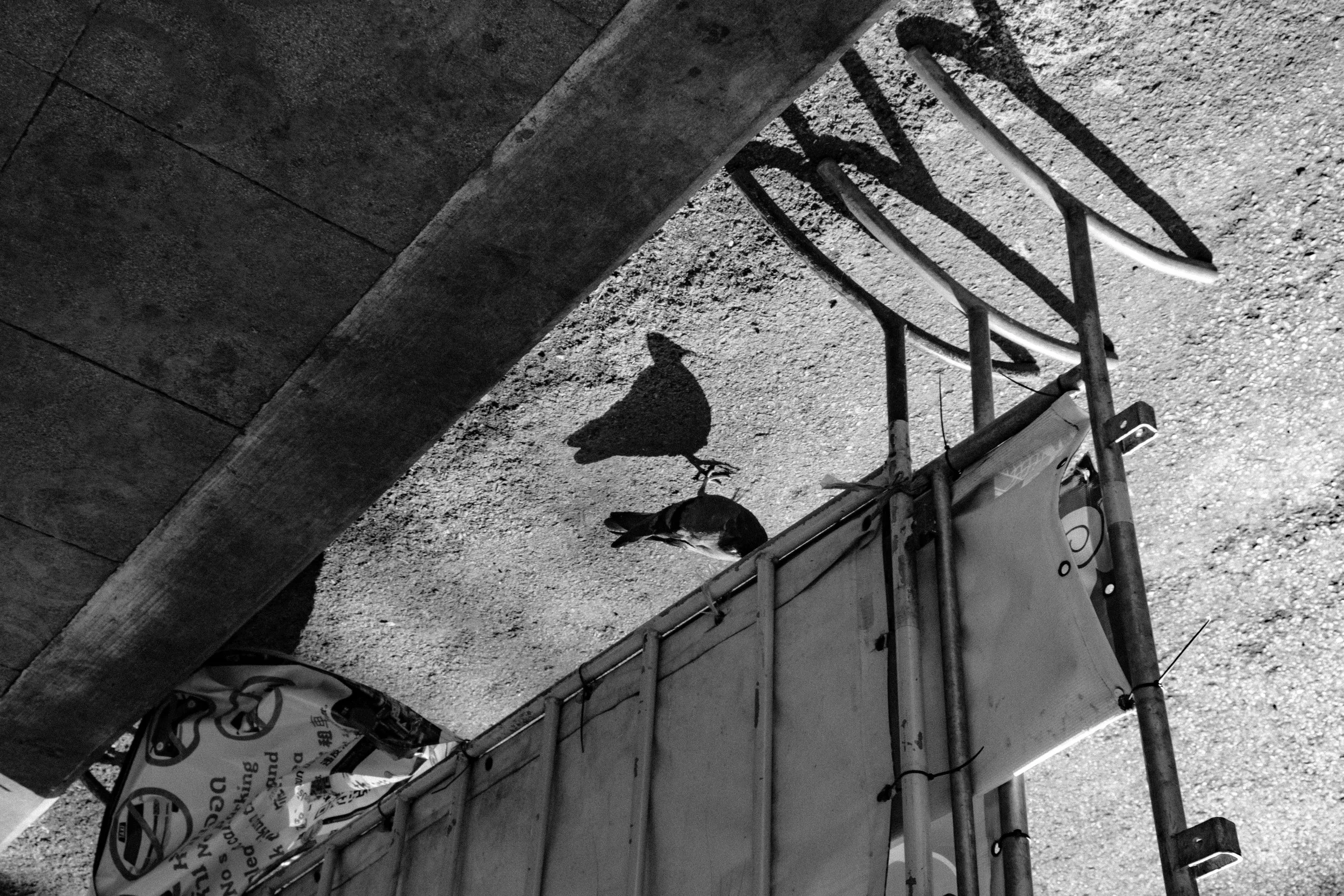
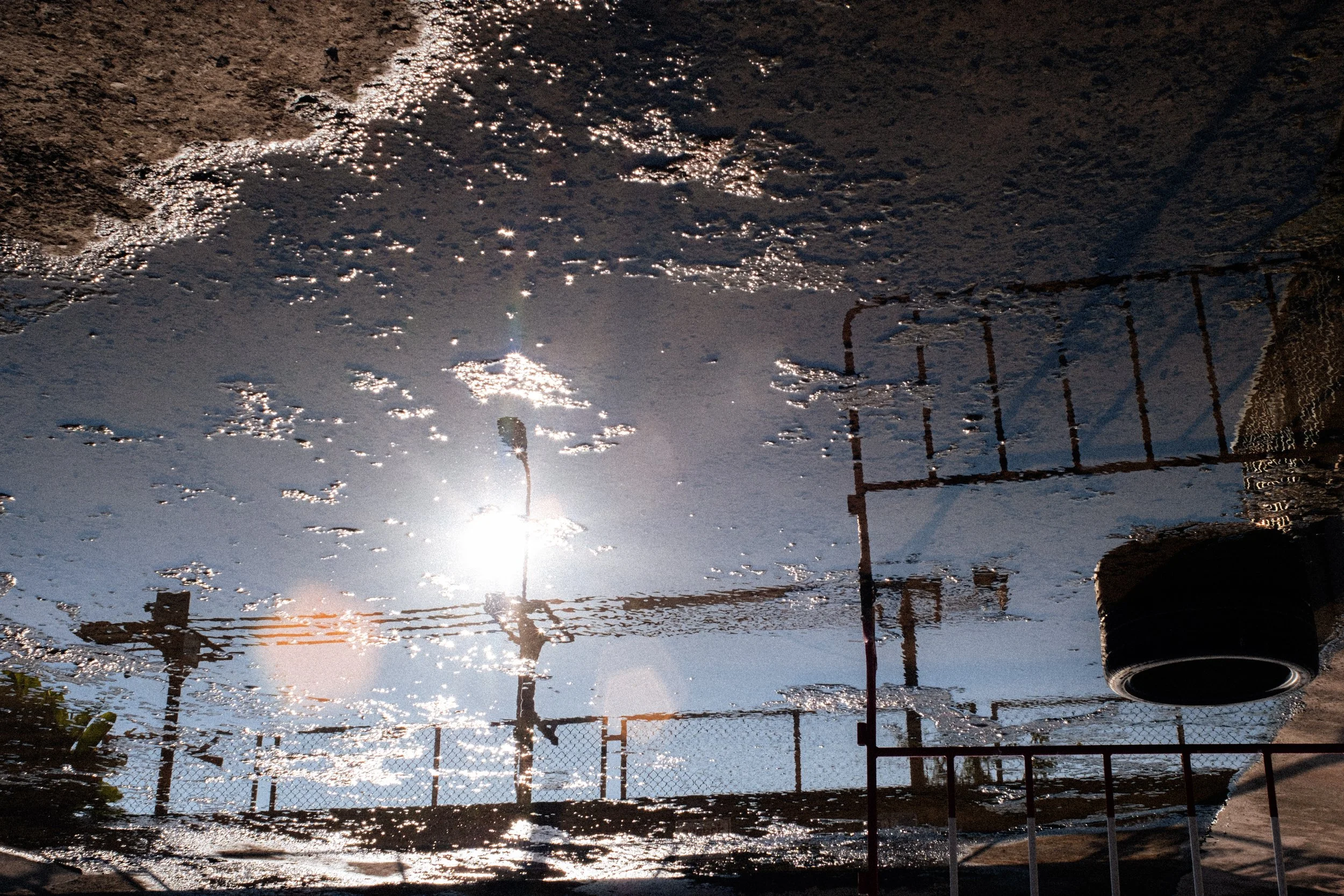
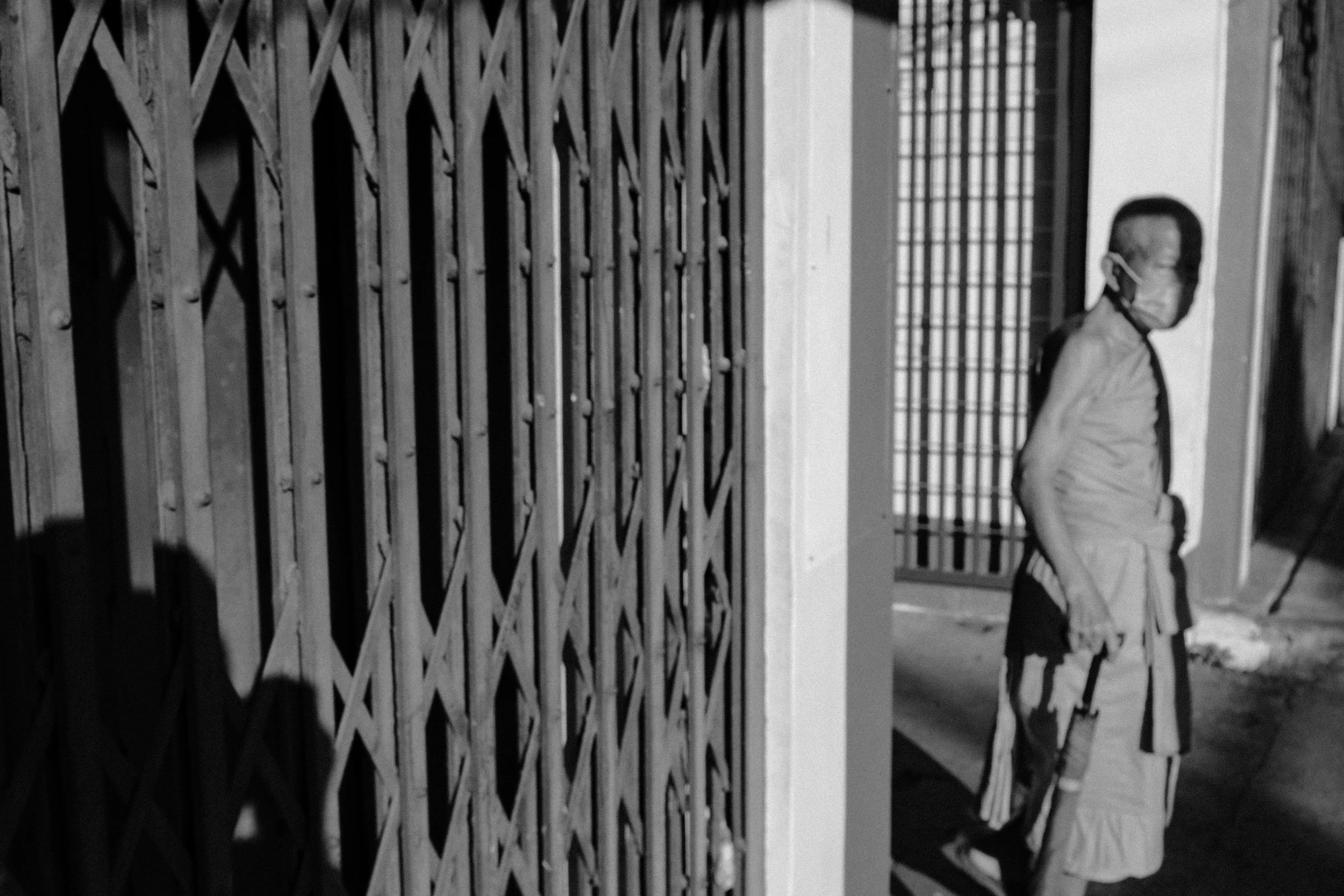
At the same time, the 75mm is one of the focal lengths I use the most, but there were moments where it even felt too “wide” for what I had in mind. I wanted something more extreme. Something that would push me further.
And that’s exactly what the 90mm gave me.
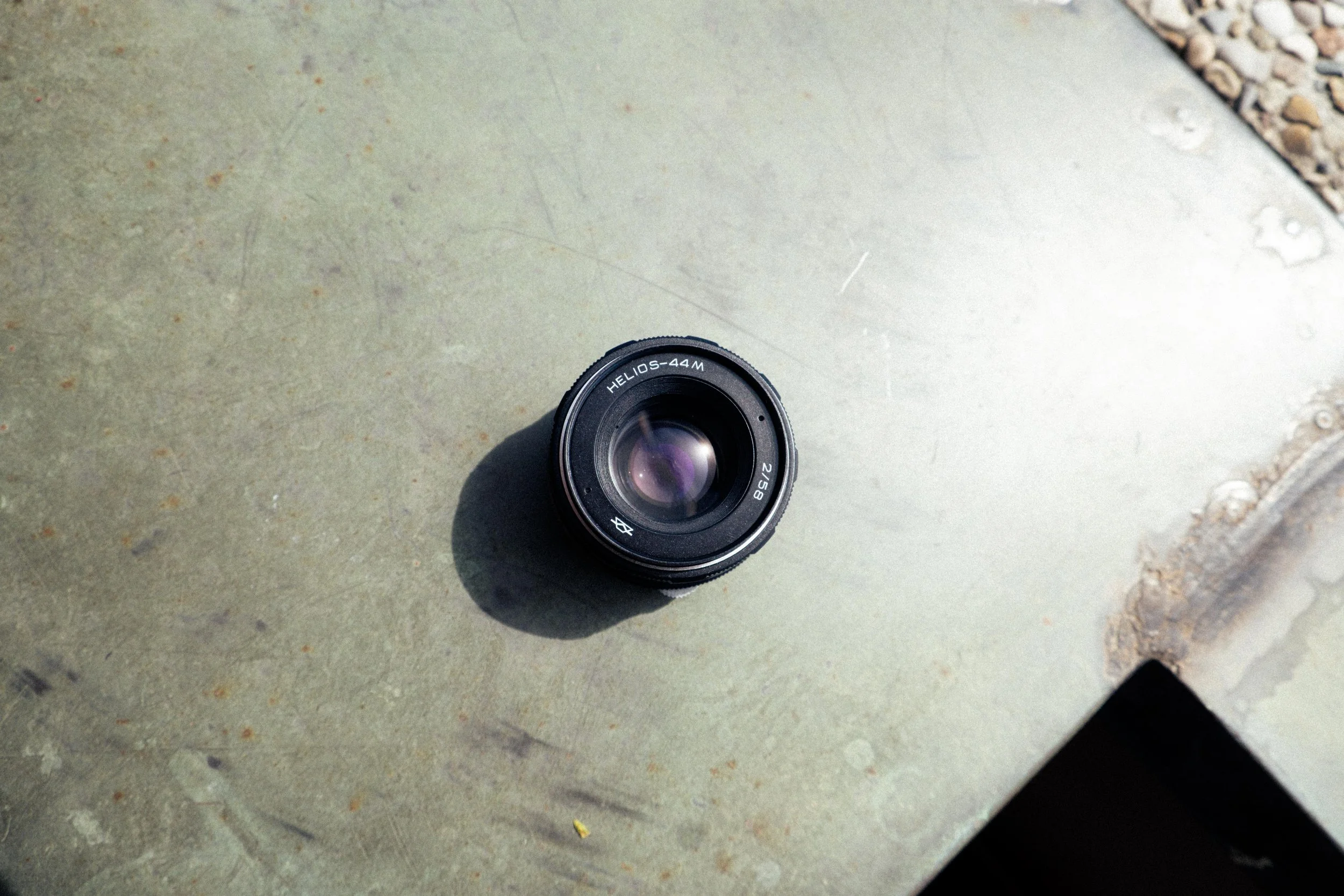
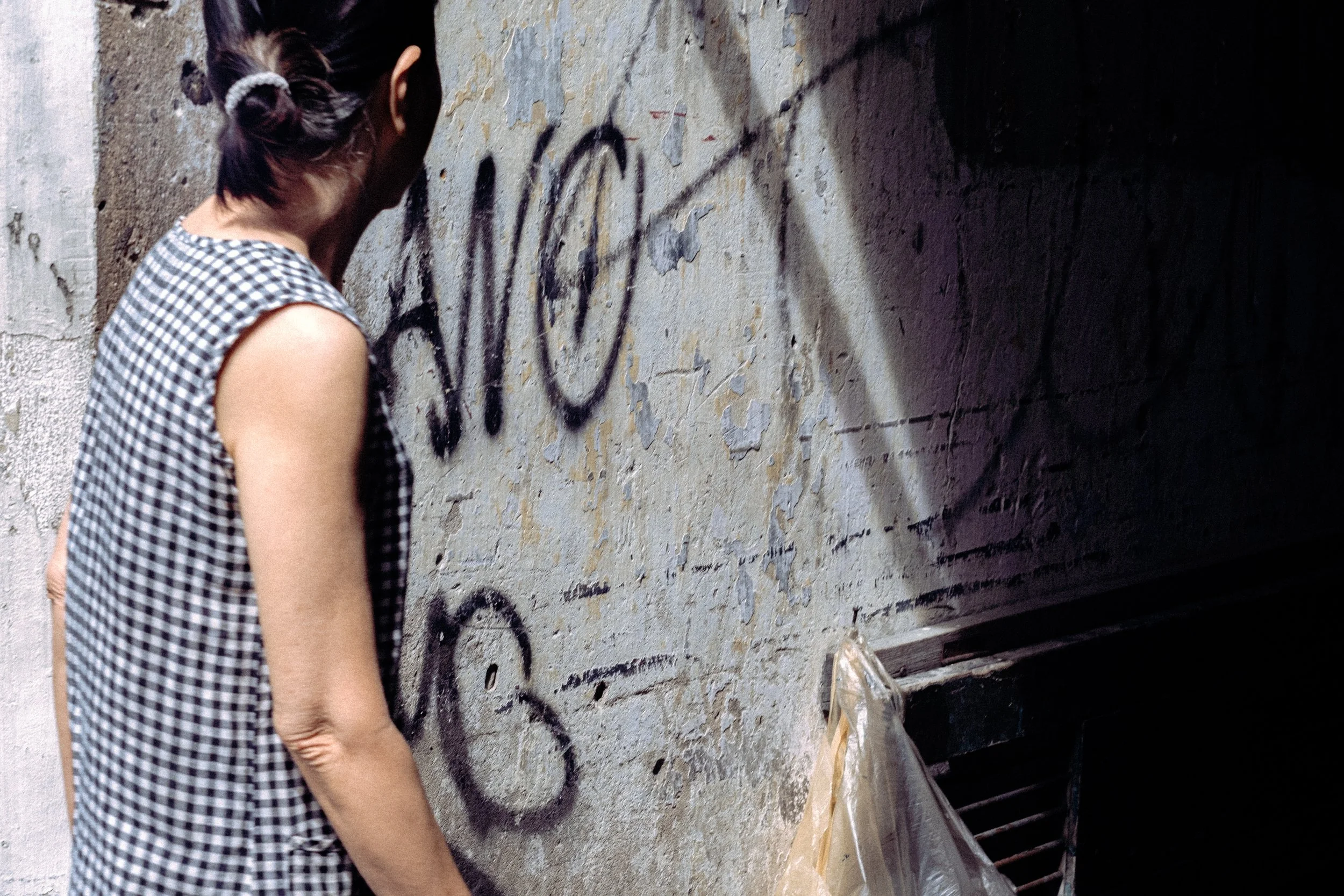

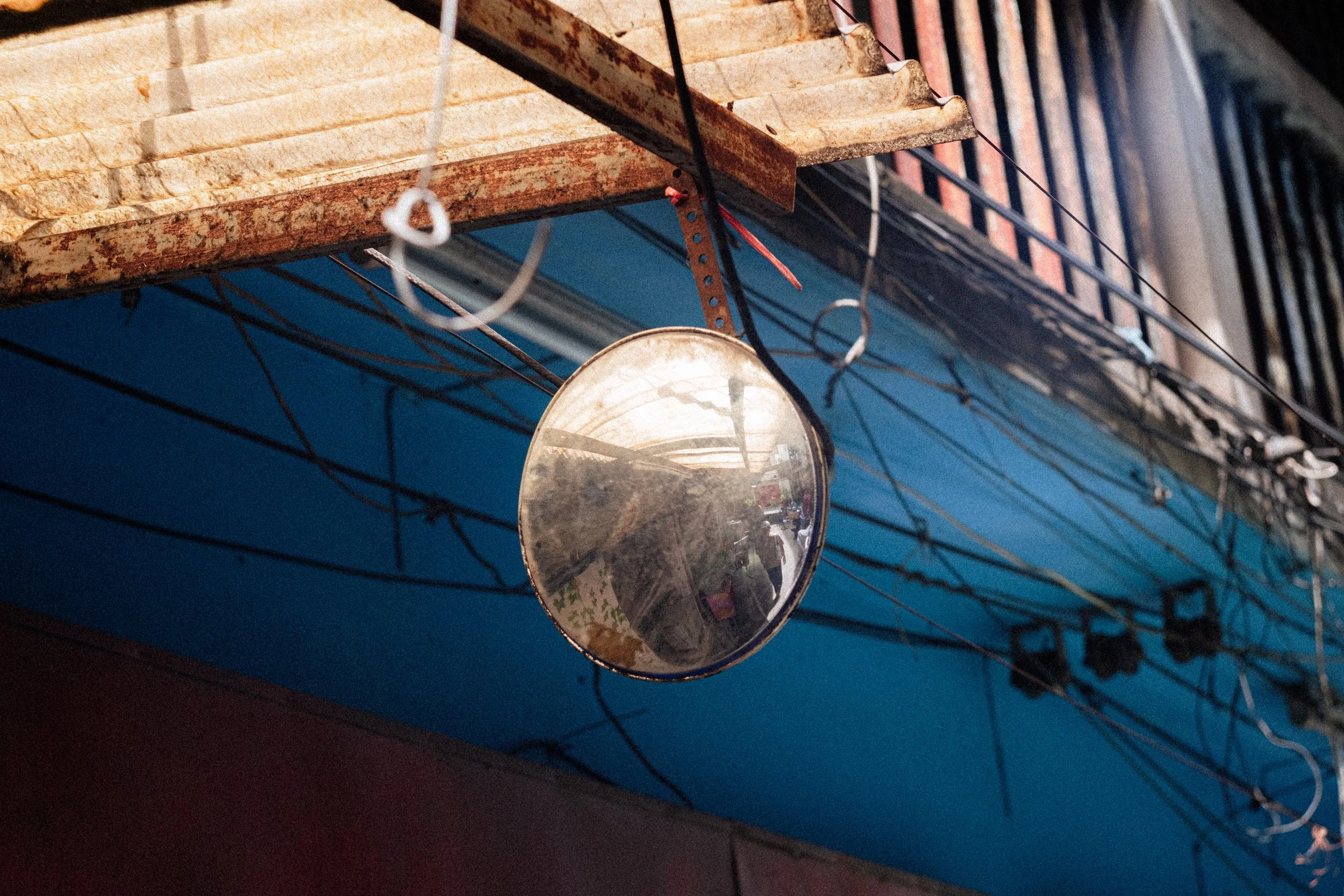
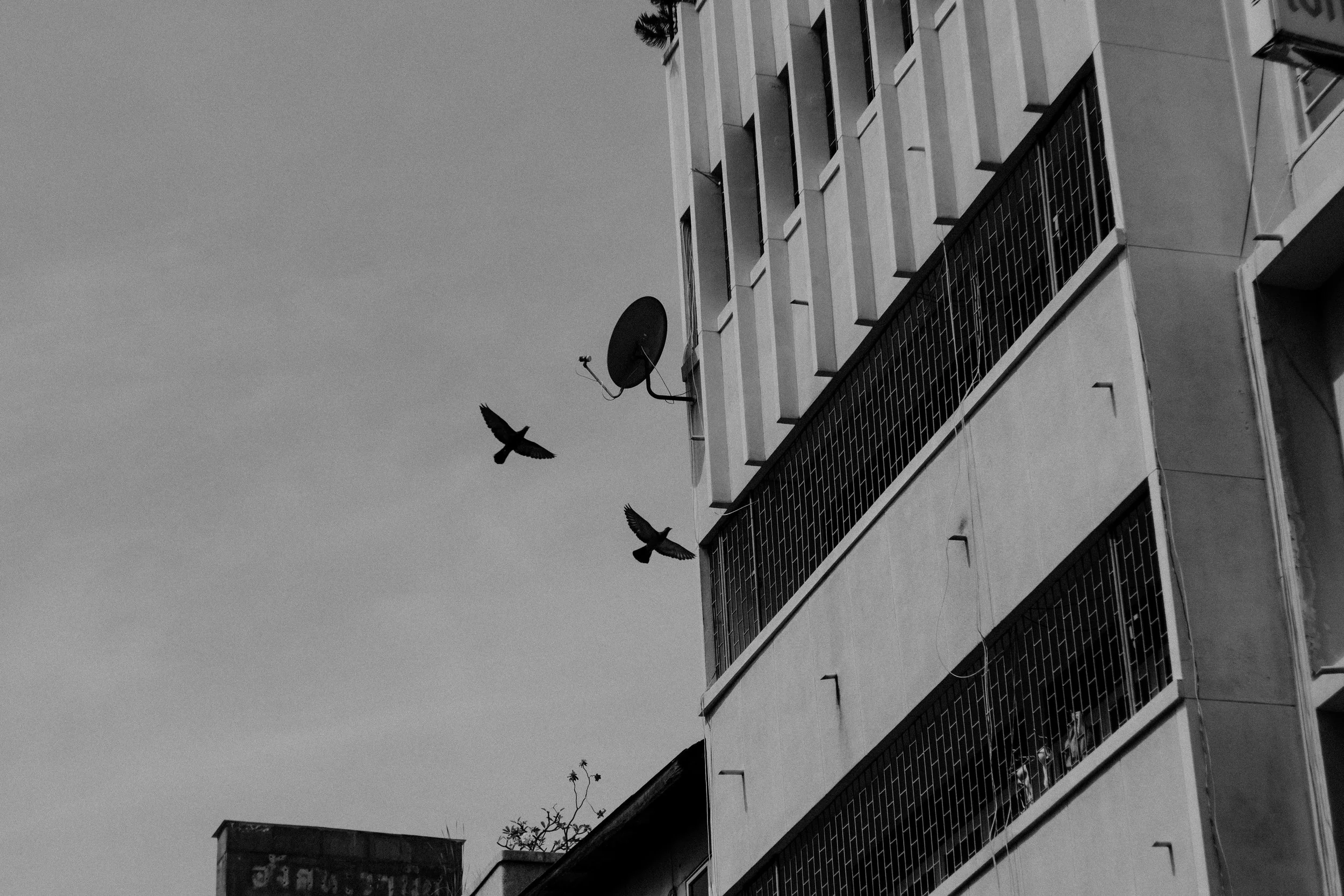
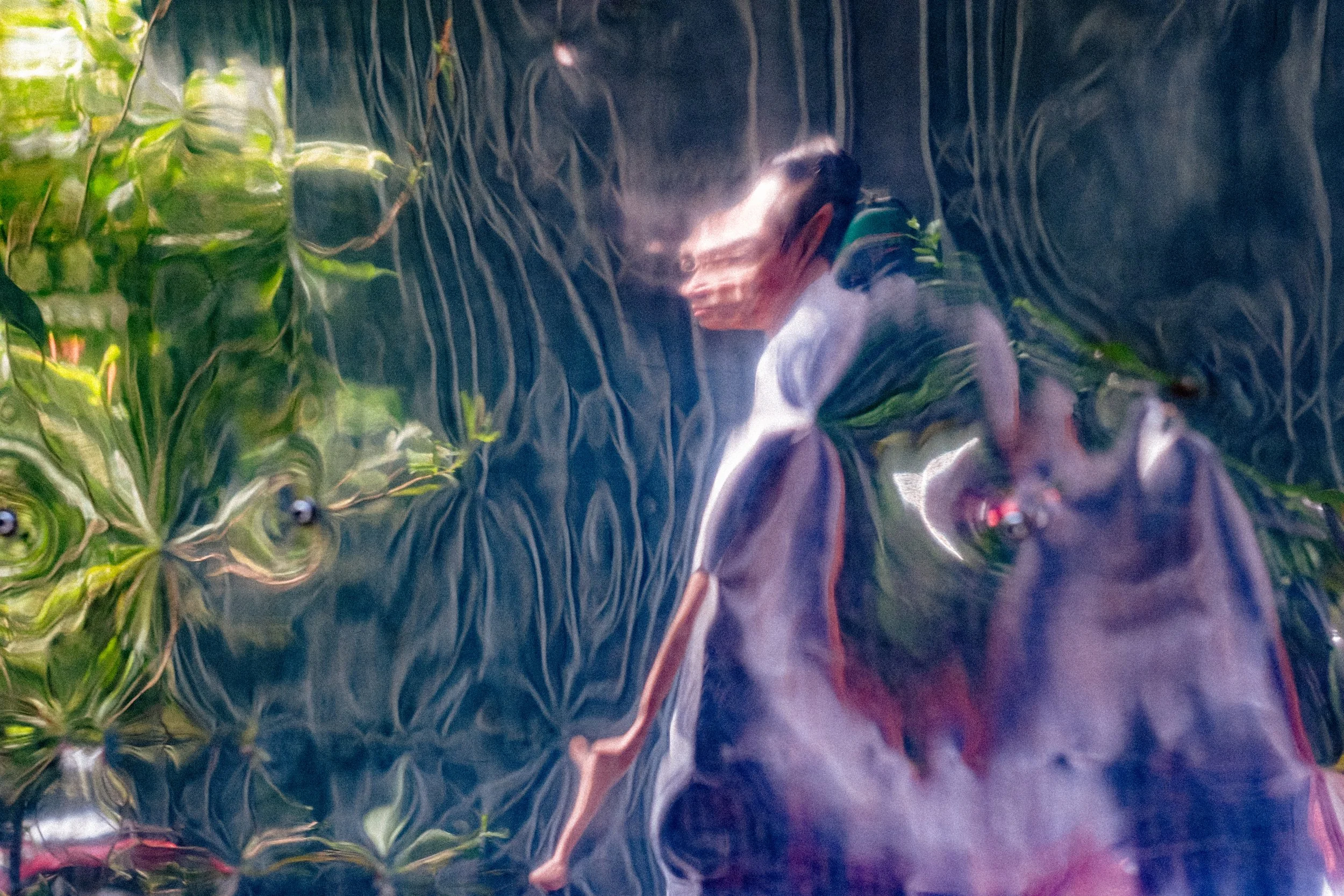
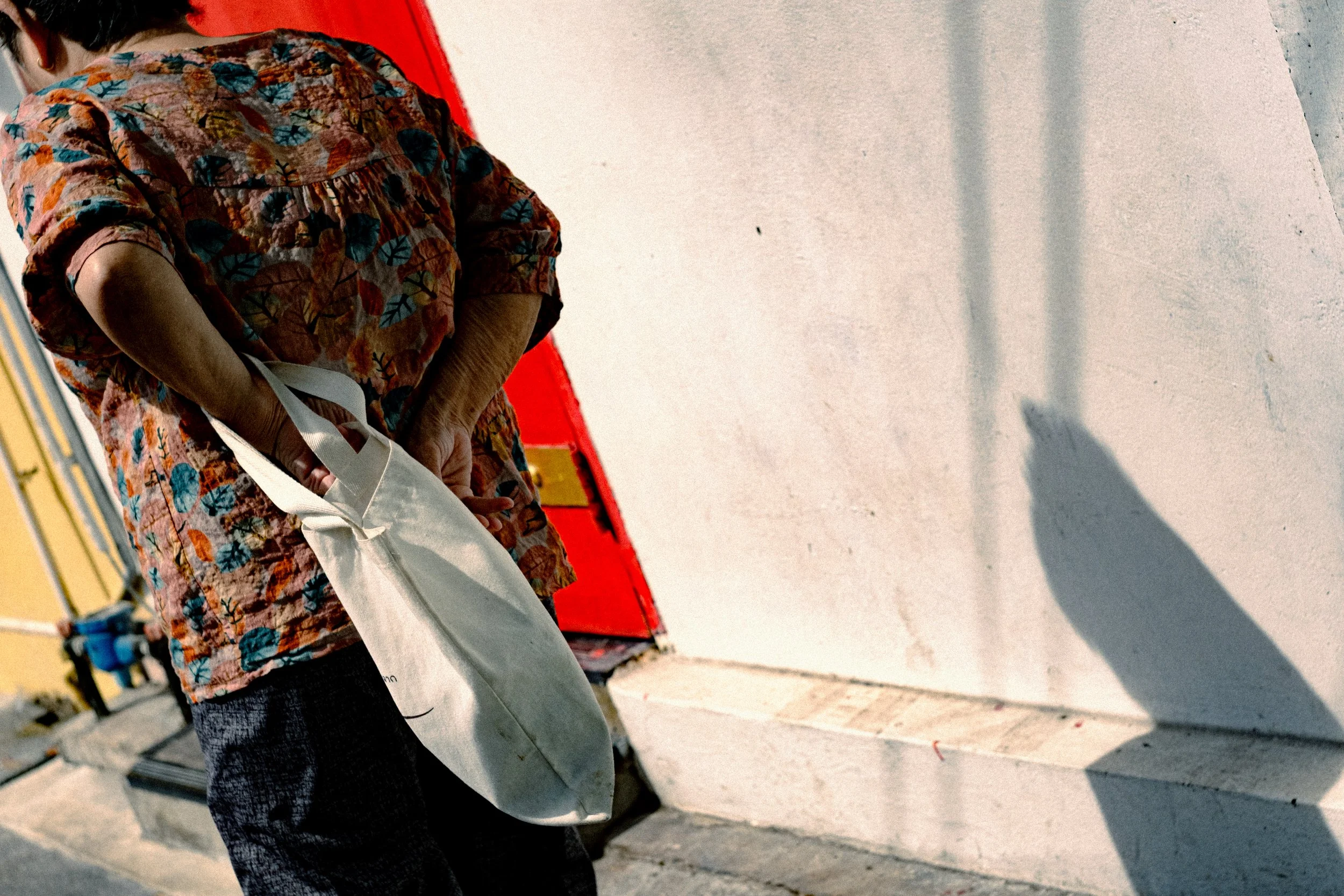
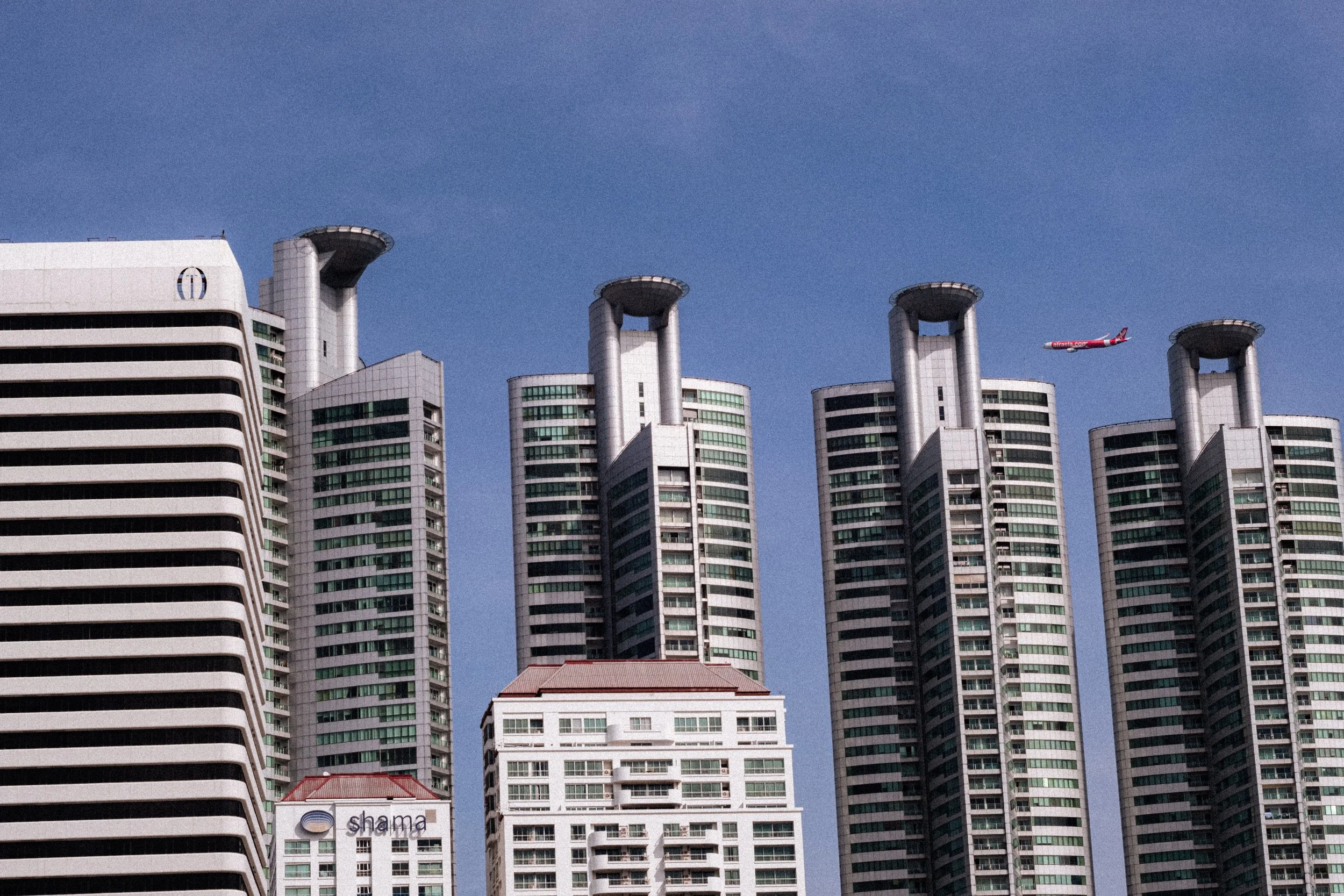
At this point, it’s become normal for me to go out with just a couple of vintage lenses and work with whatever they give me.
The process is slower.
Less precise.
More imperfect.
But it does something that modern gear rarely does.
It makes me present.
It makes me part of the moment I’m living, instead of just documenting it.
The more time passes, the less I enjoy shooting with fully automatic lenses and cameras that cost thousands and do too much of the work for you.
Photography, to me, shouldn’t just be about the final image.
It should be an excuse to go outside.
To be around people.
To observe them, understand their habits, their rhythms.
And not forget about ourselves in the process.
Because we are part of that same world we’re trying to capture.
And sometimes, with gear that’s too perfect, too efficient…
I almost forgot that.
This blog will always remain ad-free.
If you enjoy my blog and would like to support my work, consider leaving a tip or visiting my shop, where you'll find my personal Lightroom presets, zines & camera guides.
Every bit of support goes directly back into creating new photography content, including YouTube videos, blog posts, camera guides, and, of course, more presets and zines, with the occasional freebie for everyone along the way.
Thank you for reading. <3
I created this guide to share my personal approach to street photography with the Fujifilm X-E4, breaking down the essence of how I use this camera and showing the settings that I consider truly essential, as well as the ones I believe can be ignored in order to achieve a faster, simpler and more intuitive shooting experience.
This was my first Fujifilm camera, and probably the only one I will never get rid of. I have dedicated a video and a blog post to explaining why, as well as another video and blog post where I go through the accessories that made this camera so versatile that it became the only Fujifilm camera that has truly convinced me so far.
Before we begin, there is something important to clarify.
This is not meant to be a complete Fujifilm X-E4 manual.
The settings I will show you are not necessarily the ones that will perfectly match your style, habits, or creative process.
They are simply the choices that, after spending a significant amount of time with this camera, have become essential to my own workflow.
Think of this as a personal recipe rather than a universal instruction manual.
Take what works for you, ignore what does not.
⚠️ As this is a digital product, refunds are not available. However, if you have any questions or experience any issues with your purchase, feel free to email me at karisma.business.inquiries@gmail.com. I'll get back to you as soon as possible!
🌱 Thank you for considering a purchase. Every bit of support goes directly back into creating new photography content, including YouTube videos, blog posts, camera guides, and, of course, more presets and zines, with the occasional freebie for everyone along the way.
I genuinely appreciate your support. Thank you for being part of the journey.