My $1,000 Photography/Videography Setup
Note: This post contains affiliate links. Purchases made through them may earn me a small commission at no extra cost to you, helping support the blog and future photography content.
Thank You!
The Gear Overload
During a one-month trip across Asia, I found myself carrying quite a lot of equipment:
X-E4 with my main prime lenses (50mm and 75mm equivalent)
Ricoh GR III for the 28mm
Lumix G80 for more cinematic footage
And of course, a dji osmo action 5 pro for the pov section of my videos.
It worked, but it wasn’t sustainable.
Thailand with its 90% humidity is not exactly the easiest environment to deal with when you’re carrying all that weight from morning to night.
On top of that, there’s another practical limitation when I’m traveling.
I live in Europe, and I’m lucky enough to find very cheap flights between European cities. Sometimes even under €60 round trip. But that’s only possible if you travel with carry-on luggage.
Adding a checked bag often costs around €30… which is basically another trip.
So everything, both gear and clothes, has to fit into a single backpack.
With that setup? Impossible.
The need for a “One Man Army”
I needed a setup that could do it all.
A camera with in body image stabilization (which the X-E4 unfortunately doesn’t have)
And a camera preferably within the Fujifilm ecosystem, since I already have a couple of primes and vintage lenses to adapt.
That’s when I found a well-used Fujifilm X-T4 at a great price. It cost me around 720 dollars, but the camera body had visible signs of use. No big issues tho, since it worked perfectly fine. That alone solved the stabilization issue.
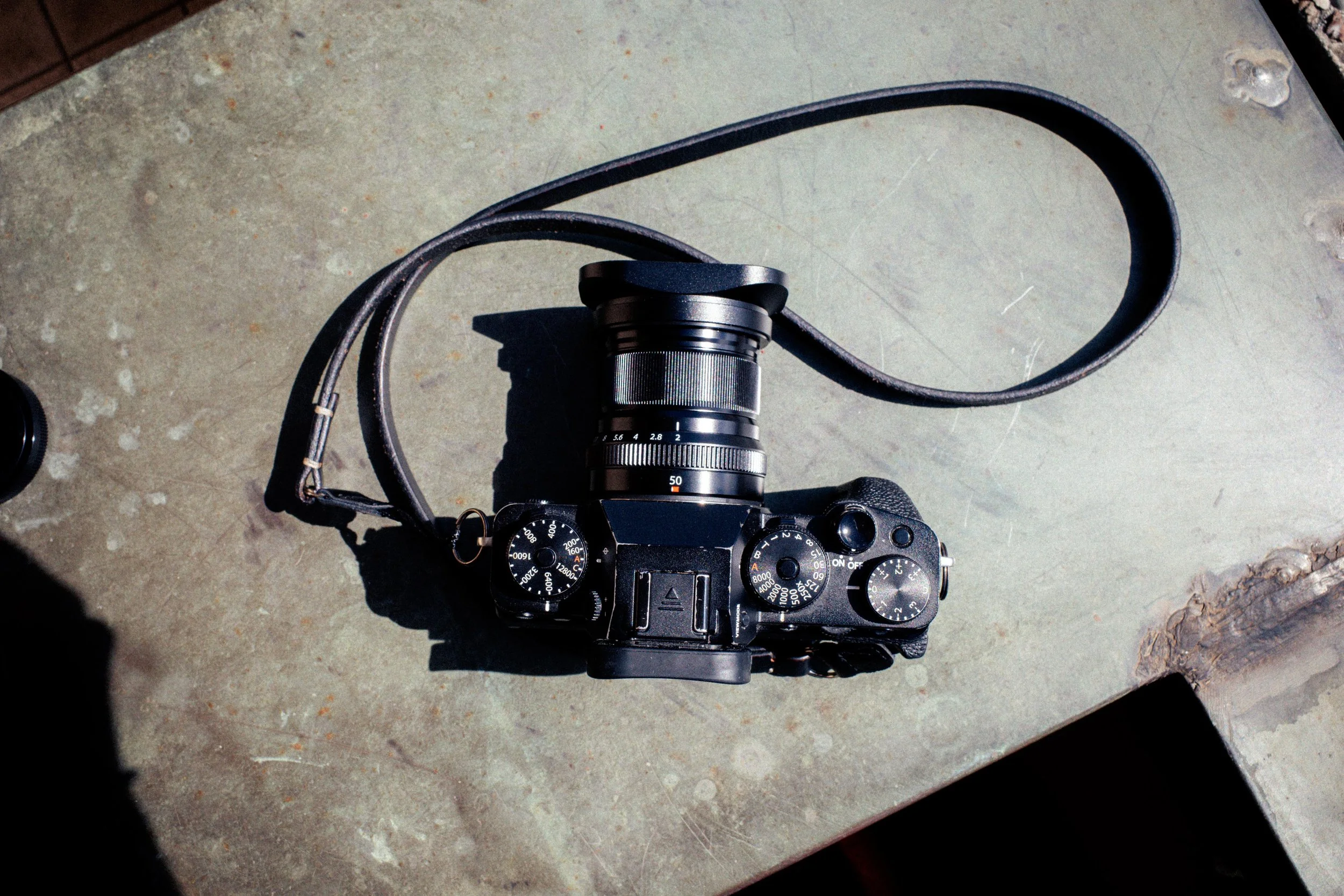
The X-T4. Purchase it here → AMAZON
But another question came up.
How can I replace all of the gear I previously mentioned with just a single camera body?
The obvious answer: a zoom lens
After some research, I landed on the Fujinon XF 18-55mm f/2.8-4 R LM OIS.
A great compromise, that I got for around 280 dollars.
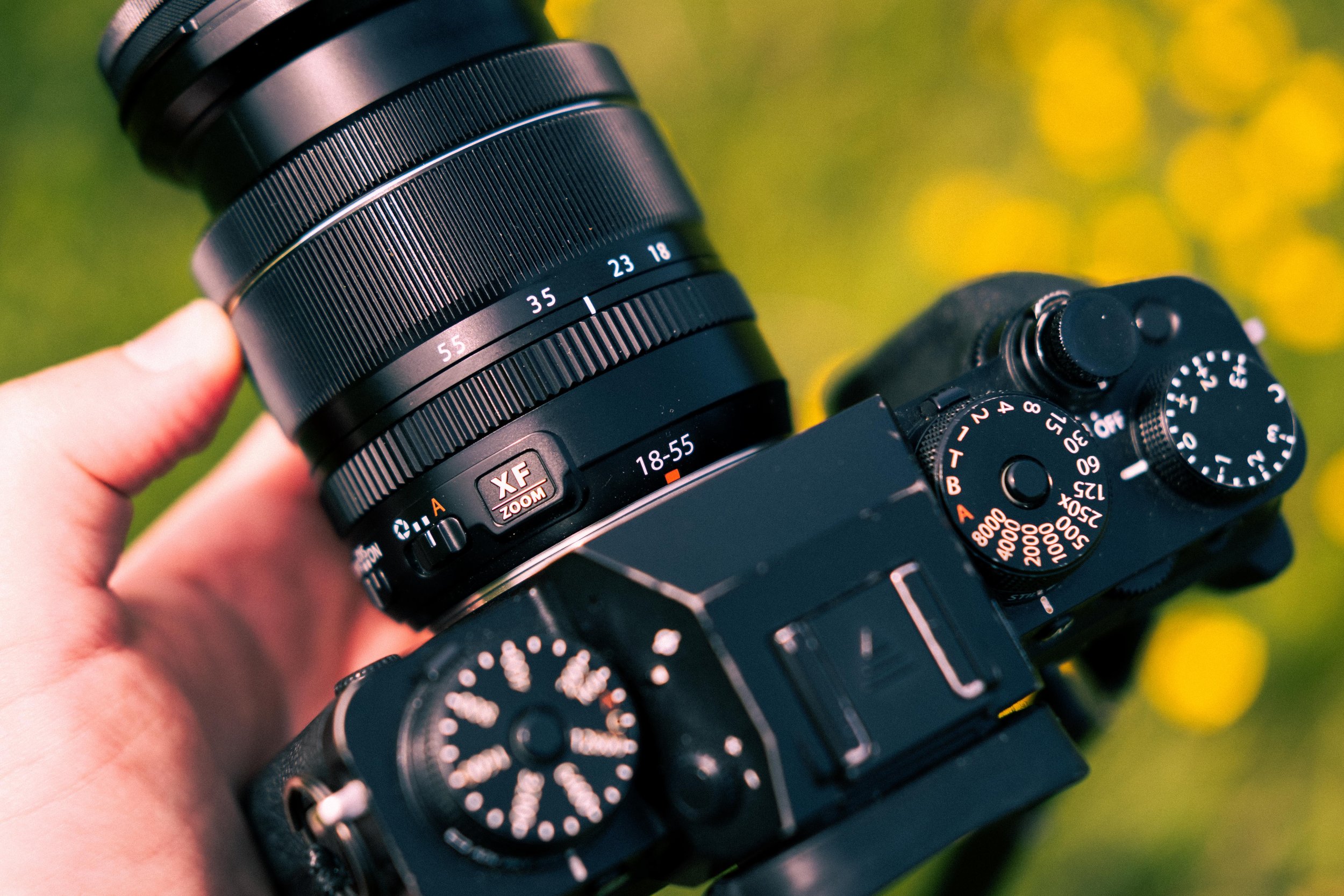
The lens. Purchase it here → AMAZON
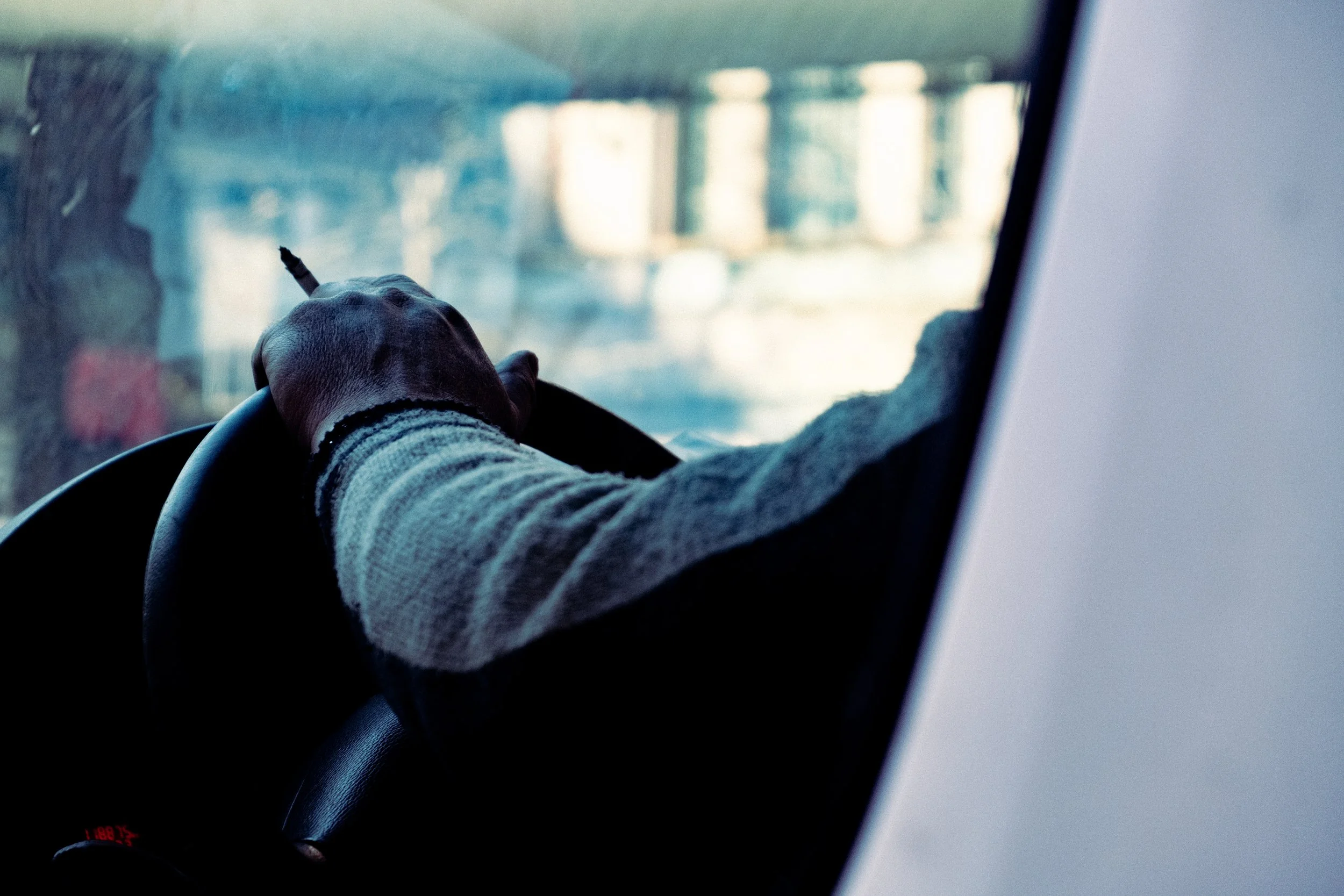
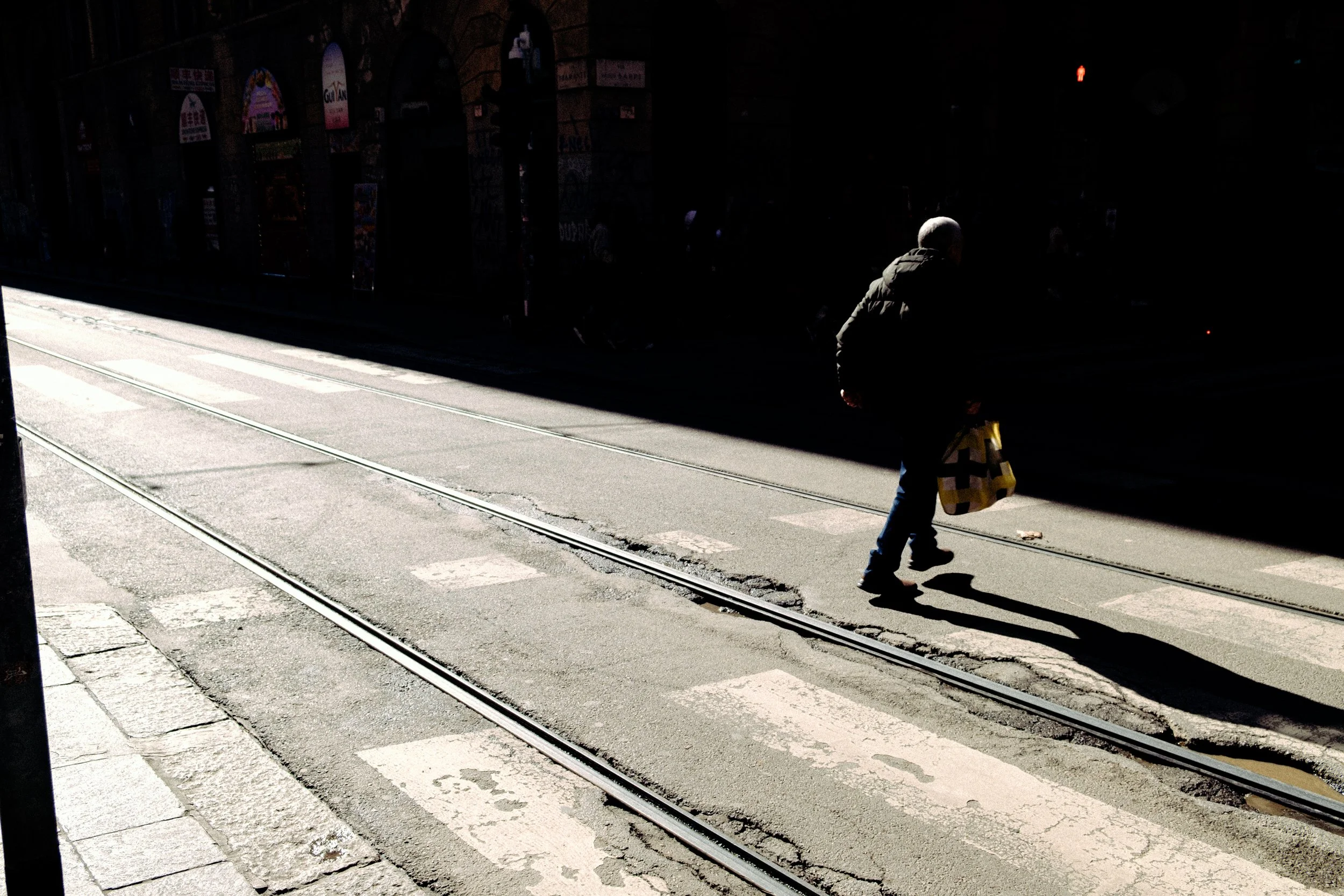
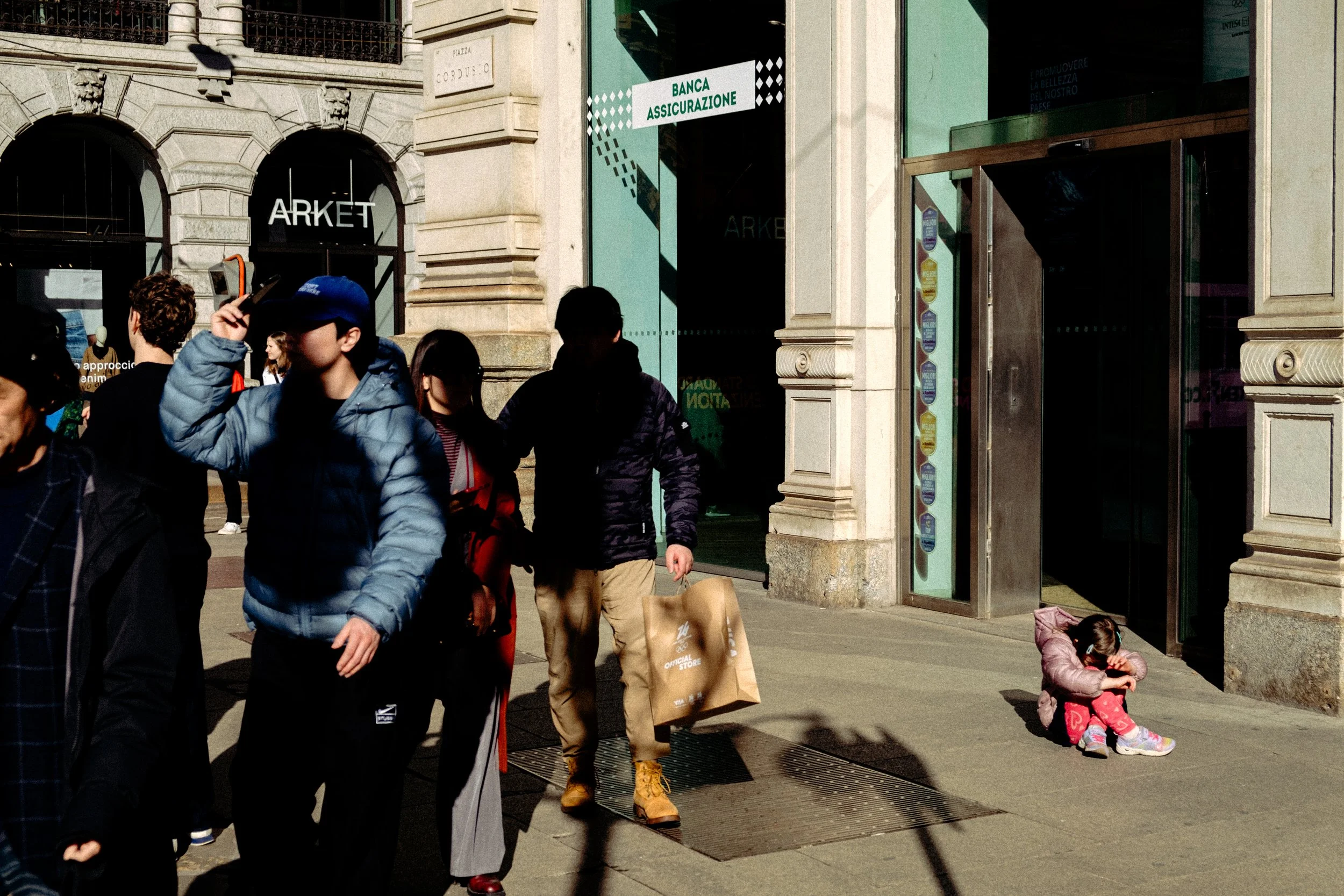
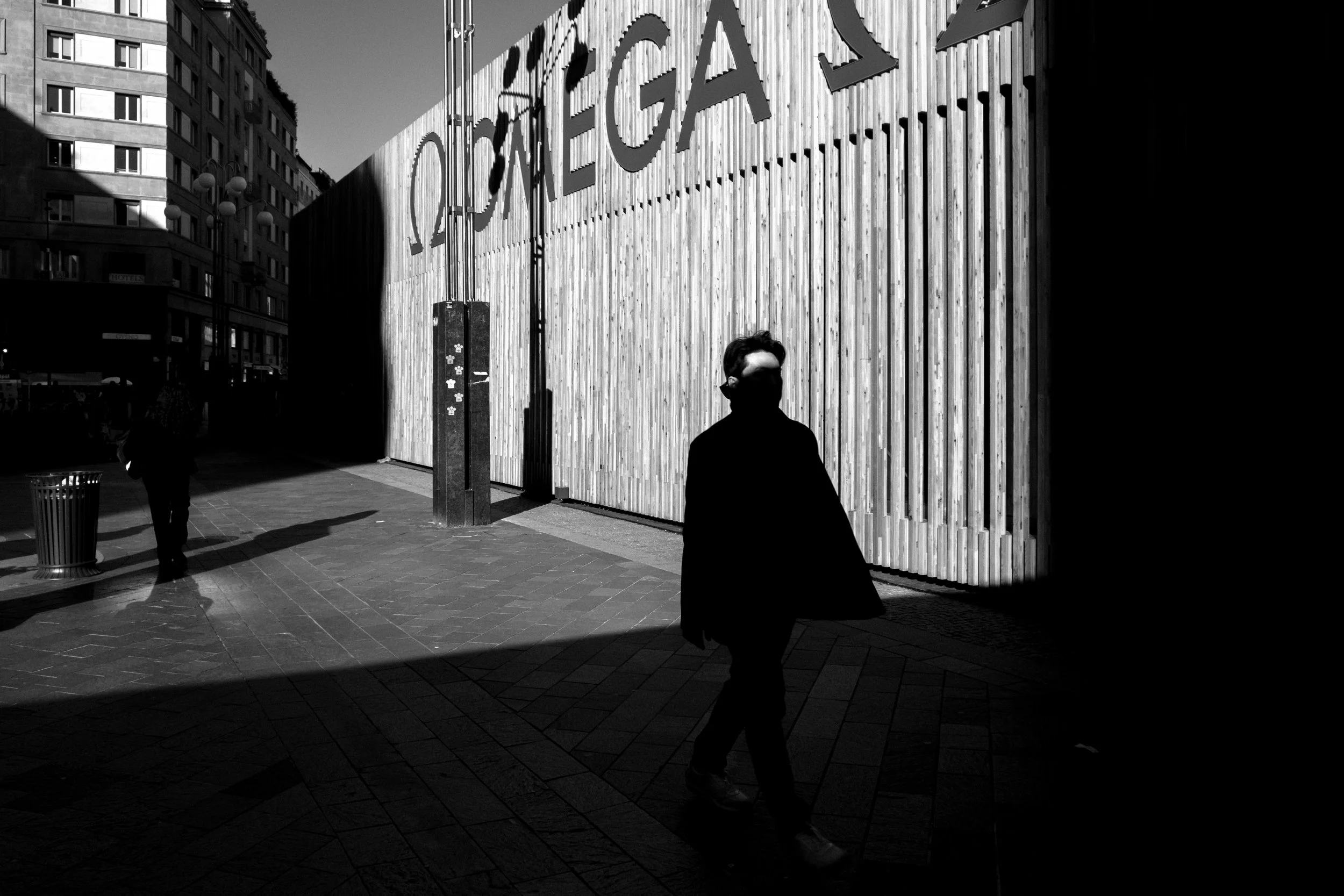
Below you’ll find some photos from my very first day using both the X-T4 and this lens.
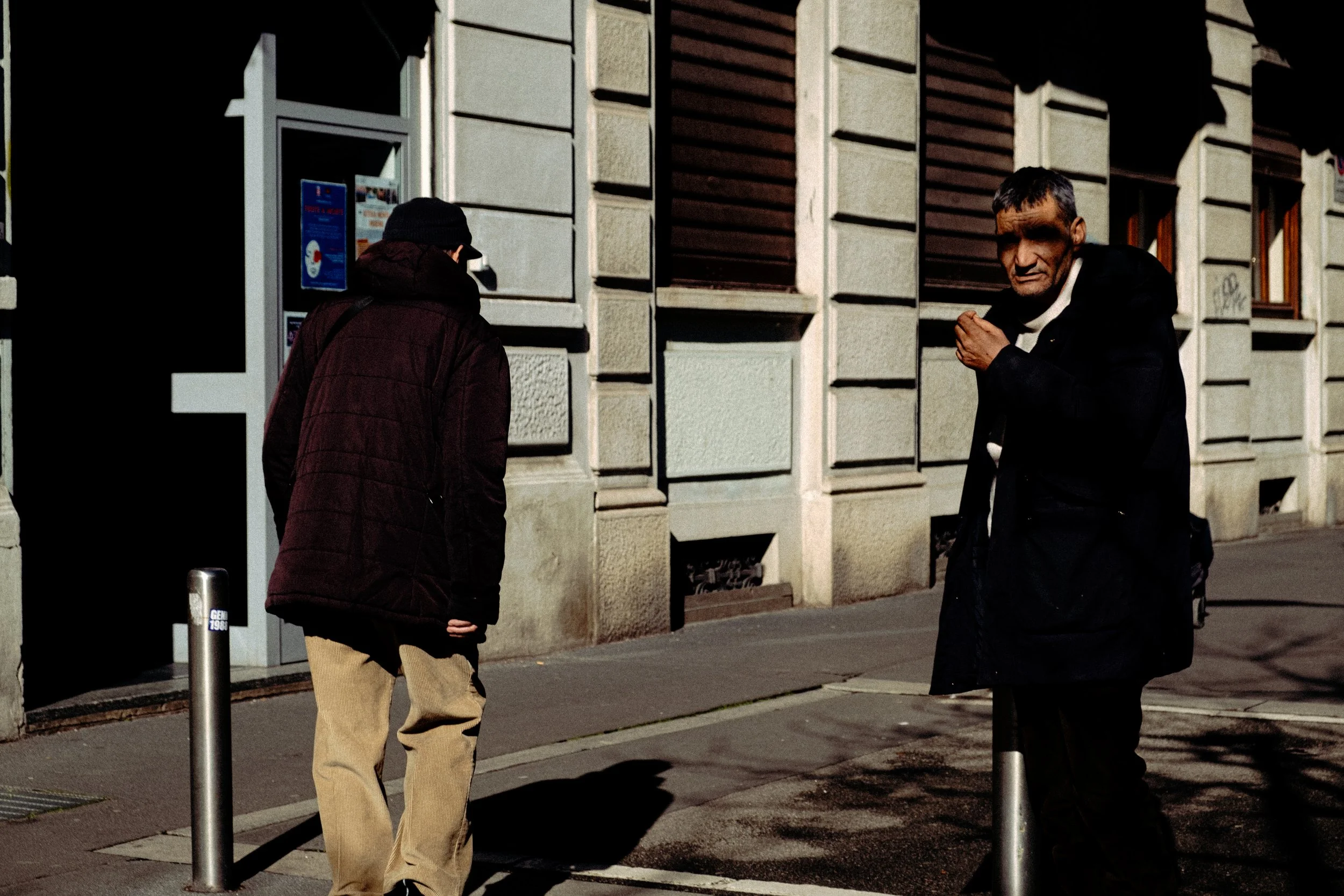
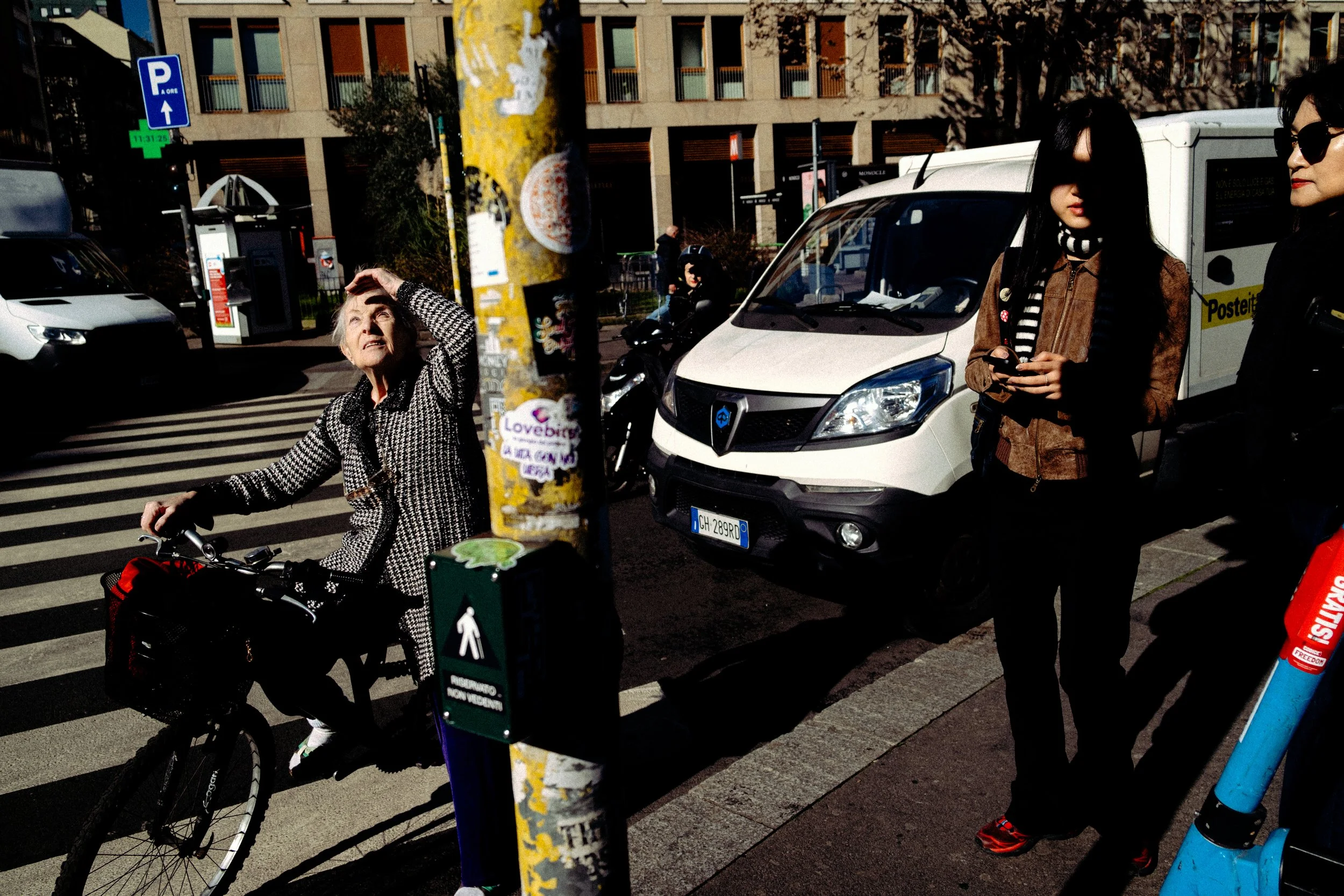
First impressions
Even though I had never used a zoom lens before, adapting was easier than expected. The only real habit to rewire was the lack of a physical aperture ring, something I was used to with prime lenses.
Nothing major though.
I mapped aperture control to one of the X-T4 dials, and with a bit of practice it became second nature.
Real-World Test!
Right after buying the camera, I had the perfect opportunity to test it.
Two events in Milan:
Carnival
A protest
A mix of chaos, movement, characters, and constantly changing scenes.
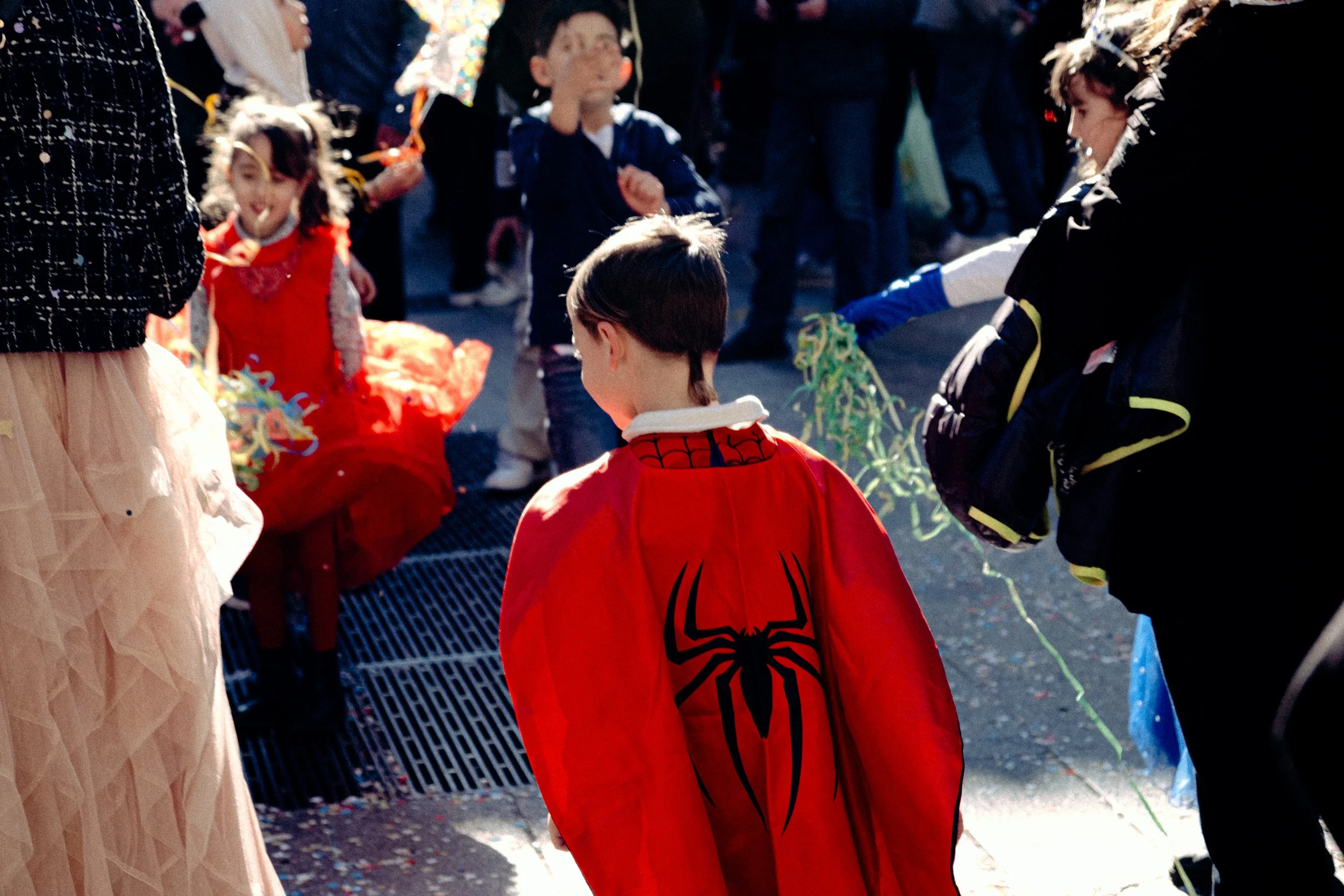

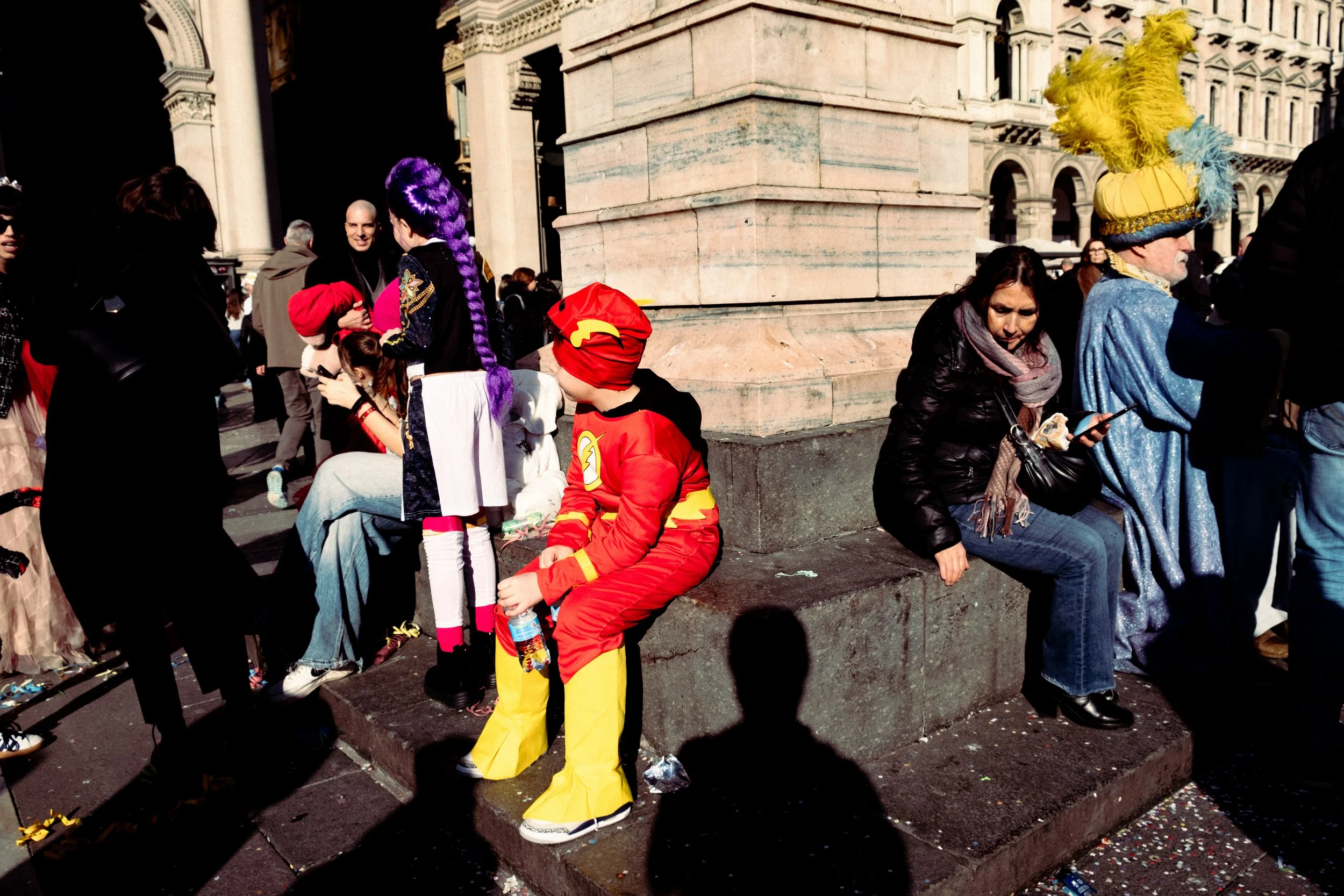
The biggest advantage
Versatility.
With the zoom lens I was able to capture the energy and movement of the crowd and small, isolated details within that chaos.
All without constantly moving forward or backward to adjust framing.
Yes, it’s absolutely possible to shoot everything with a single focal length. I’ve done it for a long time.
But in situations like these… it can become a bit repetitive.
Here, instead, I could react instantly. Or even anticipate what was about to happen.
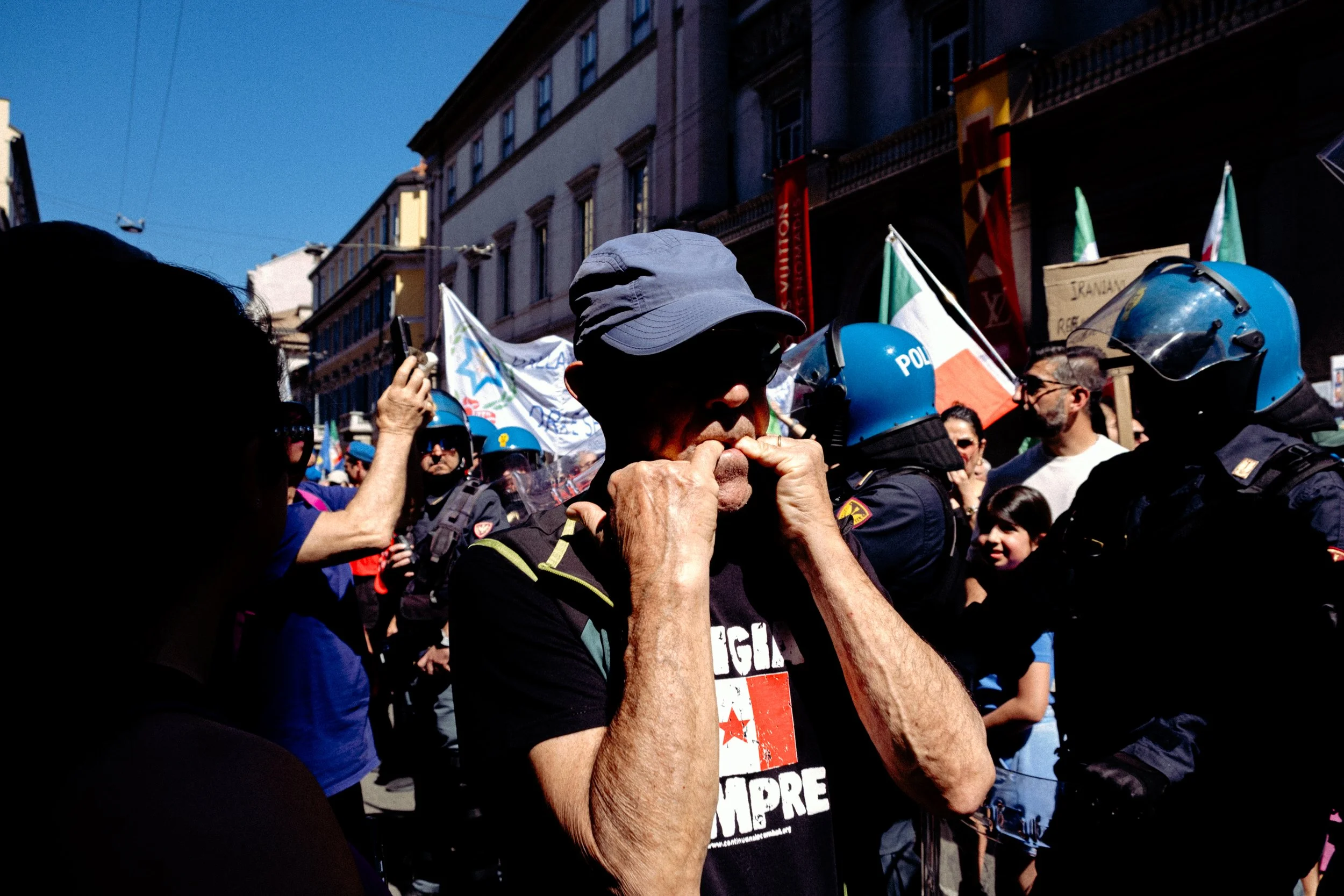
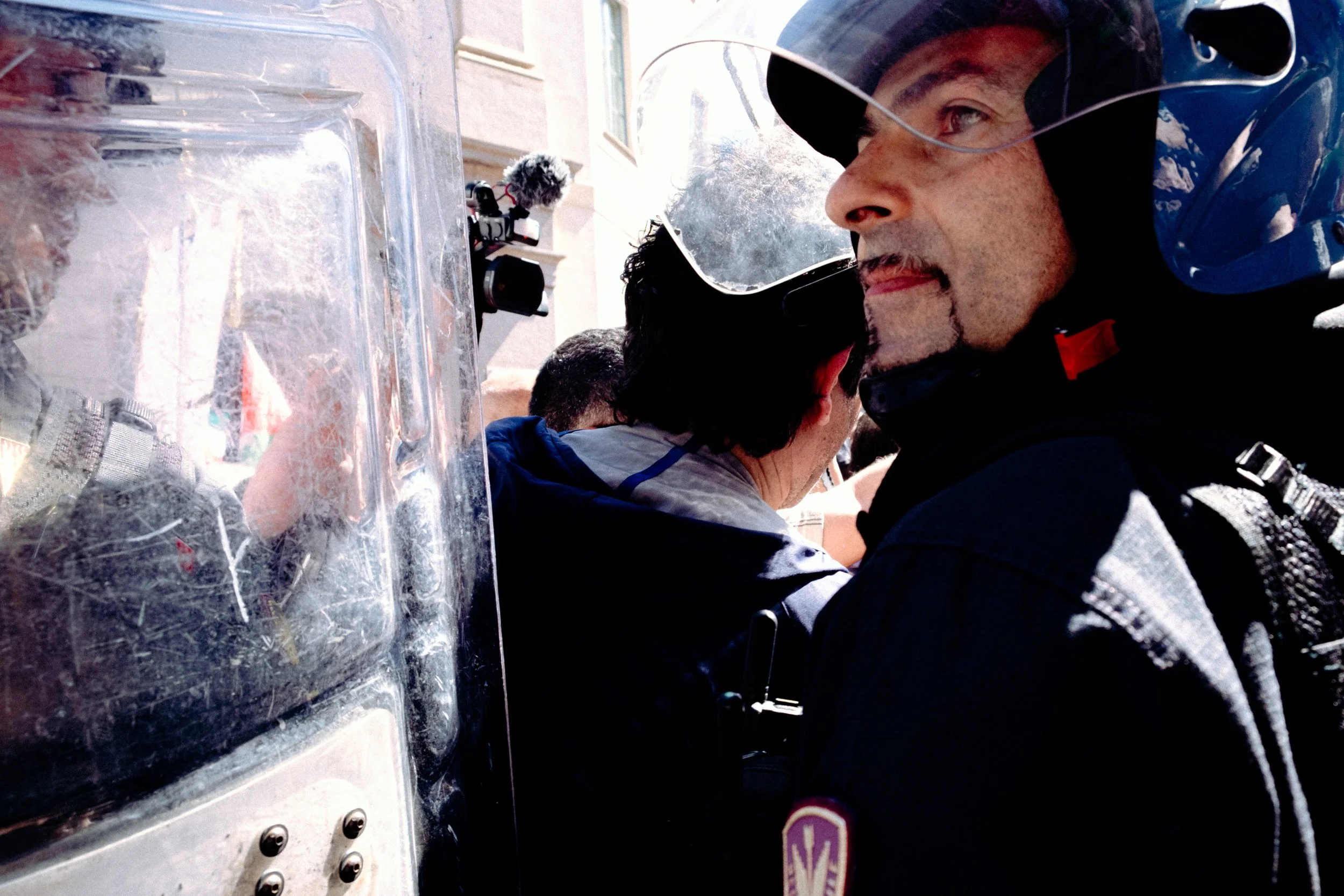
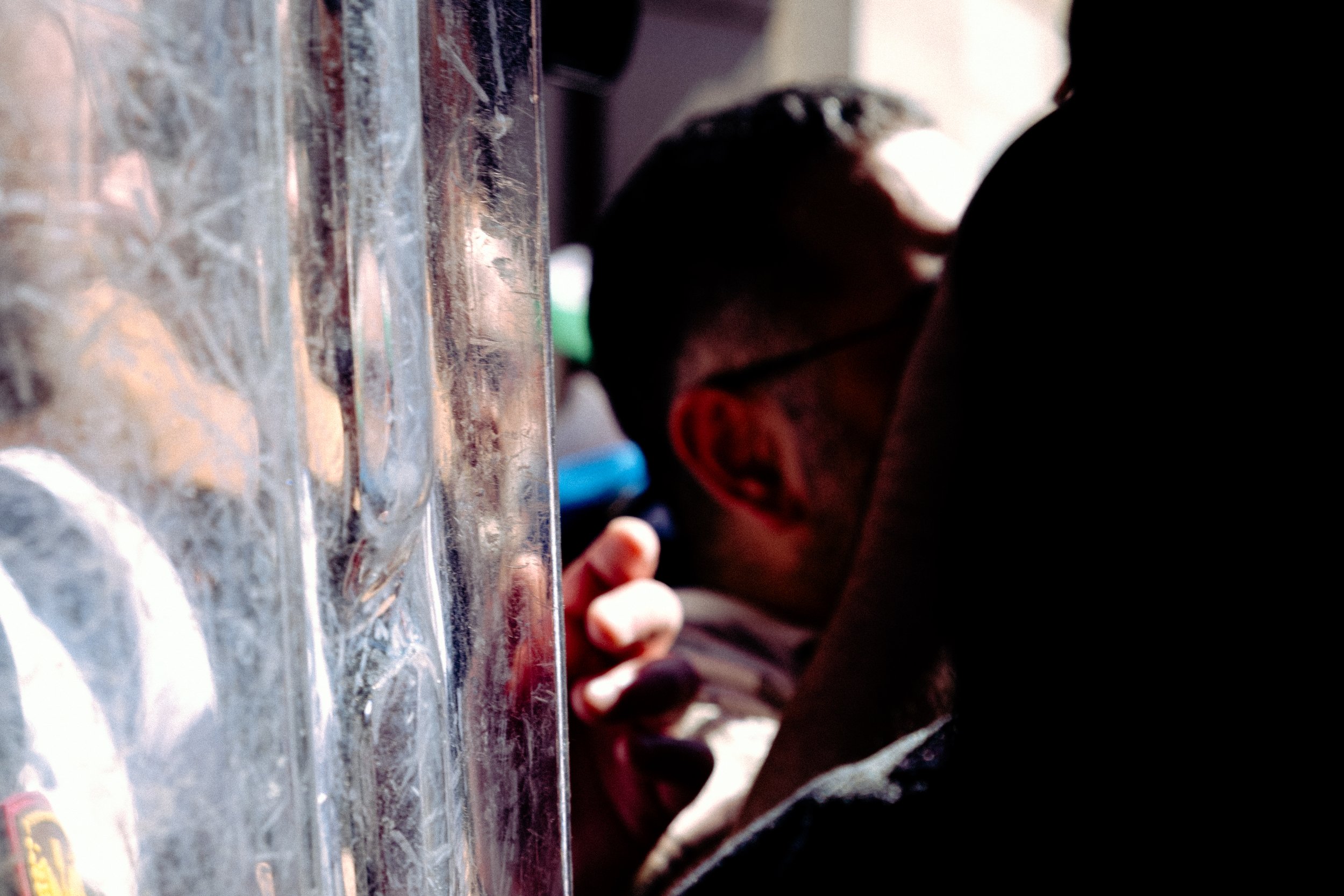
A shift in perspective
This experience reinforced something I had already started to feel.
In the past, I would have instinctively chosen a wide lens for events like these.
Now?
Some of the images I liked the most were taken at tighter focal lengths.
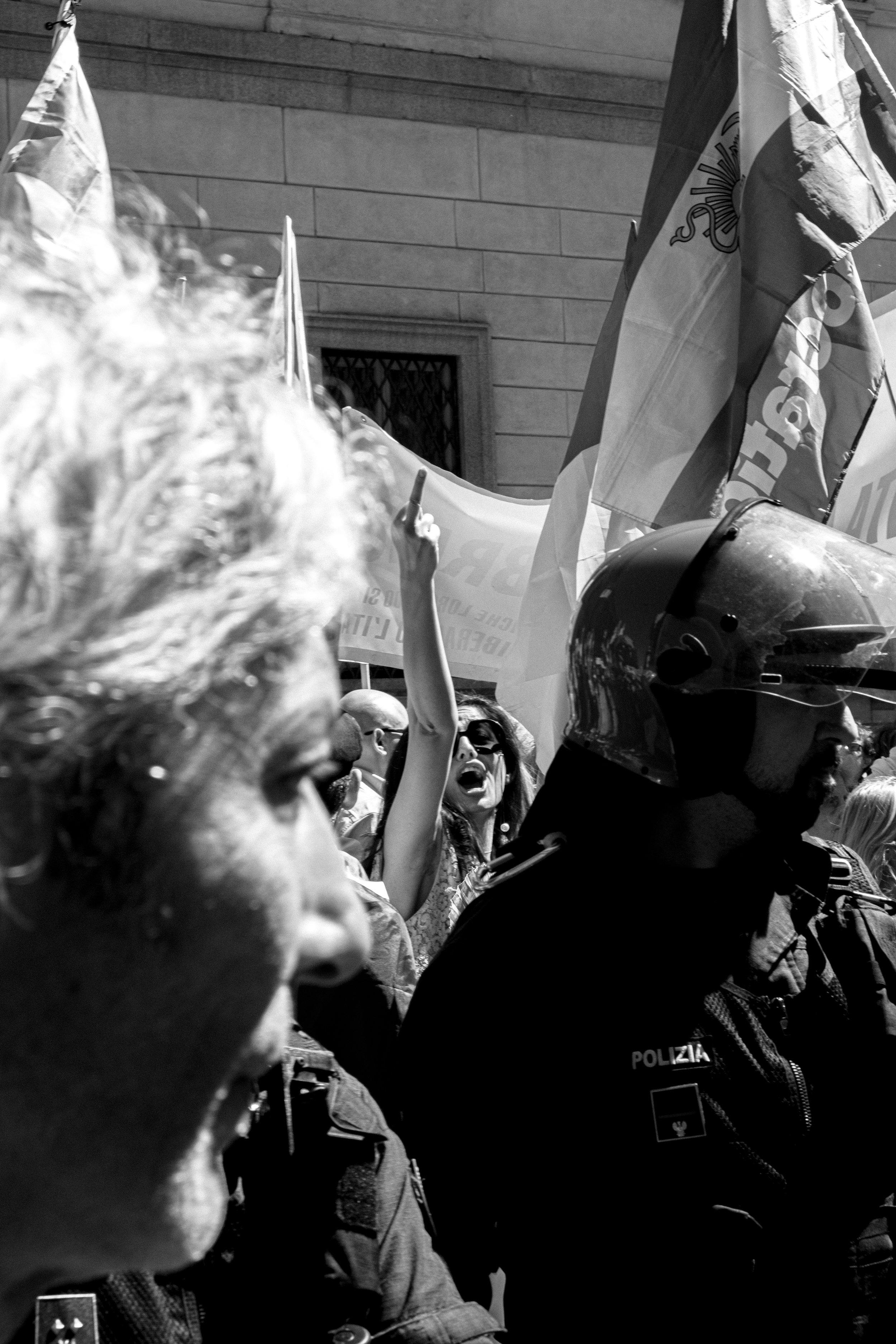
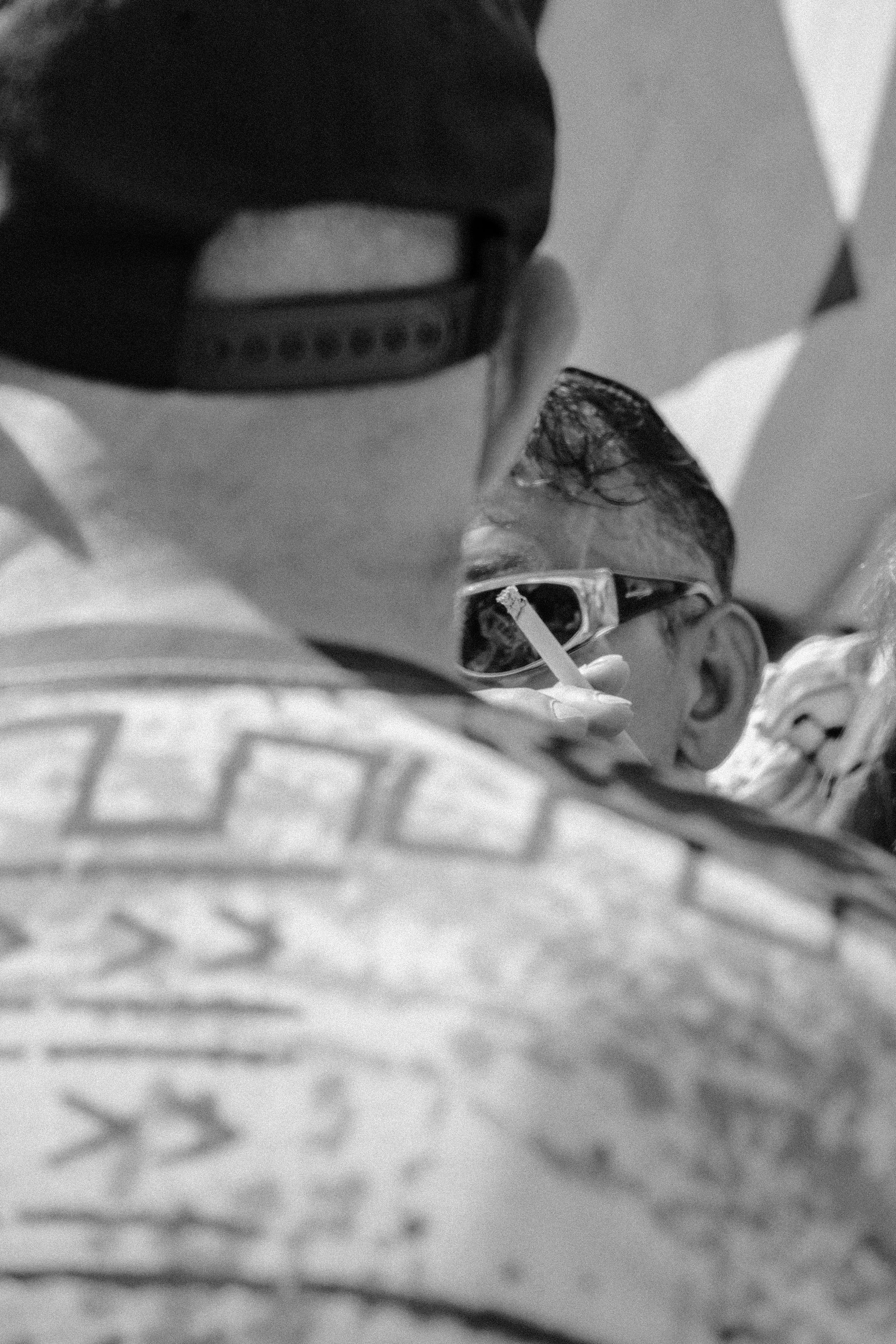
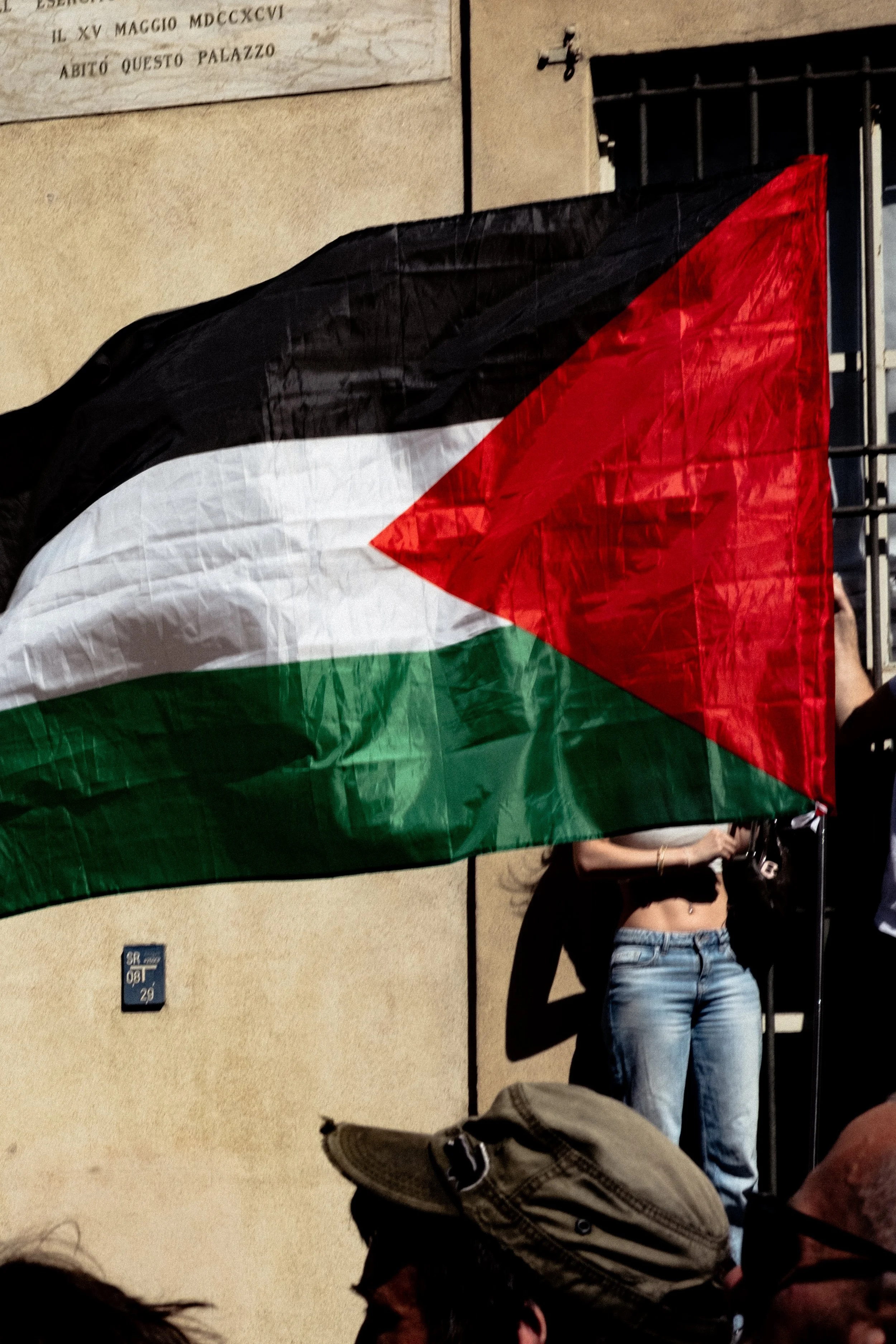
This doesn’t mean wide lenses are worse. Not at all.
It simply confirms that everything depends on:
what you want to represent
how you approach the scene
Video performance
This was my biggest concern.
And honestly? It’s been great.
I paired the lens with a variable ND filter that I basically leave on all the time. It allows me to shoot video without worrying about overexposure.
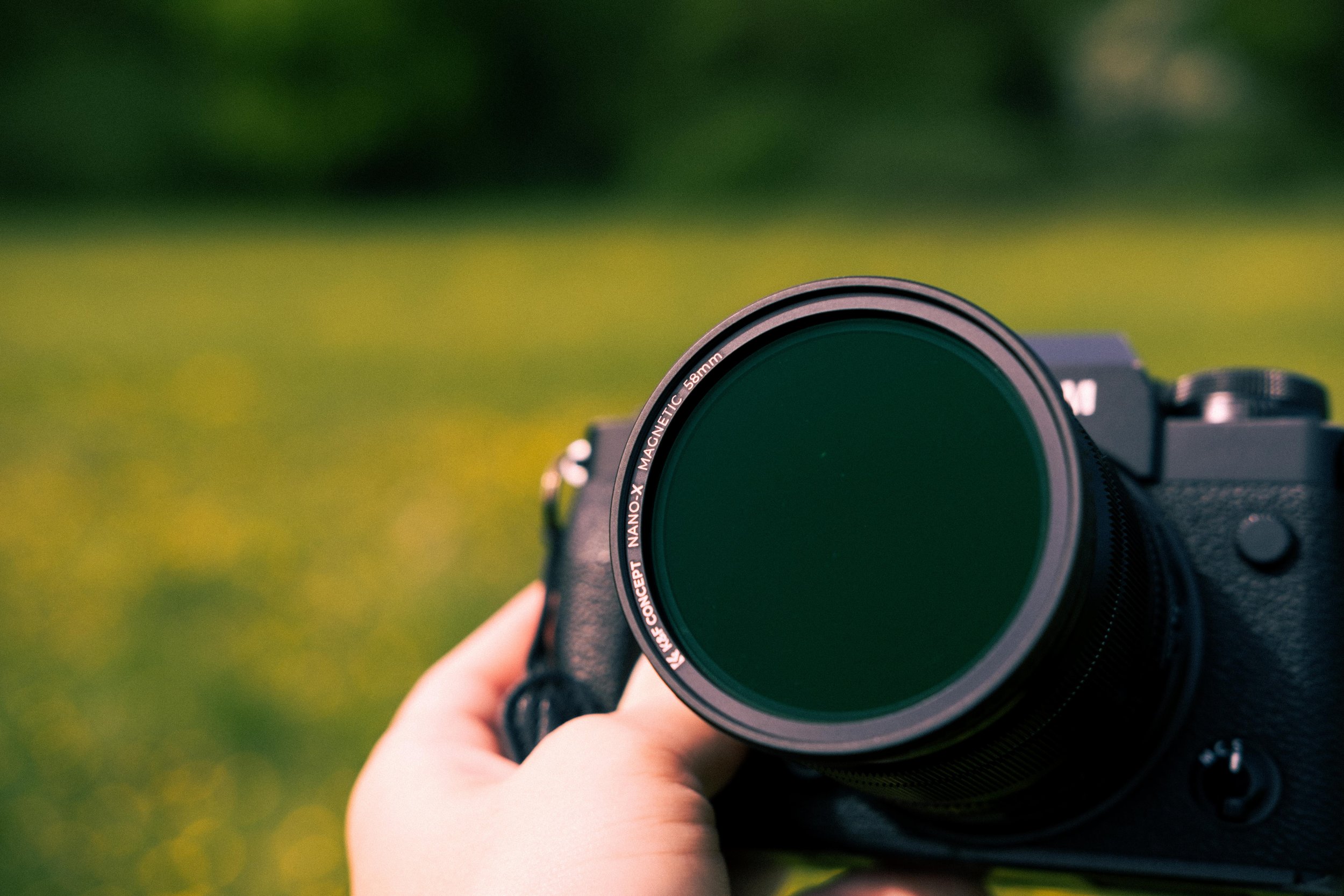
You can purchase the ND Filter I use here → AMAZON
The downsides
Size and weight
The zoom lens is noticeably bulkier and heavier than a prime.
XF 18-55mm: ~310g
Fujinon XF 35mm f/2 R WR: ~170g
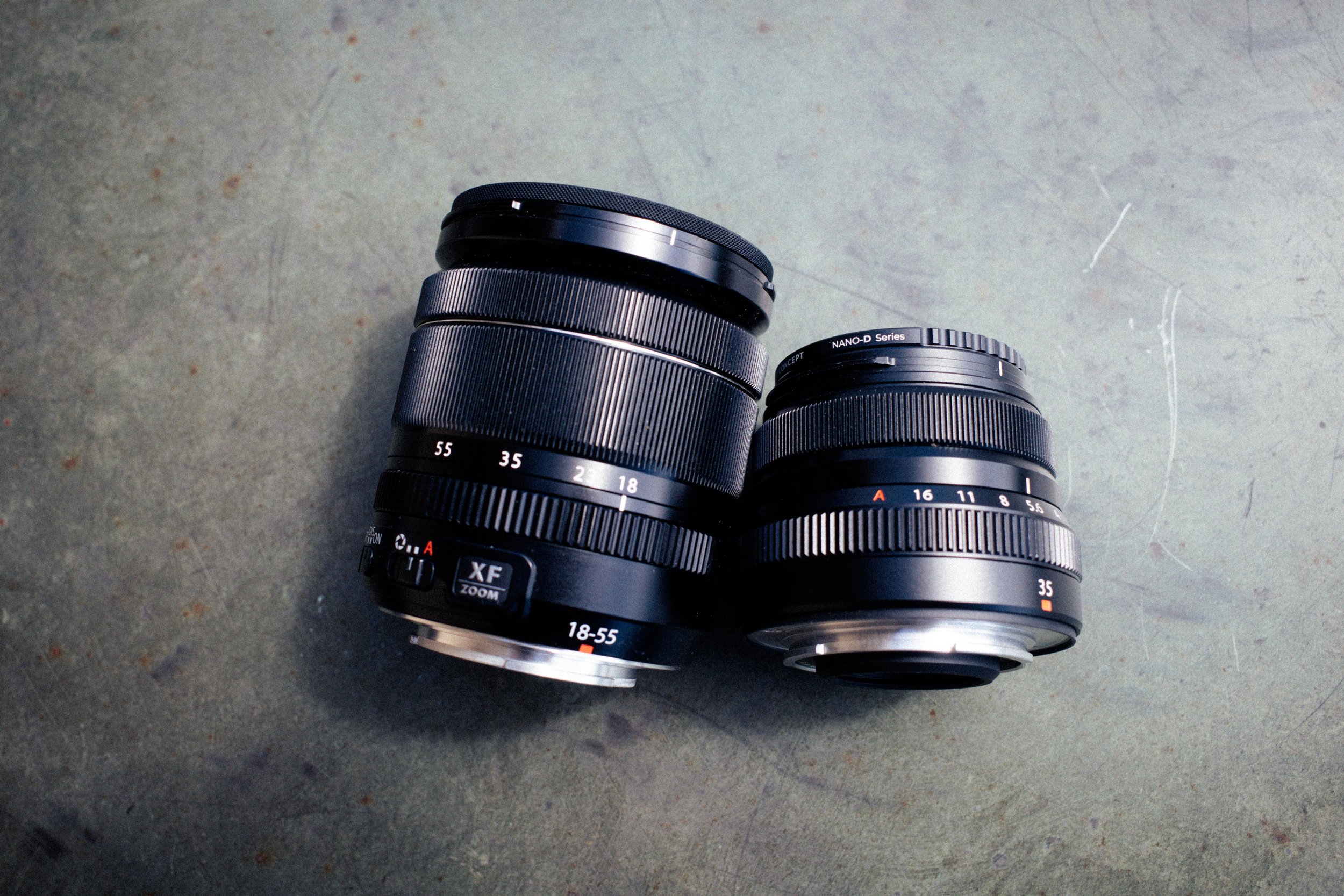
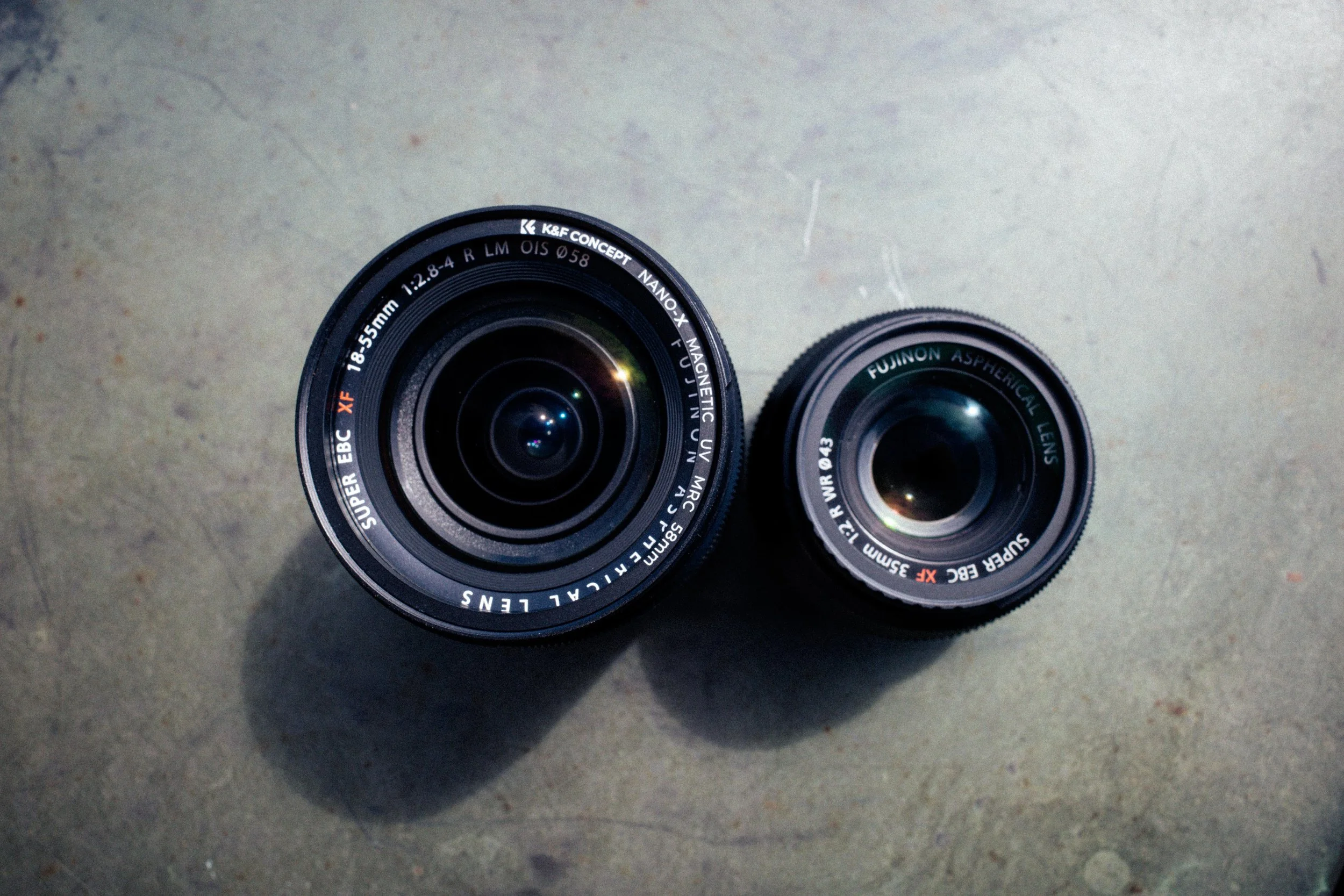
Almost double.
It’s also longer, and when extended it becomes nearly twice the size.
But realistically… it couldn’t be otherwise.
The real question is: how much more would it weigh to carry multiple lenses and bodies instead?
Image quality (to a degree)
It’s well known that zoom lenses don’t match the sharpness of prime lenses.
That’s true.
But is it that noticeable?
Personally, not really.
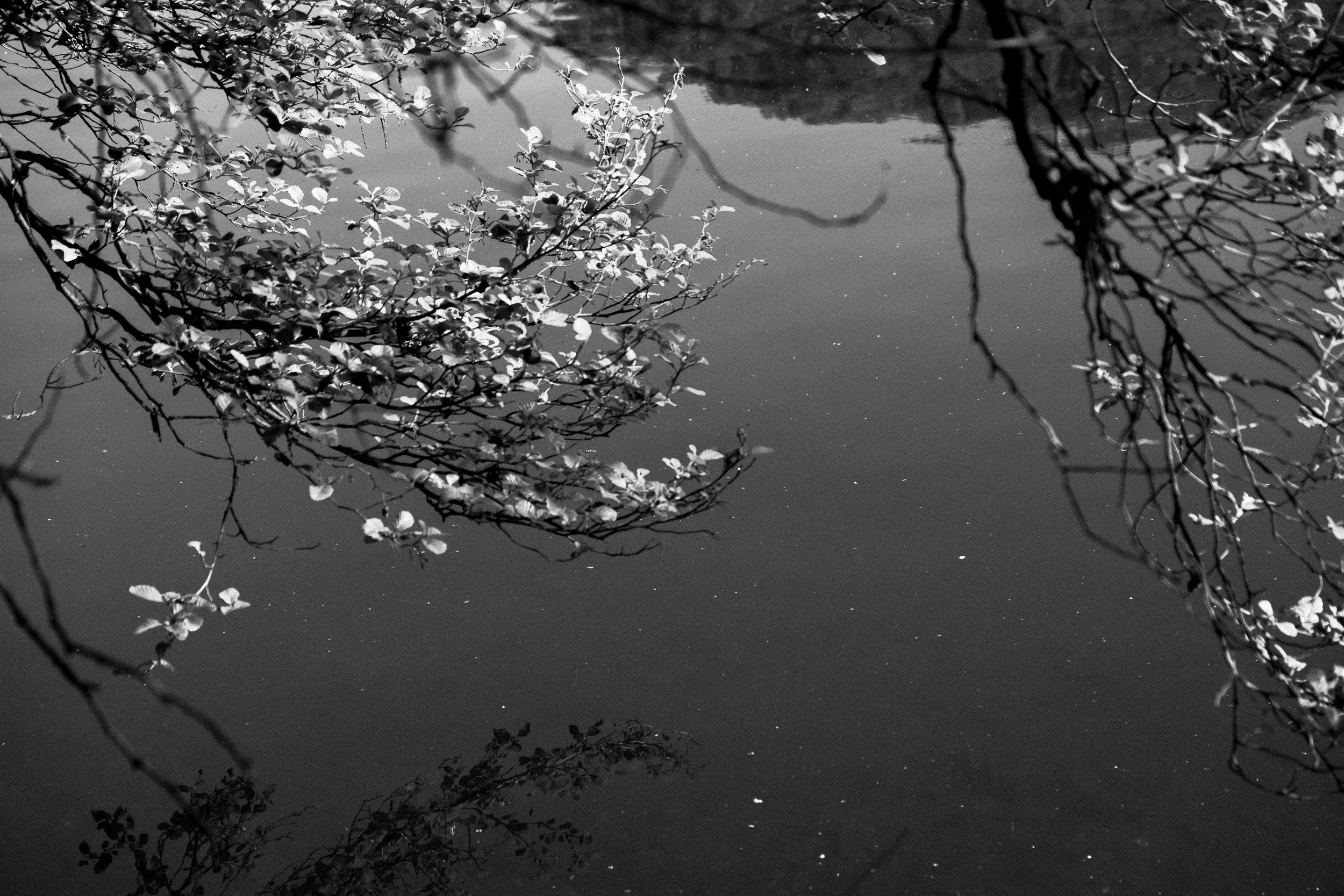
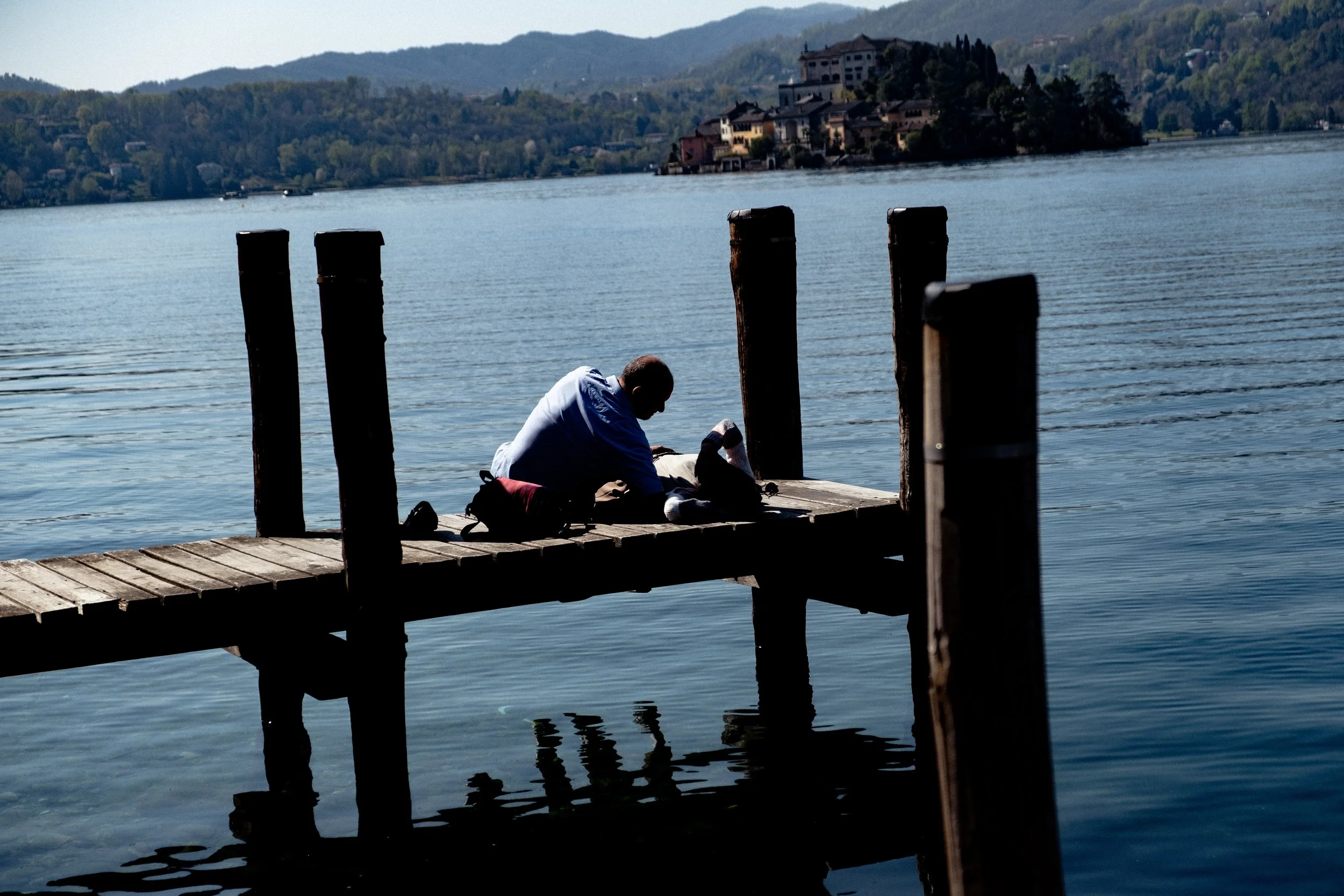
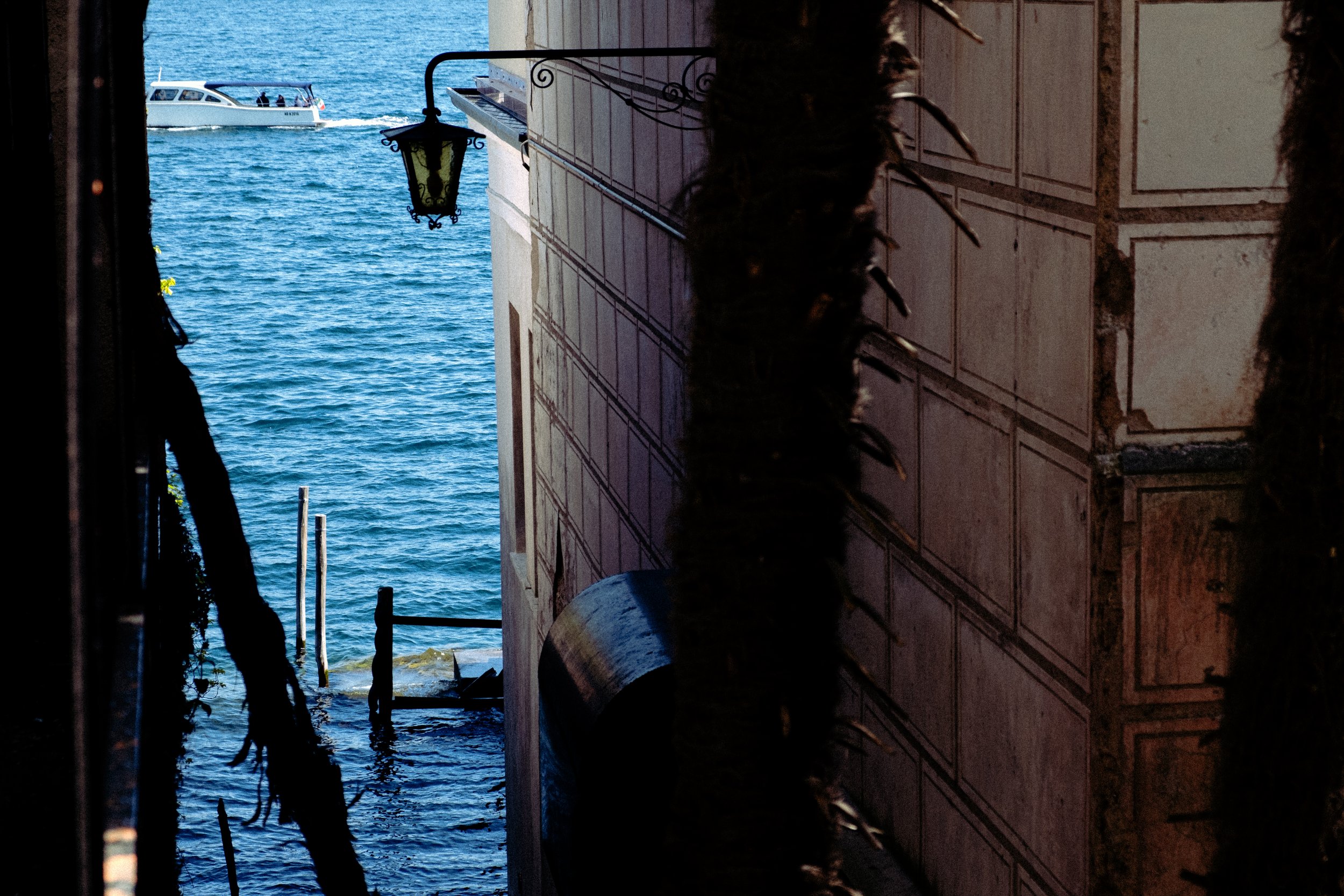
I wouldn’t be able to consistently tell the difference between a photo taken with a prime and one taken with this zoom. And I’m pretty sure many others wouldn’t either.
For my use, which is entirely subjective, the quality is more than enough.
Final thoughts
This setup simplified everything.
Less weight. Fewer decisions. More focus on actually shooting.
And at the end of the day, that’s what really matters.
This blog will always remain ad-free.
If you enjoy my blog and would like to support my work, consider leaving a tip or visiting my shop, where you'll find my personal Lightroom presets, zines & camera guides.
Every bit of support goes directly back into creating new photography content, including YouTube videos, blog posts, camera guides, and, of course, more presets and zines, with the occasional freebie for everyone along the way.
Thank you for reading. <3
I created this guide to share my personal approach to street photography with the Fujifilm X-E4, breaking down the essence of how I use this camera and showing the settings that I consider truly essential, as well as the ones I believe can be ignored in order to achieve a faster, simpler and more intuitive shooting experience.
This was my first Fujifilm camera, and probably the only one I will never get rid of. I have dedicated a video and a blog post to explaining why, as well as another video and blog post where I go through the accessories that made this camera so versatile that it became the only Fujifilm camera that has truly convinced me so far.
Before we begin, there is something important to clarify.
This is not meant to be a complete Fujifilm X-E4 manual.
The settings I will show you are not necessarily the ones that will perfectly match your style, habits, or creative process.
They are simply the choices that, after spending a significant amount of time with this camera, have become essential to my own workflow.
Think of this as a personal recipe rather than a universal instruction manual.
Take what works for you, ignore what does not.
⚠️ As this is a digital product, refunds are not available. However, if you have any questions or experience any issues with your purchase, feel free to email me at karisma.business.inquiries@gmail.com. I'll get back to you as soon as possible!
🌱 Thank you for considering a purchase. Every bit of support goes directly back into creating new photography content, including YouTube videos, blog posts, camera guides, and, of course, more presets and zines, with the occasional freebie for everyone along the way.
I genuinely appreciate your support. Thank you for being part of the journey.