The Reality of Street Photography
The neon lights of Tokyo, the canals of Venice, the buildings of New York, the beautiful landscapes of Vietnam...
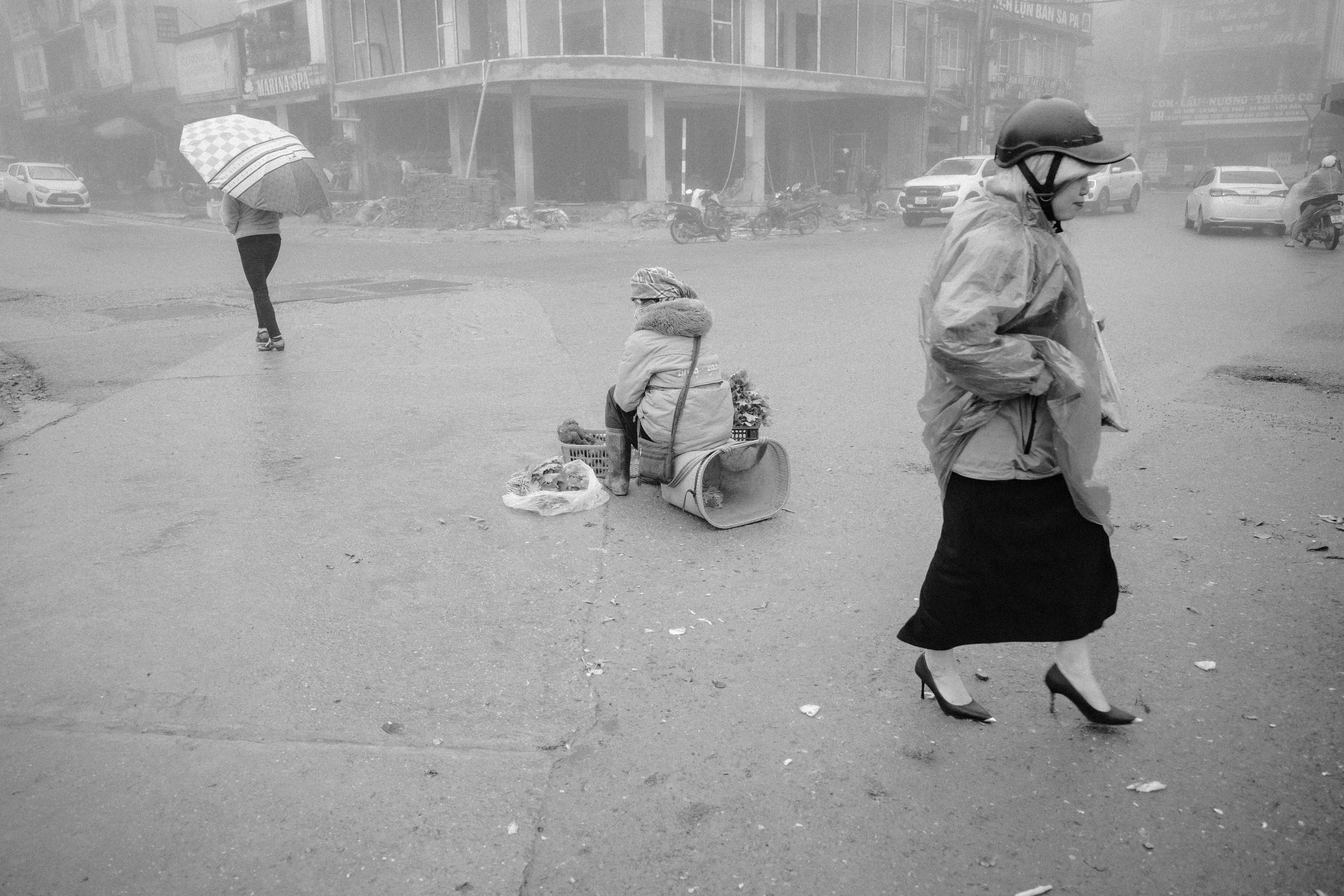
Sapa, Vietnam (2025)
Probably some of the street photography videos that have fascinated us the most, both for their results and their scenery, were made in places like these.
And probably, these are the places we ourselves look for and get attracted to when we see them in a title.
And immediately, we click.
But Why?
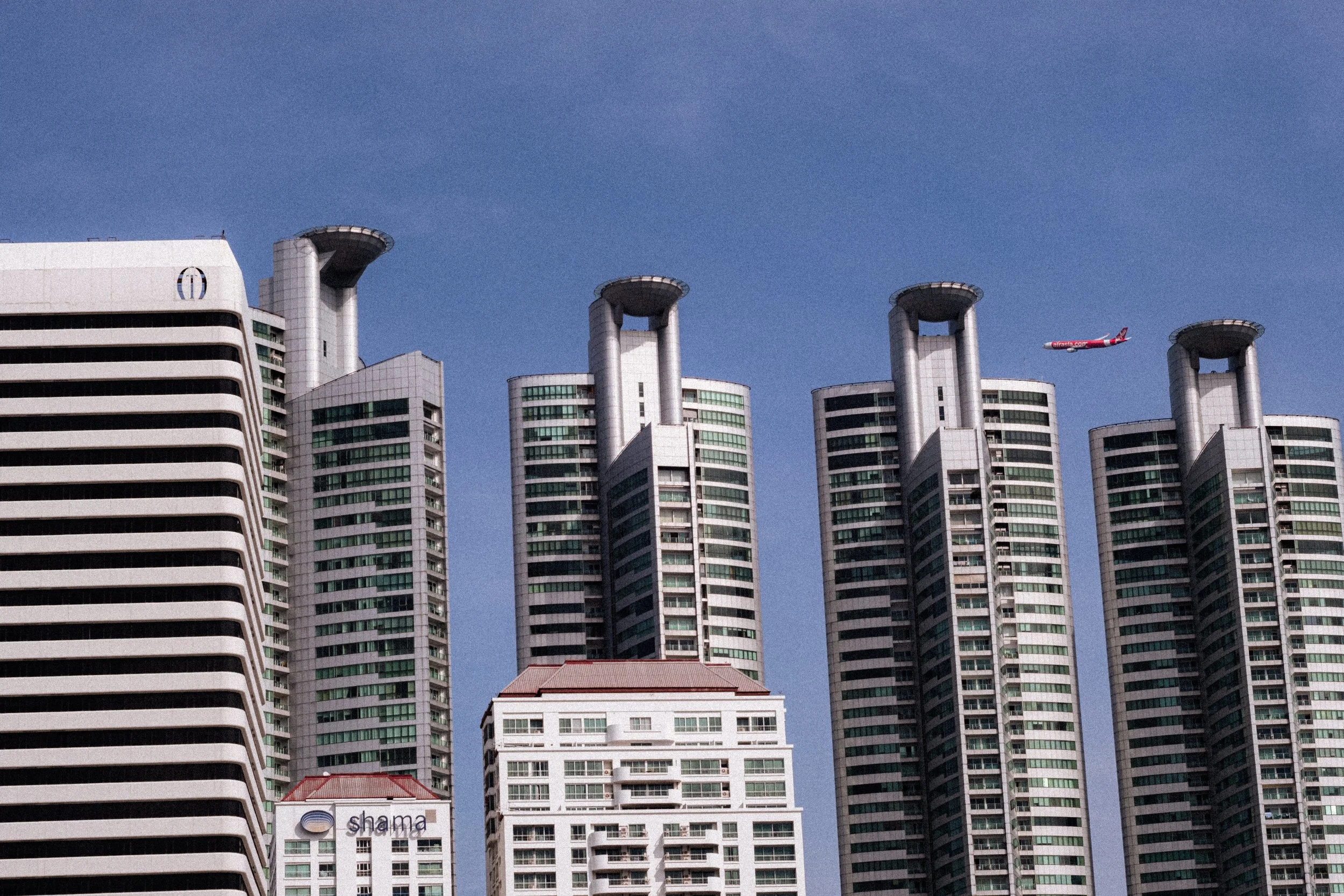
Bangkok, Thailand (2025)
How many of us actually live in one of these beautiful cities?
How many of us live in places where it feels like photographic opportunities just keep coming, one after another?
How many of us have, or will ever have, the chance to visit all of these places, maybe even with a camera in our hands?
And instead, how many of us live somewhere more peripheral, where it feels like nothing is interesting, and finding one person to compose into a scene every two hours feels like a miracle? I do!
Although I've shown you videos from beautiful countries like Spain, Portugal, and Southeast Asia on this channel, I don't live in any of these places.
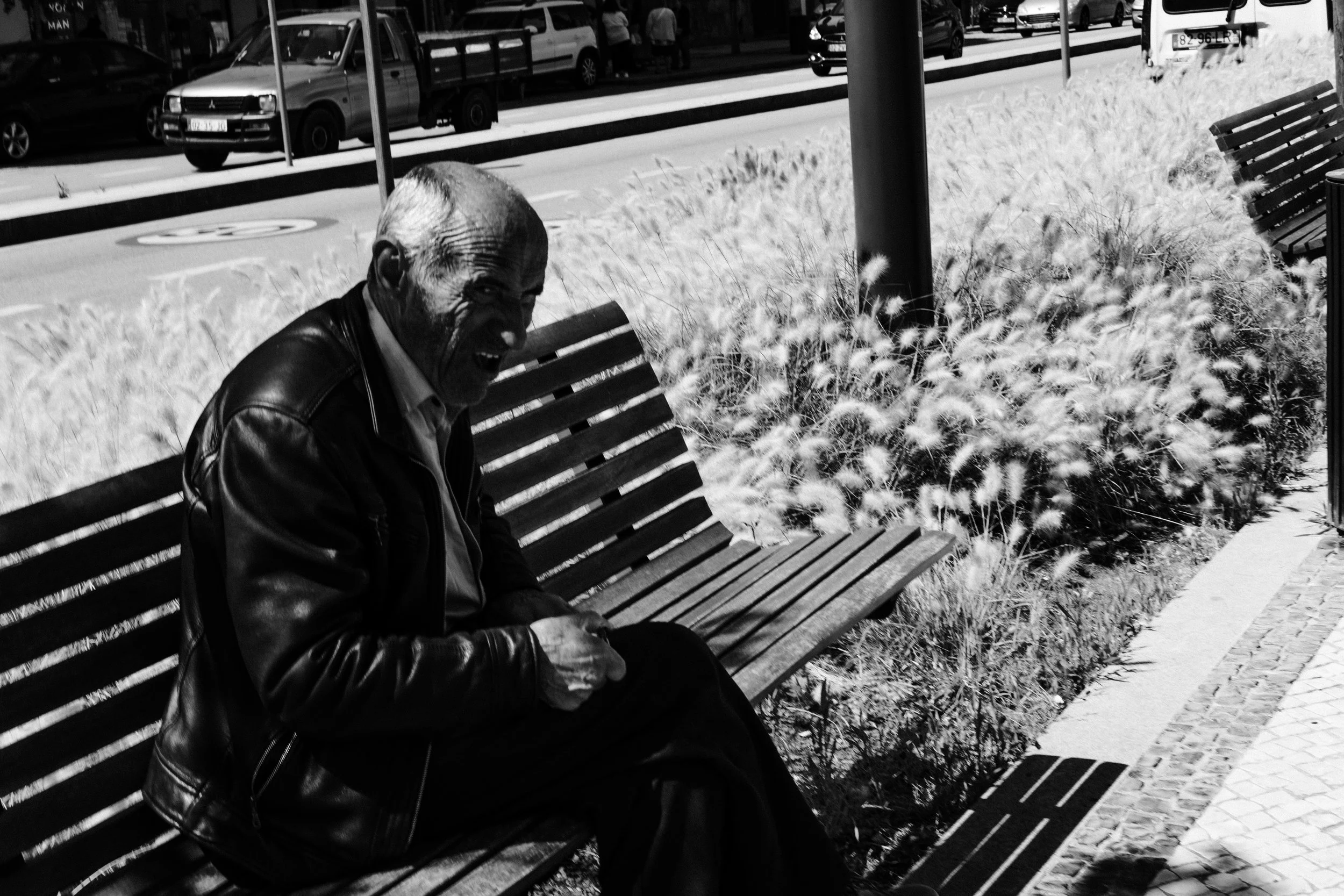
Aveiro, Portugal (2026)
I live in a small town in northern Italy, about an hour from Milan.
And although Milan remains a good playground for photography, it can become repetitive because it simply doesn't have the variety that a city like Hanoi can offer.
Maybe that's also because a city like Hanoi has a certain fascination for me as a Western man, someone who isn't accustomed to the culture of that place.
While, for someone from Hanoi, the things I consider ordinary and boring might be exactly what feels fascinating.
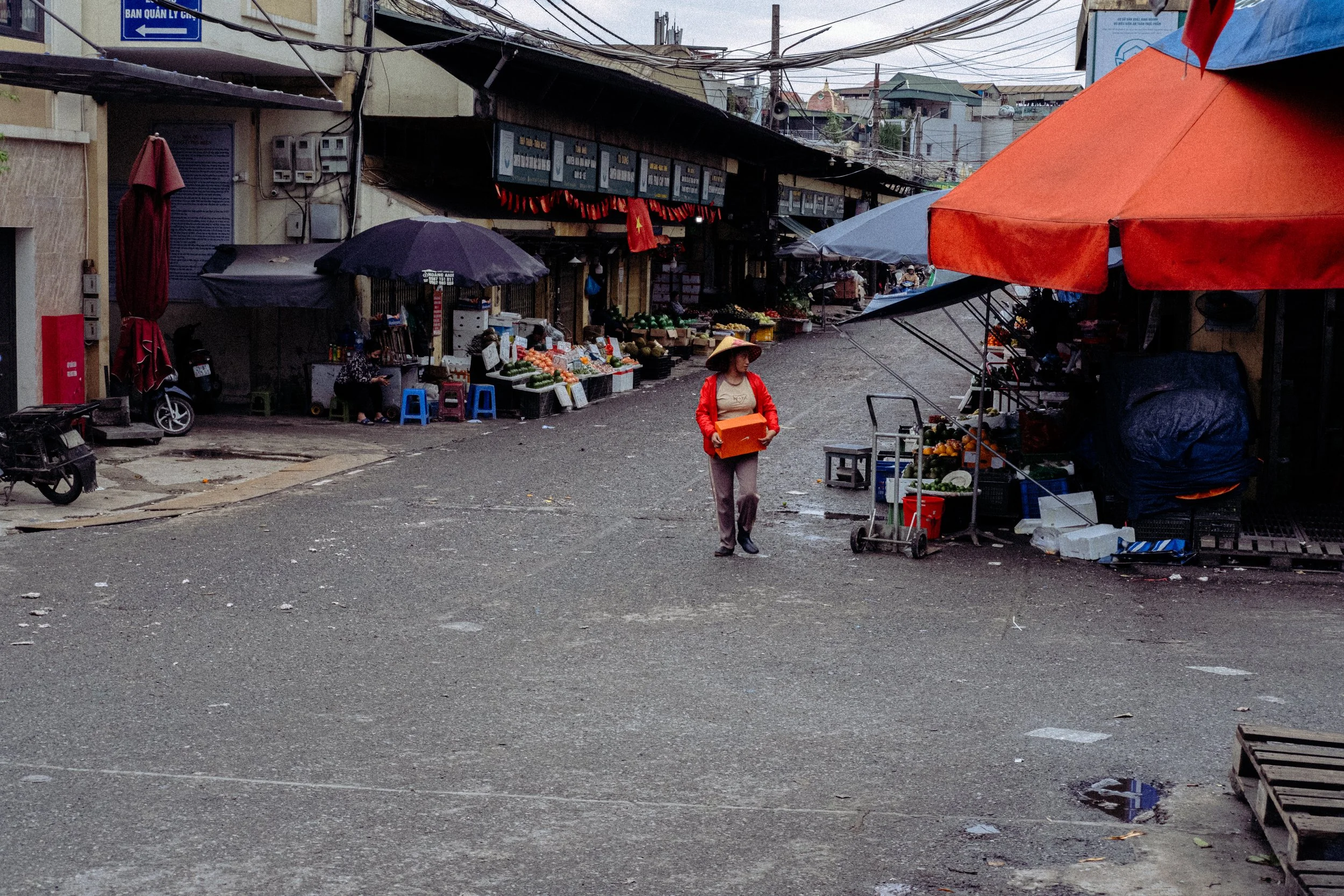
Hanoi, Vietnam (2025)
These are conversations that have been had countless times, and I'd be lying if I said that right now I wouldn't rather be in Shibuya taking photographs than wherever I am.
And yet, I think that by thinking this way, I'm ignoring the bigger picture.
We've already seen photographers who have based their work, and even taken some of their best photographs, in isolated and unexpected places.
So isn't it possible that our eyes are covered by expectations rather than reality?
Isn't it possible that when I go out to photograph in a small Italian village near my home, I'm looking for the same photographs I've seen from a photographer on YouTube who took a picture of someone surrounded by reflections and umbrellas in Shibuya?
Of course, a scenario like that can't be replicated. Depending on where we are, it might simply be impossible.
If we live in a mountainous area or near a lake, we can't expect to compose photographs between skyscrapers.
If we live somewhere isolated, we can't expect to photograph with flash at an event attended by thousands of people, because there aren't even thousands of people in that village.
And I think this might actually be the strength of any place. It simply is what it is.
And if it's true that beauty is everywhere, something I don't fully believe in, perhaps what we need to do is free ourselves from expectations and photograph what is actually there. What we are able to take from a place. The impression it gives us.
How I overcame this feeling.
Not long ago, I published a one-hour video where I showed you four days of photography in Sardinia.
It's true, Sardinia is a very touristy and scenically incredible place, but as you probably know by now, I'm not really a beach person.
During my two months in Sardinia, I travelled across the island, deliberately avoiding the tourist areas. In fact, half of the video I mentioned takes place in abandoned mines or nature reserves.
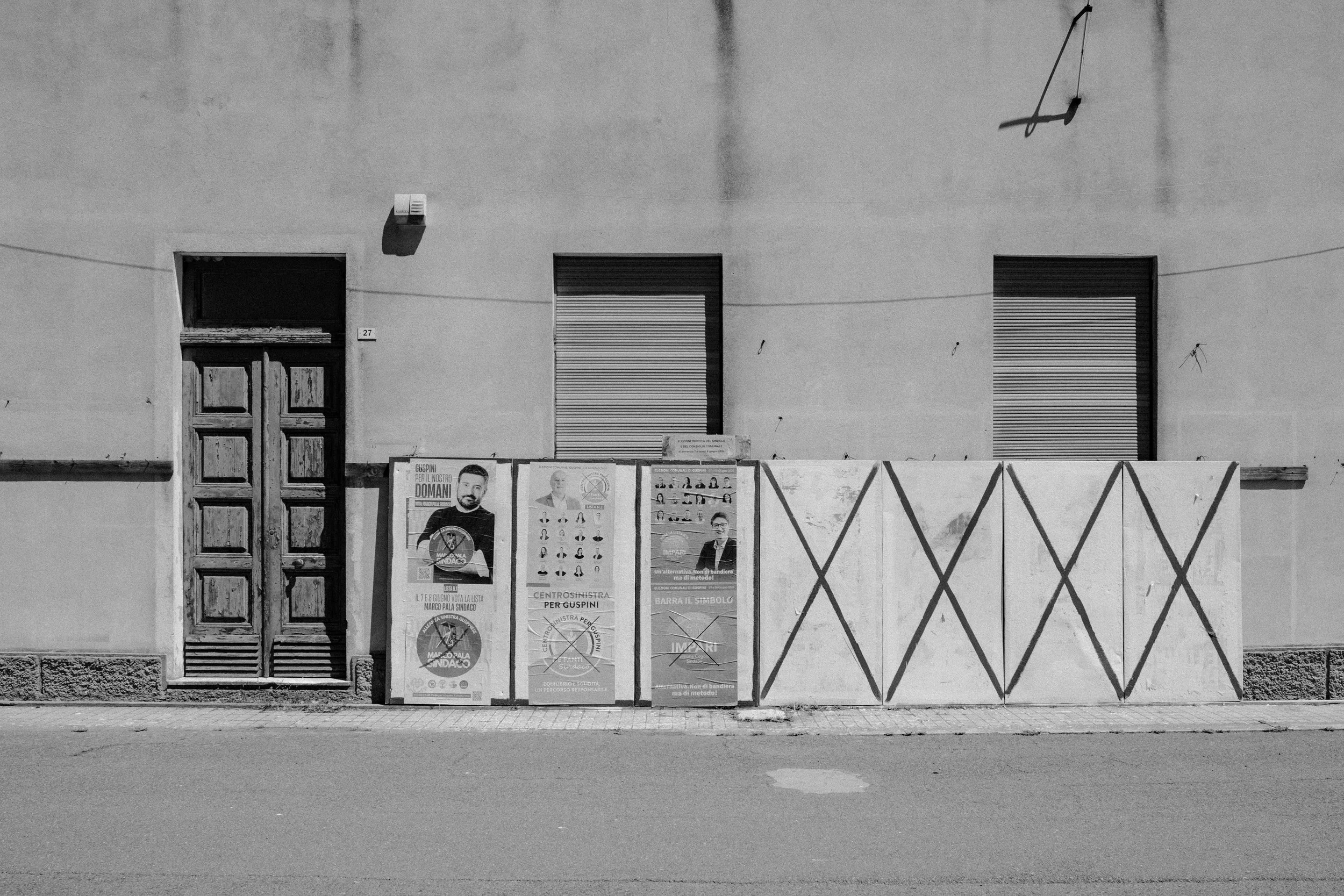
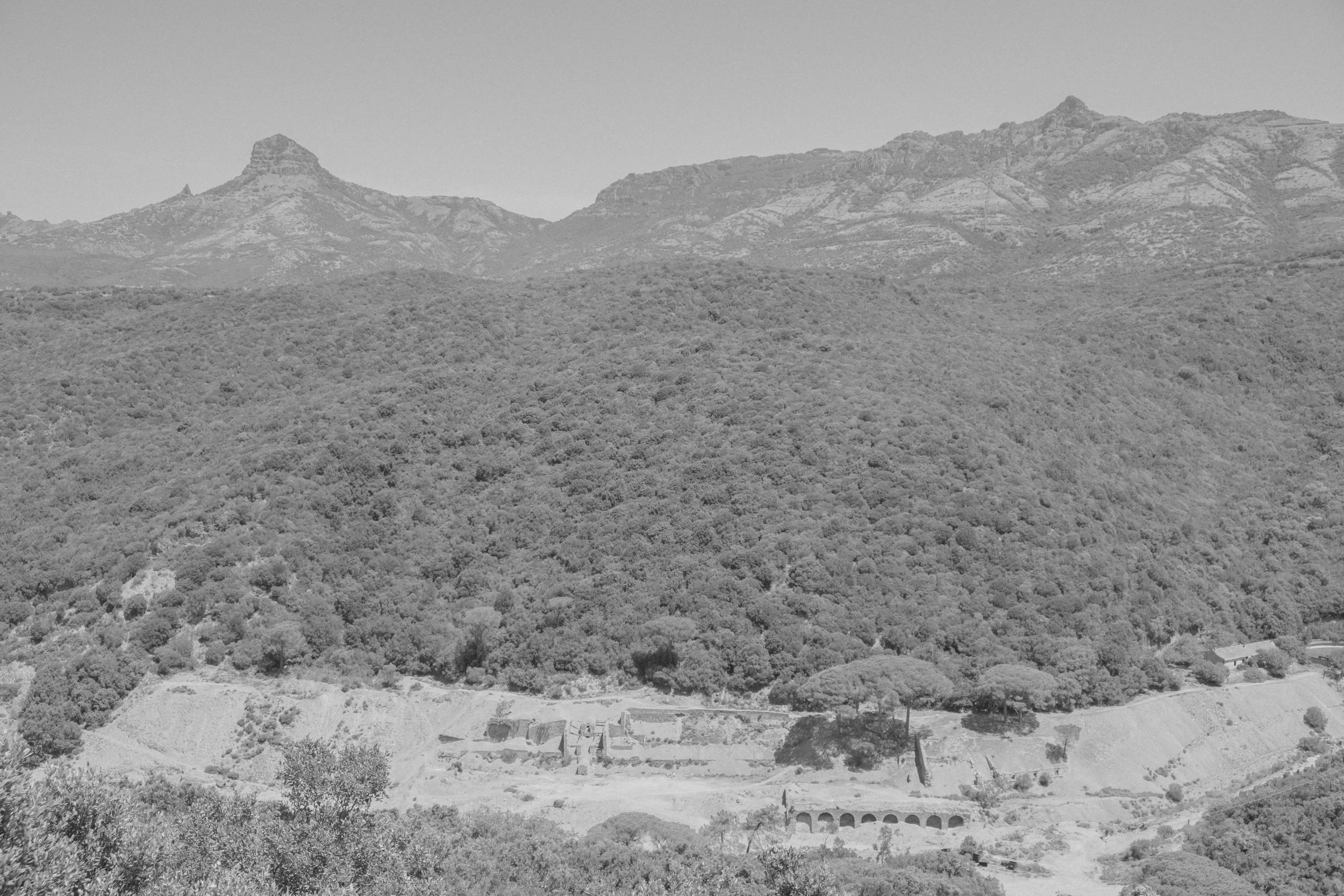
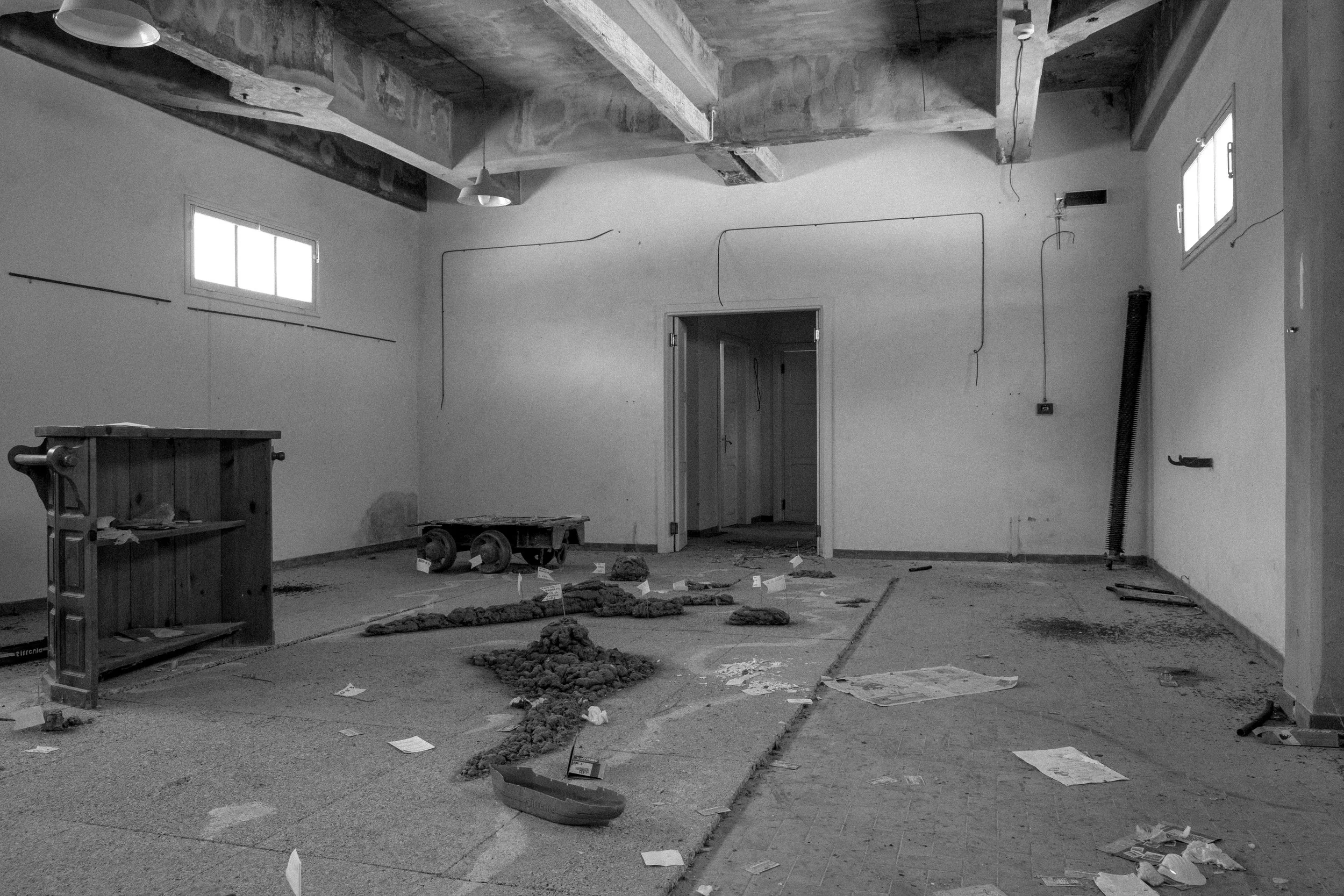
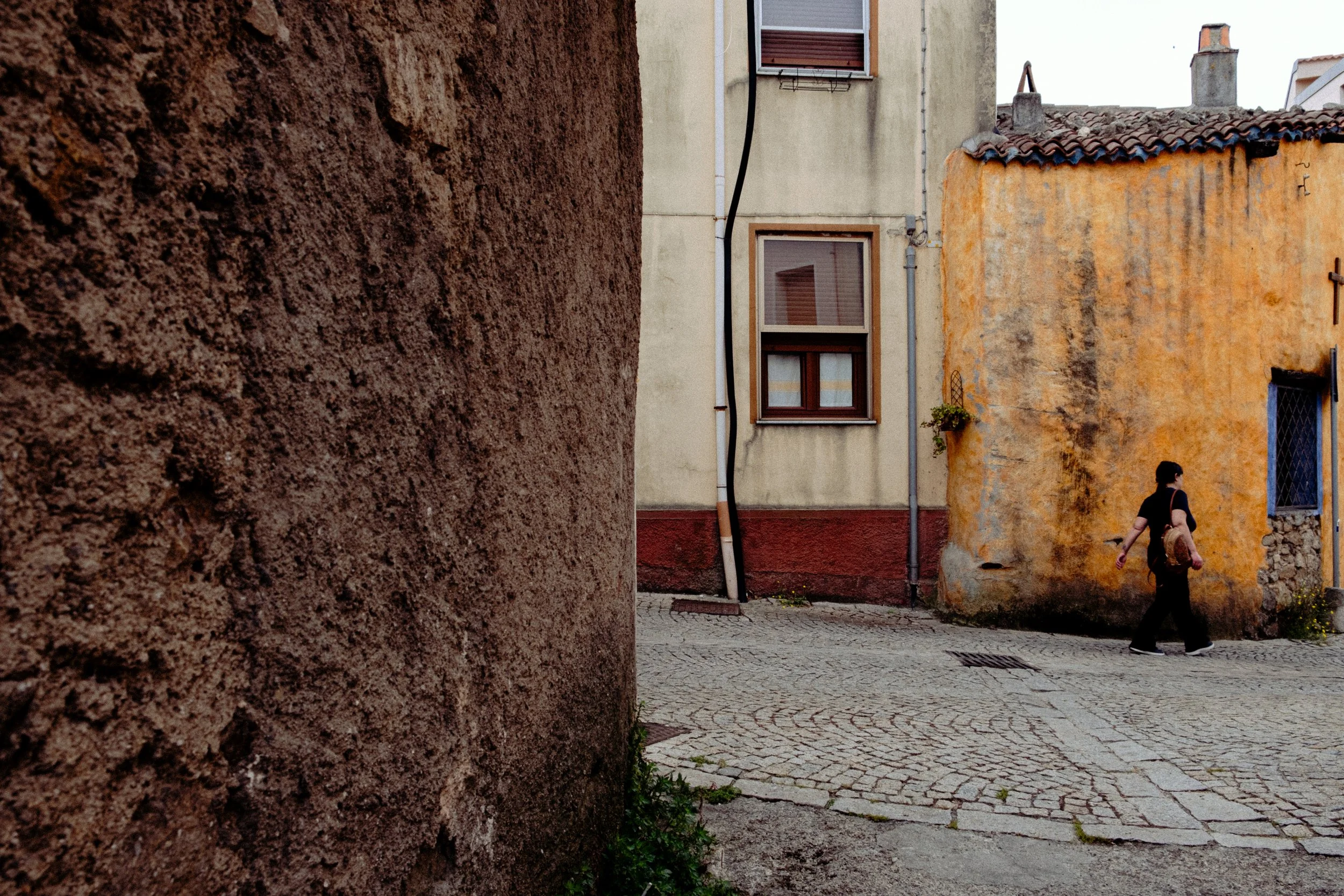
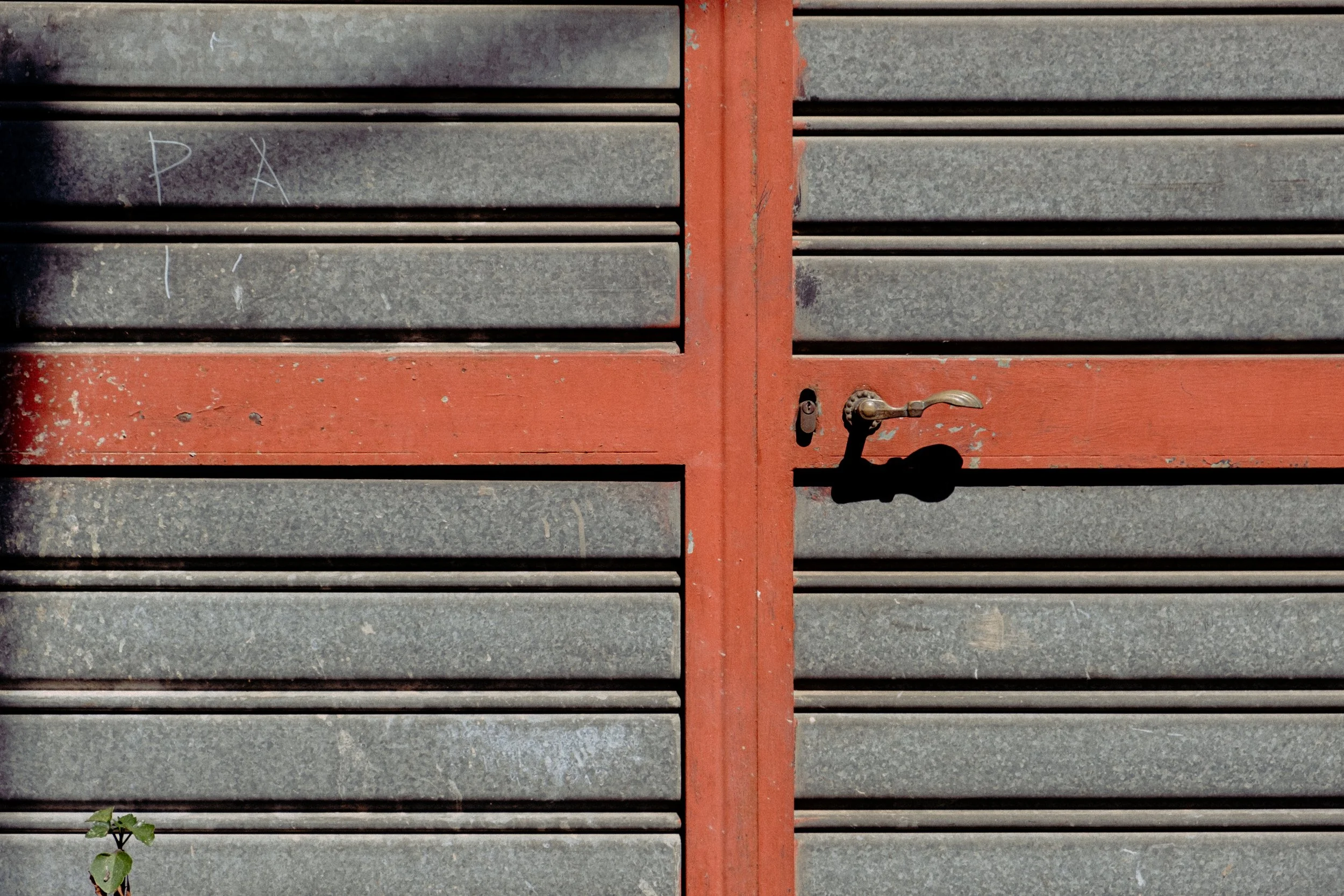
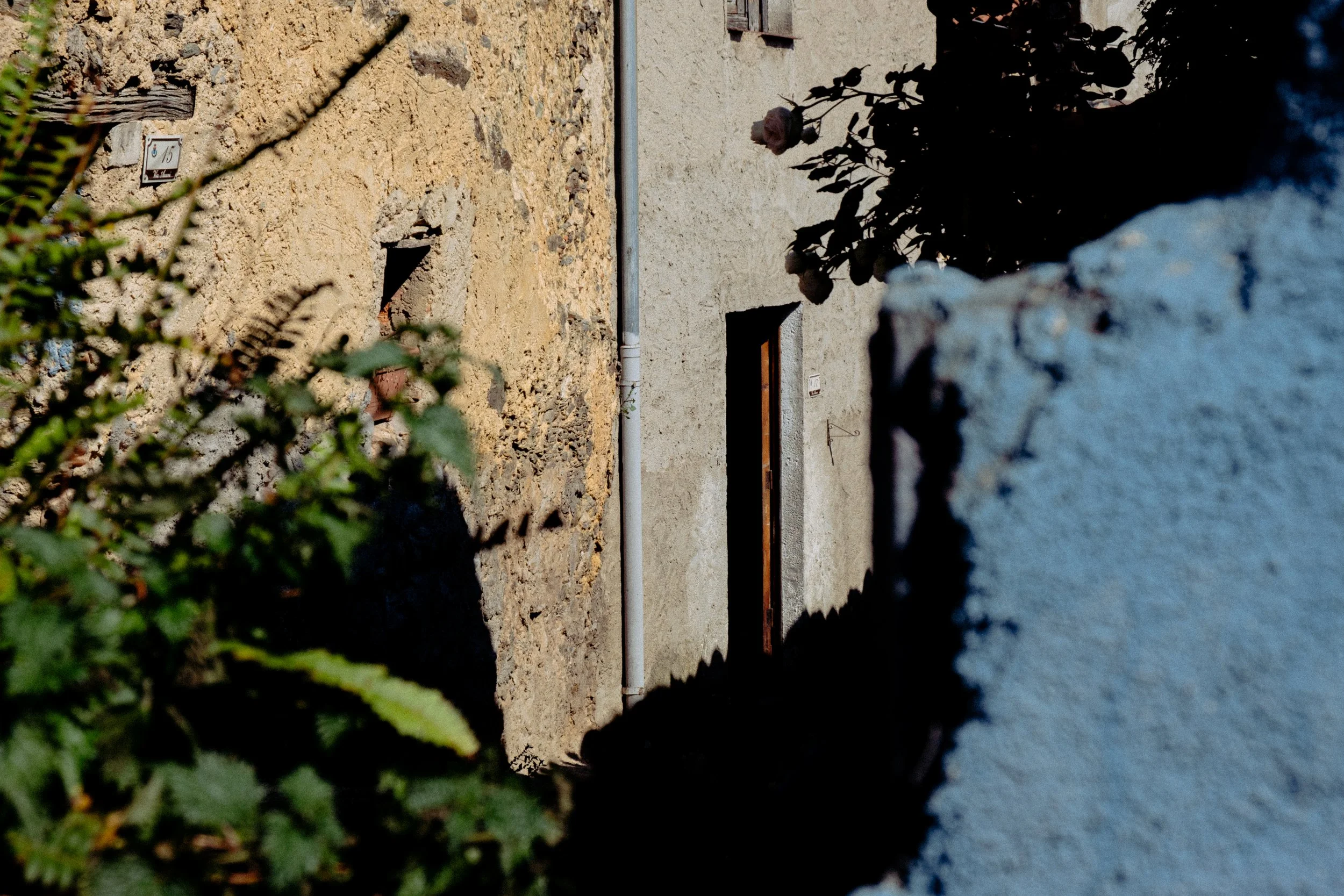
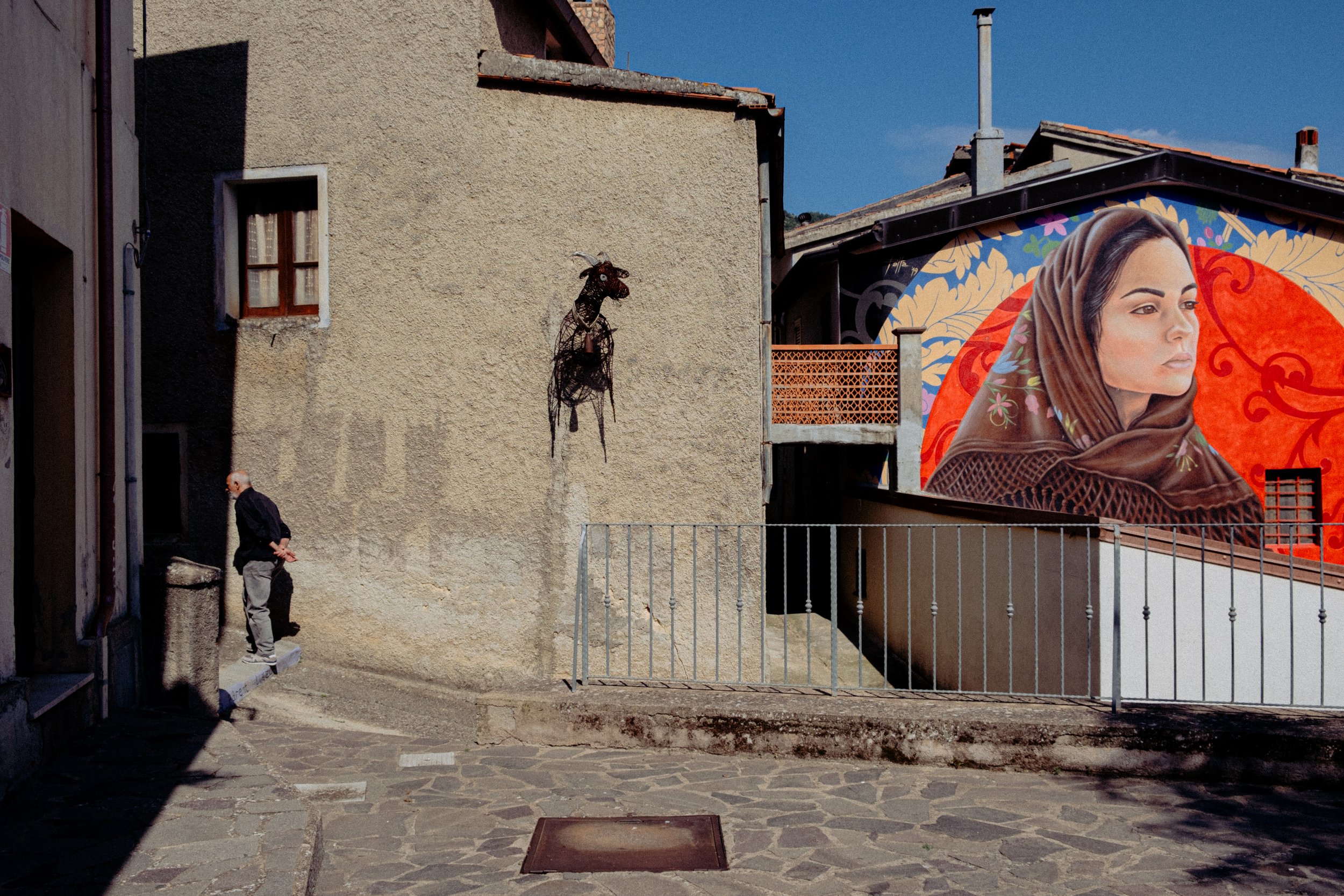
Ninety percent of my trip was entirely dedicated to exploring tiny villages across Sardinia. And although this wasn’t my reality there (I was on a photography trip), it is the reality of the people who live there, and it was the reality I was experiencing at that moment.
Far away from neon lights. Far away from spectacular locations. And far away from the chaos of big cities.
And I have to admit, it was an experience that opened my eyes.
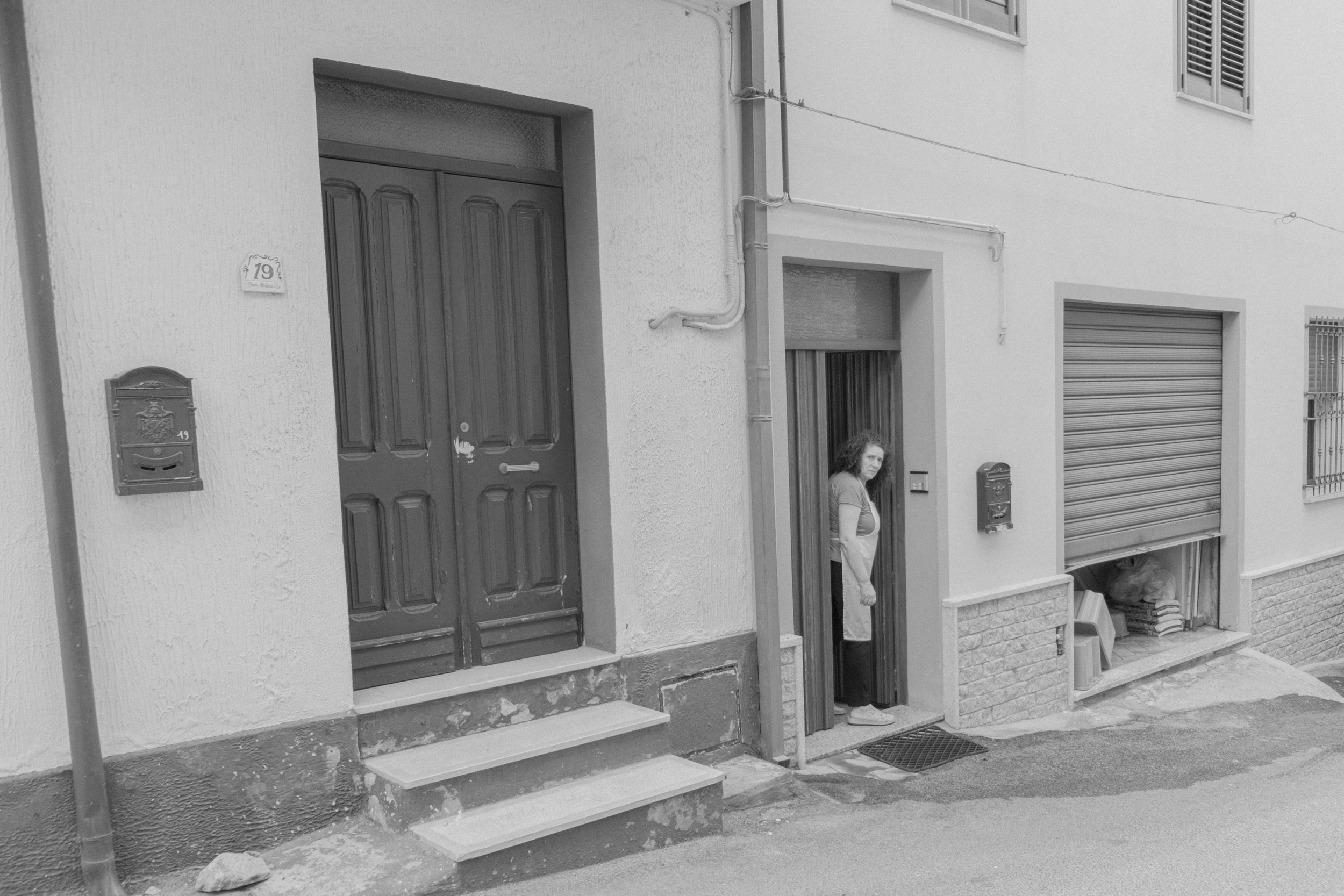
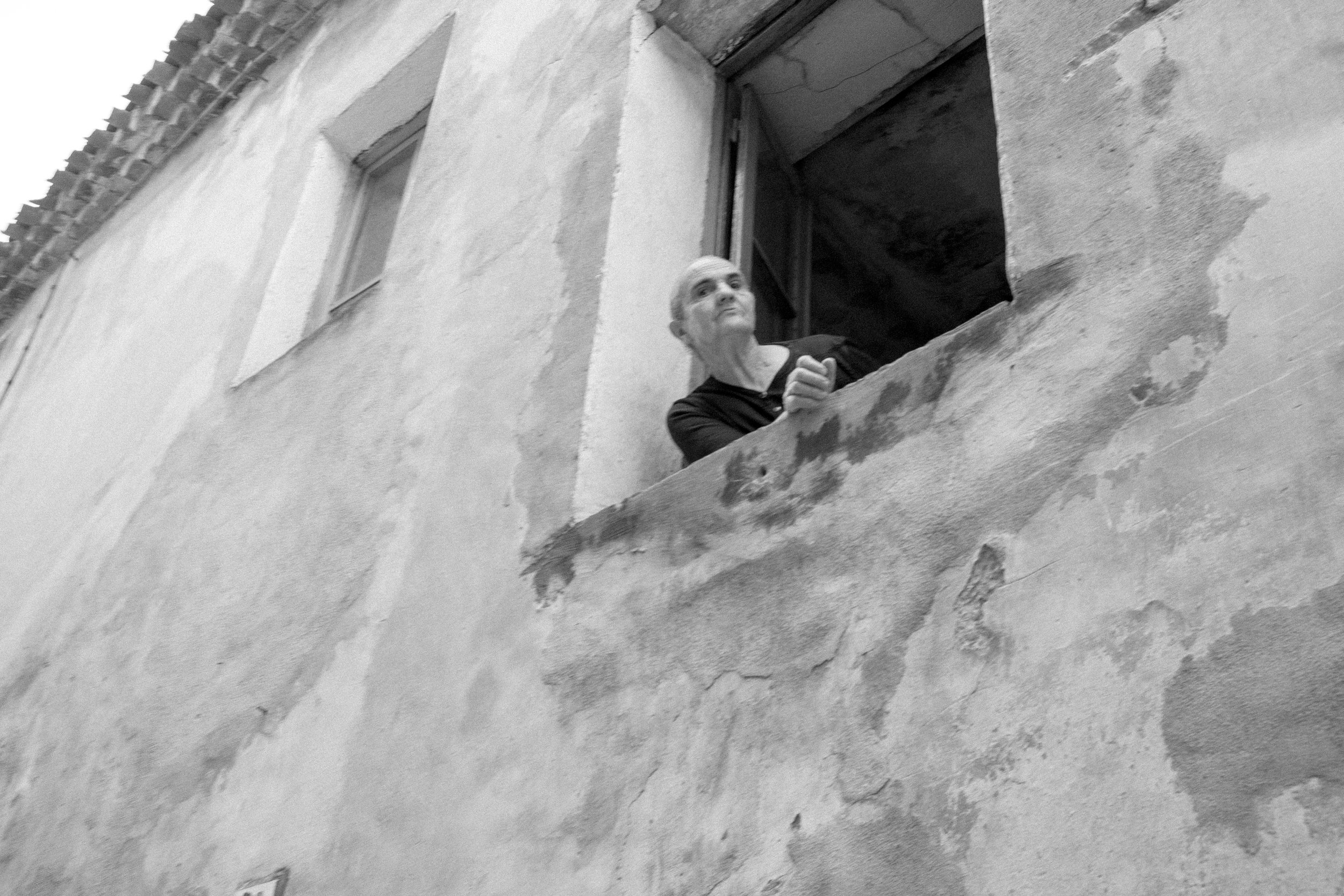
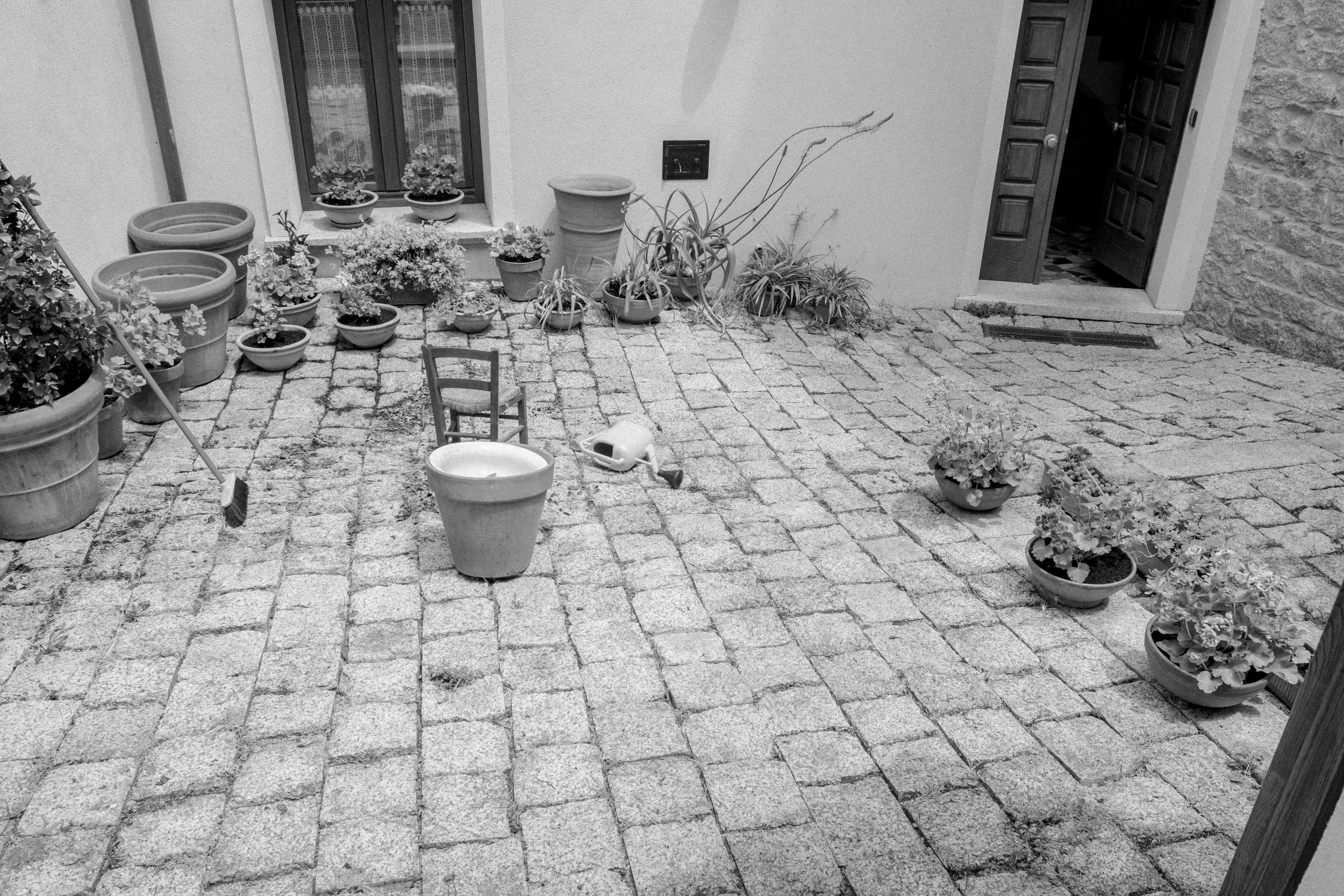
I understood the power that every place carries with it. Its history, its energy, its own character.
Visiting forgotten Italian villages hidden in the mountains puts you in a completely different state of mind compared to photographing the chaotic Chinatown of Bangkok.
And although I've had the chance to photograph both, there isn't one that I preferred over the other.
Each one was right for the moment I was experiencing at the time.
This blog will always remain ad-free.
If you enjoy my blog and would like to support my work, consider leaving a tip or visiting my shop, where you'll find my personal Lightroom presets, zines & camera guides.
Every bit of support goes directly back into creating new photography content, including YouTube videos, blog posts, camera guides, and, of course, more presets and zines, with the occasional freebie for everyone along the way.
Thank you for reading. <3
NOTE: Fujifilm menus are more or less similar across different models, so you should still be able to follow along and use this guide as a reference for your own camera, even if you don’t own an X-E4.
I created this guide to share my personal approach to street photography with the Fujifilm X-E4, breaking down the essence of how I use this camera and showing the settings that I consider truly essential, as well as the ones I believe can be ignored in order to achieve a faster, simpler and more intuitive shooting experience.
This was my first Fujifilm camera, and probably the only one I will never get rid of. I have dedicated a video and a blog post to explaining why, as well as another video and blog post where I go through the accessories that made this camera so versatile that it became the only Fujifilm camera that has truly convinced me so far.
Before we begin, there is something important to clarify.
This is not meant to be a complete Fujifilm X-E4 manual.
The settings I will show you are not necessarily the ones that will perfectly match your style, habits, or creative process.
They are simply the choices that, after spending a significant amount of time with this camera, have become essential to my own workflow.
Think of this as a personal recipe rather than a universal instruction manual.
Take what works for you, ignore what does not.
⚠️ As this is a digital product, refunds are not available. However, if you have any questions or experience any issues with your purchase, feel free to email me at karisma.business.inquiries@gmail.com. I'll get back to you as soon as possible!
🌱 Thank you for considering a purchase. Every bit of support goes directly back into creating new photography content, including YouTube videos, blog posts, camera guides, and, of course, more presets and zines, with the occasional freebie for everyone along the way.
I genuinely appreciate your support. Thank you for being part of the journey.