28mm Lens for Street Photography: My Problem with It
The 28mm
The focal length that first drew me into photography - versatile, compact (especially on the GR III), and discreet for candid shots.
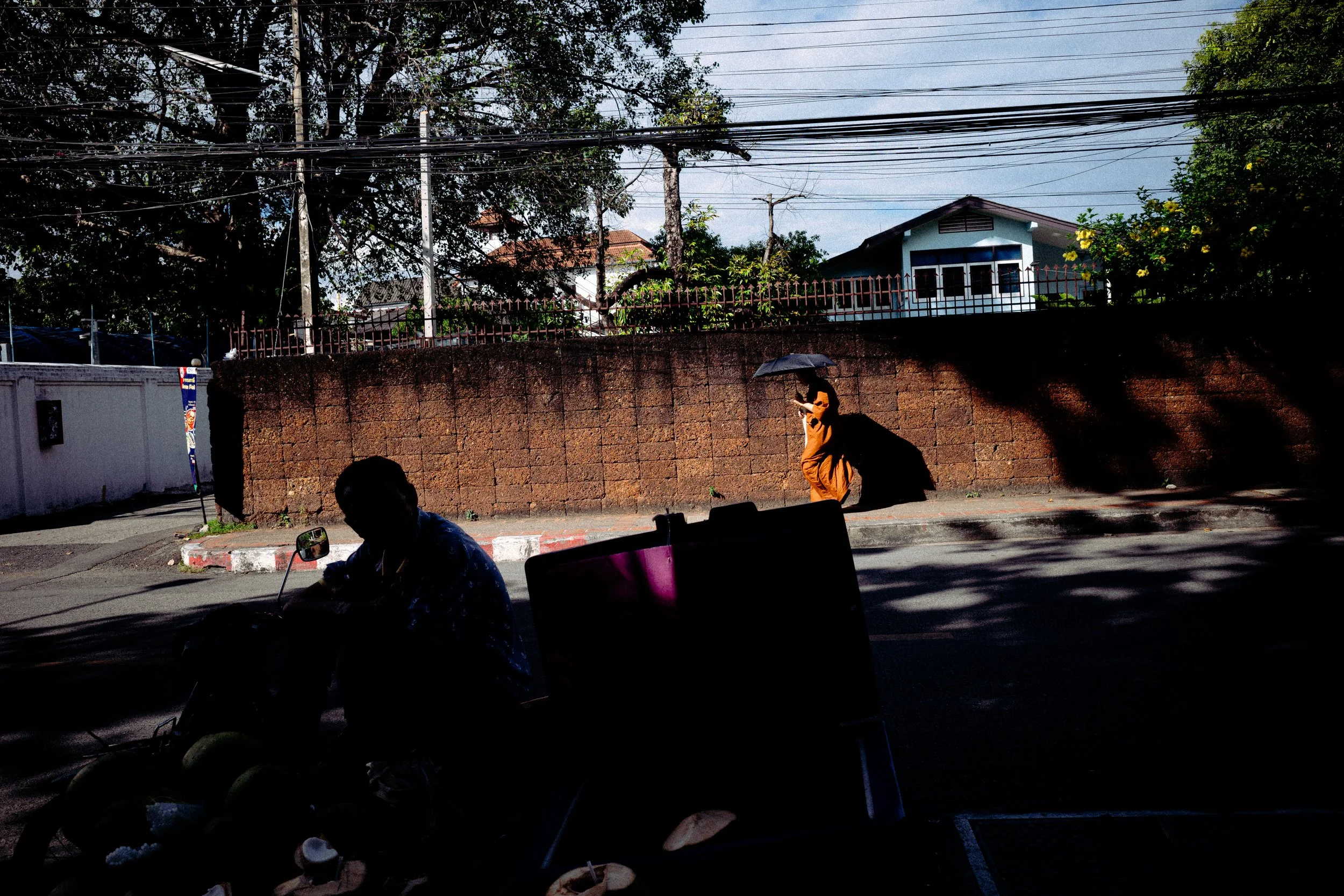
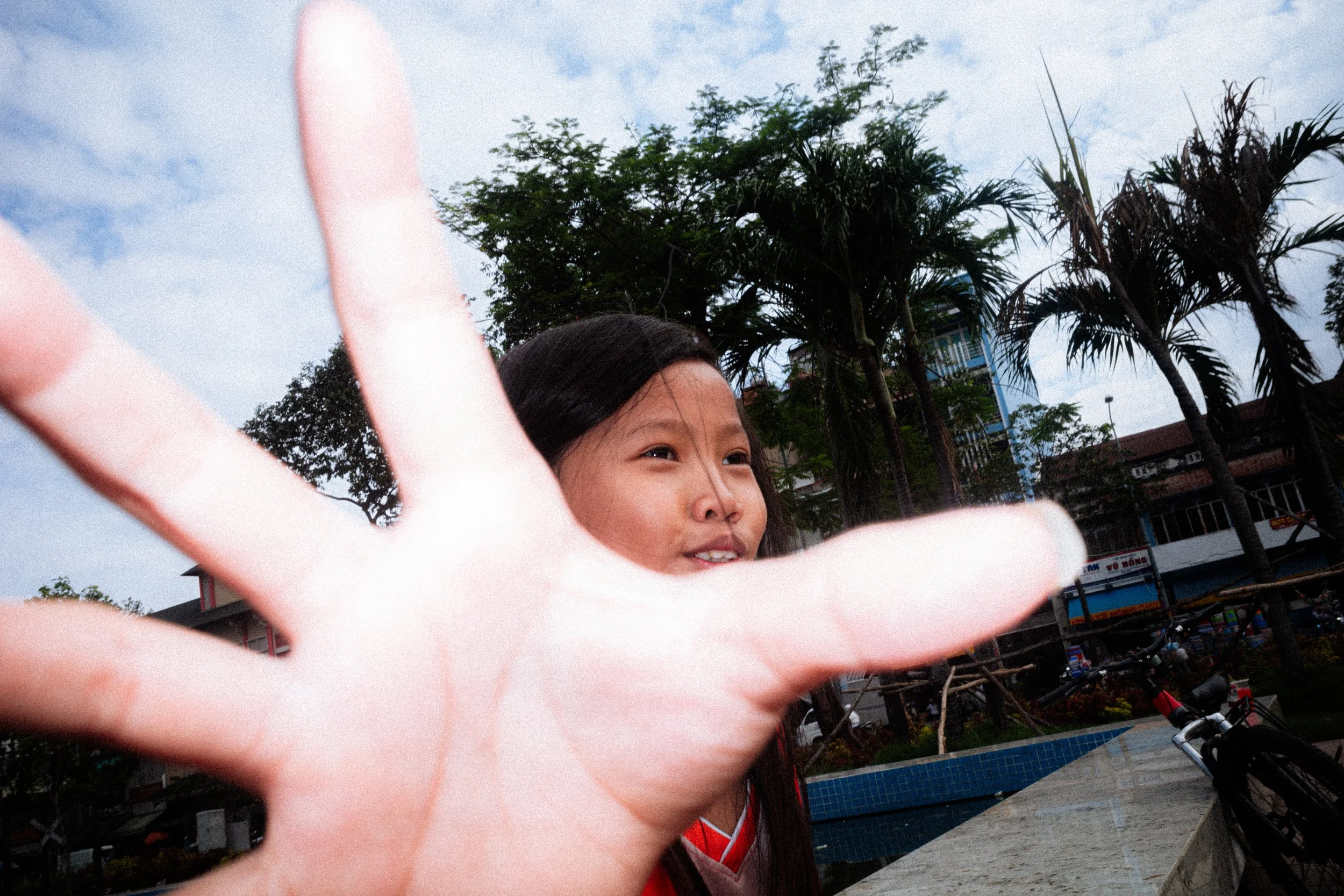
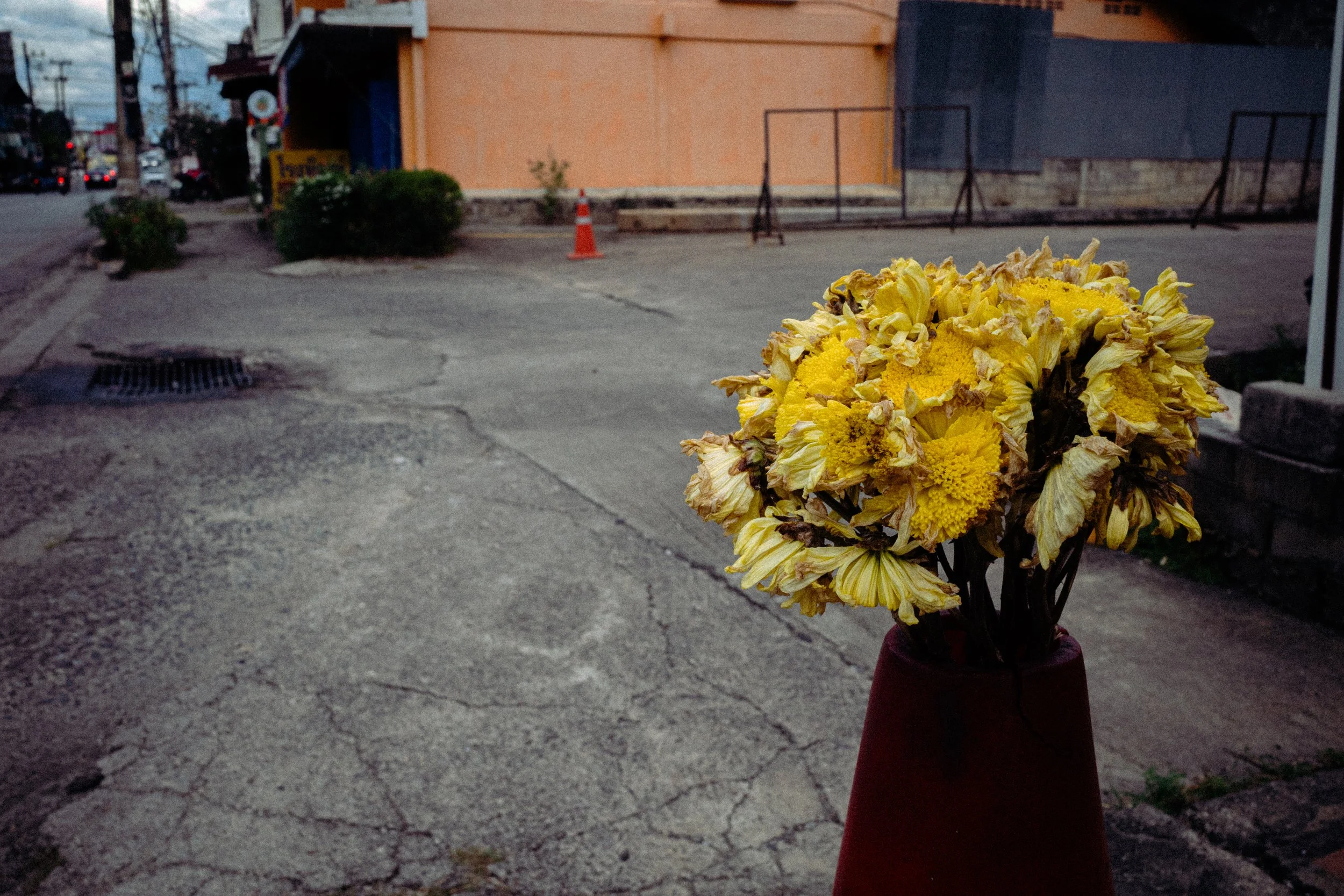
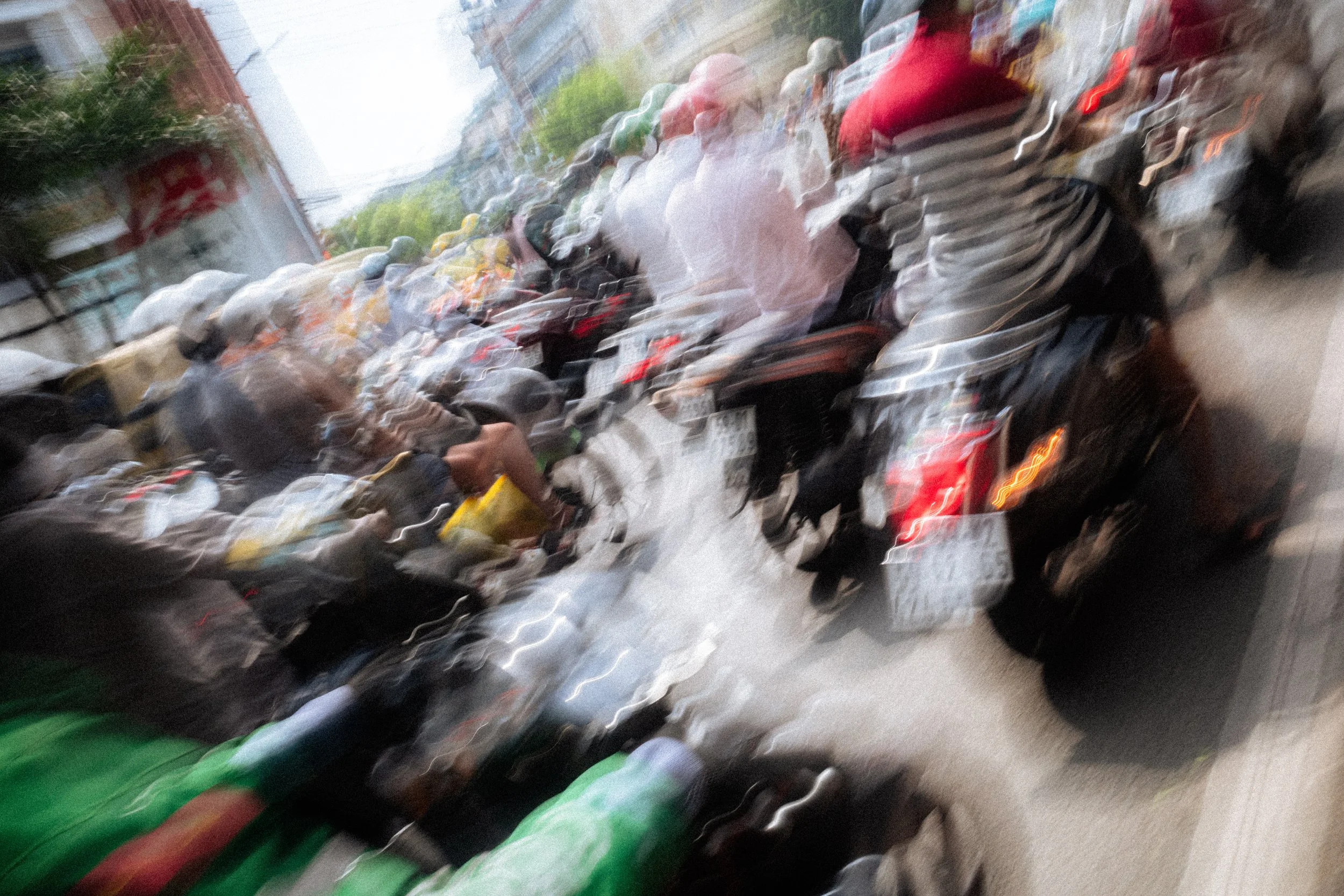
But here’s the thing.
The more I use it, the more I love it.
And the more I love it, the more it makes me move around it rather than with it.
In other words, I’ve become a slave to the 28mm.
What do I mean?
The 28mm pushes me to keep walking, always seeking closeness with people.
It puts me in a mindset of urgency - as if I only have a brief moment to capture what I need.
But as a human being, I don’t always feel that way.
Photography is already hectic enough: batteries, memory cards…
Add to that the fact that I create content, so I also have the action cam, video editing, posting on social media, and more to think about.
Sometimes, I just need calm.
How do I fight it?
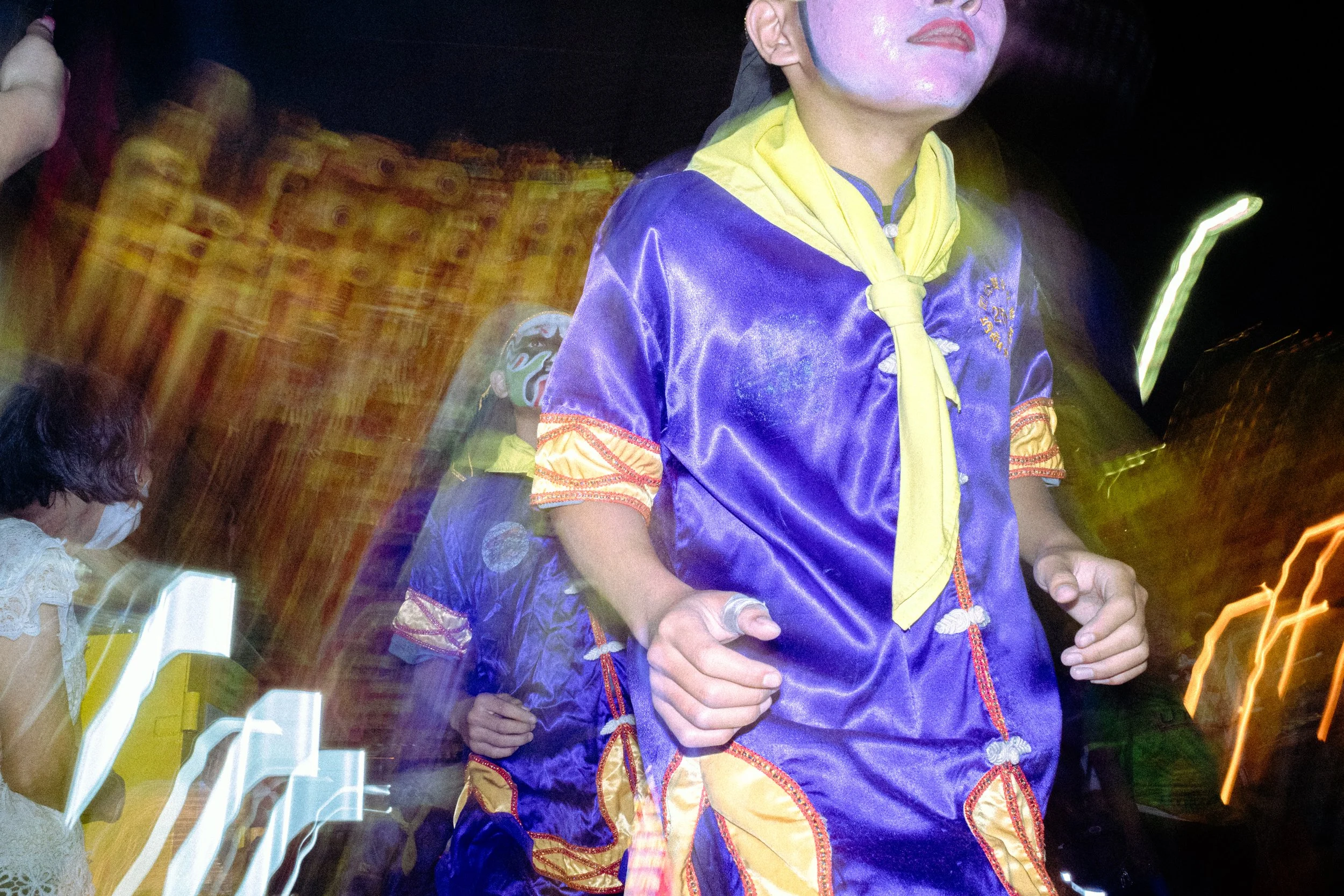
In reality, there’s no real way to fight this way of being, because it’s the lens itself that puts you in a constant state of urgency. So you either change the lens, or you change your approach.
One thing I tried was forgetting about the snap focus mode on the Ricoh GR III.
That mode relentlessly pushes you toward chaotic areas, almost as if the camera were taking the picture on its own. You become a slave to this approach, and all you can do is keep moving.
I have to admit that, in part, it’s enjoyable. More than once, it felt like being inside a dream, where everything flows in front of me and all I have to do is press the shutter.
This is definitely one of the strengths of the 28mm, and we’ll get back to that later.
On the other hand, sometimes it feels like you’re not really experiencing photography. And here things become very personal.
Some people love landscape photography, and if they’re not shooting landscapes, they don’t feel like they’re truly photographing. For me, instead, if I’m not actively searching for a subject to include in a composition, I feel the same way.
There are many philosophies, and none of them is right or wrong. The only one that matters is the one that fits your style.
That said, after buying a Fujifilm X-E4 and getting used again to looking through a viewfinder and manually adjusting focus, I developed a deep appreciation for the more hands-on side of photography. At that point, I stop being a slave to the lens, and the lens becomes a companion.
You might say: “So the problem is the Ricoh, not the 28mm.”
Wrong. My problem is with the lens itself. Nothing would stop me from picking up a vintage 28mm equivalent, setting focus at 1.5 meters, stopping down to f/8 or f/11, and shooting exactly like I do with the Ricoh.
The point is that we’re talking about a lens that is, by nature, different.

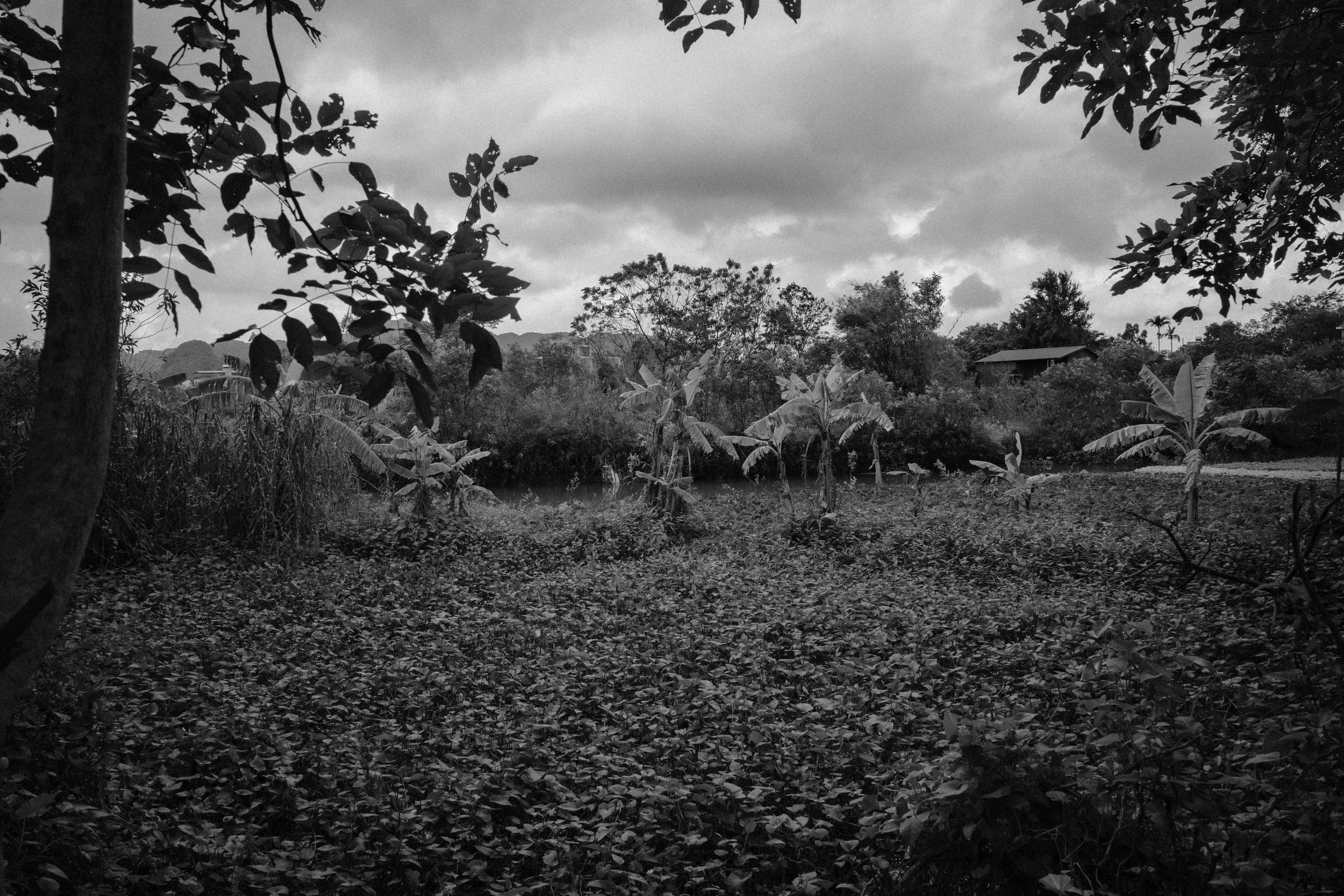
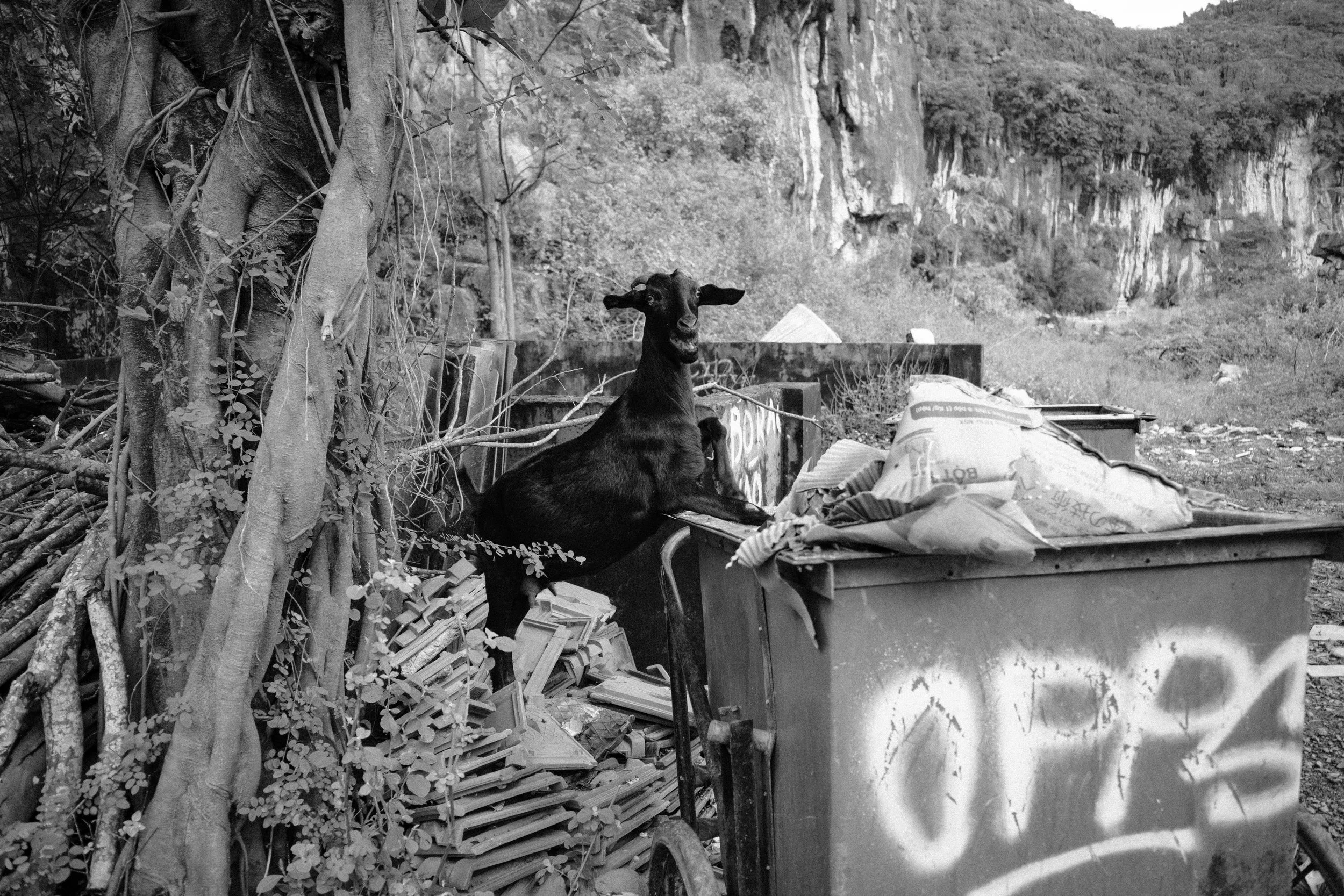
I’ve come to the conclusion that the 28mm is like jazz music. Jazz that changes rhythm, that brings together a huge variety of instruments, and that remains unpredictable no matter how long you’ve been listening to it.
Compositions made with the 28mm work the same way. You can position yourself as carefully as you want, but there will always be something unintentional slipping into the frame, whether you like it or not.
THE PROS.
When it comes to the pros, it’s simple: just reread everything I’ve written and imagine what’s missing.
Despite everything, the 28mm remains one of my favorite lenses. At the start of a day, you never know what’s going to happen.
And when you go out to shoot, you don’t know if you’ll come home with a couple of good shots or nothing at all. This unpredictability perfectly matches the nature of the lens.
Sometimes I get caught up in the frenzy of wanting to photograph everything I see. And that’s where you make mistakes, where you fail, and where you learn.
If it’s true that the 28mm includes a lot, aiming just a bit too high will give you too much sky. On the other hand, aiming too low with the horizon in front of you will include too much visual chaos, causing the viewer to lose focus, quite literally not knowing where to look.
But all of this is part of the lens’s learning curve. Every lens has its own challenges.
Still, if I had to recommend a lens to someone just starting out in photography, it would definitely be the 28mm. Get close to your subjects, live inside the scene, and enjoy every second of it.
The video covering this subject is now live on YouTube!
This blog will always remain ad-free.
If you enjoy my blog and would like to support my work, consider leaving a tip or visiting my shop, where you'll find my personal Lightroom presets, zines & camera guides.
Every bit of support goes directly back into creating new photography content, including YouTube videos, blog posts, camera guides, and, of course, more presets and zines, with the occasional freebie for everyone along the way.
Thank you for reading. <3
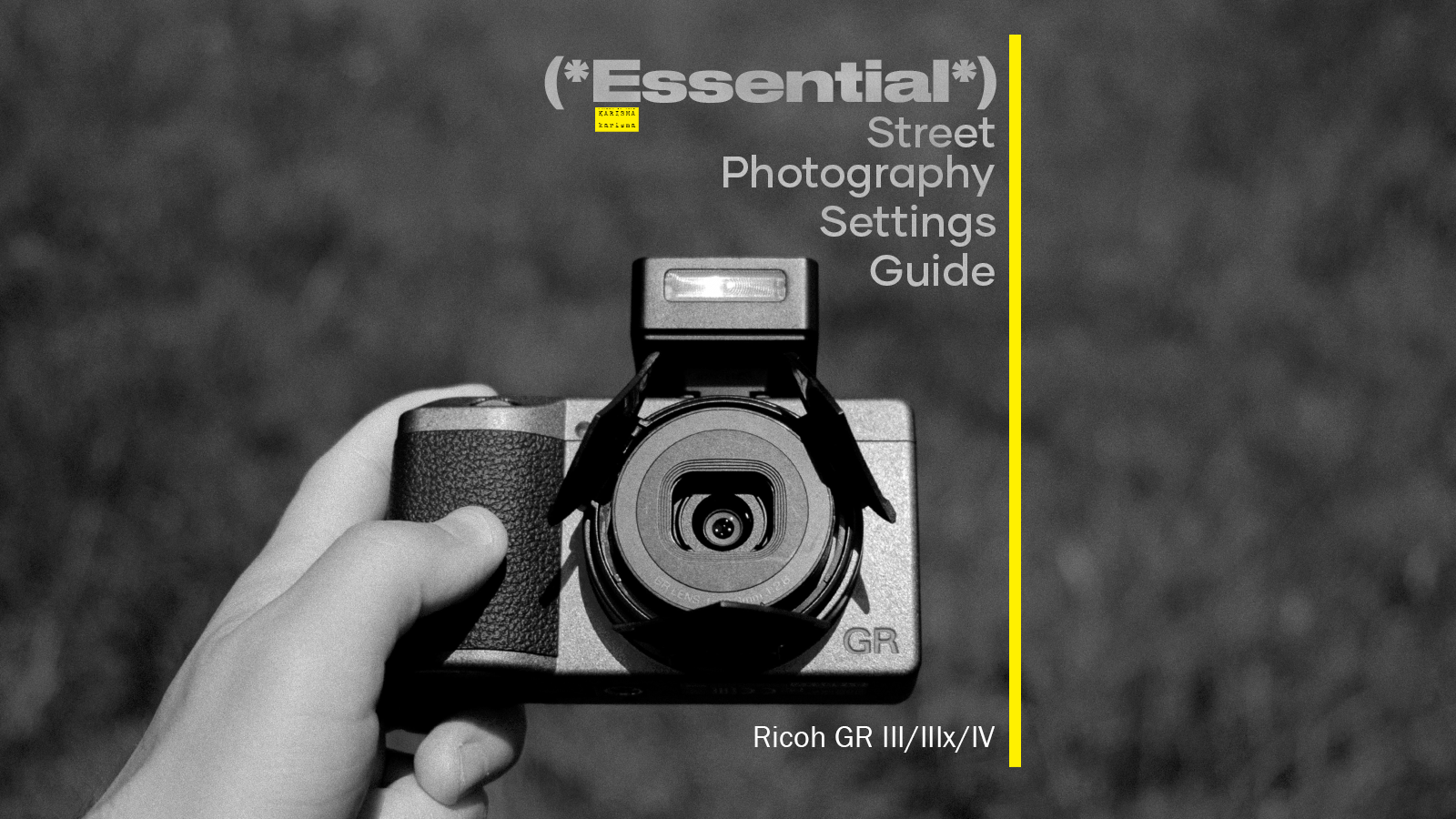
I created this guide to share my personal approach to street photography with the Fujifilm X-E4, breaking down the essence of how I use this camera and showing the settings that I consider truly essential, as well as the ones I believe can be ignored in order to achieve a faster, simpler and more intuitive shooting experience.
This was my first Fujifilm camera, and probably the only one I will never get rid of. I have dedicated a video and a blog post to explaining why, as well as another video and blog post where I go through the accessories that made this camera so versatile that it became the only Fujifilm camera that has truly convinced me so far.
Before we begin, there is something important to clarify.
This is not meant to be a complete Fujifilm X-E4 manual.
The settings I will show you are not necessarily the ones that will perfectly match your style, habits, or creative process.
They are simply the choices that, after spending a significant amount of time with this camera, have become essential to my own workflow.
Think of this as a personal recipe rather than a universal instruction manual.
Take what works for you, ignore what does not.
⚠️ As this is a digital product, refunds are not available. However, if you have any questions or experience any issues with your purchase, feel free to email me at karisma.business.inquiries@gmail.com. I'll get back to you as soon as possible!
🌱 Thank you for considering a purchase. Every bit of support goes directly back into creating new photography content, including YouTube videos, blog posts, camera guides, and, of course, more presets and zines, with the occasional freebie for everyone along the way.
I genuinely appreciate your support. Thank you for being part of the journey.